icon-globe
Search Connect with us

Vitamin D3, Alpha Vitamin for Poultry in its Most Active Form

Enhance poultry egg quality and production with natural Vitamin D for layer birds. Phytogenic feed supplement by Vinayak Ingredients India for improved poultry health.

Vitamin D3, Alpha Vitamin for Poultry in its Most Active Formd antibiotics

Vitamin D, also known as calciferol, is the inactive form of vitamin D that can be ingested through diet or be generated endogenously in the skin when exposed to UV light. Vitamin D is converted into its active form 1, 25-dihydroxycholecalciferol (1,25-(OH)2 D3), following a two-step hydroxylation process mediated by two key enzymes, 25-hydroxylase and 1α-hydroxylase. The first hydroxylation occurs in the liver, which converts cholecalciferol at the 25-C position to form 25-hydroxycholecalciferol (25(OH)D). The subsequent hydroxylation of 25-hydroxycholecalciferol occurs at the 1-C position and is mediated by 1α-hydroxylase in the kidneys to produce 1,25-(OH)2 D3, the active form of vitamin D (Alexandra and Barbara, 2013).

Vitamin D is a fat-soluble vitamin essential for the proper metabolism of calcium (Ca) and phosphorus (P), and the maintenance of normal skeletal integrity (Bikle, 1994). Vitamin D also plays a role in Ca and P absorption, regulation of parathyroid hormone, bone mineralization and mobilization, and it controls the incidence of bone disorders (Garcia et al., 2013). In fowls, vitamin D is responsible for normal growth, egg production, shell quality, and reproduction.

Boost poultry growth and production while preventing Vitamin D deficiency in layer chickens. Herbal feed supplement by Vinayak Ingredients India for healthier poultry farming.

Layers are usually maintained indoors and do not receive enough sunlight to convert 7-dihydrocholesterol to sufficient levels to supply their vitamin D requirements. This is why vitamin D is routinely added to layer feeds, which is essential for the maintenance of egg production, hatchability, eggshell formation, and calcium homeostasis.

Which are the deficiency diseases of vitamin D in birds?

The two most prominent forms of vitamin D are ergocalciferol (D2) and cholecalciferol (D3). Vitamin D is an important nutrient for chickens, especially for growing chicks and laying hens.

The inadequacy of vitamin D in birds results in rickets, retarded growth, soft and rubbery beak, hypocalcemia, parathyroid hyperplasia, elevated serum alkaline phosphatase, a marked expansion of epiphyseal growth plates including cartilage hypertrophy, failure of calcification of cartilage and osteoid, and fibrous osteodystrophy.

In hens, a vitamin D deficiency adversely affects egg production and causes calcium deficiency. The need for vitamin D depends to a large extent on the ratio of calcium to phosphorus. The vitamin D needs of poultry are increased several folds by inadequate levels of calcium and (or) phosphorus or by improper ratios of these minerals in the diet.

How does vitamin D metabolize in the body?

Cholecalciferol is the most common form of vitamin D added to feeds. After absorption by the intestinal mucosa, it is transported to the liver, where it is hydroxylated in position 25, resulting in 25-hydroxycholecalciferol (25(OH) cholecalciferol). This metabolite is directed to the kidneys and hydroxylated at carbon 1, originating the active metabolite of vitamin D, 1,25-dihydroxycholecalciferol (1,25(OH)2 cholecalciferol). Vitamin D has been shown to stimulate the synthesis of a calcium-binding protein in the intestine.

Organic Vitamin D supplement for poultry, promoting healthy growth in layer chickens. Natural herbal feed supplement by Vinayak Ingredients India for better chicken farming.

Dynamic Alpha, a bio-enhanced natural Dbooster

It is a blend of Phytoconstituents (Natural absorbance enhancers), contains hydroxylated metabolites of vitamin D3 (Calcitriol) and some amount of free and conjugated forms as glycosides from plant origin.

Why is it better than a regular vitamin D?

During the metabolic transformation of the vitamin D from calcitriol in the liver and kidneys, the effectiveness and level of vitamin reduces in the bloodstream. The active form 1,25(OH)2 vitamin D3 (calcitriol) of Dynamic alpha allows these two stages to be bypassed. It improves the vitamin D3 uptake and is delivered faster in the blood serum.

Additionally, Dynamic alpha components improve micelles formation which results in more absorption of liposoluble vitamins. It maintains homeostasis of Ca : P in body, improves bone density, increases egg shell thickness and vitamin D levels of eggs.

Experimental results confirmed that supplementation of poultry diets with Dynamic alpha, natural and safe active form of vitamin D yields healthy, more productive birds, and enriched eggs, supporting higher profit margins to the farmers.

 Natural Vitamin D3 supplement for poultry, essential for layer birds' health and bone strength. Herbal feed supplement by Vinayak Ingredients India for chicken farming.
Organic vitamin D supplement poultry Natural vitamin layer chicken Vinayak Ingredients India

Benefits and features

  • Improves growth and laying performance
  • Maintains homeostasis of Ca:P in the body
  • Increases hatchability and day-old chick weight
  • Increases bone density and maintains its strength
  • Helps in the development and maintenance of body, beak and feathers
  • Helps in preventing egg damage by increasing the shell strength of the eggs
  • Improves vitamin D3 content of the eggs

Feeding recommendation

  • Layers – 250 – 500 g / MT of feed
  • Broiler – 250 – 500 g / MT of feed
  • Breeder – 500 g / MT of feed OR as directed by a Veterinarian / Nutritionist.
Phytogenic growth promoter, a promising alternative to antibiotics in poultry

Prevent E. coli salmonella contamination to chicken supplements to control heat stress in poultry AGP replacers in poultry Natural feed supplements for poultry manufacture in india vinayak ingredients

Antimicrobial additives are commonly included in animal diets for growth promotion and control of diseases. The European Union and the US regulators banned feed antibiotic growth promoters due to not only drug resistance, but also to the risk of possible cross resistance with human pathogenic bacteria.

Decreasing trend of feed antibiotics

Poultry feed devoid of synthetic chemicals or antibiotics is increasingly being popular in the developed nations. Consequently, the feed manufacturers are under regulatory pressure to reduce the use of antibiotic growth promoters as feed additive and find alternatives.

Herbal growth promoters in poultry AGP replacers in poultry Control entropathogens in chicken Weight gain in broilers chicken Vinayak Ingredients India

Thymol, eugenol, and essential oils inhibit enteropathogen like Salmonella and E. coli in the digestive tract. The improved gastrointestinal microclimate favors digestibility and uptake of feed nutrients. Phytomolecules with immunomodulatory effects stimulate growth of immune organs such as spleen, thymus and bursa, upregulating the function of lymphocytes, macrophages and natural killer cells.

The addition of Herbofloxin to drinking water supports digestion and metabolism in the body, stimulates the growth and development of a useful microbiome, limits the multiplication and adhesion of pathogens, and improves the morphology and functioning of enterocytes. Secondly, Herbofloxin reduces harmful intestinal load and ultimately prevents the meat contamination.

Herbofloxin Phytogenic Growth Supplements for Poultry AGP Replacers in Poultry Poultry Feed

Worldwide use of antibiotics

It has been proposed that feed antibiotic usage was an integral part of this revolution in animal industry. It is estimated that 40 % of the antibiotics produced are used for livestock feed additives.

Why are antibiotics given to animals? 

Animals in industrial-scale facilities are routinely fed antibiotics to:

– make animals grow faster and bigger

– control the spread of diseases in animals

– prevent contamination of animal products with zoonotic pathogens

– increase survival of animals, however when antibiotics are overused, it can be hazardous to the human health

Non antibiotic growth promoter in poultry Phytogenic growth supplements for poultry Vinayak Ingredients India Natural poultry feed supplements

The threat of antibiotic resistance

According to the Centers for Disease Control, more than 2 million human illnesses and an estimated 23,000 deaths each year are the result of antibiotic resistance. Therefore, antibiotic growth promoters are discredited by consumer associations as well as by scientists.

Risks associated with drug resistance and superbugs

Antimicrobial resistance is a naturally occurring phenomenon that can be slowed, but not prevented. Over the decades, germs such as bacteria, viruses, parasites and fungi adopt to the medicines that are made to kill them. This makes previously standard drug range for some infections less effective, and sometimes ineffective.

Number of incidences suggests that giving healthy animals regular antibiotics can contribute to the worsening health crisis of the resistance and creation of the deadly superbugs. Superbugs are strains of pathogens that are resistant to common antibiotics and other treatments used to treat the infections they cause.

Post-outbreak medication has had variable effectiveness, but would certainly be less effective due to use of subtherapeutic levels of antibiotics

Phytoactives, sustainable alternatives as non-antibiotic growth promoters for poultry

The feed manufacturers are adopting new forms of natural feed additives that are the products of modern science. This new generation of growth enhancers include botanical additives like appropriate blends of plant extracts. The extracts used as feed additives include many different bio-active ingredients such as alkaloids, bitters, flavonoids, glycosides, saponins, and tannins.

The extracts act on the appetite and intestinal microflora, stimulate the pancreatic secretions to increase endogenous enzyme activity and immune system. Many plant products and their constituents have a broad antimicrobial activity, antioxidant and sedative properties.

Besides this, scientists recently discovered that the appetizing and stimulating activity of plant extracts on animal digestive and immune system could benefit performance and health of farm animals. They postulated that these effects could be due to the increased production of digestive enzymes and the improved utilization of nutrients.

The wise use of antibiotics is not a substitute for, but a complement to good sanitation and husbandry practices. Extensive use of low-level antibiotics in feeds has brought about concern for potential harmful effects due to the development of resistant strains of organisms in host animals that might compromise animal as well as human health.

Prevent E. coli salmonella contamination to chicken supplements to control heat stress in poultry Weight gain in broilers chicken Natural feed supplements for poultry farm

Herbofloxin, a natural growth promoter

HERBOFLOXIN Antibiotic growth promoter replacer Growth promoter in pigs Weight gain in pigs Improve FCR in pigs Swine growth promoter supplements Pig growth supplement

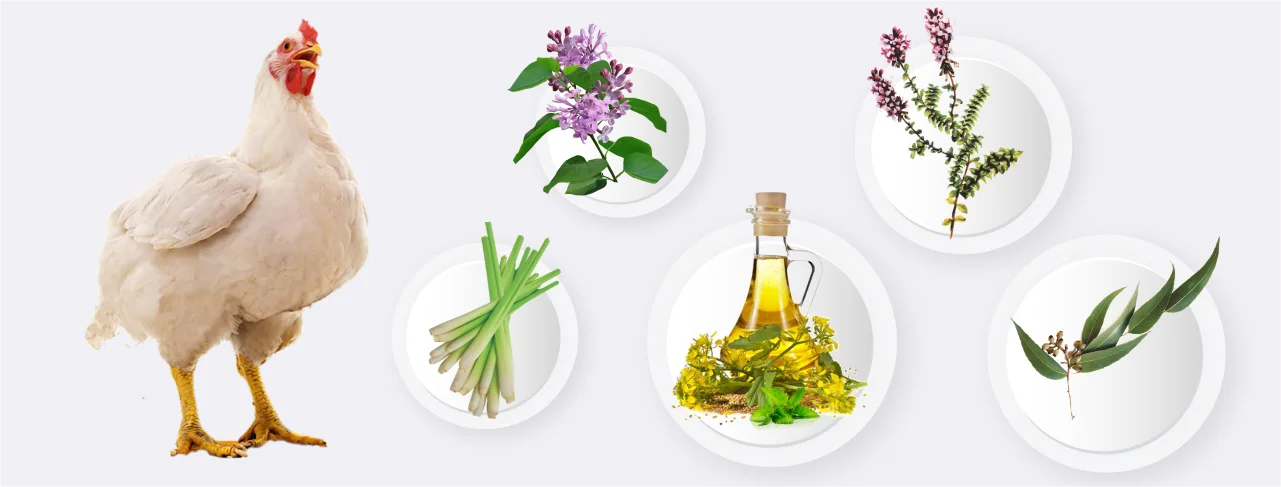
A unique micro-emulsified formulation of phytoactive ingredients such as Thymus vulgaris, Eucalyptus, Syzygium, and Citronella. Herbofloxin improves the gut immune barrier to resist colonization by pathological microflora.

Thymol, eugenol, and essential oils inhibit enteropathogen like Salmonella and E. coli in the digestive tract. Phytoconstituents of antibacterial nature target gut pathogens including important zoonotic bacteria. The improved gastrointestinal microclimate favours digestibility and uptake of nutrients. Phytomolecules with immunomodulatory effects stimulates the growth of immune organs such as the spleen, thymus and bursa, improving the number and function of lymphocytes, macrophages and natural killer cells. Positive effect on hemopoietic system improves efficient muscle oxygenation and feed conversion by promoting the activity of digestive enzymes.

It is important to note that poultry bacteria include a wide variety of human pathogens, such as Escherichia, Salmonella, and many other notable pathogenic genera. This zoonotic organism can be a public health hazard if consumed through contaminated meat. Herbofloxin reduces harmful intestinal load and ultimately prevents meat contamination.

Benefits

  • Antimicrobial activity
  • Stimulation of the immune system
  • Antioxidant and anti-inflammatory activity
  • Stimulation of feed intake and digestive secretions
  • Improves blood and serum parameters such as hepatic and digestive enzymes
  • A tool for antibiotic-free chicken program
Gut health improvements in poultry Control entropathogens in chicken Reducing stress in poultry Herbal feed supplements for poultry

Economic features

  • Higher weight gain
  • Improves nutrient utilization
  • Improves carcass traits

Usage recommendation is 250 – 500 ml per 1000 liter of drinking water in the growing and finishing phase of broilers. Herbofloxin is a natural non-antibiotic growth promoter for environmental friendly and lead to sustainable poultry farming.

Growing Impact of Red Mites (Dermanyssus gallinae) on Birds: A Complete Guide

Effective herbal solutions for controlling red mite infestations in poultry. Learn about the growing impact of Dermanyssus Gallinae on birds and control strategies. Manufactured by Vinayak Ingredients, experts in animal feed additives.

Dermanyssus gallinae, the poultry red mite, chicken mite or roost mite, is a major pest of fowl, pigeons, and other caged birds worldwide. The parasite especially common to poultry breeding and egg production operations, it is directly responsible for hundreds of millions of dollars in egg industry losses every year. The surveys have confirmed the extremely high and increasing prevalence, 60 to 85 percent of flocks are known to have suffered or be suffering from infestations in different regions of the world and this is starting to trickle into backyard flocks.

Economic Impact

According to studies by the layer industry experts the productivity losses are seen up to €0.57 per hen per year and can climb up to €2.50 in high infestations. In Europe alone, the red mite infestation costs approximately €360 million annually.

Transmission of the poultry red mite, as well as the northern fowl mite and the tropical fowl mite, is by mite dispersion or by contact with infested birds, animals, or inanimate objects. In the integrated poultry industry, mites are dispersed most frequently on inanimate objects such as egg flats, crates, or coops or by personnel going from house to house or farm to farm.


Herbal solutions for controlling red mite infestation in poultry. Understand the impact of Dermanyssus Gallinae on birds and learn about effective mite management strategies. Manufactured by Vinayak Ingredients, experts in animal feed additives.


What are Red Mites? How to Identify Them.

Herbal mite control system to prevent poultry mortality due to red mite infestations. Natural poultry feed supplements by Vinayak Ingredients India Pvt. Ltd. for effective red mite management.

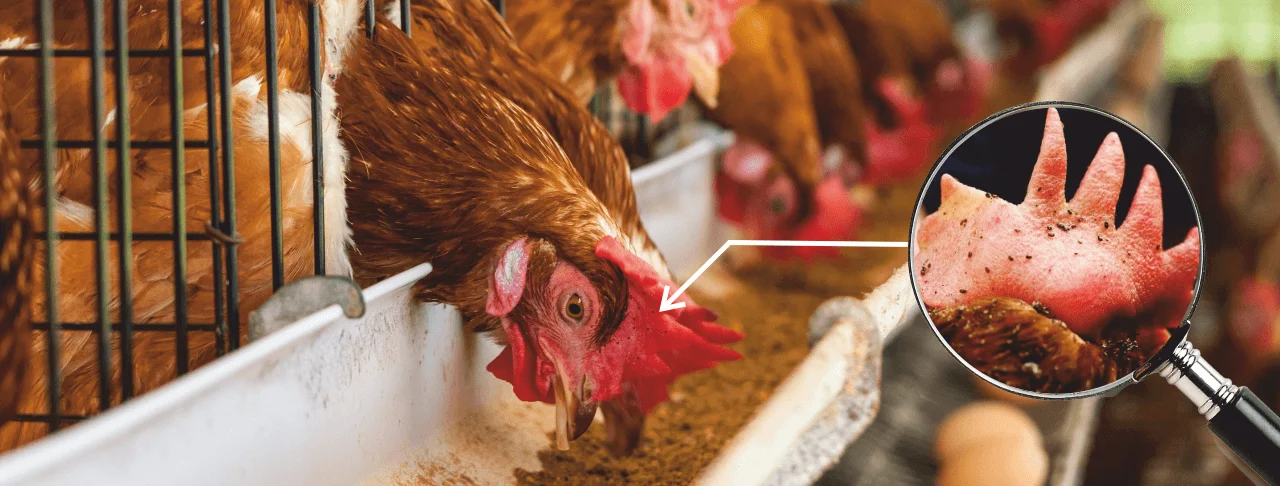
Red mites are small, up to 1mm long and 0.7mm wide, slow-moving mites. They range in colour from a very light grey, almost translucent to a light brown, black and blood-red colour after a feed. Their eggs are harder to spot with the naked eye at around 0.4mm and translucent, white in colour. After the eggs are laid, it typically takes up to five days before they take their first feed as protonymphs. When they reach the adult stage, at about 10 days old, this is when they will start to feed most frequently.

They are typically nocturnal feeders and remain hidden during the day in cracks and crevices, nests, cribs and roosts, egg conveyor belts, cardboard boxes and transportation cages. They can occasionally be found in clusters.

Effective herbal red mite management program in poultry farms. Vinayak Ingredients offers herbal poultry supplements for controlling red mites and improving poultry health in India.

Re-infestations

Poultry mite is a very resilient ectoparasite. It can even survive for several months without feeding and can continue to exist even though there is no feeding source. Multi-age mite sites are often tricky to manage, but the mite can crawl from shed to shed and carry disease with them. Reinfection is highly likely either by missing a small colony of red mite or on the body of the pullets that make up the next flock. They can even migrate wild birds into poultry sheds. The reason why many producers are failing to control red mite is because of a lack of understanding of the products they are using.

Dermanyssus gallinae Causes Both Direct and Indirect Damage in Poultry Houses:

The loss of vitality due to parasitism reduces hen production; and the mite can transmit several viral diseases (Newcastle disease paramyxovirus; avian influenza a virus; fowlpox virus) as well as bacterial infections (Escherichia coli, Erysipelothrix rhusiopathiae, Pasteurella multocida, Salmonella gallinarum and S. enteritidis).

Flocks with mite infestations can suffer from: visible skin irritation and lesions on the breast and legs; increased stress; altered sleep patterns; feather plucking; anaemia, which presents as comb and pallor wattle; and death, in extreme cases. Stress is induced by pain and skin irritation associated with repeated mite bites favoured by the very high parasite load typical of red mite infestations, with mite densities ranging from 25,000 to 500,000 mites per hen. In the worst cases, poultry red mite can consume up to 5% of a hen’s blood in one night.

Limiter, A Novel Efficient Herbal Solution for Poultry Red Mite,

LIMITER, an effective natural solution for controlling poultry red mites, designed to improve poultry health and productivity. Vinayak Ingredients specializes in eco-friendly feed additives for poultry.

Despite chemical control of poultry red mites remaining the dominant method at the commercial farms, the acaricidal treatments can only give limited or short-period relief to the birds. Mainly due to difficulties associated with the effective application and emergence of resistance in mites.

Limiter is a stable combination of plant-derived oils designed on a pragmatic approach of reducing mites through a multipronged strategy. No resistance due to effective triple way mode of action i.e. gustatory avoidance, olfactory repellency, and contact toxicity. The key elements of the natural remedy for mite management are derived from Eucalyptus oil, Camphor, and Basil. It makes Limiter easy to register, use,  and one of the safest products in the market.

Limiter is a concentrated extract of active phytomolecules and therefore it needs to be diluted at the dose of 150 ml per 1000 litre of drinking water.

Limiter is recommended to use for 1 week – 1st application then 2nd application for 1 week after an interval of 7 days. It can be re-used in case of re-infestation as per the recommended protocol.

Salient Features

  • Protects birds from blood-feeding stages of the red mites i.e. Protonymphs, Deutonymphs, and some adult stages.
  • No prescription required for use at the farms
  • Readily soluble in water
  • Birds do not need to be removed.
  • No harmful effects and can be used recurrently for a long duration without developing resistance.
  • No residues in the eggs and meat.
  • No withdrawal period
Herbal mite control system for poultry. Vinayak Ingredients offers natural red mite management supplements to prevent infestations and improve bird health in poultry farming.

Advantages

  • Reduces stress, irritation, mortality, and body lesions.
  • Reduces spread of poultry pathogens
  • Improves egg production and FCR
  • Controls mite population and saves economic losses
  • Improves bird health and welfare

Risk Factors Associated with Respiratory System in Poultry

Herbal respiratory tonic for poultry to reduce mortality, improve respiratory health in layers, and enhance overall poultry health. Natural feed supplements for poultry from Vinayak Ingredients India

Respiratory diseases have been subjected to long extensive research due to their economic significance. Infection with these pathogens causes severe economic loss due to mortality, carcass condemnation, and reduction in egg production, hatchability, feed efficiency and weight gain. In order to address these problems, a variety of strategies has been used in the poultry industry including biosecurity, vaccination and antimicrobial therapy.


Address chronic respiratory disease in poultry with phytogenic respiratory tonic for rapid recovery. Mucofort by Vinayak Ingredients India helps improve poultry health and prevent respiratory issues.


Common Respiratory Diseases of Poultry

– Chronic Respiratory Disease / – Newcastle Disease – Avian Diphtheria

Mycoplasma gallisepticum infection – Infectious Bronchitis – Infectious Laryngotracheitis Virus

– Aspergillosis / – Avian Influenza – Chlamydiosis

Brooders Pneumonia – Infectious Coryza – Chicken Pox

In poultry sheds, bird density, dust and heat permanently expose birds to various forms of respiratory issues. Poultry birds are endowed with effective mechanisms to expel irritants, microorganisms and spores, but these defences are fragile. In a very dusty environment, 1m³ of air can contain more than 10 million microorganisms!.

How Does Poultry Defense System Work Against Poor Quality or Contaminated Air?

Trachea and bronchi walls are covered with cilia. By contracting, these cilia cause the mucus and all the particles sticking inside to move towards the upper parts of the respiratory tract where they are expectorated (sneezed out) or swallowed. This is named the “mucociliary escalator”.

Dust: vectors for transmission of microbial, viral and fungal agents in poultry houses. Now it sometimes happens that this system cannot effectively play its defence role, if it is saturated with too much dust, paralyzed by an excess of ammonia concentration, or destroyed by a viral infection. An excess of ammonia concentration (>10ppm) in the air will paralyze the cilia of the respiratory system.

Any such attack on the defences of the respiratory system will affect the quality and quantity of mucus in Avian. If the mucus is too watery or too abundant it can cause a blockage in the trachea. This may result in a bacterial infection or bird’s death by asphyxia.

How to Prevent Respiratory Issues and Improve Air Quality in Poultry?

We have brought all herbal respiratory tonic MucoFort® in the market, which helps in stimulating protective mechanisms and revitalizing the respiratory system. Mucofort contains terpenoids in essential oils, e.g. alcohols, aldehydes, esters, ketones, peroxides, and phenols, which are responsible for strong antimicrobial activity.


Address avian influenza and respiratory problems in poultry flocks with respiratory tonic liquid. Natural feed supplements for poultry farming from Vinayak Ingredients India to improve health and immunity.


Its decongesting properties provide instant relief. It allows birds to breathe normally and improve 2 transport to the cells and reduces gasping. The active components of Mucofort have anti-inflammatory, immunomodulatory and antiviral functions, and thus can augment the immunity of poultry by modulating both humoral and cell-mediated immune responses, preventing viral infections, and providing supplementary treatment for viral diseases.

Identify chicken flu symptoms and respiratory problems in poultry flocks. Use respiratory tonic for poultry from Vinayak Ingredients  to improve health and prevent diseases.


Phytoconstituents derived from Eucalyptus globulus, Mentha arvensis, Ocimum basilicum, etc of MucoFort® modulate the synthesis of a healthy layer of Mucin which protects the respiratory epithelium from attacks of pathogenic organisms. Bronchodilatory and respiratory stimulant effects make the lumen wide for proper respiration and expulsion of inflammatory discharge like cellular debris and fibrinous exudates.

MUCOFORT herbal respiratory tonic for poultry to treat respiratory problems in flocks and avian influenza. Effective treatment and prevention from Vinayak Ingredients India Pvt.Ltd

MucoFort® is an outcome of continuous research; its test reports have shown remarkable results on common respiratory conditions like congestion, haemorrhages, inflammatory secretions, pneumonia, diphtheritic membranes and oedema in the respiratory system.

he administration of Mucofort is 200 ml in 1000 litre of drinking water three times a week till full recovery. It also can be used for the prevention of respiratory distress and strengthening the immune system during outbreaks.


Challenging Re-emergence of Necrotic Enteritis in Poultry

Vinayak Ingredients' herbal supplement for poultry kidney health and gout treatment. Manufactured and exported from India.

Losses and Severity of Clostridial Toxins

Refraining the use of antibiotics in poultry feed has aggravated outbreaks of Necrotic enteritis (NE) even more often. NE is an acute Clostridium infection characterized by severe necrosis of the intestinal mucosa. The disease begins suddenly, with a sharp increase in the death rate. The disease usually persists in a flock for 5–10 days, and mortality is 50%. The causative agent is the gram-positive, obligate, anaerobic bacteria Clostridium perfringens. There are two primary Cl. perfringens types, A and C, associated with NE in poultry.

Herbal tonic for poultry kidney health and gout relief Vinayak ingredients

Pathogenesis and clinical signs

Cl. perfringens is a nearly ubiquitous bacteria readily found in soil, dust, faeces, feed, and used poultry litter. It is also a normal inhabitant of the intestines of healthy chickens and turkeys. The enterotoxaemia that results in NE most often occurs either after a change in the intestinal microflora or from a condition that results in damage to the intestinal mucosa (eg, coccidiosis, mycotoxicosis, salmonellosis, parasitic infection, etc).

Chickens at the age of 25 weeks are usually affected, NE is also encountered in hens particularly near the period of the beginning of egg-laying or peak egg-laying, most commonly associated with coccidiosis. In acute cases, marked congestion of the liver, responsible for its dark red to black appearance, is present. Intestinal content is bloody, mixed with necrotic debris and gas bubbles. The diagnosis is based on distinctive gross lesions. Toxins produced by the bacteria cause damage to the small intestine, liver lesions, and mortality.

While researchers still paving a way to develop a substitute as functional as antibiotics, administration of selected probiotics or competitive cultures has been used successfully to both prevent and treat clinical necrotic enteritis (presumably for the prophylactic proliferation of Cl. perfringens).

Probiotics help control necrotic enteritis in poultry by promoting healthy gut flora

NOVAPRO, a natural blend of probiotics for digestion and gut health.

The probiotics used in NOVAPRO (viz. Bacillus subtilis, B. coagulants and B. pumilus) are GRAS qualified in the US and qualifies the criteria of QPS as per EFSA for EU countries. They are highly heated stable and forms an endospore to survive extreme environmental conditions of temperature and desiccation.

How does NOVAPRO work as a Non-antibiotic Growth Promoter?

Bacillus subtilisB. coagulants and B. pumilus are known for their ability to degrade proteins extra-cellularly. They produce antimicrobial peptides (bacteriocins) which help in the inhibition of certain kinds of entero-pathogens that are harmful to poultry. This combination gets quickly established in the gut, provide growth of friendly bacteria, reduces intestinal pH and drives out harmful pathogens like Cl. perfringensE. coli and Salmonella species. Additionally, the probiotics peptides enhance immune responses preventing the growth of pathogens.

NOVAPRO probiotic supplement promoting gut health and preventing necrotic enteritis in poultry.

Features and Benefits

– Probiotics stay viable in water for a longer duration

– It has proven compatibility with antibiotics, anti-microbial growth promoters, coccidiostats and acidifiers

– Supports gut health and immune system

– Can withstand pH fluctuations from 3.8 to 9.5

– Low inclusion rate, no withdrawal period and can be administered throughout the lifecycle

Feeding Recommendation

– 1 g per litre of drinking water

– 150 – 200 g / tone of feed

Poultry Coccidiosis: Associated Antibiotic Overuse and Effective Alternatives

A natural phytogenic coccidiostat supplement by Vinayak Ingredients to combat poultry coccidiosis, reduce mortality, and minimize antibiotic overuse in poultry farming.

Coccidiosis represents a serious threat to the poultry industry, affecting production and causing high morbidity, mortality and significant costs resulting from treatment and prophylaxis. In-feed anti-coccidial has been used for decades for managing avian coccidiosis and were very effective until drug resistance emerged. The use of natural remedies has become a promising alternative in combating coccidiosis in chickens.


BIOCOCINE, a natural phytogenic coccidiostat by Vinayak Ingredients, helps control Eimeria Tenella in poultry, reducing the need for antibiotics and enhancing gut health.

Industry losses

Coccidiosis is a self-limiting disease that is universally present in poultry operations, causing extensive damage to the intestinal lining of the bird. Global economic losses from coccidiosis are estimated to be $3 billion per year including poor growth performance, replacement of chicks, and medication. They are estimated to be ubiquitous in the environment of poultry operations globally, with approximately 5% prevalence of clinical coccidiosis and 20% prevalence of subclinical coccidiosis. Coccidiosis morbidity can be as high as 100%, mortality ranges from 0-50%.

Attempts to eradicate the disease have been unsuccessful; currently, coccidiosis programs largely rely on chemotherapy and immunoprophylaxis. But the development of drug resistance in strains in the field and the withdrawal period for these drugs prior to slaughter necessitate the exploration of alternative methods for controlling coccidiosis.

Coccidiostats

Coccidiostats can be grouped into two major classes: the polyether ionophore antibiotics (monensin, lasalocid, maduramycin, narasin, salinomycin, and semduramycin) and the nonpolyether ionophores (often referred to as synthetic compounds or chemicals).

Chemical anticoccidials have varying degrees of efficacy ranging from good to partial resistance, indicating its use should either be restricted or if possible be discontinued because in the near future development of resistance against these anticoccidial will be seen. The use of herbal products as an alternative to anticoccidial drugs may overcome the hazards caused by the chemical drugs. Generally, plant extracts do not have the problem of resistance and broilers fed on herbal feed additives were accepted well by the consumer.

To date, Eimeria strains have gained resistance to all known coccidiostats, and new anticoccidials are unlikely to be developed, mainly because of strict legislative regulations on the use of in-feed drugs and growing concerns in the general population about the chemical residues in poultry products. Over the past years, the consumption of poultry meat has grown consistently, especially because it represents a fairly cheap source of food with lower production costs and is accepted by all religions.

In addition, the compromised immune system and damaged intestinal passage become an easy target for secondary bacterial infections like Clostridium and Salmonella spp.

Phytogenic coccidiostat by Vinayak Ingredients Pvt. Ltd. aids in faster recovery from coccidiosis, reducing poultry mortality and promoting gut health naturally.

What is Coccidiosis?

Coccidiosis is a disease of the intestinal tract caused by microscopic parasites called Eimeria protozoa. It is a single cell microscopic parasite that enters the chick’s body by ingesting the parasite egg on the ground.

Coccidiosis is a parasitic disease caused by seven species of the genus Eimeria with different localizations within the intestinal tract of chickens. Eimeria acervulina, E. maxima and E. tenella are the most prevalent species in broilers in the intensive poultry management system.

Nature of coccidiosis

Coccidia has many different stages occurring either within the bird host, or in the outside environment. Within the host, the parasite develops into an oocyst, which is then excreted in the bird droppings. In the environment (typically in the litter) and under optimal temperature and moisture conditions, this oocyst then develops into a sporulated oocyst. The sporulated oocyst can infect other chickens and is very resilient, often surviving in the environment for several months. The prepatent period, which includes parasite development and sporulation, is approximately 4–7 days. Although many infections are subclinical, clinical signs of coccidiosis typically include diarrhoea, decreased growth rate, decreased feed and water intake, decreased egg production, and increased mortality.

The parasite then multiplies in the intestine and is eventually expelled through the chick’s feces. At this point, other chicks will become infected when they accidentally ingest the Coccidia parasite. Chicks can all quickly become infected. Most often spread by bringing infected hens into your flock, or by wild birds. The coccidia parasite is nearly impossible to completely eradicate.

Coccidia multiplies best in warm, wet, dirty, overcrowded conditions and unfortunately nearly every chicken run contains trace amounts of the parasite. Fortunately, healthy adult chickens usually have strong enough immune systems that they won’t be affected.

Natural feed supplement for poultry supporting faster recovery from coccidiosis, reducing oocyst shedding, and improving gut health.

What are the Symptoms of Coccidia/Coccidiosis?

It normally manifests itself in chicks through the following symptoms:

  • Messy fluff around the vent
  • Yellowish, foamy diarrhoea
  • Bloody droppings
  • Ruffled feathers
  • Poor appetite
  • Lethargy
  • Standing alone with closed eyes
  • Weight loss due to inability to absorb nutrients in food
  • Eventual death

Even if a chick survives, permanent intestinal tissue damage often occurs. Since a chicken’s immune system is cantered in the intestine, survivors could have a compromised immune system for life.

How Biococcin Works against Coccidiosis?

Biococcin is a holistic combination of phytochemicals with diverse mechanisms of action on multiple species of Eimeria. This active constituent suppresses the developmental stages in the lifecycle of Eimeria by several mechanisms, restricting the damage to intestinal cells and spread of the infection by several mechanisms mentioned below:

  • – Prevention of oocyst development
  • – Inhibition of sporulation
  • – Inhibition of oocyst wall
  • – Destruction of sporozoites in caeca
  • – Stabilizing intestinal structure and decreasing inflammation
  • – Stimulation of immune response and modulation

Furthermore, herbal extracts could improve recovery after coccidiosis. Flavonoids and other polyphenols have been reported to be responsible for most of the biological properties of the herbs, including the anticoccidial potential.

Benefits

  • Supports recovery and minimizes losses caused by affected growth and FCR.
  • Reduces mortality
  • Reduces oocyst shedding
  • Decreases intestinal inflammation and prompts healing
  • Promotes immune response against multiple Eimeria sp.
  • Prevents secondary bacterial attacks like Clostridium sp.

The composition includes pure phytocompound extracts from Holarrhena antidysenterica, Tinospora cordifolia, Allium sativum, and Cinnamomum camphora. The herbs have shown remarkable antiparasitic, antiprotozoal, antiseptic, anti-inflammatory, and antioxidant properties.

There is also a higher interest from the consumer in organic poultry production and a great demand for natural and healthier products. In this context, the use of natural remedies has become a promising alternative to anticoccidial drugs.

Recommendation

In poultry feed – 600 g per metric ton of feed for the complete cycle or from the day of outbreak till full recovery.

Encouraging lean pork production through promising herbal supplements

Swine fever infection control with essential amino acid supplements for lean growth and healthy pork production by Vinayak Ingredients.

Lean growth rate, lean efficiency (the kg of feed per kg of lean), and total production dollar cost per kg of lean is important traits for the future. Pork carcasses are graded according to the amount of edible meat they will yield. Number 1 carcass is one having the most satisfactory ratio of fat to lean; Number 2, 3, and 4 have a higher proportion of fat, reducing the amount of lean.
Under typical market conditions, an increase in the lean growth rate of 5% will translate to at least an additional $1 profit/pig. Therefore, it is important to understand what contributes to differences in lean growth rates between groups of pigs and hope to identify the means to increase lean growth rates and the efficiency of pork production.
Lean growth rates can be calculated from carcass weight at slaughter, the estimated lean content in the carcass, and assumed lean content in a pig’s body at the initial weight and the amount of time required to grow from initial weight to slaughter weight.

Protein optimizer and lean growth supplements for swine to enhance growth and muscle development.

What affects lean growth?

– Pig genotype

– Sex (Barrows and Gilts)

– Nutrient and energy intake- Lysine and other essential amino acids, and energy intake.

– Environmental stresses

The definition of lean and methods used to quantify the amount of lean that is present in pig carcasses may vary between and among packing plants, pig breeding organizations and research institutions.

To maintain efficient production in the growing pig it is necessary to understand the complex interactions that are involved. There are five important areas:

1. Management
2. Feed
3. Type of housing
4. Quality of the environment
5. Genetic potential
6. The levels of disease and their economic effects.

These are significantly demonstrated by the very marked improvements in daily gain and feed conversion achieved when pigs are segregated and early weaned, or produced under segregated disease control conditions.

Limitation and bans on synthetic additive use in the finishing pigs

The other market alternatives involve β-adrenergic agonists like Ractopamine HCl, Zilpaterol HCl, etc. These products increase muscle growth rate and improve feed efficiency while reducing fat deposition. In the US, ractopamine has been commonly used in commercial finishing operations according to regulations set by the FDA. This product is also used in the exhibition industry to enhance muscling and appearance in show pigs.

According to the Center for Food Safety (CFS), “The drug mimics stress hormones and increases the rate at which the animals convert feed to muscle.” In doing so, however, a number of adverse effects have been reported in pigs, including high-stress levels, lameness, hyperactivity, broken limbs and death. Problems with behaviour and cardiovascular, musculoskeletal, reproductive and endocrine systems have also been reported.

Only 26 major meat-producing countries allow ractopamine use, while at least 160 have banned it. It is controversial not only because it is linked to adverse effects in animals but also because of human health concerns.

Pig growth booster and lean mass supplement for lean pork production by Vinayak Ingredients

Innovative and sustainable approach towards lean pork production

Phytogenic feed additives comprise a wide range of plants, like herbs, spices and other plant-derived products like essential oils and oleoresins.

The beneficial effect of herbs in pig farming is been increasing globally, especially encouraged by higher authorities. The studies have shown substantial effects on weight gain, carcass meat content, meat quality.

The commercial pork industry’s number one challenge is to provide consumers with safe, wholesome food of a high and consistent quality. This food should be produced as efficiently as possible, while considering the impact on the environment, animal welfare, and the well-being of people involved with the production process.

Metalean, protein optimizer for high lean pork

Metalean is a phytogenic lean growth supplement for pigs. Metalean benefits in uniform growth performance, more than 10% improvement in the feed efficiency, improved carcass characteristics like higher dressing percentage, lower backfat thickness.

How does Metalean work?

The phytoactives in Metalean influence insulin-like growth factors which is one of the potent growth factors associated with the wide range of anabolic processes. The biological actions of IGF I are controlled mainly through the stomach, duodenum, and muscle tissue. This IGF targeted gut-brain axis is triggered by Metalean, which controls the fat and protein metabolism. It also upregulates fatty acid breakdown and limits fatty acid synthesis. Allium and Piper’s species also play a potential role in diet-induced thermogenesis.

Quality parameters of pork have shown superior results with Metalean supplementation. The meat colour, firmness, marbling, and water holding capacity is improved with the supplementation in the finishing phase of swine farming.

The natural and safe herbal feed supplement “Metalean” is an efficient alternative and sustainable solution for the pork industry. It is recommended to use at 2 kg per MT of finishing feed in the last 4 weeks before attaining desired body weight.

METLEAN protein optimizer for swine, essential amino acids for lean growth, pig growth boosters, and pork marbling by Vinayak Ingredients.

EHP and White Feces Management in Shrimp Farming

Natural growth promoters for aqua feed supplements by Vinayak Ingredients India Pvt. Ltd., enhancing fish and shrimp growth in India

Growth promoters are extensively used in modern aqua farming for promoting healthy growth and productivity. For optimum growth of shrimp, it should be fed with a nutritional diet that contains sufficient essential amino acids, fatty acids, vitamins, minerals. The nutrients present in the feed may not reach shrimp due to various factors.

Economic impact due to EHP and Vibrio diseases

Asia’s combined aquaculture production currently exceeds 99.10 million tonnes and yet despite its 6.58 % per annum growth, it is marred by episodes of disease that continue to result in major economic loss. In India, the gross national loss in the country due to shrimp diseases was estimated as 48717 metric tonnes of shrimp valued at Rs. 1022.1 crores, and employment of 2.15 million man-days.

EHP is an intracellular microsporidian that replicates within the cytoplasm of the affected tubule epithelial cells in the hepatopancreas, which affects mainly cultured shrimp P. vannamei in several southeast Asian countries. The main clinical signs of EHP-infected shrimps are growth retardation, which leads to increased variability of the size, softshells, lethargy, and empty midgut is seen in more advanced stages.

Intensive and semi-intensive aqua farming accompanies several disease problems often due to opportunistic pathogens as evident from general aquaculture. High stocking densities, high food inputs and other organic loads stimulate the selection and proliferation of opportunistic pathogens like bacteria, viruses, fungi, protozoa etc.

Aqua feed supplements from Vinayak Ingredients India Pvt. Ltd. for protecting and recovering the shrimp digestive system and heptopancreas.
Natural Growth Promoters in Aqua - Aqua Feed Supplements.

White Feces Syndrome

Signs and symptoms of WFS in shrimp:

– Dark discolouration of the gills
– Hepatopancreas and gut become white and pale in colour
– Floating white feces strings
– Slow growth
– Infected shrimps show loose shell

The causes of white feces may include poor quality of feed (presence of anti-nutritional factors or mycotoxins), bacteria (a number of species of Vibrio), algal toxin (cyanobacteria), gregarines, and EHP. All of the factors have been seen to damages the hepatopancreas. When the hepatopancreas, the largest
internal organ in shrimps, is compromised and damaged, we observe “white feces.” Several problems are associated with the WFS, including reduced feeding, reduced shrimp growth, size disparities and chronic mortalities.

Use of feed supplements

The application of immunostimulants in shrimp aquaculture is increasingly gaining interest as an environmentally safe alternative to antibiotics and chemotherapeutics. Diets containing immunostimulants are used in aquaculture in order to increase resistance to stress and diseases of cultured fishes and invertebrates. To provide nutrients required for the growth of shrimp growth promoters are fed to shrimp. This contains all essential nutrients in the right amounts helps in normal growth and improving performance of shrimps.

The application of immunostimulants in shrimp aquaculture is increasingly gaining interest as an environmentally safe alternative to antibiotics and chemotherapeutics. Diets containing immunostimulants are used in aquaculture in order to increase resistance to stress and diseases of cultured fishes and invertebrates. To provide nutrients required for the growth of shrimp growth promoters are fed to shrimp. This contains all essential nutrients in the right amounts helps in normal growth and improving performance of shrimps.

Management and control of shrimp diseases
  • PCR screening of broodstock before spawning and PCR screening of larvae (PL) before stocking. Larvae through quarantine systems, and stocking of SPF /SPR seeds, filtration and sanitization of water before intake
  • Mortalities are precipitated by sudden stress from the changes of wide fluctuation of climatic condition
  • Total disinfection and sanitization to the whole culture system before seeing a fresh batch. Improving host conditions through good nutrition and immunostimulation: A number of microbial molecules such as feed additive probiotic, β 1,3 glucans, peptidoglycans, polysaccharides have been shown to stimulate the non-specific immune mechanisms in shrimp.
  • Improving environmental conditions: the environment has a greater role and significant impact on shrimp health, growth and production. Most disease problems are triggered by the deterioration of water and soil quality.
  • Biosecurity: The strict principles and guidelines of biosecurity to be adapted in individual farms and cluster wise in farming areas.

The Best Management Practice (BMP), quarantine system and good feed management practice are to be followed during the entire culture period to overcome the disease problems in shrimp culture.

REHPAIRO, amino acid optimizer for healthy hepatopancreas … to gain nutrition from feed

Rehpairo is a safe biotechnological phytogenic supplement for controlling the EHP infection, preventing retarded growth, and increasing the efficiency of high protein in aquafeeds.

How does Rehpairo work?

It not only enhances productivity but also helps to improve the quality which positively influences processing characteristics. If the amino acids profile is poorly correlated to the requirement of the shrimp, then it leads to lower retention of synthesized protein. Rehpairo improves the retention of the synthesized protein from the feed leading to higher growth rates.

Rehpairo is 100% natural in origin. The herb derived Flavonoids and Piperine of Rehpairo prevents adhesion of EHP spore tubule to the epithelial cells of shrimp hepatopancreas. It controls the reproductive cycle of the EHP organism by preventing their entry and its polar tube extension to the pancreatic cells by digesting the polar tube components.

The other phytoactive from Allium and Piper Sp. enhance the recovery of shrimp digestive and hepatic systems and improve their health condition and immunity. The hepatopancreas supports digestion, immune regulation and other functions, which are related to most shrimp diseases.

Owing to its positive impact on nutrient efficiency, it also addresses environmental concerns of eutrophication and pollution associated with excess nutrient waste.

Benefits

  • Reduces EHP and white feces infection up to 80 % at the infected ponds
  • Resolving stunted growth and helps in achieving 9-10 g average weight at 60 DOC, gain in more than 2 g weight/week in shrimp above 80 DOC.
  • Increase disease resistance in shrimp preventing secondary bacterial infections
  • Uniform shrimp size minimizes the size variability in the ponds
  • Reduced in mortalities due to stress factors like temperature, pH, crowing, salinity, ammonia, etc
Natural feed supplements for aqua farming by Vinayak Ingredients India Pvt. Ltd., enhancing fish and shrimp health and growth
Rehpairo Aqua Feed Supplements by Vinayak Ingredients for growth promotion, weight gain, amino acid optimization, and EHP control in shrimp farming.

Uses
Powder application makes it easy to use at the affected ponds with a suitable binder. Recommended uses are 2 kg per metric ton of feed.

Advance newborn calves and colostrum management, why is it necessary?

Neostart supplement for newborn calves by Vinayak Ingredients helps improve ruminal health, digestion, and immune support. Ideal for calves at birth, weaning, and during stressful conditions.

Colostrum management and the composition of fluid fed; the use of various additives such as prebiotics, probiotics, and proteins from hyperimmunized eggs or plasma proteins; and housing can all influence the health of newborn calves.


Explore Vinayak Ingredients' innovative cattle feed supplements and additives designed to enhance cattle health, growth, and productivity in the beef and dairy industry.

Which are The Common Culprits of Neonatal Calves?

It is well documented that dairy calves are extremely susceptible to enteric diseases and mortality during the first few weeks of life. The latest reports from the USDA’s National Animal Health and Monitoring System (NAHMS, 2007) report that the national mortality rate of heifer calves from 48 hours of life to weaning is approximately 7.8 to 10.8 %.

Producer perceived records indicate that scours account for 56.5 to 60.5 % of all pre-weaned deaths. Approximately ¼ of all pre-weaned calves are therapeutically treated for scours, and the major causes of death from scours are either dehydration or the pathogen gains access to the blood and causes septicemia. The high incidences of disease indicate we have much to learn about improving gastrointestinal disease resistance among pre-weaned calves. In addition, some data indicates that early life nutrition can have long-term impacts on leukocyte responses and disease resistance.

How does Neonatal Care Compound Long-Term Profits?

It is well known that calves are a future herd, may it be for the dairy or beef market. Thus, the performance of calves is totally dependent on the nutritional and management practices during the first three months. It plays a key role in the economy of farms because they increase operating costs and if compromised it can adversely affect the long-term productivity of the animal. The maintenance of calf health and optimizing their growth are pivotal objectives especially at the early stages of life.
Newborn calves are immunologically naive at birth. They have had no chance to enhance adaptive immunity by ‘‘experience’’ because of the protective environment in the womb, which also limits the activation of phagocytes and their entry into the tissues. The ingestion of colostrum is essential for providing neonates with immunologic protection during at least the first 2 to 4 weeks of life. Colostrum is composed primarily of antibodies, cytokines, and leucocytes. Calves that ingest colostrum shortly after birth have significant concentrations of immunoglobulin in serum, whereas colostrum-deprived calves have only trace amounts of immunoglobulin during the first 3 days of life.

Use of Feed Additives in Early Calf Nutrition

The developmental immaturity of the immune system of the neonatal calf presents a predisposing factor toward increased morbidity and mortality. As nutrition of calf is crucial many feed additives are being used in calf’s diet. With the restricted use or ban of dietary antimicrobial agents, the trend is towards more ‘natural’ animal production systems. Phytochemicals, prebiotics, probiotics with rich sources of essential vitamins and minerals can influence microorganisms through an anti-microbial activity or through a favourable stimulation of the microflora and favours healthy growth.

NEOSTART supplement improves ruminal health, maintains osmolarity, neutralizes acid content, and supports cattle health and rumen stabilization. Ideal for newborn calves and stressed cattle.

Why Neostart?

It is a supplement exclusively designed for newborn calves to fulfil all essential nutrients’ needs. When calves are stressed, their appetite and digestibility often decrease; meanwhile, the nutritional demand of their growing bodies increases. This leads to the loss of appetite, depressed activity, suppressed immune system, reduced growth rates, and digestive disorders. This is the sensitive period for the calves where Neostart plays a key role.
What does Neostart contain? Energy in the form of digestible sugars and essential fatty acids, vitamins, minerals, multi-strain probiotics to seed digestive tract with beneficial microflora, prebiotics, and natural colostrum. Its indications are at birth and weaning, during stress and transportation, post-antibiotic therapy, and in digestive disorders in young ones. It is available in powder and paste form for reliable and easy administration.

Adverse links between wet poultry litter, footpad dermatitis and common disease occurrences

Essentiolitt-I by Vinayak Ingredients is a natural poultry litter dryer, ammonia binder, and antimicrobial solution that helps manage footpad dermatitis, improve bedding conditions, and promote poultry health and biosecurity. Ideal for reducing wet litter, ammonia levels, and secondary infections.

Footpad dermatitis (FPD) starts as an erosion of the footpad skin, which can look like a dirty mark that develops into broken painful ulcers if the skin gets damaged. The prevalence rates are usually seen around 20%, also reaching as high as 100% in poor management.

The disease is diagnosed by the observation of inflamed brown-black spots on the footpad of the feet that develops into necrotic lesions that can vary in size from superficial to deep. Progressing deep ulcers may lead to chronic abscesses and fibrosis of underlying joint structures. In chickens, the lesion can also be found on the hocks. In severe cases, the lesion can act as an entry point for secondary infections, which can cause partial condemnation of the carcass in meat processing plants.

Adverse links between wet poultry litter footpad dermatitis and common disease occurrences post

The 4-tier scale for lesion scoring of Footpad Dermatitis in Poultry

– Normal, no lesion

– Mild lesion

– Moderate lesion

– Severe lesion

There are a number of things that can influence whether or not birds show an incidence of FPD. The biggest single factor is the corrosive effect of wet or damp bedding resulting from high levels of moisture, feces, and ammonia. Water provision, stocking density, climatic conditions, ventilation, and even feed, all can have an effect. Topping up bedding material at least once a week is recommended by industry practices; moving from wet to dry litter condition has shown to result in rapid healing of the lesions, as well as improved growth rate.

Common reasons for Footpad Dermatitis

  • Wet litter / poor bedding material
  • High ammonia concentration in the litter
  • Spillage from drinkers / leaky drinkers
  • Poor ventilation
  • High sodium, NSPs, and plant-based protein diets
  • Zinc and biotin deficient diets

Essentiolitt: A poultry litter dryer and ammonia binder, is an efficient bioaerosol cleanser that improves the biosecurity of the farm. It reduces the wetness of the litter and destroys pathogens by acting as a disinfectant. Its antimicrobial spectrum creates an unfavourable condition for bacteria like E. coli, Salmonella sp, P. multocida, Clostridium sp, Campylobacter sp. Additionally, it reduces ammonia concentration in the litter ensuring healthy farm practices and a disease-free environment.

It is composed of Aluminiumsulphates, salts of organic acids, and a blend of essential oils. The special feature of the product is its least cost and handy application. It can directly be sprinkled over the litter in powder form. It is GRAS accepted and 100% natural product developed for commercial-scale organic farming.

Essentiolitt-I is natural pest control for the livestock industry

Essentiolitt is not only seen as beneficial in footpad dermatitis but also has shown incredible results in reducing the occurrences of infections and moralities in the poultry. It is nature friendly and is also recognized for improving poultry welfare, making Essentiolitt one of the best players in its category.

ing elit. Ut elit tellus, luctus nec ullamcorper mattis, pulvinar dapibus leo.