icon-globe
Search Connect with us

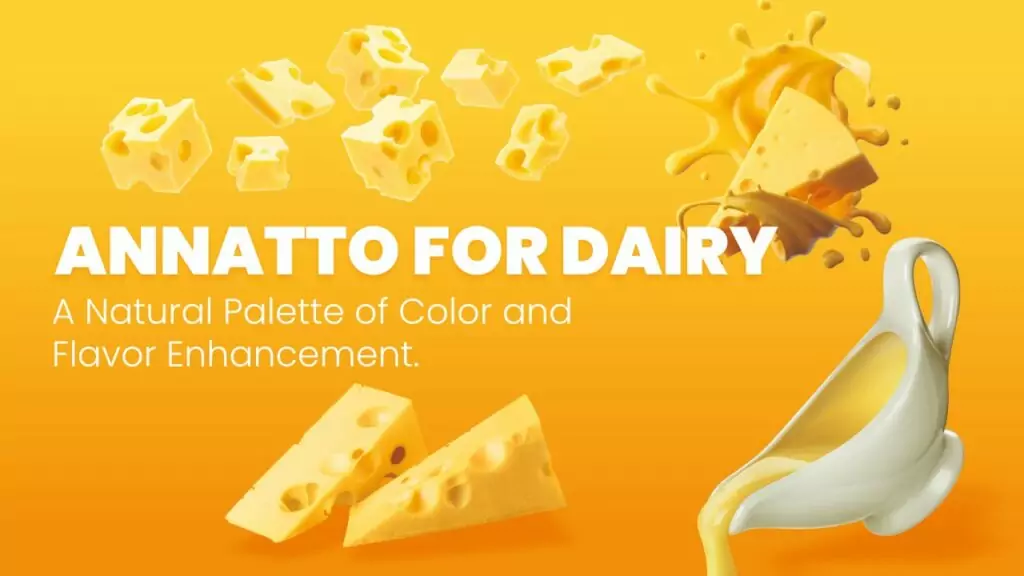
Annatto (Complete Guide): Natural Food Color, Uses & Benefits
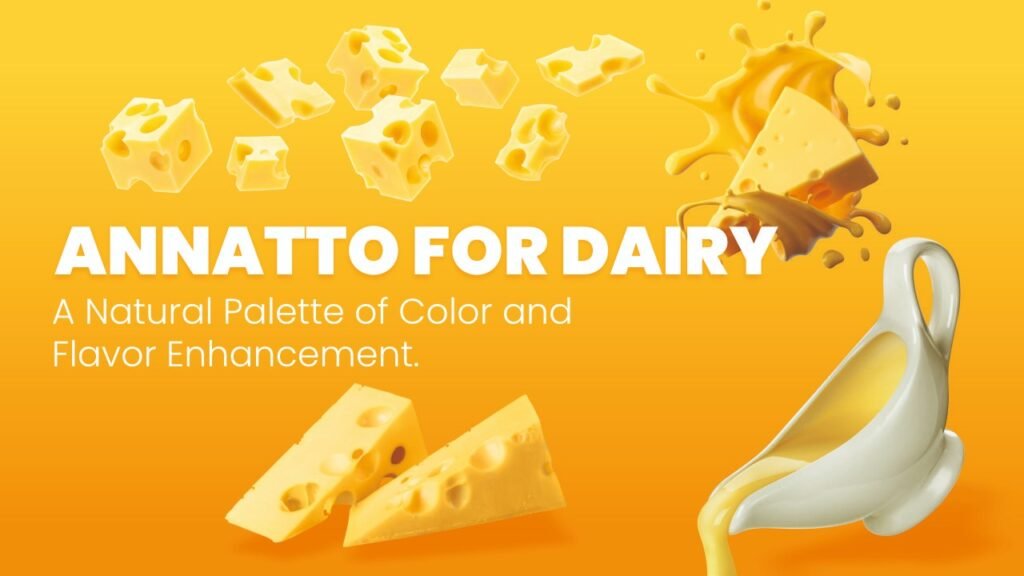
Annatto (Complete Guide): Natural Food Color, Uses & Benefits

What is Annatto Natural Food Color?

Annatto is a Natural food color obtained from outer layer of seeds of tropical tree Bixa Orellana. It is an orange-red condiment usually used to impart yellow or orange color with aroma to food industries like bakery, dairy, savory, beverages, spices, pharmaceuticals, nutraceuticals and more.

Origin and Health Benefits of Annatto

The origin of annatto is in the tropical regions from Mexico to Brazil. With its culinary usage it is also used in cosmetics to treat various skin problems. Due to its extraordinary antioxidant, anticancer, antimicrobial properties and also helps in curing eye and heart related problems. Availability of this color is in variety of concentrations as needed and in both liquid and powdered form, both in oil and water soluble. With all its rich characteristics and properties it is considered as the liable food additive in the natural food color segment.

Go Healthy …Go Natural…!!

Annatto Natural Food Color: A Vibrant Ally for Flavorful Dairy Products

Role of Annatto in Dairy Products

In the domain of dairy products, where aesthetics and flavour must be perfectly balanced, annatto shines out as an environmentally friendly and receptive ally. This annatto natural food color imparts exceptional colouring while gradually enhancing flavour. Derived from the seeds of the Bixa Orellana tree, annatto possesses a rich cultural heritage and is gaining popularity as a key ingredient in the dairy business. Annatto’s capacity to rejuvenate the appearance and compliment the flavours of dairy products has helped propel it into the limelight, establishing it as a vital tool for dairy developers striving for innovative goods that please the visual cortex and the taste buds.

Enhancing Visual Appeal with Natural Beauty: Annatto for Butter, Cheese, Yogurt, and More

Annatto’s main selling point is its ability to add a dulcet and inviting color to an assortment of dairy treats. This annatto food color for dairy products, including butter, cheeses, yogurts, and creams, incorporates a natural and elegant touch. The warm, orange-red tones generated by annatto elevate these products’ visual attractiveness and make up for a more engaging sensory experience for customers. For instance, using annatto butter food color in India can transform ordinary butter into a more visually appealing spread.

Beyond Color: A Subtle Flavor Boost for Bakery Products, Snacks, and Desserts

Apart from the coloration function, annatto adds a rather indistinct special note to various dairy foods and goods. It is not very dominating, but its presence brings a certain depth to the flavour which can be intrinsic to dairy. The combination of natural color and slight flavoring is more effective compared to the outcome of the individual components and, therefore, makes annatto beneficial to the dairy formulation. This subtle touch can also enhance bakery products, snacks, and desserts.

Applications Across the Dairy Spectrum: Natural Annatto Food Color for Butter in India, etc.

Use in Butter and Cheese

Annatto is a preferred ingredient for butter and cheese makers. In butter, it enriches the color and makes it look quite attractive, turning ordinary butter into a nice spread. This is achievable with annatto food color for butter in India. Likewise in cheese, annatto finds its application to help achieve different degrees of color, starting with a slight yellow hue up to a rich orange color making such dairy products more marketable. While Annatto’s purpose in cheese is purely cosmetic, its application is additionally a result of tradition and culture linked to particular kinds of cheese.

Use in Yogurts, Creams, and Desserts

Non-conditioning agents such as yogurts and creams, having creamy white palleted color can use annatto to create variations in colors. As a contribution of soft golden color to foods such as vanilla-flavoured yoghurt and whipped cream and as an enhancement of dairy yellow color, annatto enables dairy producers set their production to appeal to different consumer preferences. This can be achieved with annatto food color for desserts in India and natural annatto food color for sauces in India.

Aligning with Modern Food Trends: Annatto Nor Bixin Natural Food Color

Annatto matches current market trends which are focused on the natural, plant-derived and attractive appearance of food products and preparation. With consumers being increasingly concerned about the origin and components of food they consume, annatto places dairy products in a central place, meeting new trends. An even more preferred option is Annatto Nor Bixin natural food color, a water-soluble form of annatto that offers similar benefits.

Annatto: A Natural Choice for Vibrant Dairy Products: Annatto Natural Food Color Supplier in India

Annatto is all about adding colors and a twist of taste to a variety of dairy products that are found in the world. From smooth buttery spread spreading across bread to gourmet cheese makers to creamy yoghurt, annatto not only meets the visual appeal but also has the added benefit of being a natural colourant that is currently trending in the modern food industry. As dairy farming advances, the taking place of annatto makes it a valuable medium that enhances the sight and taste of dairy foods.

Vinayak Ingredients: Your Partner in Natural Food Coloring Solutions

Vinayak Ingredients is a leading annatto natural food color supplier and manufacturer in India, offering a range of natural food colorings like caramel, beet, beta carotene, etc., for some of the prominent food industries. Vinayak’s meticulous manufacturing will make sure that the natural color will be shelf-stable, retaining all the flavours and nutrition profiles of the fresh ones. Using Vinayak’s annatto natural food color for butter, bakery products, snacks, desserts, chocolates, sauces, and more in your products will produce.
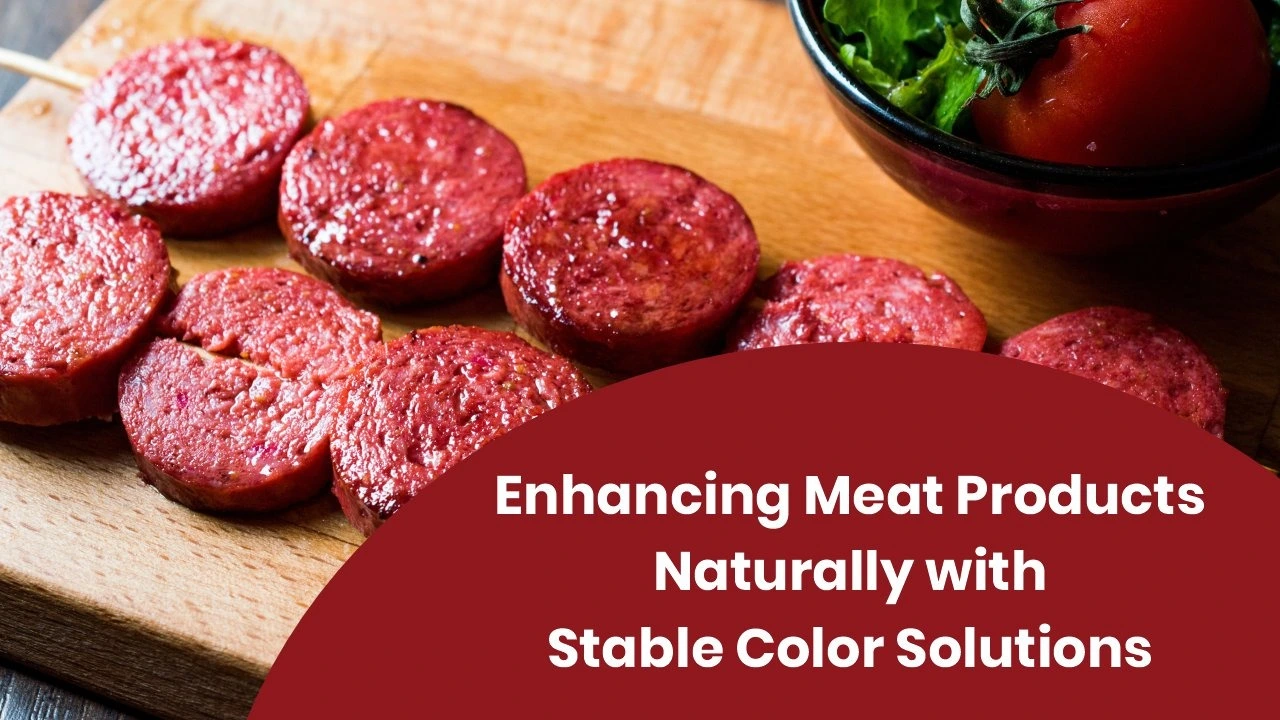
Enhancing Meat Products Naturally with Stable Colour Solutions

Enhancing Meat Products Naturally with
Stable Colour Solutions

The global meat and protein industry is rapidly changing due to increasing demand for convenience foods, sophisticated technologies in manufacturing, and an expansion of plant-based and blended meat formats. In all of these categories of product, one single quality attribute impacts consumer perception and successful product acceptance: color. 

For the manufacturers, effective achievement of stable, even, and regulation-compliant color is not just an appearance feature, it is a functional requirement which impacts the shelf life, and market acceptance. This article will outline the key challenges behind color stability, present the option of natural color ingredients available today, and describe the innovations shaping the future of meat coloration.

The Importance of Colour in Meat and Processed Products

Color is one of the most powerful quality indicators in processed meat products. Particular appearance signals for sausages, patties, deli slices, cured meats, and ready-to-eat items provide information on freshness, flavor profile, and production consistency. In the light of rising consumption of processed meats globally, visual uniformity has become one of the key differentiators for brands. Rapidly developing plant-based and blended meats introduced new formulation challenges because these products need to replicate the color profile of traditional meat both in the raw state and after cooking. The predictable and stable coloration became an intrinsic part of product development in this growing market.

Natural Color Ingredients for Meat Applications

Natural color ingredients have useful applications in processed meat products in jurisdictions where their use is permitted. The most used natural pigments are paprika oleoresin, annatto, carmine, beet extracts, and curcumin. These natural pigments offer a spectrum of red, orange, and yellow shades for cooked, cured, and plant-based products. Each ingredient has its own strengths concerning solubility, heat stability, and resistance to oxidation. Enhanced emulsified and encapsulated forms ensure greater uniformity in pigment dispersion and protection of the color during cooking and storage.

Functional Benefits of Using Natural Color Solutions

Natural color solutions for processed meats enable excellent functional performance. Their heat stability secures the desired shade in grilling, roasting, frying, and retorting. Their formulation supports shelf life and allows the product to present its intended appearance throughout the distribution chain. The encapsulated pigments minimize migration in high-fat applications and improve color homogeneity. Batch-to-batch consistency is yet another important advantage, as this helps the processor to minimize rework, facilitate operational throughput, and meet customer specifications more effectively.

Application Areas in Fresh, Processed, and Plant-Based Meats

Although regulations restrict the use of added colors to a few fresh meat categories, natural pigments have broad applications to the processed and cooked segments. Some of the categories that require color consistency from raw mix through the final cooked presentations include sausages, patties, deli meats, cured items, and ready-to-eat products. Plant-based or blended meats also require color systems that simulate, for example, the raw-to-cooked appearance of traditional meats. Natural pigments developed for high shear processes such as extrusion enable the creation of authentic pink, red, and brown shades that remain true-to-color through cooking and storage.

Stability and Performance During Cooking and Storage

Technological advancements in color extraction, including process like encapsulation, enhance oxidative protection and support color retention during refrigerated or frozen storage. Improved light stability maintains vibrancy under retail display lighting conditions. Controlled pigment migration assures uniform coloration in high-moisture and high-fat meat products. It is these performance attributes that are fundamental to those companies distributing products throughout long supply chains or varied climatic conditions. Vinayak’s Ecocol offers heat stable color solutions for meat products. 

Future of Natural Color Innovation in the Meat Industry of Natural Color 

Innovation within the Meat Industry Innovation in natural color technology is accelerating, with next-generation pigments in development offering even higher heat tolerance and stronger oxidative resistance, with improved performance in high shear applications like extrusion. And encapsulation technologies will move forward to ensure that pigments remain stable even in the most demanding production environments. Plant-based and blended meats continue to drive demand for pigments which can simulate traditional meat color transitions. Sustainability, traceability, and secure global sourcing are other important shapers of color ingredient development in the future. 

Conclusion

The processed meat industry is in an evolving state in need of color systems that are stable, reliable, and compliant. In general, natural color solutions perform well in processed, cooked, and plant-based formats where their use is allowed. Well-engineered natural pigments offer better production consistency, stronger market positioning, and better readiness for future regulatory requirements when adopted by manufacturers. Having color stability is more than a purely aesthetic benefit in an industry where appearance determines consumer acceptance. It is a strategic and operational priority.

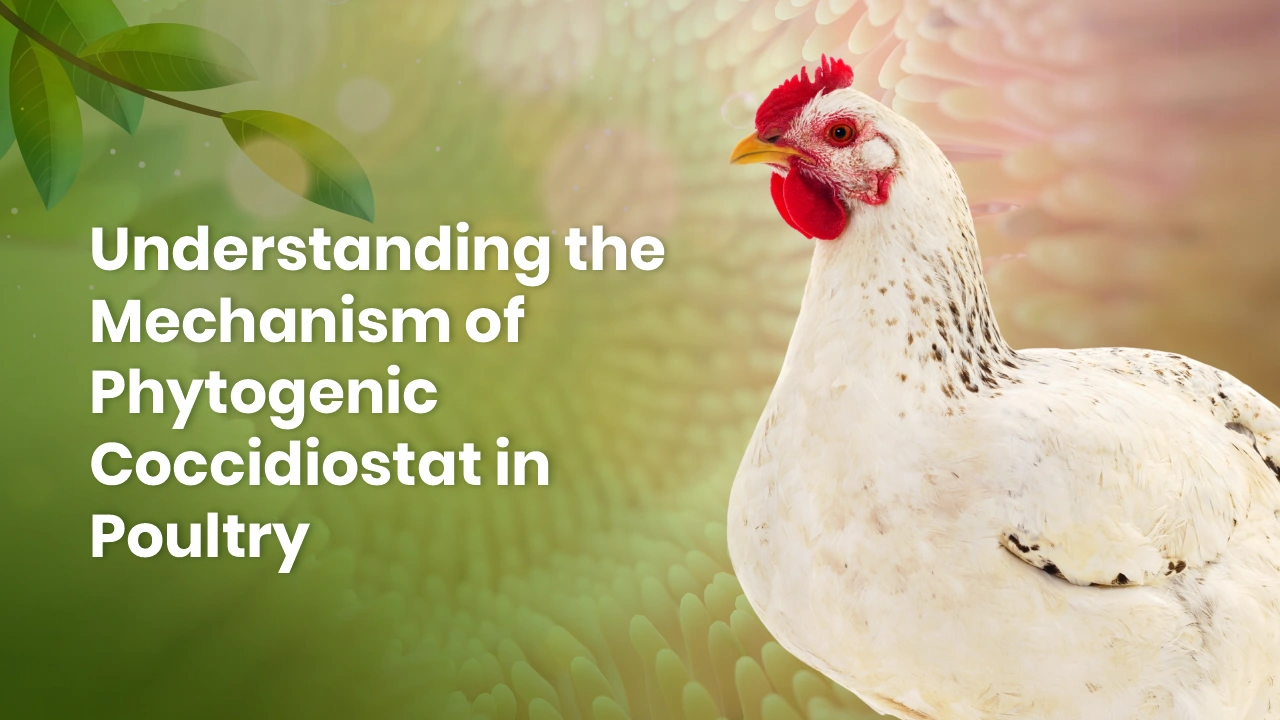
Understanding the Mechanism of Phytogenic Coccidiostat in Poultry

a white chicken with red comb

Coccidiosis is among the most important parasitic diseases in poultry, leading to intestinal damage, reduction of feeding efficiency, and heavy economic loss. This disease is generally characterized by protozoan parasites belonging to the genus Eimeria that infect the intestinal lining of poultry. It results in infections that cause damage to the intestinal epithelium, impairing nutrient uptake and weakening the immune system, while predisposing birds to secondary infections. This infection impairs growth and feed conversion, leading to increased mortality and higher production costs. Besides impairing growth and feed conversion, it results in increased mortality and higher production costs.

The disease has traditionally been controlled using synthetic coccidiostats; however, the development of resistance by Eimeria species and concerns over residues in poultry products have driven the interest toward finding natural, safe alternatives that are also compatible with organic farming. Thus, phytogenic solutions for coccidiosis have been increasingly sought after in antibiotic-free and residue-free poultry production.

Modes of Action of Phytogenic Coccidiostat:

Inhibition of oocyst sporulation

Many phytochemicals (e.g., tannins, flavonoids, and phenolic acids) are responsible for reducing oocyst sporulation or viability. This mechanism disrupts the lifecycle of the parasite and inhibits its multiplication.

Inhibition of sporozoite or merozoite invasion or replication

Some bioactive compounds may interfere with parasite invasion of epithelial cells. They act by binding to sterols in parasite membranes, thereby disrupting membrane integrity. Some phytogenic products have shown reduced oocyst shedding and lower lesion scores, suggesting interference with parasite replication or lifecycle progression in vivo.

Disruption of parasite cell membranes and metabolic pathways

Phytochemicals that bind to cholesterol/sterol molecules in parasite cell membranes cause leakage or lysis of the pathogenic cell. Some phytogenic compounds may also interfere with mitochondrial function and cell proliferation in the parasite, thereby inducing apoptotic-like death of infected cells. Additionally, the generation of reactive oxygen species (ROS) by phytochemicals may damage the parasite via oxidative stress.

Biococcin: Natural coccidiosis control in poultry

BIOCOCCIN

BIOCOCCIN is a phytochemical mixture derived from various ethnoveterinary herbs, which has a diverse mechanism of action against multiple species of Eimeria. It provides a long-term benefit. The active constituents in BIOCOCCIN suppress the developmental stages in the lifecycle of Eimeria and help control coccidiosis. It is a sustainable solution, providing poultry farmers with a safe, efficient, and environmentally conscious alternative.

Mode of Action:

Benefits of Biococcin 

  • Reduces the number of coccidia and keeps the infection in check till immunity is established
  • Reduces oocyst shedding
  • Decreases intestinal inflammation 
  • Enhances immunity and antioxidant status
  • Improves recovery rate in poultry
  • Reduces mortality rate in poultry

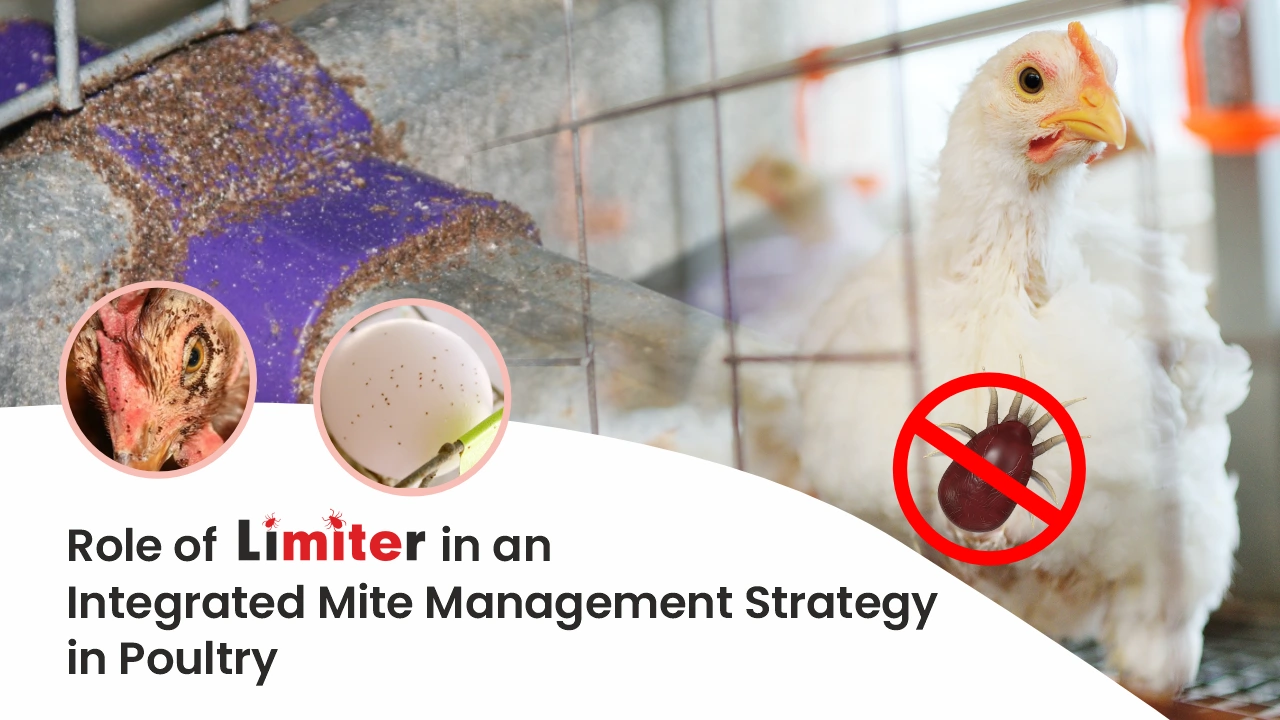
Role of Limiter in an Integrated Mite Management Strategy in Poultry

a close up of a chicken

Red mite (Dermanyssus gallinae) infestations are one of the most recurring and expensive issues in poultry production. The small parasite crawls about and feeds on birds’ blood, causing severe irritation, stress, and lowered egg production. They are particularly resilient. In poultry farming, red mites will live inside bark cracks of trees, waiting for long periods of time between feeds. In laying hens, long-term infestations can result in anemia, compromised immune function, and even mortality when infestations are extreme. The red mite life cycle develops quickly—from egg to adult in just a few days under ideal conditions. This makes continuous infestation cycles difficult to break using traditional means, highlighting the need for effective red mite control in poultry.

Poultry Red Mite Life Cycle:

a chicken with many bugs and seeds

Integrated Pest Management (IPM) is a widely used sustainable poultry farming method for controlling pest species in horticulture and offers a potential long-term solution for the effective and natural red mite control in poultry. The following are the steps involved in integrated pest management for poultry:

Monitoring & Early Detection

Check the poultry shed carefully at least weekly, including usual red mite hideaways: under perches, inside nest boxes, in crevices or in joints, under slats, and on or around conveyor belts. Utilize corrugated cardboard mite traps or sticky traps, or perform frequent inspections with a bright flashlight during night hours when mites are more active. Effective monitoring is key to poultry mite prevention.

Biosecurity & Prevention

Practicing good biosecurity is key to preventing the introduction and transmission of red mite infestations. Seal cracks, crevices, and joints in poultry farms to minimize areas where mites can settle and reduce hiding places. Avoid mite introduction from contaminated equipment, crates, and clothing by adopting cleaning protocols and issuing protective equipment. Prevent wild birds by closing entry points, removing nests, and maintaining clean feed areas to minimize cross-contamination risk. Such preventive measures contribute significantly to sustainable poultry farming.

Cleaning & Disinfection

Begin by thoroughly clearing out manure, litter, feathers, dust, and debris from the shed. Be sure to clean, especially the perches, slats, nest boxes, and all joint areas of the structure—these are popular mite locations. Remember equipment like feeders, crates, and conveyors that also provide shelter for mites. Spray an approved insecticide, acaricide, or disinfectant, using a rotation of active ingredients to prevent resistance. Structural joints, corners, and crevices should be given particular attention. Combining cleaning with natural red mite treatment options can help enhance long-term control.

Conventional Treatment

In poultry farming, the primary approach for treating and managing mite infestations has long been the use of chemical acaricides. However, their continuous use has led to the emergence of mite resistance, limiting their effectiveness. Additionally, the use of these chemicals has concerns about chemical residues in food and adverse environmental effects.

Therefore, farmers are increasingly seeking safe and effective natural alternatives with high efficacy and species selectivity to replace traditional chemical acaricides.

LIMITER: A Natural Solution for Poultry Red Mite Management

Limiter is a natural red mite management supplement for poultry. It provides effective red mite control in poultry. Using a unique combination of plant-derived components, Limiter targets blood-sucking stages of mites with a three-way mode of action that helps in breaking the red mite life cycle naturally:

  • Gustatory Avoidance
  • Olfactory Repellence
  • Contact Toxicity

Mechanism of Action of LIMITER

The essential oil in the Limiter acts via a dual neurotoxic mechanism: first, by competitive inhibition at postsynaptic acetylcholine receptors, preventing normal acetylcholine binding, and second, by inactivating acetylcholinesterase, the enzyme responsible for breaking down acetylcholine. This dual action results in persistent stimulation of muscle cells. The resulting hyperstimulation eventually leads to muscle fatigue, paralysis, and death in red mites.

“Say Goodbye to Poultry Red Mites with Limiter!”

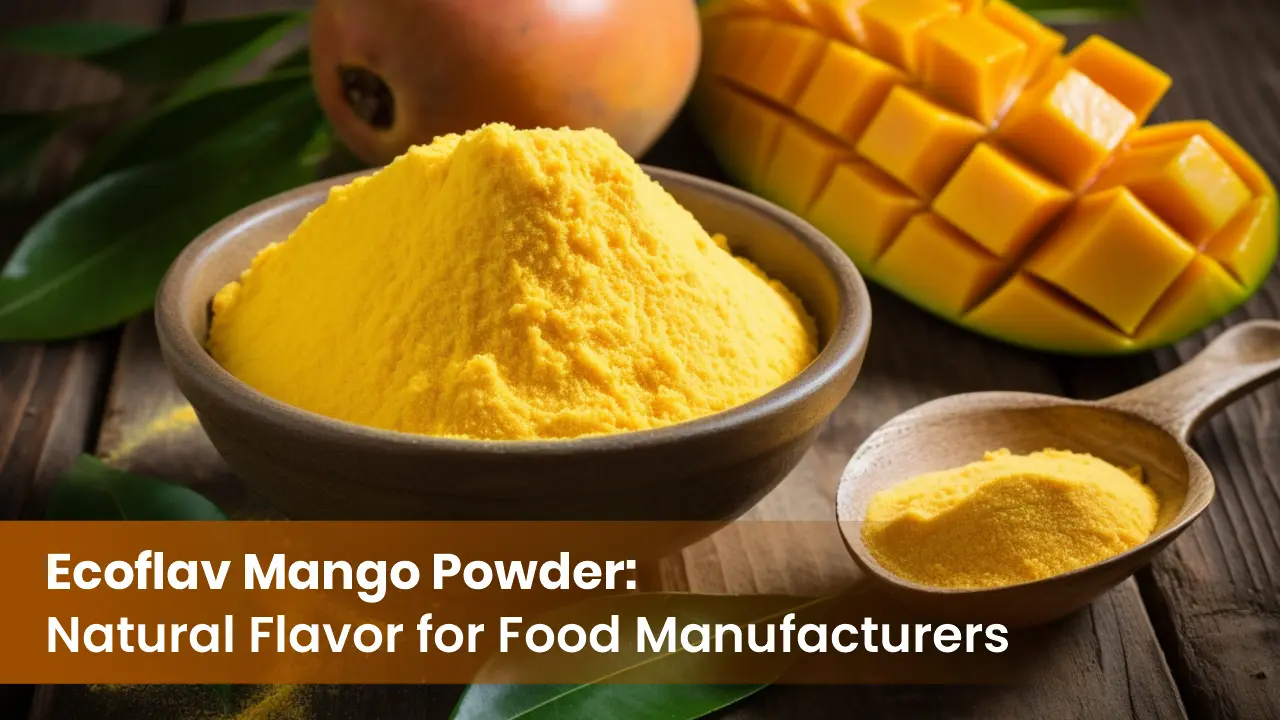
Ecoflav Mango Powder: Natural Flavor for Food Manufacturers

Ecoflav Mango Powder: Natural Flavor for Food Manufacturers

Mango is one of the most popular flavors in the global food and beverage landscape. It’s a familiar one that instantly clicks with shoppers, no matter which they choose, revitalizing beverages, rich desserts, or innovative forms of nutrition. However, with fresh mango comes operational challenges such as limited shelf life, storage sensitivity, and variable crop conditions. Ecoflav Mango Powder was formulated to leapfrog these issues, enabling food manufacturers to offer true mango flavor with consistency and control.

The Demand for Natural Fruit Ingredients in Food Processing

As consumers demand authentic fruit taste, product formulators must find ways to keep that flavor intact during manufacturing and longer supply chains. Spray-dried fruit powders have emerged as an effective answer because they capture sensory impact while allowing for longer storage and cost-effective handling. With Ecoflav Mango Powder, manufacturers can maintain flavour integrity in applications where fresh fruit forms raise challenges.

What Makes Ecoflav Mango Powder Unique

Ecoflav Mango Powder starts with ripe, great-tasting, high-quality mangoes that undergo a controlled spray-drying process to preserve their unique aroma, sweetness, and deep color. Each production batch is tested to ensure performance does not change in different applications and processing conditions. Formulators get a consistent ingredient that performs predictably at scaling up from pilot production to commercial manufacturing.

Key Functional Benefits for Manufacturers

Manufacturers need ingredients that support efficient processing. Ecoflav Mango Powder dissolves reliably, minimizes wastage, and eliminates the need for cold chain logistics. It ensures flavor delivery uniform batch to batch, making production planning easier and allowing teams to reduce variables. Over time, these plant operations benefits translate into substantial quality and time-to-market improvements.

Versatile Applications Across Food Categories

Ecoflav Mango Powder performs in a wide range of food and beverage systems, from instant mixes and flavored waters to ice creams, yogurts, confectionery fillings, and fortified snacks. It enables brands to launch regionally pertinent flavors and premium tropical experiences. Its stability opens opportunities to extend to warm geographies and longer channels to market.

Enhancing Flavor, Color, and Shelf Life Naturally

Ecoflav enhances taste and visual appeal even at low usage levels, supporting both sensory consistency and formulation cost control. The dry format protects against spoilage, oxidation, and transport damage. This stability safeguards product quality for brands selling across diverse retail environments until it reaches the consumer.

Let’s Create Better Mango Experiences Together

Explore how Ecoflav Mango Powder can support your next beverage, dairy, confectionery, or nutrition innovation. Share your application challenges, and the Vinayak team will guide you with practical solutions and technical insights tailored to your goals.

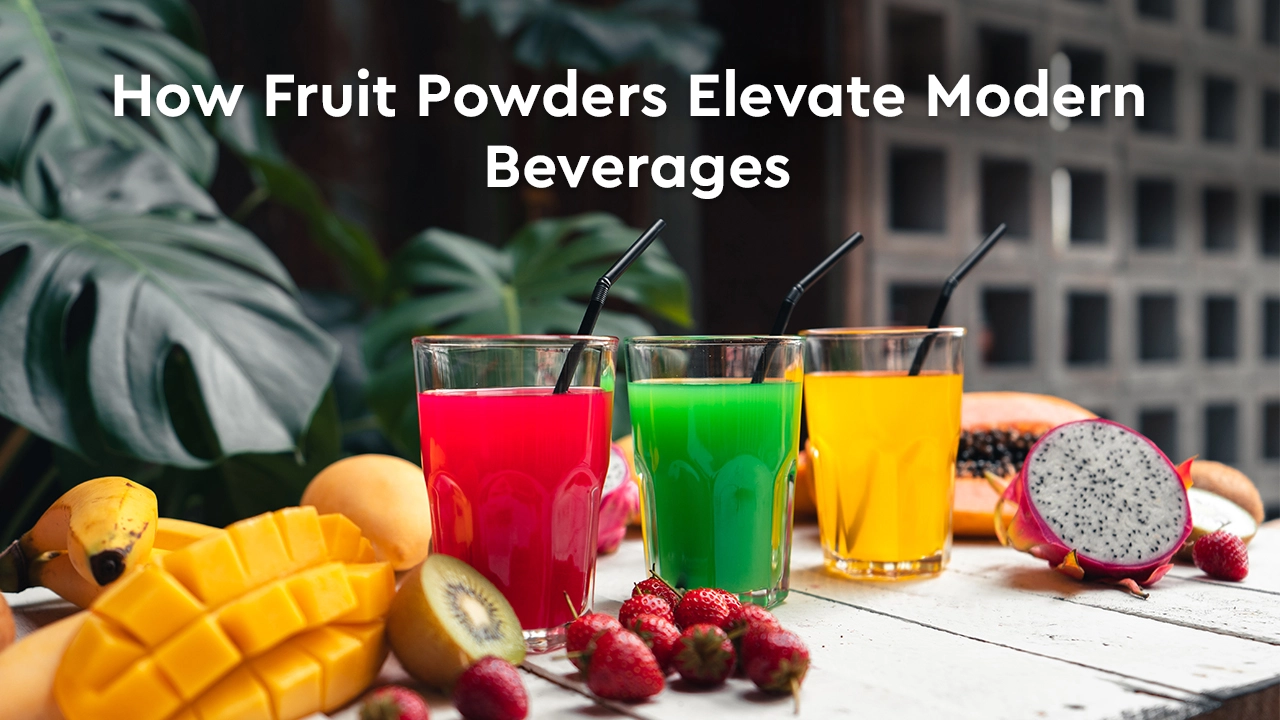
How Fruit Powders Elevate Modern Beverages

How Fruit Powders Elevate Modern Beverages

Image of Natural fruit powders for beverages adding real fruit flavor and color

Introduction to Fruit Powders for Beverages in the Industry

Fruit powders have emerged as the go-to option for beverage producers who desire consistency of formulations, processing effectiveness, and a longer shelf life. Created with advanced spray-drying processes, the fruit powders maintain essential sensory and nutritional features of fresh fruit. It offers excellent handling and storage advantages. In contrast to fruit purees or concentrates, fruit powders remove cold chain requirements and lower transportation expenses. Their flowability, uniform particle size, and flavor profile stability suit them for dry and liquid beverage applications such as instant premixes, energy drinks, RTD beverages, and flavored dairy or plant-based systems.

Enhancing Tropical Flavor Profiles in Beverages

Tropical flavors remain one of the most popular options of beverage innovation, as users worldwide increasingly seek natural, exotic taste profiles. Fruit powders enable manufacturers to deliver these profiles reproducibly over scale production. They contain controlled flavor strength and natural acidity, ensuring batch-to-batch consistency that is difficult to attain through fresh fruit derivatives. Furthermore, fruit powders allow formulators to create region-specific formulations to address local palates without changing the base-beverage matrix. This flexibility allows for faster product development, simplified flavor standardization, and improved operating efficiency among different production locations.

Orange Powder: A Zesty Contribution to Beverage Development

Orange powder provides a harmonious blend of citrus taste, fragrance, and acidity, and is thus a popular ingredient in functional and thirst-quenching beverage forms. From a production perspective, spray-dried orange powder offers very good solubility, low sedimentation, and even dispersion. It also aids in nutritional positioning with naturally derived vitamin C, enabling beverage companies to uphold natural ingredients without the need for artificial flavor boosters or acidulants.

Mango Powder: The Sweet and Exotic Aroma

Mango powder provides intense, sweet tropical flavor and silky mouthfeel that are popular in flavored milks, smoothies, and reconstituted fruit drinks. It provides consistent flavor intensity and coloring stability, with sensory integrity preserved even under extreme heat processing or long-term storage. Its year-round supply obviates seasonality dependence, a general pitfall of fresh mango pulp. Mango powder streamlines blending, minimizes variability, and provides reproducibility from batch to batch for beverage formulators. The result is that it is a strategic ingredient for large-scale beverage companies seeking to pursue tropical appeal with efficient process control.

Berry Powders: Flexible and Taste-Oriented Customization Options

Berries like strawberry, blueberry, and raspberry have a number of functional benefits over flavor enhancement. They provide natural color, nice aroma, and a perfect sweet-acidic taste to dairy and dairy free beverages. With their standardized structure, they provide consistent sensory performance and harmony with other flavor systems. Berry powders are commonly added to nutraceutical and functional beverages because of their antioxidant activity and established link with health and well-being. Their high solubility and fine particle size make them simple to blend in powdered premixes and ready-to-drink lines without any texture or clarity concerns.

Pineapple Powder: The Secret to Revitalizing and Tropical Drinks

Pineapple powder adds a characteristic tangy-sweet tropical character that is commensurate with the sensory expectations of energy and hydration beverages. It offers controlled acidity, allowing for enhanced flavor crispness while promoting balance in multi-fruit combinations. The powder form provides process stability, allowing consistent taste and color over different pH levels and thermal treatments. Its solubility and reconstitution character establish it as a great option for powdered beverage blends and liquid concentrates where uniform flavor dispersion is paramount. For producers, pineapple powder streamlines logistics and minimizes formulation complexity related to fresh fruit inputs.

Guava Powder: Exotic Flavor for Specialty Beverage Markets

Guava powder provides a distinctive sweet-tart taste with aroma intensity that separates it from other tropical fruit flavor choices. It is picking up momentum in niche beverage channels dedicated to exotic and regionally themed flavor varieties. The compatibility of the powder with acidic and neutral beverage systems enables it to be utilized in carbonated beverages, flavored waters, and RTD fruit blends. Its stable sensory properties and uniform flavor load allow for consistent duplication across batches of manufacture, facilitating brand differentiation and innovation in competitive beverage markets.

Balancing and Blending Fruit Powders to Achieve Complex Flavor Profiles

Achieving multi flavored involves strict control over sweetness, acidity, and aroma. Fruit powders facilitate such control through standardized strength of flavor and moisture level, allowing predictable performance during blending. Producers can blend powders to create layered, sophisticated profiles with efficient processability. Fruit powders are less likely to cause instability of flavors and microbial contamination compared to purees or concentrates. Their suitability for blending with many carriers and stabilizers enables easy blending with other functional ingredients like proteins, vitamins, and botanicals. This degree of formulation control facilitates consistent product performance between markets and batches.

Consumer Trends Dictating Demand for Tropical and Custom Flavors

Global drink trends are increasingly moving towards natural, fruit-dominated flavor profiles with lower levels of artificial additive presence. Fruit powders enable producers to respond to these trends successfully by offering scaleable, shelf-stable ingredients that reduce formulation and supply chain complexity. Enhanced interest in customization and geographic flavor trends has also increased the necessity for flexible ingredient systems. Fruit powders allow for brands to react quickly to new market opportunities, introduce seasonal flavors, or produce limited runs without affecting operations Their cost-effectiveness, consistency, and technical flexibility are key benefits to meet today’s requirements of beverage manufacturers in competitive, fast-moving markets.

Conclusion

Fruit powders have evolved as a prime addition in beverage development, providing formulators with the versatility to obtain true flavor, color, and nutritional performance without sacrificing production efficiency. Their compositional stability, solubility, and easy standardization make them suitable for use in beverages in a range of broad categories from functional hydration drinks to dairy and plant-based drinks. Vinayak Corporation has a range of spray-dried fruit powders including Mango, Pineapple, Orange, Guava, and Mixed Berry, which are optimized for beverage use where flavor and process stability delivery is critical. These powders offer producers consistent choices to meet market demand for natural, tropical, and customizable beverage profiles.

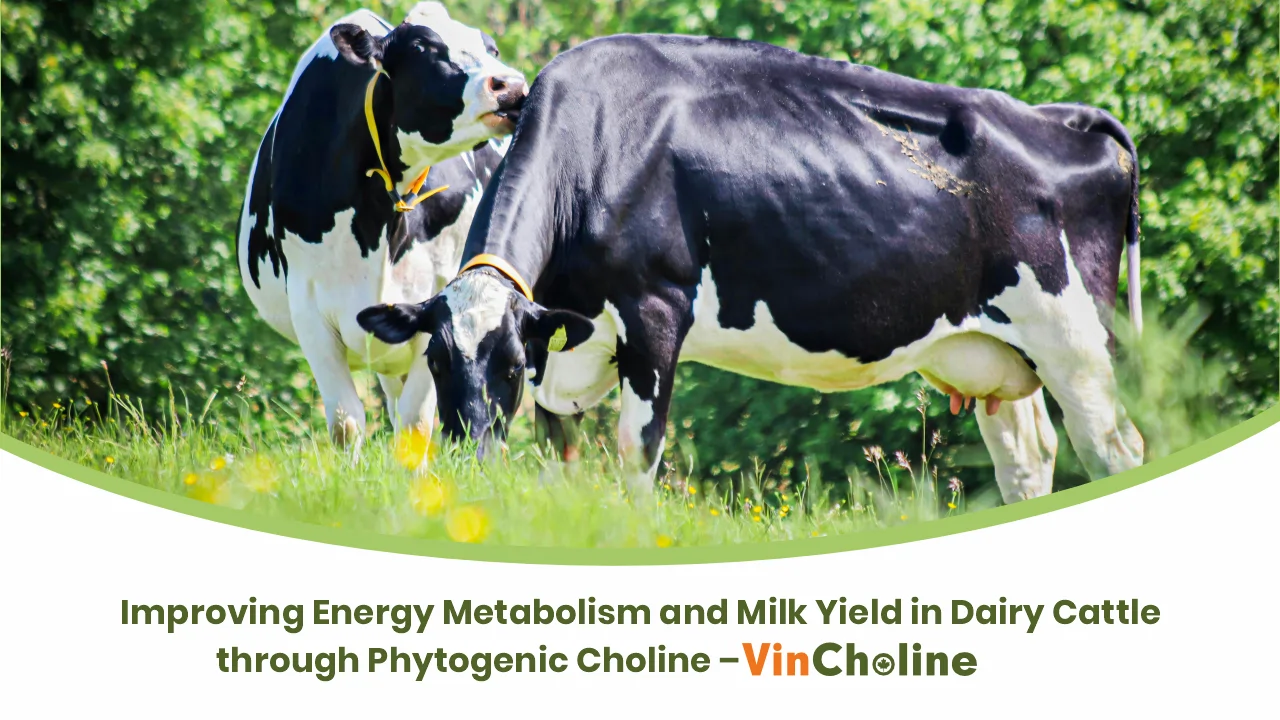
Improving Energy Metabolism and Milk Yield in Dairy Cattle through Phytogenic Choline – Vincholine

In ruminants, choline is an essential nutrient vital for fat metabolism and liver health, especially during the transition period of lactation. It is necessary for the liver to produce very low-density lipoproteins (VLDL), which transport fats out of the liver, preventing their accumulation as triacylglycerols. Without adequate choline, the liver can accumulate excess fat, leading to fatty liver syndrome, and overproduce ketones, leading to ketosis, a costly metabolic disorder. Choline is particularly important during the transition period when cows experience negative energy balance and mobilization of body fats, making them susceptible to metabolic diseases. Adequate choline availability also improves the efficiency of lipid metabolism, which directly impacts milk yield and overall milk production in dairy cows. Supplementation can lead to a reduction in metabolic diseases like fatty liver and ketosis, improving the cow’s overall health and well-being.


Why is Choline Important in Dairy Cattle?

Fat mobilization and liver health

Choline is a methyl donor and part of phosphatidylcholine, required for very low-density lipoprotein (VLDL) assembly and export. This assists in mobilizing non-esterified fatty acids from exiting the liver as triglycerides, reducing the threat of fatty liver and clinical/subclinical ketosis in early lactation.


Transition Period Nutrition

Dairy cows experience stress during the transition period because of the negative energy balance. Consequently, the body fats are mobilized to provide sufficient energy to the body. The body fats must be converted into VLDL in the liver to be utilized as a source of energy by the various tissues of the body. Choline supplementation during this period maximizes VLDL packaging in the liver.


Composition and yield of milk:

Feeding a choline-rich diet to cows at parturition enhances milk yield and occasionally fat and energy-corrected milk, especially in cows facing extreme negative energy balance. Response size is inconsistent and dependent on parity, body condition, and feed.


Reproduction & overall metabolism:

Through its promotion of liver health and methylation potential, choline could assist overall metabolic resistance during the transition period, which can indirectly enhance reproductive performance and health.


Limitations of Using Choline Chloride:

Pure synthetic choline chloride is hygroscopic in nature, which leads to storage instability. It can be metabolized by gut microbes into trimethylamine (TMA), a potentially harmful compound. Phytogenic choline can replace synthetic choline chloride, which varies in how well it protects choline in the rumen and delivers it where needed.


Choline stability in plants:

In plants, choline is a component of complex, lipid-bound molecules, primarily phosphatidylcholine. Since it is not in a free form, a greater proportion of the choline in whole, unprocessed, plant-based solution can bypass the rumen and reach the small intestine, where it can be digested and absorbed.

Vincholine

Vincholine, predominantly in the form of phosphatidylcholine, offers a superior alternative. Besides being phytobiotic, it offers secondary metabolites with different liver health-enhancing properties. Vincholine has intrinsic bioactivities on liver physiology, metabolism, and ensures maximum bioavailability. Phosphatidylcholine bypasses several ATP-dependent conversion steps, reducing energy expenditure and ensuring more effective cellular utilization. By minimizing oxidative losses, avoiding toxic metabolite formation, and improving nutrient efficiency, Vincholine supplementation supports better liver health, reproductive performance, and milk production. It plays a crucial role in dairy cattle, particularly during the transition period (around calving) and lactation.

Benefits

Image of Vincholine benefits for dairy cattle: Enhancing energy metabolism, improving milk yield, and overall health through phytogenic choline supplementation.

  • Increases milk yield
  • Supports milk production and milk fat synthesis
  • Supports fat metabolism
  • Reduces the risk of fatty liver syndrome
  • Reduces metabolic disorders

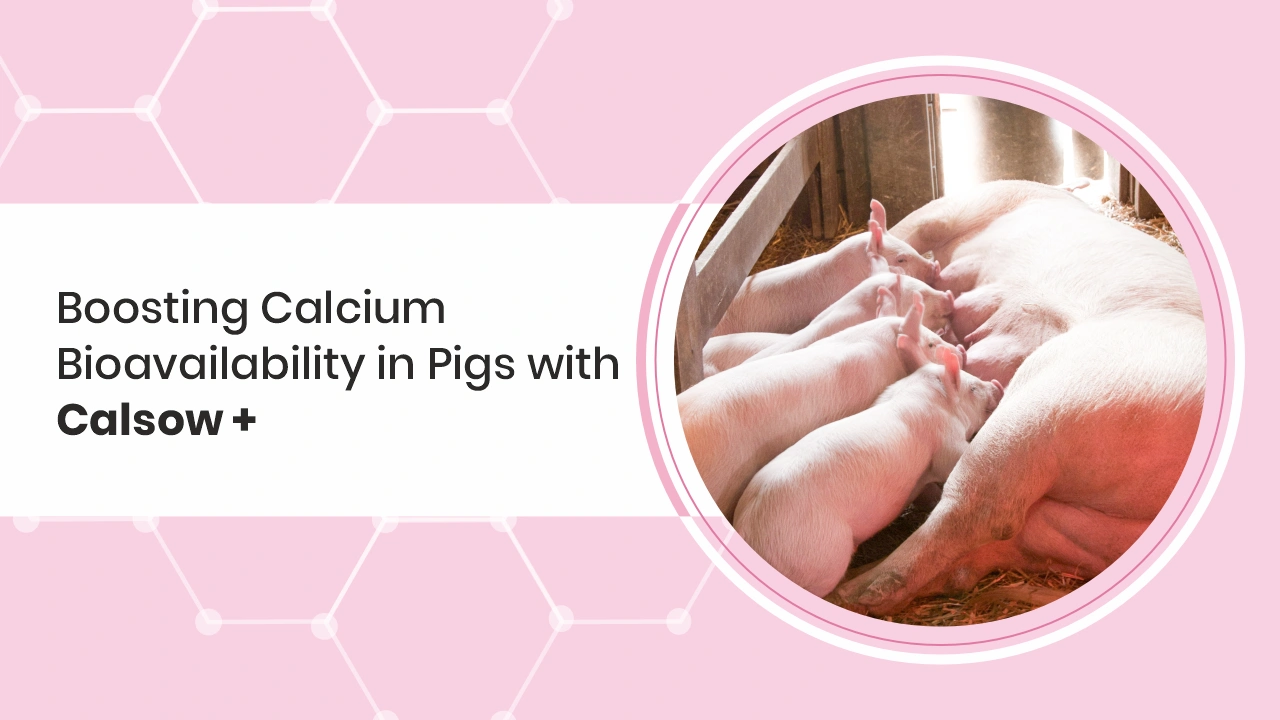
Boosting Calcium Bioavailability in Pigs with Calsow +

Minerals serve a variety of structural and metabolic functions in swine and are found in all body components, including bone, muscle, internal organs, blood, and other tissues and fluids of the body. Calcium is an important nutrient in the swine diet, which is required in large amounts. It aids skeletal development, muscle contraction, nerve function, and metabolic regulation. Most commonly used calcium sources are calcium carbonate and dicalcium phosphate, but their content of digestible calcium is variable, resulting in variable absorption. There has been evidence that alternative natural sources of calcium improve calcium digestibility and utilization. Additionally, research on grower and finisher pigs suggests that having the appropriate Ca/P ratio greatly improves feed intake, growth, and mineral metabolism.

Calcium–Phosphorus Balance:

The Ca:P ratio is critical in swine nutrition. While pigs need both minerals, too much calcium can bind phosphorus in the intestine, lowering its absorption. The ideal calcium (Ca) to phosphorus (P) ratio in swine diets is crucial for growth and bone development, with the optimal ratio generally ranging from 1.1:1 to 1.4:1, and can vary by age and weight class. Studies show that when the Ca:P ratio exceeds 1.5:1, phosphorus digestibility may fall by 15–20%, directly affecting growth and feed efficiency. Optimizing this balance with swine calcium absorption natural source solutions ensures efficient mineral utilization.

The Hidden Dangers of Poor Calcium Absorption

Dysfunctional calcium absorption has adverse effects on pig performance. Deficiency in calcium supply compromises bone formation, hoof durability, and immune and metabolic processes. Impaired calcium-phosphorus balance upsets nutrient absorption and may decrease feed efficiency. New research indicates that adequate calcium levels not only enhance mineral balance but also feed morphology and gene expression of calcium transporters in pigs. In contrast, excessive intake of dietary calcium derived from poor-quality sources can crystallize with fatty acids that inhibit fat absorption. These problems highlight the necessity of having very bioavailable and balanced calcium supplementation.

Why Traditional Calcium Sources Are Falling Short?

Historically, calcium absorptive problems are managed through augmented supplementation from inorganic forms such as limestone or phosphates, vitamin D analogues, or reconstitution of food ratios. These methods, though, have definite disadvantages. Inorganic calcium tends to be more variable in solubility and digestibility, while oversupplementation minimizes phosphorus uptake and leads to waste in the environment. Financial inefficiency and unacceptable long-term sustainability also constrain these methods.

The Rise of Organic Calcium

Organic calcium is bound to organic molecules, which makes it easier for the body to recognize and absorb. Studies have shown that calcium from organic sources like algae and marine minerals shows bioavailability up to 90 to 95%, which is significantly higher than inorganic sources like calcium carbonate. Absorbed calcium goes directly into supporting skeletal development, muscle function, and even metabolic processes, and leaves less waste behind. As more farmers turn towards sustainable and natural solutions, organic calcium stands out as a smart choice that promotes not only animal welfare but also farm profitability.

CALSOW PLUS

CALSOW PLUS is a perfect combination of organic calcium supplements for a quick and long-lasting effect, enhanced with organic sources of calcium, to prevent and treat a decline in milk production in swine. With its high bioavailability, organic calcium meets the needs of pigs across all life stages, supporting growth, skeletal health, and reproductive function more effectively than inorganic options. It also provides the benefits of added glucogenic precursors to prevent energy imbalance during pregnancy and lactation.

BENEFITS:

  • Ensures higher bioavailability
  • Enhances milk production
  • Improves bone development
  • Strengthens the immune system
  • Maintains better growth
  • Improves general health

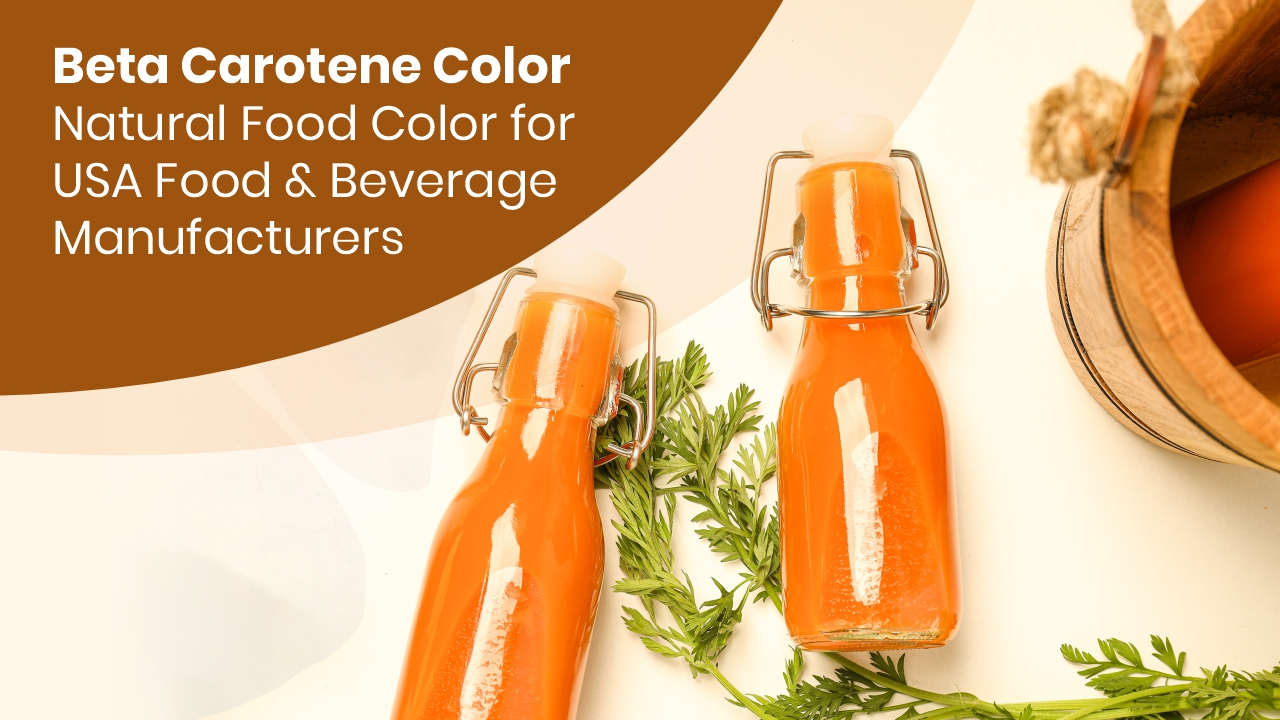
Beta Carotene Color: Natural Food Color for USA Food & Beverage Manufacturers

Beta Carotene Color: Natural Food Color for USA Food & Beverage Manufacturers

Image of Beta Carotene Natural Color in Food & Beverage Products

Introduction: Why Natural Ingredients Are Gaining Preference

The food industry in the United States is transforming rapidly as consumer opinions shift towards foods with natural, recognized ingredients. Growing worries over artificial additives, along with state-level regulations to outlaw petroleum-based dyes, have fueled the momentum towards natural colorants. Here, beta carotene is among the most widely used natural colorants with a balance of good color intensity and nutritional value. Market studies predict steady growth for beta carotene uses along with other food colors/food dyes of natural origin, and the food and beverage industry is the largest market sector.

What is Beta Carotene Color

Beta carotene is a carotenoid pigment naturally occurring in carrots, sweet potatoes, spinach, and other vegetables. Its molecular shape allows it to soak up light at the blue end of the visible spectrum, and for this reason, it imparts deep yellow to orange hues. Apart from its coloring capability, beta carotene is a provitamin A, which functionally distinguishes it from most other food colorings. Commercially, it may be available in a range of delivery forms like water-dispersible powders, oil suspensions, and beadlet encapsulations, in order to enable the manufacturer to formulate its use to fit individual product matrices. This quality has provided it a steady place in product ranges from soft drinks to bakery fillings.

Regulatory Status and Safety in the USA

Beta carotene is a Food and Drug Administration (FDA) approved color additive in the United States. It can be used by manufacturers without FDA permission on a batch-by-batch basis, provided that it meets identity and purity requirements and is applied in compliance with Good Manufacturing Practice (GMP). It is also GRAS (Generally Recognized As Safe), further contributing to its safety profile

Principal Uses in USA Food Production

Beta carotene is valued for its stability to give yellow to orange shades that match consumers’ best perception of natural color. Beta carotene is applied extensively in milk foods, where it gives the characteristic golden color. In liquids, beta carotene imparts an attractive orange color. Bakery and confectionery products also benefit from its warm hues to provide depth to cakes, coatings, and sugar confections. In addition, dietary supplements and nutraceuticals also use beta carotene both for color and vitamin A activity and thereby impart the twin benefits of color and nutrition.

Health Value and Functional Benefit

Unlike artificial colors, beta carotene also imparts physiological functionality in addition to color. It is a precursor to vitamin A. Beta carotene is a free radical quencher as well, neutralizing free radicals that cause oxidative stress and cell damage. The dual value, nutraceutical and functional, has made Beta carotene even more appealing to manufacturers who wish to create their products unique in a health-aware market. Scientific research underscores the fact that food form beta carotene is generally tolerated in most cases, though excessive levels of supplementation regardless of food matrices have been linked to adverse effects in some populations, giving prominence to balanced use.

Case Study: Industry Adaptation

Several leading food manufacturers have reformulated conventional ranges by substituting synthetic colorants with beta carotene to suit customer demand.

For example, beverage companies have introduced fruit drinks and fruit smoothies colored with beta carotene emulsions on color stability grounds as well as a “from nature” positioning. Similarly, bakery companies have turned to beta carotene powders in order to achieve consistent orange shades in icings and fillings, in addition to focusing on the nutritional quality of provitamin A. Industry research confirms that these changes not only improved brand image but also achieved better market acceptance on the part of health-oriented consumers.

Conclusion: The Future of Beta Carotene Color in the USA Food Sector

Beta carotene is well-placed to be a cornerstone in the conversion process to natural food color within the U.S. food and beverage market. Beta carotene is a great alternative for artificial colors by providing an intense vibrant color, granted approval under regulations, and attracting nutritional notice. Further technological advances in encapsulation, and low-cost extraction methods will further improve its stability and open up broader applications. With consistent market demand moving toward functional and natural ingredients, beta carotene stands at the epicenter of product innovation

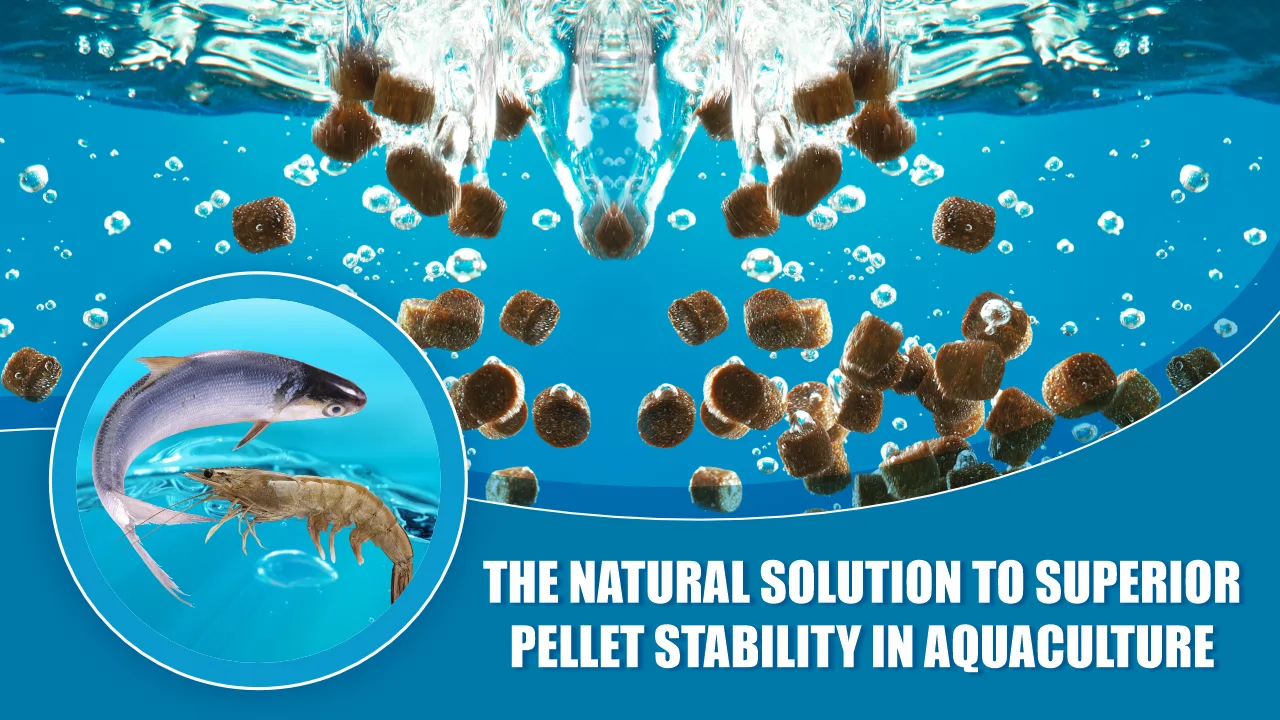
The Natural Solution to Superior Pellet Stability in Aquaculture

Fish farming is continuously increasing to meet the rising global demand for seafood. Feed is the main cost in aquaculture, which represents about 60-70% of total expenses. In aqua feed production, stabilizing feed pellets against nutrient leaching and breakage is important. Physical integrity of the pellets assures that pellets maintain their shape during handling, storage, and transport, and hence reduce nutrient loss and wastage of feed. Low integrity yields fines (small particles) that fish often ignore and can damage water quality. Pellet integrity has a direct effect on fish growth, FCR, and the environment; hence, enhancing pellet quality optimizes feed intake and minimizes waste.

Influence of Pellet Integrity in Aquaculture:

Feed Conversion Ratio (FCR)

FCR is defined as the amount of feed ingested per unit of weight increase in fish. Since fish do not efficiently consume disintegrated feed, more feed is required per unit of weight gain, increasing the FCR and overall feed cost. The quality of pellets and their integrity result in efficient feeding, where fish are able to ingest the feed effectively, thus having a lower FCR. Poor-quality pellets increase wastage and results in higher FCR.

Fish Growth

The physical characteristics of feed pellets, including hardness and water stability, impact directly on fish digestion and nutrient uptake. Pellets which break down too rapidly can leach nutrients out into the water and lower the nutritional content presented to fish. Conversely, well-shaped pellets improve digestion efficiency and lead to improved growth rates.

Pellet Quality

Binders are feed additives that enhance pellet stability. Natural binders, i.e., plant-based products, enhance pellet strength, suppress nutrient leaching, and inhibit fragmentation during handling and storage, which ensures better feed quality and fish growth.

Sustainable Practices 

The inclusion of binder in feed and pellet quality optimization are key in ensuring aquaculture practice sustainability. Achieving high pellet integrity improves not only feed efficiency and fish growth but also reduces environmental effects by lessening feed losses and nutrient runoff.

Limitations of Synthetic Binder:

Traditionally, synthetic binders like Polymethylol Carbamide (PMC) have been widely used to strengthen pellets. Although effective, it exhibits certain drawbacks. PMC is a urea formaldehyde resin that leaves formaldehyde residues during pelleting and digestion. Formaldehyde is known as an irritant and a potential carcinogen. Some studies suggest that PMC shows an adverse effect on the taste or texture of feed, which results in reduced feed intake. However, with growing concerns about sustainability, performance efficiency, and cost-effectiveness, researchers are exploring more and more natural organic binders that can be considered as a viable organic alternative to PMC.

EASYBIND

EASYBIND is an all-purpose, organic binder that is stable at room temperatures which is also compatible with other feed ingredients. Once the feed mix is exposed to moisture and heat in the conditioner, EASYBIND bonds well with other feed ingredients. It enhances pelleting capacity and reduces energy consumption even at a very low inclusion rate. EASYBIND creates uniform pellet quality, resulting in similar pellet hardness and water stability. Fish fed with high-quality pellets absorb nutrients more effectively due to even nutrient distribution and improved digestibility. It offers major benefits to feed operations in terms of cost-effectiveness and nutritional efficiency. EASYBIND is a cost-efficient solution to your pelleting requirements.

Benefits

  • Reduces the occurrence of fines
  • Optimum durability and hardness
  • Improves Pellet consistency
  • Optimum water stability
  • Provides good texture and fewer cracks on pellet
  • Protects essential nutrients