icon-globe
Search Connect with us

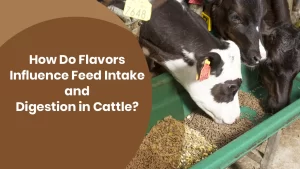
How Do Flavors Influence Feed Intake and Productivity in Cattle?

A visual representation of natural flavors like molasses, vanilla, and green grass improving cattle feed palatability and intake.

Feed intake is one of the most crucial factors affecting animals’ growth, health, and productivity. The choice of animal feed relies on various factors, including past feeding experiences, sensory characteristics, post-ingestive feedback, and physiological conditions. Ruminants like cattle can detect sweet, sour, salty, and bitter flavors, but their Sensitivity levels differ from those of humans. With approximately 25,000 taste buds and 1,186 olfactory gene receptors, cattle are highly responsive to feed taste, making palatability a crucial consideration in feed formulation.

The Importance of Palatability in Feed Formulation

Palatability is determined by the feed’s taste, smell, temperature, and texture. However, palatability cannot be treated simply as feed quality because it depends on experience and the present nutritional condition of the animal. Low feed quality due to seasonal variations, raw material fluctuations, and economic constraints can impact feed acceptance. Additionally, factors such as diet changes, high temperatures, climate variations, and changing feed formulations can reduce palatability and negatively impact animal performance.

Factors affecting the palatability of feed

An infographic showcasing key factors like taste, smell, texture, and nutritional needs that influence cattle feed palatability.

Lower palatability reduces FCR and nutrient intake, eventually impacting farmers’ productivity and profitability. The most efficient and cost-effective way to improve the palatability is by using Flavours in feed.

The Role of Flavors in Feed

Flavors, a non-nutritive palatability enhancer, improves the aroma and taste of feed, stimulating a sensory response that encourages animals to eat. It increases the animal’s appetite, improving feed intake and performance. Reduced feed consumption, especially during stress conditions such as weaning, transportation, or illness, can weaken young calves and lactating cows. Flavors help improve feeding, providing optimal nutrition and performance.

The functional use of flavors in animals’ diets increases a sensory response in animals’ appetite for feed intake. This eventually improves animals’ health, growth, and reproductive performance.

Benefits of adding flavors to feed 

  • Enhances feed intake by improving palatability.
  • Hinders unwanted tastes of vitamins and minerals.
  • Improves diet consistency by providing uniform taste across feed variations.
  • Supports cost-effective feed formulations like agricultural by-products without impacting palatability.

Natural Flavors in Cattle Feed

Natural flavors in cattle feed contain plant-based sources, essential oils, and other naturally present compounds that improve feed palatability and reduce dependency on synthetic flavors. These flavors help stimulate appetite, improve digestion, and feed intake, especially during conditions like weaning or dietary transitions.

A visually appealing image displaying different natural cattle feed flavors like green grass, molasses, and banana, enhancing feed palatability.

Common natural flavors of cattle feed include greengrass, molasses, vanilla, and banana. Molasses and vanilla add sweetness, making feed more appealing, while greengrass and hay flavors mimic the natural grazing experience. These natural flavors make feed more palatable and support better nutrient absorption, helping cattle get optimal health and productivity.


*References on request*

Enhancing Traditional Desserts with Natural Ingredients

Natural Ingredients for Mithai: Honouring Tradition with Taste

Mithai are not merely a dessert; they are a celebration of tradition, remembrance, and the bliss of sharing. From the richness of Shrikhand and Amrakhand to the syrupy sweetness of Gulab Jamun, mithais embody the spirit of the festive season. Vinayak Ingredients celebrates these traditional sweets by using natural ingredients for desserts and sweets that are respectful to heritage and health.

Vinayak Ingredients provides natural ingredients for desserts and sweets, offering fruit powders, natural colors, and sweeteners for traditional mithai.

Shrikhand and Amrakhand: A Creamy Delight

Shrikhand, made from silky strained yogurt, is a testament to the beauty of simplicity. Add a touch of mango to create Amrakhand, and you’ve got a mithai that sings of summer. Here’s how our ingredients can make them even better:

● Mango Powder: Capturing the sun-kissed sweetness of ripe mangoes, our spray-dried mango powder ensures that everyspoonful bursts with authentic flavor.

● Date Powder for Desserts: For a more wholesome indulgence, swap refined sugar with our naturally sweet date powder for desserts. It adds a caramel-like richness without the guilt.

● Honey Glaze Powder for Sweets and Desserts: A dash of our honey glaze powder for sweets and desserts adds a gentle and natural sweetness that complements the yogurt’s tang.

In Shrikhand, natural ingredients can elevate both flavor and appearance while maintaining product authenticity. For a vibrant berry-flavored Shrikhand, options like fruit powder for Shrikhand from blueberry, strawberry, raspberry, and blackberry add rich, fruity notes. Our strawberry powder for Shrikhand is particularly popular for its bold color and fresh berry flavor. With Vinayak Ingredients’ solutions, manufacturers can create desserts that deliver consistent quality and a memorable sensory experience.

Gulab Jamun: A Syrupy Indulgence

No traditional sweet is ever complete without Gulab Jamun. Soft, golden-brown, and syrup-soaked, they are a festive staple. In Gulab Jamun premixes, achieving the right color, texture, and flavor is crucial. Our caramel color for Gulab Jamun darkens the syrup, imparting a deep, rich, and attractive hue. Additionally, our modified starches for sweets provide a smooth, uniform texture in the dough, preventing crumbliness or hardness. These functional ingredients enhance the overall quality of the premix, ensuring consistent results batch after batch. Manufacturers can ensure that their Gulab Jamuns deliver true indulgence with every bite through Vinayak Ingredients.

Why Natural Ingredients for Desserts and Sweets Matter

While all these options enhance flavor and texture, the real hero is the shift toward natural ingredients for desserts and sweets. Natural ingredients preserve genuine flavors, offer healthier options, and resonate with consumers who prefer transparency in food.

The transition from artificial to natural colors for desserts and sweets has brought significant improvements to the food industry, especially in traditional sweets like mithai. Natural colors, derived from fruits, vegetables, and plant extracts, not only enhance visual appeal but also offer a more transparent ingredient profile. Consumers today are increasingly conscious of what goes into their food, favoring products made with recognizable and trustworthy ingredients. Unlike artificial colors, which often raise health concerns and face regulatory scrutiny, natural colors provide a safer, more sustainable alternative. Additionally, they contribute to brand transparency and align with the growing demand for natural products. For manufacturers, using natural colors for desserts and sweets means offering vibrant, authentic hues in mithai without compromising on consumer trust, making them a preferred choice in modern food formulations.

A Sweet Collaboration

At Vinayak Ingredients, we’re more than just suppliers; we’re collaborators in your culinary journey. Our natural ingredients for desserts and sweets ensure your desserts retain their cherished authenticity while embracing modern preferences. Let’s reimagine tradition together. Visit vinayakcorp.aufy.net/ or reach out at sales@vinayakcorporation.com. After all, the best desserts are the ones that tell a story. Let’s make yours unforgettable

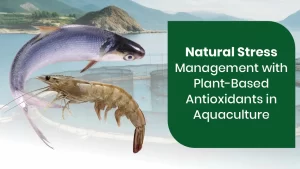
Natural Stress Management with Plant-Based Antioxidants in Aquaculture

Examples of functional feeds and herbal additives for stress management in fish farming Vinayak Ingredients Aquaculture is a rapidly growing industry, but one of the biggest challenges faced by fish farmers is stress in fish. Stress can negatively affect growth, immunity, reproduction, and overall health, which leads to economic losses. Various environmental, physiological, and management factors contribute to stress in fish, including poor water quality due to low oxygen levels, ammonia, and nitrate accumulation, handling and transportation, high stocking density, temperature fluctuations, and disease outbreaks. Stress in fish has significant economic consequences in aquaculture, affecting production efficiency, profitability, and sustainability. The shrimp industry has experienced cumulative losses of around $10 billion since 1990 due to diseases, with stress factors playing a significant role.

Impact of Stress on Fish

The stress response in fish is primarily regulated by the production of two major hormones: corticosteroids (mainly cortisol) and catecholamines (epinephrine and norepinephrine). Primary responses contribute to the secondary stress response, affecting various physiological functions related to fish adaptation. Long-term stress results in a tertiary response that adversely affects the fish’s growth, behavior, swimming ability, feeding, and immunity. Illustration of fish farming with natural stress management solutions by Vinayak Ingredients

Signs of Stress Observed in Fish

  • Sluggishness
  • Lack of feeding activity
  • Slow growth
  • Molting difficulties
  • Hyperactivity
  • Death

Stress Management

If the stressor is chronic, the immune response shows suppressive effects, and hence the chances of an infection may be enhanced in fish. Therefore, immune stimulants, along with feed nutrients and additives that reduce stress, are common commercial fish health management solutions to address disease concerns. Antibiotics, chemotherapeutics, and disinfectants are all commonly used for managing fish infections. However, adverse consequences include the rise of microorganisms resistant to antibiotics, antibiotic residues in fish products, chemical genotoxicity and cytotoxicity, and overall environmental contamination. Thus, there is a need for alternatives for adopting sustainable aquaculture farming.
Functional Feed: Natural Way to Manage Stress
Specialized plant-derived nutrition serves as an alternative strategy designed to limit or reduce the adverse effects of a disease without requiring therapeutic intervention. Many bioactive compounds identified in herbal feed additives, such as terpenoids, polyphenols, isothiocyanates, tannins, saponins, and alkaloids, can all stimulate the immune system. These strategies are known as functional feeds. Functional feeds primarily focus on enhancing and supporting the natural immunological defenses of the animal. This approach boosts the animal’s capacity to manage biological and physiological responses to stressors while strengthening physical barriers between the animal and its environment.

Herbo C AQUA

Vitamin C is an essential component of fish feed, as most fish are not able to synthesize vitamin C due to a lack of enzyme L-gulonolactone oxidase. Still, they can achieve it from external sources. Herbo C AQUA is a plant-derived natural and highly bioavailable form of vitamin C coupled with herbal bioactive compounds with anti-stress, adaptogenic, and immunomodulatory activity. It helps to regulate and alleviate stress, facilitates wound healing, and supports tissue regeneration. Additionally, Herbo C Aqua increases survivability and boosts farm profitability.
How Does It Work?
It works by…
  • Providing natural antioxidant (Vitamin C)
  • Promoting nutrient utilization
  • Maintaining osmoregulation
  • Supporting collagen synthesis and metabolism
Benefits –  Benefits of Herbo C AQUA for stress management, immunity, and growth in aquaculture."

“Sustainable Stress Management in Aquaculture”


*References on Request

Resistant Starch – Chemistry and Nutritional Properties

Resistant Starch: Types, Benefits & Food Industry Applications

The concept of resistant starch (RS) has evoked new interest in the bioavailability of starch and its use as a source of dietary fibre. Resistant starch has received much attention for both its potential health benefit (similar to soluble fibre) and functional properties. Resistant starch positively influences the functioning of the digestive tract, microbial flora, blood cholesterol level, glycaemic index and assists in the control of diabetes. Apart from the potential health benefits of resistant starch, another positive advantage is its lower impact on the sensory properties of food compared with traditional sources of fibre, as whole grains, fruits or bran.

Infographic showing the 5 types of resistant starch (RS1 to RS5) and their health benefits by Vinayak Ingredients.

The five distinct types of resistant starch in foods are:

  1. RS1 – Physically inaccessible starch, which is entrapped within whole or partly milled grains or seeds.
  2. RS2 – Some types of raw starch granules (such as banana and potato) and high-amylose starches like high-amylose corn.
  3. RS3 – Retrograded starch, which can be processed from unmodified starch or result from food processing applications.
  4. RS4 – Chemically modified starches that resist enzymatic digestion, including starch ethers, starch esters, and cross-linked starches.
  5. RS5 – The V-type crystalline structure typically found in starch-lipid complexes. RS5 has stable properties for processing, limiting swelling in starch granules, and influencing the pasting properties of starch.


Understanding these types of resistant starch can help in selecting the right starch for specific food formulations and dietary needs.

RS4, one of the types of resistant starch describes a group of starches that have been chemically modified and include starches which have been etherised, esterified or cross-bonded with chemicals in such a manner as to decrease their digestibility. RS4 may be further subdivided into four subcategories according to their solubility in water and the experimental methods by which they can be analysed. RS4 can be produced by chemical modifications, such as conversion, substitution, or cross-linking, which can prevent its digestion by blocking enzyme access and forming atypical linkages such as alpha (1-4) and alpha (1-6) linkages. RS4 is made up of chemically-modified starches, with many modifications.

RS4 (chemically modified starch) promoted the proliferation of unclassified clostriadiales , Parabacteroides distasonis , Roseburia ,Bifidobacterium, adolescentic and Blautia , and production of proportionate , butyrate , and valerate , whereas starch- lipid complexes (RS5) increased the relative abundance of butyrate-producing bacteria such as Bifidobacterium , Dialister , Roseburia and Megamonas, as well as the production of SCFAs, compared to RS 3 and RS 2.

Resistant starch type 5 (RS5) is highly valued in the food industry for its versatility and functional properties. Its popularity stems from its accessibility, cost-effectiveness, non-toxicity, biodegradability, and ability to selectively release bioactive compounds within the gastrointestinal tract, making it an excellent candidate for targeted nutritional applications.

The formation of resistant starch type 5 (RS5), primarily associated with amylose lipid complexes, is typically attributed to starches with high-amylose content due to their affinity for lipid interactions. Recently, studies have also investigated the potential of amylopectin rich starches to form amylopectin–lipid complexes (ALCs), expanding RS5 sources.

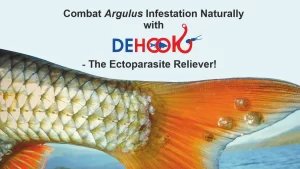
Combat Argulus Infestation Naturally with DEHOOK – The Ectoparasite Reliever!

Illustration of fish affected by Argulus with DEHOOK natural treatment solution

Aquaculture farming is highly prone to diseases, affecting productivity and profitability of the farmer. The major challenge in aquaculture is the parasitic infestations, which can highly impact fish health and farm economics. Among various parasites, Argulus sp., or fish lice, is one of the most concerning challenges for fish farmers worldwide. This ecto-parasite attaches itself to fish, feeding on their blood and bodily fluids, causing Argulosis.

Understanding Argulus Infestation

Argulus is a crustacean ectoparasite, commonly known as the “fish louse.” In fisheries, high infestations can cause a rapid loss of performance and even death. Even moderate infestations can reduce production and distress the fish, impacting the economic viability of fisheries.

Life cycle of Argulus

The reproduction and development of Argulus are dependent on the specific season. Egg-laying usually begins when temperatures exceed room temperature and stops during winter. More population growth is observed in summer than throughout the year. Parasite numbers decline with the winter, although all developmental stages (particularly the egg strings) can survive.

Illustration of the life cycle of Argulus, a fish ectoparasite.

How do Argulus affect the fish?

Argulus can cause considerable damage to fish through their attachment and feeding behavior. They feed on fish by inserting a long spine-like structure called the stylet into the skin, which eventually breaks down tissues through the secretion of enzymes. The repeated damage to the skin, combined with the activity of the serrated parasite mouth, can cause substantial damage and irritation. Argulus infestation on fish skin and gills

Signs of infestation –

Argulus can be found attached to the skin, gills, and mouth of fish during heavy infestations. The symptoms of infestation include
Spot Haemorrhages –
  • Anaemia
  • Fin and Scale loss
Increased Mucus Production –
  • Lethargy
  • Erratic Swimming
  • Reduced Feeding
  • Flashing or Rubbing

Synthetic chemicals such as hydrogen peroxide, formalin, alpha-cypermethrin, deltamethrin, emamectin benzoate, trichlorofon, and diflubenzuron were used against Argulus. But the prolonged use of these chemicals can lead to chemical residues in fish, the development of resistance in parasites, and environmental pollution. Plant-derived phytochemicals offer a natural alternative for controlling Argulosis.

DEHOOK, an ectoparasite reliever, contains a combination of plant-derived bioactive components that have a strong antiparasitic effect. It inhibits Argulus by impacting molting and cell proliferation. DEHOOK also helps to reduce infestation and enhance host immunity, avoiding all the unintended negative impacts on the environment.

Benefits –
  • Effectively manages Argulus infestation
  • Prevents weight loss and mortality
  • Reducing dependency on synthetic chemicals

Combat Argulus infestation naturally without compromising fish health or farm productivity. DEHOOK offers a powerful, plant-derived solution that effectively controls Argulus, boosts fish immunity, and reduces stress.

Fight Argulus and Boost Fish Health with DEHOOK! 

  *References on Request*

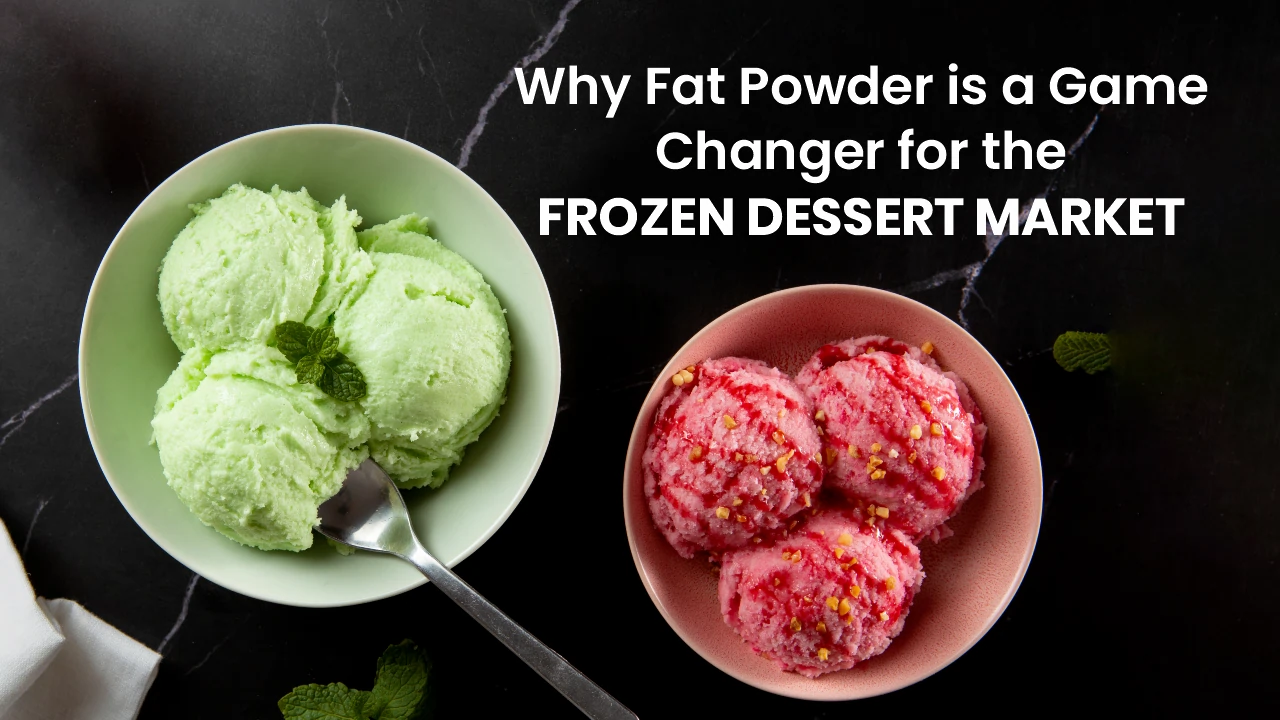
Why Fat Powder Is a Game Changer for Frozen Dessert Market

Why Fat Powder Is a Game-Changer for the Frozen Dessert Market

Fat Powder for Frozen Desserts providing smooth texture, creaminess, and stability in frozen treats

How Fat Powder Delivers Texture and Creaminess

The Perfect Formulation to Frozen Desserts lies in texture, consistency, and creaminess of the product. The right ingredients guarantee that ideal balance is being provided, and that is where fat powders fit into the picture.

A breakthrough ingredient for frozen dessert makers, the fat powder is an affordable, high-performing dairy fat alternative. It adds body and stability to the product and delivers a creamy, smooth mouthfeel with each bite.

Role of Fat Powder for Frozen Desserts

Fats are critical in manufacturing frozen desserts as they add creaminess, texture, and stability. Fats also inhibit the development of ice crystals, leading to a smooth and uniform-textured frozen dessert. Fat powder is an economical substitute for traditional dairy fats and encourages shelf life through total stability.

What is the Best Fat Powder for Frozen Desserts?

The selection of fat powder to be utilized depends on texture and flavour preference:

Vegetable Fat Powder – A lactose-free version that containsa  rich mouthfeel, ideal for vegan and lactose-intolerant consumers.

Coconut Fat Powder – Has natural sweetness and rich texture, ideal for exotic and tropical flavourings.

Which Fat Powder makes the smoothest frozen desserts?

For smooth mouthfeel, frozen desserts require the right type of fat to avoid the development of ice crystals. Fat powders, like vegetable fat powders and coconut fat powders, ensure uniform distribution of fat within the blend, imparting a creamy and smooth mouthfeel.

The industry uses fat powder for various advantages:

  1. Delivers richness & creaminess for improved mouthfeel.
  2. Prevents the development of ice crystals for a smooth texture.
  3. Enhances emulsification for proper blend ingredients.
  4. It facilitates fat level management to suit market requirements & nutritional requirements.


Where to Purchase Fat Powder for Frozen Desserts in Bulk?

A good supplier is key to frozen desserts. Vinayak Ingredients is a prominent supplier of top-class fat powders for multiple uses of frozen desserts. We believe in quality and innovation and provide bespoke fat powder solutions according to the industry’s requirements.

Wrapping Up

Fat powder is one of the most essential ingredients in the manufacturing of frozen desserts, delivering texture, stability, and creaminess. Whether you require a dairy or vegan fat powder, selecting the appropriate one can make all the difference. Collaborate with Vinayak Ingredients for premium fat powders that elevate your frozen desserts to the next level!

Beating the Stress: Natural Herbal Solution for Poultry Health

Vinayak Ingredients’ natural herbal remedy to reduce stress in poultry and improve immunity

A stress-free environment is crucial in poultry production. There are several types, such as cold stress, heat stress, high stocking density, and diseases that can affect birds and cause many unfavourable changes. Stress reduces feed intake and growth, as well as impairs immune response and function, resulting in high susceptibility to disease. These effects are correlated with higher corticosteroid levels along with the induction of excessive production of reactive oxygen species (ROS) and thus oxidative stress. Stress affects the performance, health, and welfare of commercially reared birds and alters their meat and egg quality, thus endangering the sustainability of the poultry industry.

Types of Stress in Poultry:


Heat stress, cold stress, and disease-related stress in poultry by Vinayak Ingredients


Biological Changes in Poultry Due to Stress:

  1. Behavioral changes

Stress leads to reduced feed intake, decreased movement and walking activity, elevation of the wings to enhance heat dissipation, and a significant increase in energy demand as the animal struggles to maintain normal homeostasis in the body.

2. Physiological changes

Different types of stress induce oxidative stress, disrupt acid-base balance, and alter the cecal microbial profile, leading to digestive and metabolic complications.

3. Neuroendocrine changes

Stress disturbs the hormonal balance of birds by increasing the secretion of the stress hormone, i.e., corticosterone. It also reduces the biosynthesis of gonadotrophin-releasing hormone, thereby affecting reproductive function.

4. Production changes

Under stressful conditions, animals experience higher mortality rates, reduced body weight gain, poor meat quality, and a decline in both the quality and quantity of eggs produced.

Dietary Formulation Strategies

Several approaches have been considered to boost bird immunity to overcome stress-associated effects. Of these, dietary supplementation of certain nutrients and management modifications, such as light management, are commonly considered. Following are a few examples of dietary strategies:

  1. Dietary fat
  2. Essential amino acids
  3. Dietary electrolytes


Role of Vitamin C in stress management:

Vitamin C plays a crucial role in boosting immunity, reducing stress, enhancing growth, and improving overall performance in poultry. It is required to maintain normal body metabolic activities to meet physiological requirements. It exhibits antioxidant effects. Generally, vitamin C can be synthesized by poultry, but the synthesis is reduced or the requirements for vitamin C are increased in poultry during times of environmental, nutritional, or pathological stress.

Hence, vitamin C-enriched feed is the most effective alternative to mitigate the negative impacts of stress on poultry.


Are Synthetic Vitamins as Good as Natural:

Comparison of natural and synthetic vitamins for poultry health by Vinayak Ingredients                                                                                                                    Herbo C

Herbo C is a powdered herbal blend of plants with a high vitamin C content. It provides a natural source of vitamin C for birds, which acts as an immunomodulator and stress buster in birds. Herbo C modulates cytokine secretions and histamine release, thereby showing an enhanced first line of defense. It is also a rich source of antioxidants, which help in optimizing the body’s resistance against various infectious diseases and reducing mortality in young chicks. It is a natural anti-stress and apoptogenic for chicks and birds.

Herbo C herbal supplement by Vinayak Ingredients to enhance poultry immunity and reduce stress

“Immunity, Productivity, and Stress Protection—All in One Natural Solution”


*References on request

Top 5 Spray-Dried Powder for Snacks Industry

Top 5 Natural Spray-Dried Ingredients Transforming the Snack Food Industry

Spray-dried powders used in the snacks industry for enhancing flavor and nutrition

The world’s Snack Food Industry has been on the rise, particularly in the last five years, as more consumers, especially the working population, seek quick and easy-to-handle snacks as they go through their busy schedules. However, growing awareness among consumers in the field of health has forced many to pay more attention to labels and focus on snacks made with Natural Ingredients rather than artificial ones.

In response, snack manufacturers have introduced new products and reformulated their snacks with real food ingredients that provide both nutrition and great flavour. They are focusing on natural sources to produce snacks that not only appeal to consumers’ palates but also align with their preference for healthier options. By doing so, they can eliminate items such as artificial colouring and allergens, reducing the risk of health complications and expanding the market for their snack products.

In this blog, let’s discuss the benefits of including the following Spray Dried Ingredients for Snacks in different types of snacks and why they are gaining popularity:

Vinayak Ingredients is a leading provider of spray dried powders for snacks, offering high-quality vegetable and fruit powders that enhance flavour, nutrition, and texture in biscuits, crackers, chips, and extruded snacks. Learn more about our range in the spray dried powders blog.

List of Natural Ingredients for Snacks:

The incorporation of plant-based Snack Ingredients allows the Snack Food Industry to promote the healthfulness of their products. Here’s a closer look at the top five Natural Ingredients used in different snacks that are transforming snack manufacturing:

Spray Dried Vegetable Powders for Biscuits:

Spray Dried powders for Snacks, composed of Natural Ingredients, are now incorporated into biscuit formulations. These spray-dried vegetable blends enhance flavour and may also add essential nutrients, making biscuits a healthier snack option.

Spray Dried Chives for Crackers:

Crackers, known for their crispy texture, get a natural boost with the addition of dried chives powder. These aromatic herbs, often combined with Italian spice flavours, enhance the taste profile of crackers. This natural twist caters to consumers who prefer snacks with herbal flavours and Natural Ingredients.

Dried Parsley for Potato Chips:

The demand for healthier potato chips is increasing, pushing snack manufacturers to incorporate more Natural Ingredients. Dried parsley is one such Natural Ingredient used in potato chips to enhance flavour and appeal to health-conscious consumers. Additional natural seasonings, such as tomato powder, garlic powder, and onion powder, further improve the taste of these snacks while maintaining their natural appeal.

Cheese Powder for Wafers:

Spray-dried cheese for Wafers is a cult favourite snack option. This ingredient adds a rich cheesy flavour while looking for Snack Ingredients. Real cheese powders, such as those made from cheddar cheese, ensure the snack retains its authentic taste while aligning with the demand for fewer artificial additives.

Cheese Powder for Cheese Balls:

Cheese balls, a popular Snack Food Product, can enhance their taste profile by incorporating cheese powder. Specifically, cheddar cheese powder contributes to a richer cheese flavour while aligning with the consumer trend of choosing snacks with fewer preservatives and more Natural Ingredients.

Potato Spray-Dried Powder for Extruded Snacks:

Extruded snacks, such as puffs and other potato-based products, benefit from the use of potato flakes and powder. These spray-dried powders for snacks provide convenience while keeping the snack a healthier option by using spray-dried potato powder.

Wrapping Up:

The inclusion of spray-dried powders for Snacks in the Snack Food Industry is not just a passing trend but a strategic decision aimed at improving product quality, satisfying consumer preferences, and driving sales growth.

Looking for Spray-Dried powders for Snacks? You can order them from us! Whether you need Spray-Dried Chives, Parsley, or Mixed Vegetables in India, we have the right Spray Dried Ingredients for Snacks manufacturing needs.

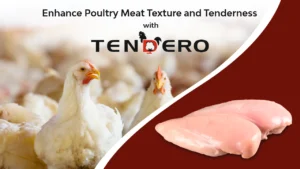
Enhance Poultry Meat Texture and Tenderness with TENDERO!

The growing demand for high-quality poultry meat has led to genetic selection for fast-growing broilers. This enhances body weight and FCR, boosting the profitability and productivity of farmers. However, intensive selection can impact muscle structure and metabolism, leading to muscle myopathies that compromise meat tenderness and texture.

Factors like low oxygen, oxidative stress, and disturbed homeostasis, contribute to muscle myopathies. These conditions lead to inflammation, myodegeneration, fibrosis, and lipidosis. Muscle myopathies not only affect the economic aspect of the poultry industry due to the removal of affected parts but also reduce meat quality, making it tougher and less desirable. Kuttappan et al. (2016) reported that the percentage of broilers with WS or WB was as high as 90%, causing an economic loss of about $200 million to $1 billion per year to the U.S. poultry industry.

Muscle Myopathies That Affect Tenderness

These abnormalities lead to tougher, lower-quality meat:
• White Striping (WS) meat – Characterized by white streaks of fat that interfere with the meat’s natural texture.
• Wooden Breast (WB) – Identified by pale, bulging areas with significant hardness, making the meat stiff and chewy.
• Spaghetti Meat (SM) – Causes muscle fibers to separate, resulting in a mushy, fibrous texture.

Effects of muscle myopathies on meat quality, texture, and appearance in poultry and livestock – Vinayak Ingredients.

Impact of Muscle Myopathies on Meat

• Poor meat texture and undesirable visual appearance.
• Lower sensory qualities affecting consumer preference.
• Reduced protein content and increased fat and moisture levels.
• Higher final pH affecting processing efficiency.

With muscle myopathies reducing meat quality and increasing losses, producers need a reliable solution to maintain profitability and consumer trust. TENDERO is a novel poultry feed additive that improves meat texture and tenderness eventually reducing losses.
TENDERO is a combination of phyto-actives that reduces muscle stiffness, enhances protein balance, and improves meat texture. It is an effective dietary supplement for broiler production systems, providing chicken meat free of abnormalities like woody breast, white striping, and spaghetti meat.

How Does TENDERO Work?

Muscular abnormalities show a common mechanism, often leading to tougher meat with higher fat content and lower protein levels. TENDERO acts as an amino acid optimizer, enhancing protein accretion and composition. It reduces muscle protein degradation, leaving less space for fat accumulation. This results in the improved texture of meat, protein-lipid-water interactions enhancing tenderness, and firmer yet tender meat retaining its nutritional value.

Benefits of Tendero for improving meat quality and texture – Vinayak Ingredients

By using TENDERO, farmers can enhance meat tenderness, making it more appealing to consumers while significantly reducing economic losses.

Better texture, better tenderness, better nutrition—experience the TENDERO difference!


*References on Request*