icon-globe
Search Connect with us

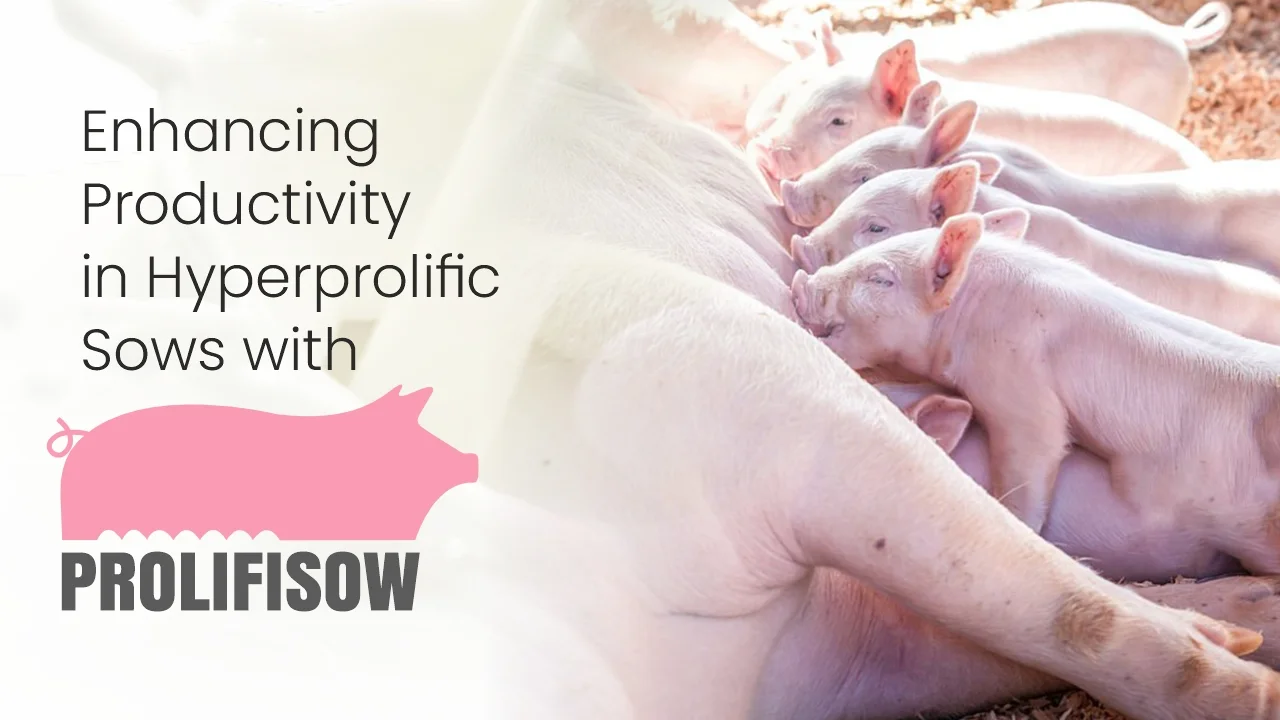
Enhancing Productivity in Hyperprolific Sows with PROLIFISOW

Hyperprolific sows produce more piglets than they have functional teats, with modern sow lines usually having no more than 16. Hence, sows with more than 16 piglets per litter are known as hyperprolific. However, litters of 18–20 or more piglets are increasingly observed in pig production. Though such an increase in sow prolificacy is desirable for breeders, it is worrying because it leads to higher milk production requirements, prolonged parturition, maximum energy requirement during farrowing, and optimum nutrient supply to each foetus. In herds of pigs free from specific diseases, the number of stillborn piglets per litter should not exceed 5–7 % of the total number born. The percentage of stillborn piglets is often much higher among hyperprolific sows, which causes substantial economic losses, premature culling, and deterioration of sow health.

What Hyperprolific Sows Require?

The size and weight of the litter during farrowing and weaning will be influenced by the diet of the sow during lactation and gestation, which will directly affect the health of piglets. Hence, an appropriate nutrient rich diet is important to support nutrient supply to each foetus, farrowing process, and the onset of lactation in sows. Piglets’ growth rate relies considerably on the quantity and quality of the milk production during the pre-weaning period.

It takes many factors such as genetics, nutrition, feeding frequency, environment, body condition, length of lactation, and water intake to maximize milk production in sows. Sows can achieve and maintain high levels of milk production throughout their productive life if given adequate energy and nutrients.

Key benefits of essential nutrients in sows for reproductive health and productivity – Vinayak Ingredients.

PROLIFISOW

PROLIFISOW is a scientifically blended combination of plant-derived bioactive compounds having gluconeogenic precursors, which provides glucose, a source of energy. Galactagogue properties of PROLIFISOW help to induce, maintain, and increase milk production in sows. It has added benefits that improve health, and growth, and increase production efficiency in sows. Dietary supplementation of PROLIFISOW leads to a greater number of weaned piglets per sow.

How does it work?

Gluconeogenic Precursors

  • Gluconeogenic precursors present in PROLIFISOW are important for maintaining blood glucose concentrations, which ensures continuous supply of glucose to energy-dependent tissues. It improves glucose transportation to each foetus of hyperprolific sow through umbilical cord. Also provides energy to the sows during farrowing, which helps reduce the farrowing time.

Galactagogue Properties

  • Plant-derived herbs having galactagogue (lactogenic) activity increases milk production in hyperprolific sows. It also improves protein and fat content in sow colostrum and milk.

Muscle Function and Farrowing Success

  • Maintaining the appropriate levels of nutrients in feed is crucial, as it plays a crucial role in regulating muscle contractility, including the myometrium, for smooth and efficient farrowing. It also reduces the number of stillbirths and shortens farrowing duration, especially in young sows.

Embryo Development and Placental Function

  • It supports embryo implantation and the proper functioning of the placenta, which ensures optimum growth and development of the piglets during gestation.

Benefits

  • Increases milk yield
  • Enhances energy supply
  • Reduces the number of stillbirths
  • Improves milk quality
  • Enhances nutrient digestibility
  • Reduces farrowing time


“With PROLIFISOW, every piglet counts”aculture with Pelletovin’

*References on request*
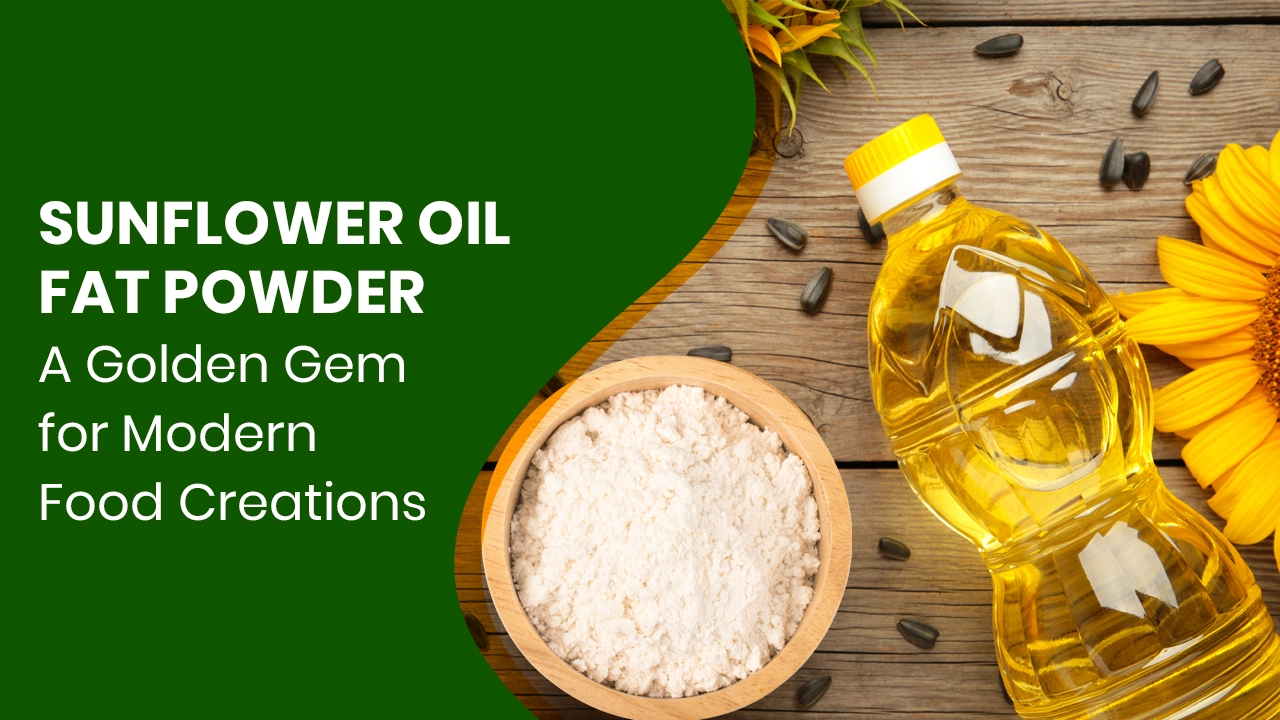
Sunflower Oil Fat Powder: A Golden Gem for Modern Food Creations


Sunflower Oil Fat Powder: A Golden Gem for Modern Food Creations

Innovative fat powders are revolutionising the food and nutraceutical industries, offering stable, versatile, and easy-to-use alternatives to traditional liquid oils. They are known to enhance texture, improve shelf life, and provide consistent flavours; they are the most essential ingredients for creating innovative and functional food products.

Vinayak Ingredients offers a wide range of high-quality fat powders, including Sunflower, Coconut, Soybean and MCT powders, tailored to meet the demands of modern food manufacturing.

In this blog, we’ll explore the exceptional benefits and applications of Sunflower Oil Fat Powder. Are You looking to transform your recipes with creamy textures and healthy fats? Sunflower Fat Powder can just be the secret ingredient that you have been searching for! It’s more than just powder; it’s innovation wrapped in nutrition, designed to improve your food products on to the next level.

What is Sunflower Fat Powder?

Sunflower Fat Powder is a spray-dried product made from pure sunflower oil. It is available in two fat content variants – 50% and 65%, making it a powerhouse of versatility for the food industry. With a neutral flavour, creamy consistency, and exceptional stability, it blends effortlessly into formulations, ensuring your creations are as delightful as they are functional.

Did you know?

Sunflower Fat Powder packs a punch with omega-rich fatty acids. These helps support heart health and boost your body’s vitality!

A Process That Preserves Purity

The magic lies in how this nutritional fat powder is made. Advanced spray-drying technology makes liquid sunflower oil stable in the form of powder, thus locking in its rich nutrients but with high usability. With scientific precision and a natural essence, the process makes the powder flow freely without clumping for proper storage.

Think of it as nature’s treasure, processed with care,
To bring versatility and nutrition to the foods we prepare!

The Science Behind Sunflower Oil Fat Powder

Spray-dried process: Current spray-drying technology transforms liquid sunflower oil into fine powder, encapsulating the oil within a carrier matrix, which preserves natural nutrients, enhances stability, and makes the product shelf-stable with a user-friendly application.

The result? A powdered form of sunflower oil that offers all the nutritional benefits of the liquid version, with added advantages for fat powder manufacturers and for food innovation.

Why Choose Sunflower Fat Powder?

1. Nutritional Brilliance

This Fat Powder is something more than just a filler; it’s a nutritional fat powder that supports and promotes health. Rich in unsaturated fats, such as omega-6 linoleic acid, which helps nourish the heart, regulate energy levels, and support overall well-being, it makes for a mild and adaptable ingredient for the production of shakes to baked goods.

2. Long-Lasting Stability

Say goodbye to worries about spoilage or texture changes. Thanks to its stable nature, Sunflower Fat Powder resists oxidation and maintains quality over time. Whether it’s a long shelf-life snack or a daily-use supplement, this powder keeps your products fresh and reliable.

3. A Touch of Versatility

From chocolates to dairy-free delights, from savoury sauces to smooth beverages, this Fat Powder adapts beautifully. It adds richness and creaminess while ensuring a smooth texture.

Myth: Sunflower Fat Powder is high in unhealthy fats & contributes to weight gain.

Fact: It is rich in healthy unsaturated fats, including omega-6 fatty acids, which support heart health, reduce inflammation & provide a stable source of energy, making it a healthy addition to your diet when used in moderation.

Applications That Inspire Innovation

For Nutritional Boosts
Add Nutritional Fat Powders like Sunflower Fat Powder to meal replacements or protein shakes for a creamy texture and enhanced energy. Its rich fat content ensures a satisfying mouthfeel and a longer-lasting sense of fullness.

In Chocolate and Confectionery
It is that secret that allows them to be melt-in-your-mouth premium chocolates. Sunflower Fat Powder offers the richness needed for indulgent confections.

Dairy Alternatives
Their creamy, plant-based milk, yoghurts, and ice cream are effortlessly crafted with this versatile Fat Powder, mimicking dairy richness without compromising on flavour.

Baked Goods
This Nutritional Fat Powder ensures a soft crumb and moist texture from bread to pastries, making the bite a delight. It also contributes to lowering cholesterol levels, reducing the risk of heart disease, making it a mild and adaptable ingredient for the production of shakes to baked goods.

Whether it’s savoury, sweet, or a little bit in between,
Sunflower Fat Powder is the best you’ve ever seen!

Aligning with Modern Consumer Needs

In a world where health and sustainability are top priorities, Sunflower Fat Powder for Healthier Formulations checks all the boxes:

1. Clean Label: No artificial additives, and so transparent for conscious consumers.
2. Nutrient-Rich: The healthy fats in sunflower oil contribute to cardiovascular health and energy
3. Eco-friendly: Manufactured using environmentally conscious processes, it helps sustain a greener earth.

Today, consumers demand products that taste great and offer functionality, naturalness, and sustainability in their ingredients. Sunflower Fat Powder caters to all these criteria and is the ideal ingredient to food products that will impress their consumers.

Did You Know?

  • Sun Sunflower Fat Powder contains up to 65% fat, thus is rich in omega-6 fatty acids that are essential for brain functions and reducing inflammation.
  • It is the cleaner alternative to synthetic fat powder and blends nature and nutrition so beautifully.
Why It’s Ideal for Food Development

In every industry, innovation leads the way,
And Sunflower Fat Powder is here to stay!

For Bakers and Chefs: It provides the creamy consistency and rich mouthfeel that elevate recipes.

For Health Enthusiasts: Its omega-rich profile supports better nutrition in functional foods.
For Innovators: It’s a versatile canvas for creating dairy-free, plant-based products that align with modern trends.

Closing Thoughts

Sunflower fat powder is much more than just an ingredient. It is a game-changer in food formulation. Whether it’s a protein-rich smoothie, a rich chocolate bar, or dairy-free yoghurt, this ingredient brings unmatched quality, nutrition, and versatility to creations.

When innovation meets nutrition, the results are clear, Sunflower Fat Powder makes your product premiere!

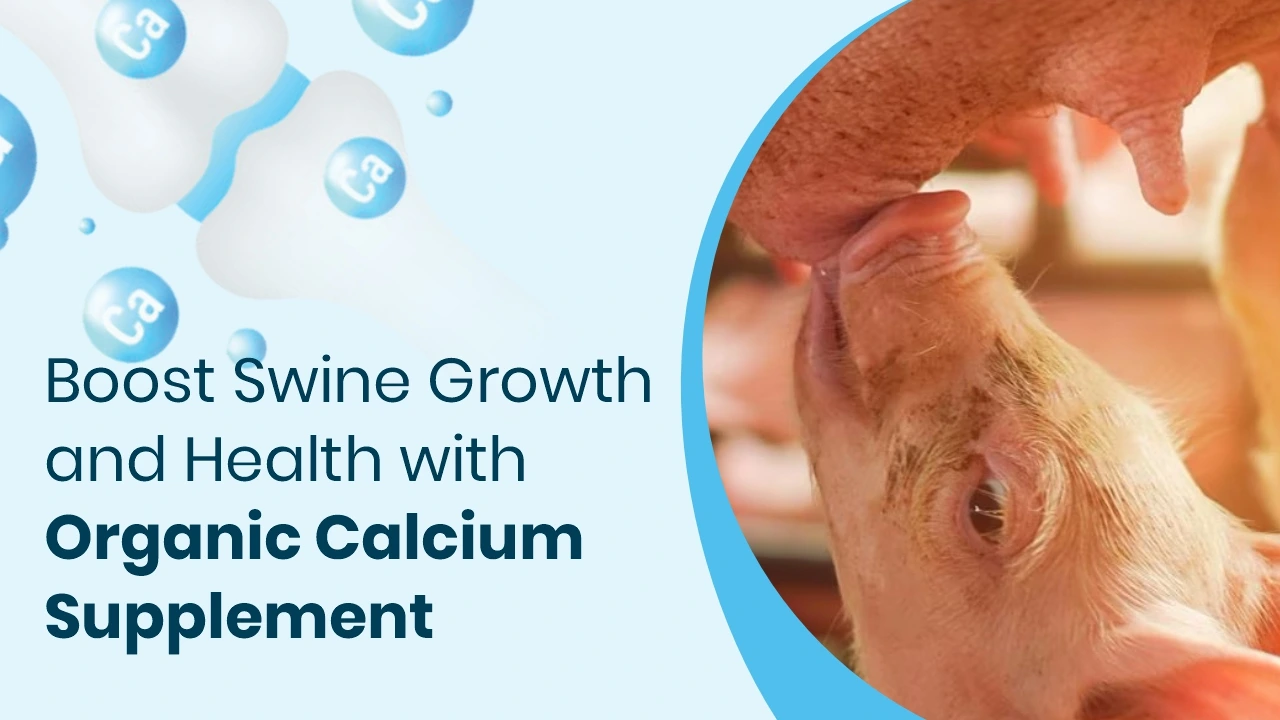
Boost Swine Growth and Health with Organic Calcium Supplement

Minerals and vitamins play a vital role in raising healthy and productive pigs. For pigs, some crucial minerals include calcium, phosphorus, and zinc. Calcium is one of the essential minerals required for growth, bone strength, reproductive health, immune function, and the overall health of pigs. Low calcium intake through diet also affects the pig’s overall health and causes economic loss. Hence, it is crucial to fulfil the demand for calcium requirements at each developmental stage of a pig. Dietary calcium and phosphorus deficiencies affect the thickness of long bones and bone ash content. Growing pigs have a higher mineral requirement than adults, with no difference between the sexes. Calcium plays an important role in sows during gestation and lactation. However, not all calcium sources show maximum bioavailability and absorption in the body. Therefore, supplementation of calcium with maximum bioavailability is important in pigs.

Calcium Requirements In Pig Feed:

The National Research Council (NRC) estimates that 0.6% calcium and 0.5% phosphorus are needed for pigs weighing between 20 and 50 kg. A calcium and phosphorus inclusion of 0.10–0.15% in the meal should be sufficient. Sows require additional calcium during their pregnancies. Every fifteen to twenty days during pregnancy, a litter’s overall mineral content requirements double. Over 50% of the total amount of minerals needed is in the last two weeks of gestation. To reduce the sow’s mineral shortage, highly soluble calcium sources should be provided.

Calcium requirements in pig feed for optimal growth and bone health – Vinayak Ingredients.

Importance Of Calcium At Each Developmental Stages Of Pig

  1. Piglets: calcium supports their fast-growing bodies with the necessary minerals to build strong bones and muscles, setting them up for healthier weight gains and an enhanced immune system.
  2. Growing Pigs: During the growth stage, pigs need large amounts of calcium to support their rapid development. It helps them reach optimal weights faster but also ensures balanced bone density, helping prevent fractures or other skeletal issues. It also supports blood clotting functions in response to any injury.
  3. Breeding Sows: Calcium provides a more efficient source, helping support reproductive health, ensuring sufficient milk calcium content, and reducing the risk of bone depletion. Manipulation of calcium supplementation right before and after farrowing can increase milk yield during the first week of lactation. Calcium ions play a crucial role in regulating muscle contractility, with contractions induced and prolonged by an increased calcium concentration. Sows have a greater demand for calcium due to the requirement of larger litter sizes and increased milk yield. Supplementing calcium in feed significantly reduces the number of stillbirths and reduces the average farrowing duration of young sows.
  4. Older Pigs: As pigs age, calcium ensures that they maintain bone strength and mobility, reducing joint stress and improving quality of life.

Choose Organic Calcium for Maximum Bioavailability

Bioavailability is defined as the proportion of a substance that enters the circulation when introduced into the body and so is able to have an active effect. Traditional inorganic calcium supplements, such as limestone, dicalcium phosphate, tricalcium phosphate, and calcium carbonate, have been used in pig industry, but they often fall short in terms of bioavailability. Due to this, much of the calcium passes directly through the digestive system without being fully absorbed. That’s where organic calcium sources should be considered by the farmer for pig health, providing superior bioavailability and consistent benefits across all age groups. Diets formulated with plant-based ingredients must therefore be supplemented with calcium.

Organic calcium is bound to organic molecules, which makes it easier for the body to recognize and absorb. Studies have shown that calcium from organic sources like algae and marine minerals shows bioavailability up to 90 to 95%, which is significantly higher than inorganic sources like calcium carbonate. Absorbed calcium goes directly into supporting skeletal development, muscle function, and even metabolic processes and leaves less waste behind. As more farmers turn towards sustainable and natural solutions, organic calcium stands out as a smart choice that promotes not only animal welfare but also farm profitability.

Benefits Of Calcium Bioavailability In Pigs:

Benefits of calcium bioavailability in pigs for improved bone strength and growth – Vinayak Ingredients

CALSOW PLUS

CALSOW PLUS is a perfect combination of organic calcium supplements for a quick and long-lasting effect, enhanced with organic sources of calcium, to prevent and treat a decline in milk production in swine. With its high bioavailability, organic calcium meets the needs of pigs across all life stages, supporting growth, skeletal health, and reproductive function more effectively than inorganic options. It also provides the benefits of added glucogenic precursors to prevent energy imbalance during pregnancy and lactation.

BENEFITS:

  • Ensures higher bioavailability
  • Enhances milk production
  • Improves bone development
  • Provides energy to sows during farrowing
  • Helps to reduce the number of stillbirths
  • Reduces the average farrowing duration of young sows
  • Strengthens immune system
  • Maintains better growth


“Embrace the benefits of organic calcium for a healthier, stronger, and more productive swine” aquaculture with Pelletovin’

*References on request*
Baking with Nature: Natural Colors for Vibrant Cakes

Baking with Nature Natural Colors for Vibrant Cakes

Baking with Nature: Natural Colors for Vibrant Cakes

Clean-label and natural products are changing the baking game. A quick shift towards healthier alternatives with natural ingredients can improve the quality of the product without compromising on cost. Natural food colour manufacturers are driving transformation with this shift in interest. Another strategic tactic that can be adopted by bakeries, confectionery producers and food service providers would be choosing natural colours over synthetic ones to create better quality products and to appease health-conscious and environmentally conscious consumers.

In this blog, we’ll explore four key natural colourants: Gardenia blue, anthocyanin, beta carotene, and chlorophyll, and how they are shaping the B2B baking landscape.

Understanding Natural Colors in Baking

Natural colors from fruits, vegetables, and other natural sources, such as those below, deliver bright, lively hues to baked goods. These colors meet the growing demand for naturally sourced and minimally processed ingredients while giving baking businesses a advantage in competitive markets.

These pigments interact with temperature changes when baking to form precise shades that enhance the product’s visual appeal. For example, beta carotene gives a warm yellow colour, which might be perfect for carrot cakes and autumn bakes, or chlorophyll, a fresh green that looks great on pistachio-inspired cupcakes or those with a nature theme.

Beyond aesthetics, natural colors add value as a response to consumer demand for healthier and more sustainable options. They also place businesses in an innovative light that reflects current trends.

Natural Colors in the Bakery Sector

Gardenia Blue

This vibrant blue colour is extracted from the Gardenia fruit and brings stunning visual appeal to celebratory cakes, novelty cupcakes, fondants and sprinkles. Perfect for festive events or themed products, Gardenia Blue keeps baked goods in the spotlight and catches the attention of the customer’s eye, particularly in markets where they target events and specialty products.

Anthocyanin

Extracted from fruit extracts like blueberries and blackberries, anthocyanin offers the richest shades of purple and blue, perfect for seasonal bakes or berry-flavoured bakes. Very ideal for Valentine’s Day cupcakes, Christmas rum cakes, or even royal-inspired designs. Beyond aesthetics, antioxidants associated with anthocyanin make it a good popular choice for health-conscious consumers.

Beta Carotene

Beta carotene imparts a warm, rich yellow colour, especially good for carrot cakes, sweet treats around autumn, and lemon teacake. The nutritional value along with good performance in baking mixes, frostings, and creams make it an excellent choice for as well as gourmet baked goods. 

Chlorophyll

Chlorophyll is the natural pigment that contributes a fresh and bright green hue to baked goods. It’s perfect for nature-inspired desserts such as pistachio cake, mint-flavoured cupcakes, or citrus-accented frosting. Chlorophyll is ideal for niche markets, as it stands well alone or with new innovative flavour profiles that could result in unique offerings.

Benefits for Businesses Having Natural Colors

Responding to Consumer Demands

Natural colors fit perfectly with consumer demand for natural ingredients, catering to health-conscious consumers.

Product Differentiation

Bright and natural shades lend more value to baked goods, as those brightened in that way are considered better, therefore commanding a price in the premium and speciality sectors.

Regulatory Compliance

Natural colours are often easier to comply with international regulatory standards than synthetic dyes, creating a smoother go-through for international trade.

Brand Identity Enhancement

The inclusion of natural ingredients reinforces a brand commitment to sustainability and wellness, a value appreciated globally.

Conclusion

Natural colours have transformed from a fad in the B2B bakery sector to an absolute requirement for a B2B player as market dynamics keep shifting. Gardenia blue for premium celebration cakes, beta carotene for health-conscious appeal in teacakes, or the fresh vibrancy of chlorophyll for unique creations – natural colours give baked goods that much more quality and desirability. In search of a reliable partner for natural colour solutions? Vinayak Ingredients provides a wide range of superior, plant-based colorants specifically designed for use in the bakery industry. 

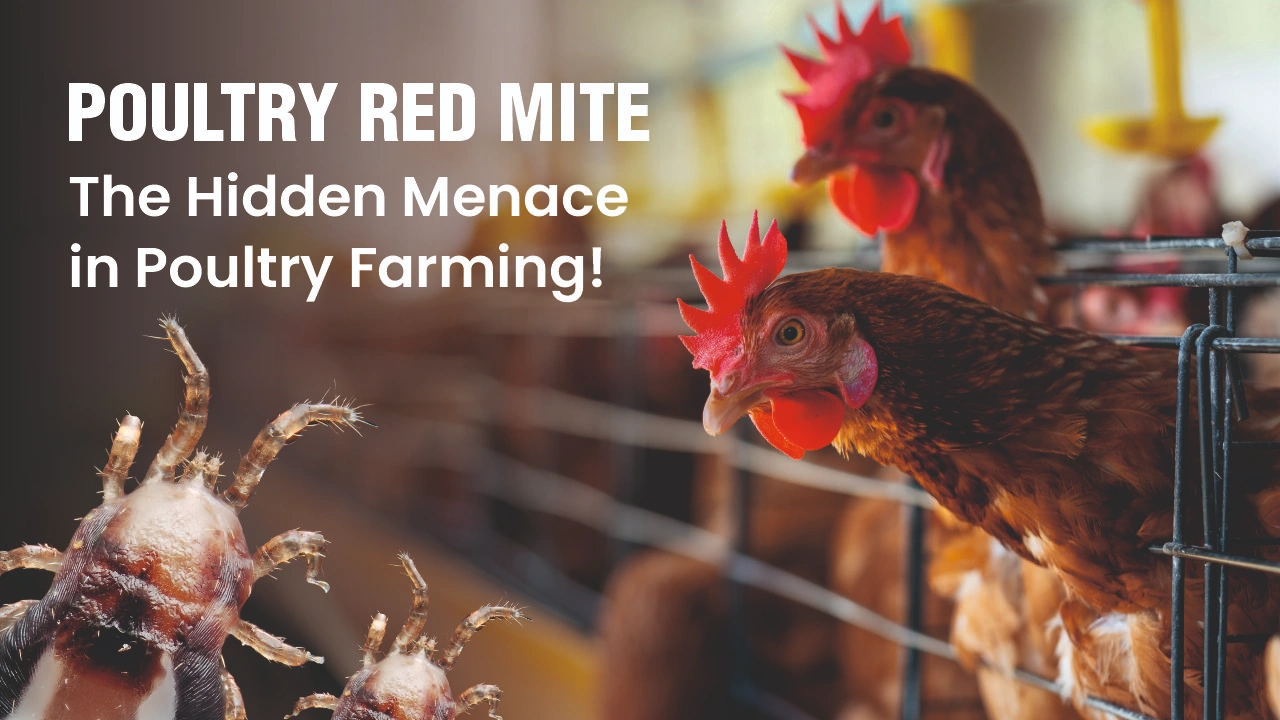
Poultry Red Mite: The Hidden Menace in Poultry Farming!

Poultry Red Mite The Hidden Menace in Poultry Farming

Poultry farming is a rapidly expanding industry vital for meeting the food needs of a growing population. However, economic and production losses can significantly impact its sustainability and profitability. The poultry industry commonly faces economic losses due to the infestation of external parasites. Ectoparasites can cause a range of clinical impacts in poultry flocks, depending on the severity of the infestation. Mite parasites feed on the blood of chickens, while lice feed on dander and feathers. The red mite is more problematic for poultry producers.

Dermanyssus gallinae, the poultry red mite, is a ubiquitously present blood-sucking ectoparasite. They are typically nocturnal feeders that remain hidden during the day in cracks and crevices, cardboard boxes, nests, egg conveyor belts, and transportation cages. Flock infested by poultry red mite impacts the quality and quantity of eggs and meat produced.

The Life Cycle of Red Mites 

In appropriate conditions, the time between egg laying, moulting, and becoming an egg-producing adult is short.  With ideal temperature of 25-30°C and 70% humidity, the poultry red mite life cycle can complete in just 7–10 days, allowing infestations to develop quickly and reach severe levels. Adult poultry red mites can survive for around 9 months without feeding on poultry.

Life cycle of red mites and their impact on poultry health – Vinayak Ingredients.

The poultry red mite goes through five distinct life stages: egg, larva, protonymph, deutonymph, and adult. The final three stages—protonymph, deutonymph, and adult—require blood feeding to support their development and growth. After mating, female mites lay between 4 to 8 eggs per day over a span of three days, contributing to rapid population growth. Generally, a female red mite is reproductively active for about 8 weeks in entire life span.

Impact of Poultry Red Mite Infestation on Flocks 

The consequences of a red mite infestation are far-reaching,

  • Anaemia
  • Retarded growth
  • Stress and irritation
  • Injurious pecking and feather loss
  • Reduced quality and quantity of eggs
  • Increased risk of disease transmission
  • Mortality in severe conditions


The treatments currently used for red mite management include synthetic neurotoxic acaricides like organophosphates and pyrethroids. However, the use of chemicals creates multiple challenges, including the ineffectiveness of active ingredients, mite resistance, undesirable residues in the environment, and unacceptable risks to non-target organisms. To overcome these issues, alternative strategies are required. Among different physical and biological treatments, phytochemicals can be more impactful with less environmental harm.

LIMITER: A Natural Solution for Poultry Red Mite Management 

Limiter is a natural red mite management supplement for poultry. Using a unique combination of plant-derived components, Limiter targets blood-sucking stages of mites with a three-way mode of action:

  • Gustatory Avoidance
  • Olfactory Repellence
  • Contact Toxicity
Natural solutions for effective poultry red mite management – Vinayak Ingredients.

Mechanism of Action of LIMITER

The essential oil in the Limiter acts via two modes of action: first, by competitive inhibition at postsynaptic acetylcholine receptors, preventing normal acetylcholine binding, and second, by inactivating acetylcholinesterase, the enzyme responsible for breaking down acetylcholine. This dual action results in persistent stimulation of muscle cells. The resulting hyperstimulation eventually leads to muscle fatigue, paralysis, and death in red mites.

Mechanism of action of LIMITER for controlling red mites in poultry – Vinayak Ingredients.

By integrating Limiter into a red mite management program, poultry producers can achieve effective, sustainable mite control while minimizing harm to the environment and supporting flock health.

“Boost Poultry Health Naturally—Say Goodbye to Poultry Red Mites with Limiter!”


*References on request*

Top 8 Dried Ingredients for Sweets and Savory Delights

Top 8 Dried Ingredients for Sweets and Savory Delights​ ​

Dried fruits and vegetables powders are becoming increasingly versatile and can be added to both sweet and savory food applications where they enhance flavor, color, and nutrition. Coming from natural fruits, they provide authentic taste and vibrant colors to the dishes and have become favorites among chefs and manufacturers of food products. Fruit powders in sweet preparations such as traditional Indian mithai, cakes, and candies add a natural sweetness as well as eye-catching colors. They give new and exciting flavors with tangy or fruity punch in chutneys, dips, and sauces. The powders come in spray-dried, air-dried, freeze-dried, and dehydrated forms, all of which are so out of this world with infinite possibilities for culinary and industrial use, adding a wide range of foods of appeal to functionality.

Top 8 Dried Ingredients for Sweets and Savory Delights

1. Guava Powder 

Guava powder brings a different sweetness to the table with a hint of tanginess to it. Its perfect use is in an array of desserts such as ice creams, sorbets, and guava-flavored barfi. Rich in vitamins A and C, fibre, and antioxidants, guava powder improves the nutritional quality of sweets improved. Freeze-dried and spray-dried variants provide a versatile tropical flavour that can well be used in both ancient sweets and modern dessert recipes. 

2. Strawberry Powder

Strawberry powder is extremely useful for many fusion desserts such as strawberry peda, berry-infused barfi, and strawberry rabri. It is very suitable for both old-fashioned and modern Indian sweets; it has a natural sweetness, with a lovely pink colour. Strawberry powder blends beautifully with dairy, bringing a fresh fruity note to luscious cream-based confections. It is rich in colour as well as nutrients. The vitamins C and A ensure that any dessert will have a lot of health appeal, even if they are spray-dried or freeze-dried. 

3. Blueberry Powder

The blueberry powder has a sweet-tart flavour and rich purple colour. Its high antioxidant and fibre content makes it an excellent alternative to added sugars, making it an easy go-to ingredient for colourful treats like blueberry kaju katli. Freeze-dried and spray-dried blueberry powders retain natural sugars and intense colour, offering the perfect solution for a visually appealing dessert for modern health-conscious consumers. 

4. Pineapple Powder

Pineapple powder is great for desert dishes like pineapple halwa, pineapple and coconut ladoo, and pineapple modak and delivers a tropical flavour and sweetness that can present a tart taste. Adding a refreshing twist to creamy desserts, while enriching them with bromelain—a natural enzyme known for aiding digestion. Pineapple powder is therefore not just great to taste but also healthy to consume. It can come in air-dried and dehydrated forms that help preserve the tropical flavour with the ease of use in traditional and innovative recipes.

5.   Lemon Powder

Add a zesty brightness to savoury dishes with lemon powder; it enhances flavours in chutneys, dips, and sauces. It’s perfect for lemony mint chutney or tangy lemon pickles, providing an invigorating citrus flavour without introducing any moisture. Being rich in vitamin C and naturally occurring antioxidants, lemon powder in its dehydrated or air-dried form is suitable for savoury dishes. It’ll add a nutritional boost and flavour enhancer to the flavours and seasonings in sauces. 

6.  Pudina/ Mint Powder

Pudina powder has a cool, refreshing flavour. It goes well with savoury items, such as chutneys, yoghurt dips, and sauces. The ingredient is predominantly included in pudina chutney and raita, which give it a cooling and refreshing feel when traditional Indian dips are served with snacks or meals. Being renowned for digestive benefits, mint powder is one of the variants of this herb, preserved as a dehydrated and air-dried version. It is used excellently as a savoury ingredient in Indian snacks, Indian chutneys, and namkeen. 

7.   Chili Powder

Chilli powder provides smooth, medium heat to hot sauces and dips as well as savoury snack foods. It is particularly good in tamarind or mint chutneys or in a chaat masala seasoning blend. In addition to the heat, there’s a smoky undertone that gives salty and spicy Indian snacks more depth. Concentrated in its dehydrated version, chilli powder imbues the most flavour into spicy chutneys and namkeen and other snack food seasonings. 

8.  Tamarind Powder

Tamarind powder is crucial in making tamarind chutney, the famous spicy chewy accompaniment to snacks. Use it to make savoury sauces, dips, and even candies flavoured with tamarind. Rich in antioxidants and vitamins, tamarind powder gives your snacks an added nutritional punch and a bold sour-sweet flavour. Dehydrated tamarind powder works beautifully in seasoning mixes for Namkeen and other Indian snacks, delivering the perfect tangy note.

Advantages of Using Dried Ingredients in Food Production

Dried fruit powders can be spray-dried, freeze-dried, air-dried, or dehydrated and are used to provide good flavour control as well as long shelf-life capability without added moisture. These powders contain essential nutrients, which means that the fresh fruit flavours and vivid colours can be easily added to a number of recipes in a very healthy and convenient manner. They are therefore of paramount importance in producing products of the same quality and are both sweet and savoury, making them a staple of modern food production. This is achieved by blending powders of fruit with recipes, thus adding actual flavours and natural colours to the food product, making it look and feel more appealing and inviting with the goodness of real fruits. Fruit powders can be used in sweet dishes, savoury snacks, chutneys, or sauces and give culinary creations a taste that is at once traditional and innovative.

Discover all our high-quality, natural ingredients under the Ecoflav product line and explore the full potential of these versatile fruit powders: click here. Welcome to the wonderful world of innovative flavours and ingredients for your next food creations.

Enhancing Protein and Milk Yield through Amino Acid Optimization

Enhancing Protein and Milk Yield through Amino Acid Optimization

India is the largest producer of milk in the world, contributing 23% of global milk production. In three decades (the 1980s, 1990s and 2000s), the daily milk consumption in the country rose from a low of 107 grams per person in 1970 to 427 grams per person in 2020-21 as against the world average of 322 grams per day during 2021. Milk and milk products are rich sources of protein and minerals such as calcium, magnesium and phosphorus, which are essential in a healthy and balanced diet. Milk composition is economically important to milk producers and processors and nutritionally important to consumers.

The goal of milk producers is to modify composition as much as possible to meet market demand but to emphasize maximum yield of components in high-quality, wholesome milk.

Nutrients and their Challenges

In cattle, costliest part of nutrients are carbohydrate, protein, and fat. Maintaining balance and utilization of nutrients is most important to explore superior genetic potential.  Hence, an adequate supply of these nutrients through diet is crucial to maintain the overall health conditions of cattle.  Protein being one of the essential nutrients, is essential for milk production in cattle, as it supports milk synthesis, provides essential amino acids, and boosts energy levels. It also maintains the cow’s health, aids body tissue repair, and strengthens immune function.

Nutritional challenges arise due to inadequate nutrition and inferior quality of raw materials. Also, the nutrient requirement changes according to the environment, stages of lactation and gestation, and individual health and variation in breed/genetics.

Factors Affecting Milk Protein and Fat Content

  • Nutrition
  • Breed/Genetics
  • Environment/Management
  • Health/Physiology

Why is Protein Critical to Cattle Nutrition?

Protein is a vital nutrient for maintenance, growth, health, reproduction and lactation in cattle. Protein supplies the microbes in the gut, or rumen bugs, the ammonia and nitrogen sources they need to function. And these microbes are further digested by the cattle which provides microbial protein, an essential protein source in cattle. When cattle aren’t getting enough protein, microbial activity decreases, causing a lower rate of digestion. Decreased digestion results in less nutrition available for absorption by the animal. While these effects are internal, you would observe the consequences of protein deficiency in the growth of your cattle.

Protein Digestion in Ruminants

Process of protein digestion in ruminants for optimal nutrition and growth – Vinayak Ingredients.

In dairy cows, an inadequate supply of protein through diet will result in reduced amino acid availability for milk protein synthesis, milk yield, and overall body conditions. Milk protein and fat percentage and composition can be changed through feeding. Absorbed amino acids are used mainly as building blocks for protein synthesis, as well as precursors for glucose and fatty acids synthesis. Thus, there is a need of amino acid optimization for better productivity of dairy cows.

KiFAY- Natural Amino Acid Optimizer

KiFAY is a natural amino acid optimizer, which improves the amino acid utilization in cattle to increase the protein content in milk. Its plant-based components retain amino acids in the body for the biosynthesis of proteins and fats, improving body conditions, increasing milk yield with enhanced nutritional values. Hence, it maximizes the availability of amino acid for maintaining the cattle in anabolic state of processes like protein synthesis. KiFAY also improves the palatability of feed, which lead to more consistent and adequate feed intake, directly supporting higher milk yields, improved milk quality, and weight gain.

How does it work

Kifay Amino Acid Optimizer for enhancing protein utilization in animal nutrition – Vinayak Ingredients.

Benefits :

  • Improves Milk protein
  • Improves Milk SNF
  • Enhances immunity
  • Increases palatability of food
  • Improves Dung texture
  • Improves Skin Coat


*References on request*

Revamping Ice Cream with Modified Starch

Revamping Ice Cream with Modified Starch

In this day and age, people are looking for tasteful yet guilt-free frozen treats more than ever. As people become increasingly health-conscious, ice cream enthusiasts often compromise on calorie and fat content to fulfil the urge for a smooth and rich texture. Without the additional calories, how can producers preserve that mouthwatering texture? The solution is in modified starches!

The Chemistry of Creaminess: How Ice Cream Gets Its Texture…

More than a treat for the taste buds, ice cream’s delightful smoothness is the fine balance of fat, air, and ice crystals. In traditional recipes, the molecules of fat trap air and provide a luxurious creamy mouthfeel. However, as more consumers opt for low-fat or dairy-free alternatives, maintaining that amazing texture can become a significant challenge. This is where modified starches shine, serving as the perfect replacement for fat.

Did You Know?

Texture is often considered the primary factor influencing consumer satisfaction in ice cream. Research shows that texture can be even more critical than flavour for many consumers.

KREAMEKO: Your Solution for Creamy Ice Cream

KREAMEKO is specially designed to tackle the challenges faced by ice cream manufacturers. Here’s how this innovative ingredient enhances ice cream products:

1. Improved Creaminess

One of KREAMEKO’s significant features is its ability to increase viscosity. This means low-fat and dairy-free ice creams can achieve consumers’ desired richness and creaminess without guilt. Since KREAMEKO acts like fat, manufacturers could create products that meet a consumer’s cravings but don’t compromise health.

  1. Stable Texture

It may also help in preventing ice crystal formation. Ice crystals normally cause most frozen desserts to have that grainy feel, and that is definitely undesirable. KREAMEKO starch makes sure your ice cream remains delightful, even for a long freezing time, in its smoothness and creamy consistency.

  1. Cost-Effective and Sustainable

Production costs are significantly reduced due to the usage of modified starch, so it is an economical substitute for traditional fats without reducing the quality of the product. KREAMEKO’s starch is perfect for those manufacturers who want to produce high-quality ice cream at a budget-friendly price due to the growing concerns regarding sustainability in food production.

Ice Cream Market Size and Trends

The vegan ice cream market is growing at a rapid rate because of the increasing demand for dairy-free, plant-based alternatives. Recent market research has found that the market for ice cream was estimated to be $520.9 million in 2019 and is expected to reach $805.3 million by 2027 at a CAGR of 13.7% from 2021 to 2027. Innovations in flavour and ingredient diversity, particularly almond, soy, and coconut-based types, are leading based on their desirable textures and flavours. North America currently dominates the market, while there is a high growth rate projected in Asia-Pacific.

Key Trends in Frozen Desserts

1.Low-fat, keto-friendly alternatives: Low-carb and keto diets have been the recent buzzwords. Many consumers are searching for a luxurious, silky texture without any sacrifice of taste. This makes KREAMEKO’s Modified Starch a fantastic choice for newer frozen dessert recipes with fewer calories.

2. Vegan and non-dairy options:  With an increasing interest in plant-based diets, the demand to stabilize vegan ice creams at a desirable texture has increased over time. KREAMEKO’s starch helps manufacturers attain the desired smoothness, allowing for a wider range of product possibilities.

3. Authentic Flavors: As there is a growing demand for unique cultural flavours, KREAMEKO allows manufacturers to recreate traditional sweets such as kulfi and rabdi, providing healthier options while preserving original tastes. This innovation not only satisfies consumer desires but also helps producers diversify their product offerings.

Versatile Applications of KREAMEKO

KREAMEKO is not just limited to ice cream :  it enhances a variety of products across the food industry. Here are some applications where KREAMEKO truly excels

Ice Cream and Frozen Desserts : It helps maintain smooth texture in low-fat and dairy-free formulations, ensuring a creamy texture that delights consumers.

Dairy-Free Shakes and Beverages: KREAMEKO adds a smooth thickness to non-dairy drinks, enhancing their overall appeal and mouthfeel.

Traditional Sweets: For ethnic desserts like basundi and rabdi, KREAMEKO allows manufacturers to create lighter, healthier versions that still satisfy cravings.

Meet Modern Ice Cream Demands with Advanced Solutions:

If you want to elevate your frozen desserts to the next level, KREAMEKO’s Modified Starch is the solution. Vinayak Ingredients specialises in unique starch solutions that improve the creaminess and durability of your ice cream products.

      Explore the full potential of your products with KREAMEKO where quality meets health!

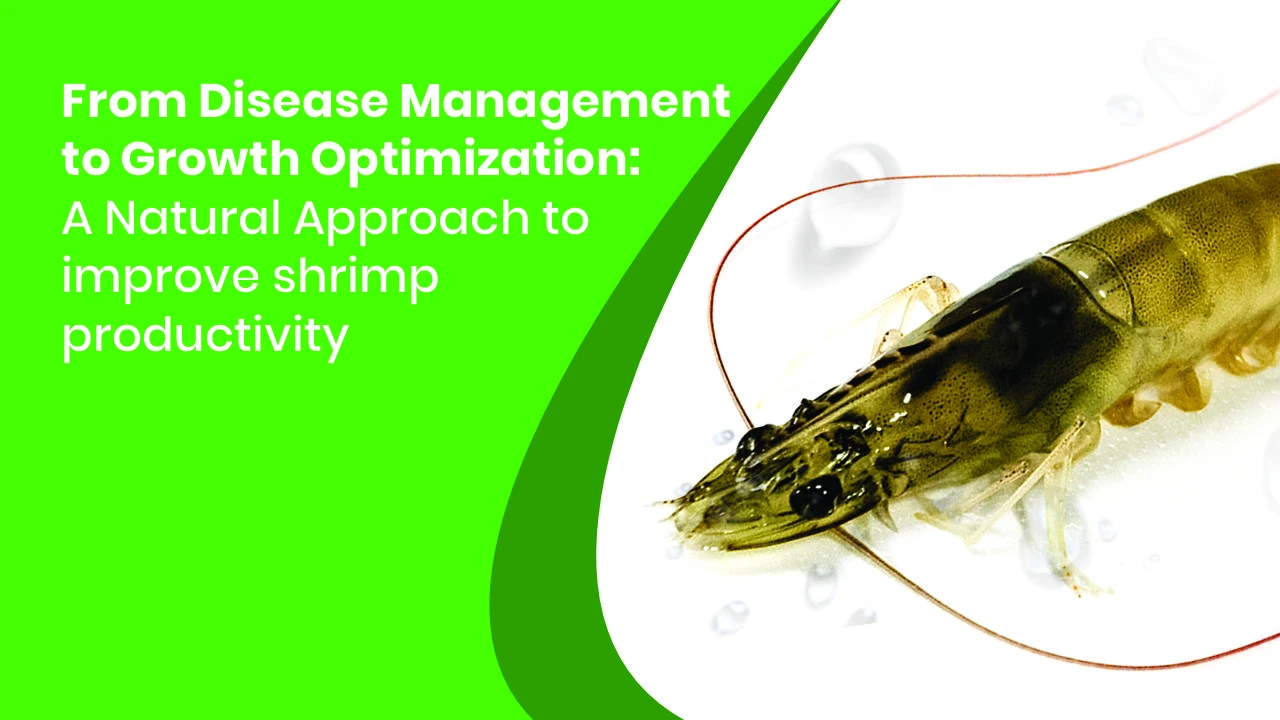
From Disease Management to Growth Optimization: A Natural Approach to Improve Shrimp Productivity

Disease Management to Growth Optimization A Natural Approach to Improve Shrimp Productivity

Shrimp is one of the most commonly consumed seafood around the world. Considering the population growth, there is an increase in demand for shrimp-based food products and shrimp farming plays a crucial role in meeting them. According to the FAO report 2008, the world shrimp catch is about 3.4 million tonnes per year, with Asia as the most noteworthy area for shrimp farming. World production of shrimp, both captured and farmed, is about 6 million tonnes, out of which about 60% enter the world market. Traditional farming methods are improving recently and new extensive as well as semi-intensive farms are being established at a rapid pace.

DISEASE: THE THREAT TO SHRIMP FARMING SUCCESS

The disease is a major limiting factor affecting the global production of cultivated shrimp. Intensive shrimp farming is commonly associated with disease outbreaks and is responsible for production loss due to either stunted growth in shrimp or mortality. Infectious diseases have affected shrimp farming industries drastically, and the majority of diseases are of bacterial and viral origin with few important diseases of protozoa and fungi. High stocking density can be considered as a major factor aiding the easy transmission of pathogens.

Shrimp diseases such as White feces syndrome (WFS), Hepatopancreatic microsporidiosis (HPM), vibriosis, and necrotizing hepatopancreatic (EMS/AHPND) impact shrimp farming to a greater extent.

Impact of shrimp diseases on production and economic losses in India – Vinayak Ingredients.

ENTEROCYTOZOON HEPATOPENAEI (EHP) AND ITS IMPACT ON SHRIMP AQUACULTURE –

The hepatopancreas is an important organ for the absorption and storage of nutrients in shrimps. Hepatopancreatic microsporidiosis (HPM) is a common shrimp disease caused by Enterocytozoon hepatopenaei (EHP) which infects the hepatopancreatic cell. It is an intracellular microsporidian that replicates within the cytoplasm of the affected epithelial cells in the hepatopancreas.

Host cell mechanism of EHP (Enterocytozoon hepatopenaei) infection in shrimp – Vinayak Ingredients.

Life cycle of EHP and routes of transmission

Life cycle of EHP (Enterocytozoon hepatopenaei) and its routes of transmission in shrimp – Vinayak Ingredients.

EHP in combination with other enteric pathogens and environmental stressors can lead to White Faces Syndrome (WFS), which refers to the presence of a floating white fecal string in ponds rearing shrimp. The main clinical sign of EHP is growth retardation, which results in an increased variability in size. In a more advanced stage, EHP-infected shrimp typically display soft shells, lethargy, reduced FCR, and an empty gut.

The use of synthetic antibiotics in shrimp farming is banned in some countries due to the potential for harmful effects on human health and the environment. Hence, natural products can be considered as the suitable and effective alternative. Due to the diverse and rich sources of active compounds in plants, they are highly influenced to control various pathogens. Phyto compounds can be utilized to improve immunity and prevent disease propagation during shrimp farming.

HEHPAVAX –A NATURAL AMINO ACID OPTIMIZER FOR HEALTHY HEPATOPANCREAS

HEHPAVAX is an aqua feed supplement that helps to protect hepatopancreas in shrimp by controlling EHP infection and white Feces Syndrome (WFS), and helps to prevent retarded growth in shrimp.

How HEHPAVAX works?

HEHPAVAX prevents the adhesion of the EHP spore wall to the epithelial cells of shrimp hepatopancreas. It helps to control infection by either killing spores outside the gut lumen or inhibiting polar tube extension by digesting polar tube components. It helps in the recovery of shrimp’s digestive system and improves gut health. It also helps to prevent white Feces Syndrome (WFS) in shrimps.

Mechanism of action of specialized feed additives for animal health – Vinayak Ingredients.

If the amino acid profile is poorly correlated to the requirement of the shrimp, then it leads to lower retention of synthesized protein. HEHPAVAX acts as an amino acid optimizer in shrimps that optimizes the utilization of protein depending on the optimal dietary amino acid profile of a species for protein synthesis. It improves the retention of the synthesized protein from the feed leading to higher growth rates and low protein turnover.

HEHPAVAX is a natural supplement to increase shrimp count leading to the economic growth of the farmer.

“Maximize shrimp health and improve your farm’s productivity with HEHPAVAX”uaculture with Pelletovin’

*References on request*

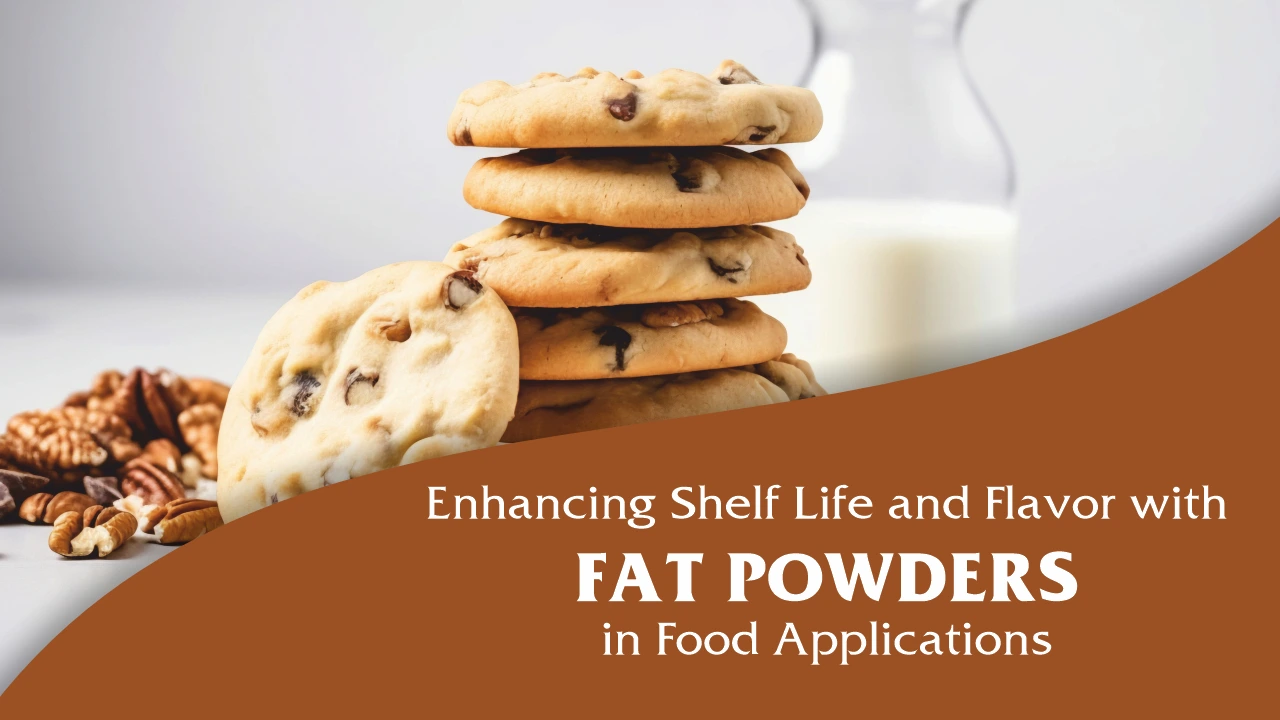
Enhancing Shelf Life and Flavor with Fat Powders in Food Applications

Nutritional Fat Powders: Stable, Healthy Fats for Food & Nutraceuticals

Fat Powders

Introduction To Fat Powders

Fat powders, also known as encapsulated fats or dry fats, are transforming food and nutraceutical formulations. They enable food manufacturers to create products with consistent flavor profiles and extend ingredient shelf life, enhancing both longevity and ease of transport. These oil powders are beneficial to applications in dairy and baked goods as well as in nutraceuticals. Of these, coconut and MCT powders have been the most popular, because they deliver quick, sustained energy without spiking blood sugar levels.

Market Trends and Consumer Insights

The global powdered fats market size was about USD 2.24 billion in 2022. It is estimated to increase to USD 3.17 billion by 2030 at a CAGR of 4.4% from 2023. Bakery is the biggest consumer, using nutritional fat powders to improve the texture and flavour of the baked products. Although North America represents the largest market, Asia-Pacific is expected to grow at a faster rate due to the high demand for dry fats in ready-to-eat as well as easy-to-consume products. An overall increase in demand for clean-label products and healthy diets worldwide also contributes to the growing demand for these ingredients.

Properties and Benefits

Encapsulated fats have properties unique to oil droplet emulsifiers that are capable of providing great value in this regard. These powders are not prone to hydrolysis, are more stable than their counterparts in traditional emulsions, and have excellent shelf stability even at room temperature. This means minimal need for refrigeration of products and, therefore reduced costs associated with storage and transportation. The oil powders are relatively easy to deal with in terms of both handling and mixing and provide reduced potential for spills and contamination. Controlled flavour delivery guarantees uniform taste from a given bite or sip. Health-promoting versions include MCT for immediate energy release and High Oleic Sunflower Oil Powder (HOSO), containing heart-healthy monounsaturated fats.

Vinayak’s Portfolio for Your Powdered Fat Needs

Vinayak is a manufacturer and exporter of high-quality fat powders bringing you a portfolio of best-in-class nutritional fat powders designed for a range of applications in the food industry:

Refined Vegetable Fat Powder: Neutral flavor, universally acceptable powdered fat to add texture and mouthfeel to a variety of food products.

Coconut Fat Powder: Rich in MCT naturally, good for quick energy release in keto-friendly and functional foods.

Groundnut Fat Powder: Mild nutty flavor, ideal for savoury products such as snacks, sauces, and seasonings.

High Oleic Sunflower Fat Powder (HOSO): Provides heart-healthy monounsaturated fats, stable for bakery, snacks, and spreads.

Medium Chain Triglyceride (MCT) Powder: Energizing sports nutrition products with rapid energy release.

Soybean Fat Powder: This product is widely used in plant-based and dairy-alternative products due to its balanced essential fatty acids.

Sunflower Fat Powder: It has a light, delicate flavor and is used for sweet and savory applications. It adds richness without overpowering other flavors.

These products are designed for modern food manufacturing and provide both functional benefits and extended shelf stability.

Applications Of Spray-Dried Fat Powders 

The encapsulated fats have unique properties and excellent functional benefits, hence adding considerable value to food formulations. Their longer shelf life will allow stability at room temperature, often eliminating refrigeration and reducing logistics costs in shipping long distances. Handling, mixing, and storing without much risk of spillage or contamination is easier.

Controlled flavour release allows for uniform flavour and a health benefit in most cases. For example, MCT powder releases quick energy while High Oleic Sunflower Oil Powder has monounsaturated fats which are very healthy. This makes nutritional fat powders best for ready-to-consume shelf-stable food and beverages, concentrating on health.

Advantages in Food Processing

Fat-based powders have advantages in food processing in that they have high quality and batch-to-batch consistency. In shipping, shelf stability minimizes refrigeration and minimizes product deterioration, so foods, nutraceuticals, and cosmetics prepared with dry fats will give consistent performance, less waste, and lower storage cost.

Key Takeaways 

Fat powders change food and nutraceutical formulations by providing a convenient, shelf-stable source of fats for enhancing flavor, texture, and stability. Vinayak Ingredients makes premium nutritional fat powders in a wide range. This includes Sunflower, Soybean, Groundnut, High Oleic Sunflower Oil (HOSO), Medium Chain Triglycerides (MCT), and a blend of vegetable fat powders. Vinayak brings convenience with health benefits in catering to the growing demand for plant-based and functional foods.