icon-globe
Search Connect with us

Annatto (Complete Guide): Natural Food Color, Uses & Benefits
Annatto (Complete Guide): Natural Food Color, Uses & Benefits

What is Annatto Natural Food Color?

Annatto is a Natural food color obtained from outer layer of seeds of tropical tree Bixa Orellana. It is an orange-red condiment usually used to impart yellow or orange color with aroma to food industries like bakery, dairy, savory, beverages, spices, pharmaceuticals, nutraceuticals and more.

Origin and Health Benefits of Annatto

The origin of annatto is in the tropical regions from Mexico to Brazil. With its culinary usage it is also used in cosmetics to treat various skin problems. Due to its extraordinary antioxidant, anticancer, antimicrobial properties and also helps in curing eye and heart related problems. Availability of this color is in variety of concentrations as needed and in both liquid and powdered form, both in oil and water soluble. With all its rich characteristics and properties it is considered as the liable food additive in the natural food color segment.

Go Healthy …Go Natural…!!

Annatto Natural Food Color: A Vibrant Ally for Flavorful Dairy Products

Role of Annatto in Dairy Products

In the domain of dairy products, where aesthetics and flavour must be perfectly balanced, annatto shines out as an environmentally friendly and receptive ally. This annatto natural food color imparts exceptional colouring while gradually enhancing flavour. Derived from the seeds of the Bixa Orellana tree, annatto possesses a rich cultural heritage and is gaining popularity as a key ingredient in the dairy business. Annatto’s capacity to rejuvenate the appearance and compliment the flavours of dairy products has helped propel it into the limelight, establishing it as a vital tool for dairy developers striving for innovative goods that please the visual cortex and the taste buds.

Enhancing Visual Appeal with Natural Beauty: Annatto for Butter, Cheese, Yogurt, and More

Annatto’s main selling point is its ability to add a dulcet and inviting color to an assortment of dairy treats. This annatto food color for dairy products, including butter, cheeses, yogurts, and creams, incorporates a natural and elegant touch. The warm, orange-red tones generated by annatto elevate these products’ visual attractiveness and make up for a more engaging sensory experience for customers. For instance, using annatto butter food color in India can transform ordinary butter into a more visually appealing spread.

Beyond Color: A Subtle Flavor Boost for Bakery Products, Snacks, and Desserts

Apart from the coloration function, annatto adds a rather indistinct special note to various dairy foods and goods. It is not very dominating, but its presence brings a certain depth to the flavour which can be intrinsic to dairy. The combination of natural color and slight flavoring is more effective compared to the outcome of the individual components and, therefore, makes annatto beneficial to the dairy formulation. This subtle touch can also enhance bakery products, snacks, and desserts.

Applications Across the Dairy Spectrum: Natural Annatto Food Color for Butter in India, etc.

Use in Butter and Cheese

Annatto is a preferred ingredient for butter and cheese makers. In butter, it enriches the color and makes it look quite attractive, turning ordinary butter into a nice spread. This is achievable with annatto food color for butter in India. Likewise in cheese, annatto finds its application to help achieve different degrees of color, starting with a slight yellow hue up to a rich orange color making such dairy products more marketable. While Annatto’s purpose in cheese is purely cosmetic, its application is additionally a result of tradition and culture linked to particular kinds of cheese.

Use in Yogurts, Creams, and Desserts

Non-conditioning agents such as yogurts and creams, having creamy white palleted color can use annatto to create variations in colors. As a contribution of soft golden color to foods such as vanilla-flavoured yoghurt and whipped cream and as an enhancement of dairy yellow color, annatto enables dairy producers set their production to appeal to different consumer preferences. This can be achieved with annatto food color for desserts in India and natural annatto food color for sauces in India.

Aligning with Modern Food Trends: Annatto Nor Bixin Natural Food Color

Annatto matches current market trends which are focused on the natural, plant-derived and attractive appearance of food products and preparation. With consumers being increasingly concerned about the origin and components of food they consume, annatto places dairy products in a central place, meeting new trends. An even more preferred option is Annatto Nor Bixin natural food color, a water-soluble form of annatto that offers similar benefits.

Annatto: A Natural Choice for Vibrant Dairy Products: Annatto Natural Food Color Supplier in India

Annatto is all about adding colors and a twist of taste to a variety of dairy products that are found in the world. From smooth buttery spread spreading across bread to gourmet cheese makers to creamy yoghurt, annatto not only meets the visual appeal but also has the added benefit of being a natural colourant that is currently trending in the modern food industry. As dairy farming advances, the taking place of annatto makes it a valuable medium that enhances the sight and taste of dairy foods.

Vinayak Ingredients: Your Partner in Natural Food Coloring Solutions

Vinayak Ingredients is a leading annatto natural food color supplier and manufacturer in India, offering a range of natural food colorings like caramel, beet, beta carotene, etc., for some of the prominent food industries. Vinayak’s meticulous manufacturing will make sure that the natural color will be shelf-stable, retaining all the flavours and nutrition profiles of the fresh ones. Using Vinayak’s annatto natural food color for butter, bakery products, snacks, desserts, chocolates, sauces, and more in your products will produce.
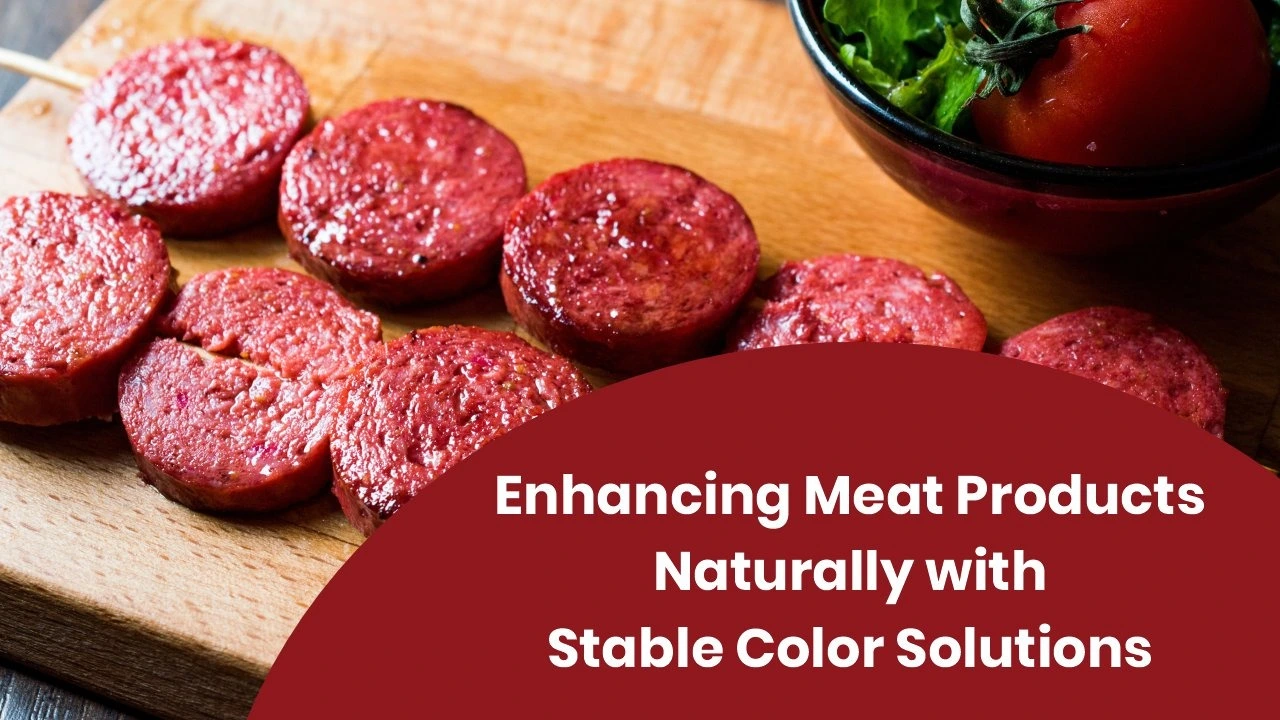
Enhancing Meat Products Naturally with Stable Colour Solutions

Enhancing Meat Products Naturally with
Stable Colour Solutions

The global meat and protein industry is rapidly changing due to increasing demand for convenience foods, sophisticated technologies in manufacturing, and an expansion of plant-based and blended meat formats. In all of these categories of product, one single quality attribute impacts consumer perception and successful product acceptance: color. 

For the manufacturers, effective achievement of stable, even, and regulation-compliant color is not just an appearance feature, it is a functional requirement which impacts the shelf life, and market acceptance. This article will outline the key challenges behind color stability, present the option of natural color ingredients available today, and describe the innovations shaping the future of meat coloration.

The Importance of Colour in Meat and Processed Products

Color is one of the most powerful quality indicators in processed meat products. Particular appearance signals for sausages, patties, deli slices, cured meats, and ready-to-eat items provide information on freshness, flavor profile, and production consistency. In the light of rising consumption of processed meats globally, visual uniformity has become one of the key differentiators for brands. Rapidly developing plant-based and blended meats introduced new formulation challenges because these products need to replicate the color profile of traditional meat both in the raw state and after cooking. The predictable and stable coloration became an intrinsic part of product development in this growing market.

Natural Color Ingredients for Meat Applications

Natural color ingredients have useful applications in processed meat products in jurisdictions where their use is permitted. The most used natural pigments are paprika oleoresin, annatto, carmine, beet extracts, and curcumin. These natural pigments offer a spectrum of red, orange, and yellow shades for cooked, cured, and plant-based products. Each ingredient has its own strengths concerning solubility, heat stability, and resistance to oxidation. Enhanced emulsified and encapsulated forms ensure greater uniformity in pigment dispersion and protection of the color during cooking and storage.

Functional Benefits of Using Natural Color Solutions

Natural color solutions for processed meats enable excellent functional performance. Their heat stability secures the desired shade in grilling, roasting, frying, and retorting. Their formulation supports shelf life and allows the product to present its intended appearance throughout the distribution chain. The encapsulated pigments minimize migration in high-fat applications and improve color homogeneity. Batch-to-batch consistency is yet another important advantage, as this helps the processor to minimize rework, facilitate operational throughput, and meet customer specifications more effectively.

Application Areas in Fresh, Processed, and Plant-Based Meats

Although regulations restrict the use of added colors to a few fresh meat categories, natural pigments have broad applications to the processed and cooked segments. Some of the categories that require color consistency from raw mix through the final cooked presentations include sausages, patties, deli meats, cured items, and ready-to-eat products. Plant-based or blended meats also require color systems that simulate, for example, the raw-to-cooked appearance of traditional meats. Natural pigments developed for high shear processes such as extrusion enable the creation of authentic pink, red, and brown shades that remain true-to-color through cooking and storage.

Stability and Performance During Cooking and Storage

Technological advancements in color extraction, including process like encapsulation, enhance oxidative protection and support color retention during refrigerated or frozen storage. Improved light stability maintains vibrancy under retail display lighting conditions. Controlled pigment migration assures uniform coloration in high-moisture and high-fat meat products. It is these performance attributes that are fundamental to those companies distributing products throughout long supply chains or varied climatic conditions. Vinayak’s Ecocol offers heat stable color solutions for meat products. 

Future of Natural Color Innovation in the Meat Industry of Natural Color 

Innovation within the Meat Industry Innovation in natural color technology is accelerating, with next-generation pigments in development offering even higher heat tolerance and stronger oxidative resistance, with improved performance in high shear applications like extrusion. And encapsulation technologies will move forward to ensure that pigments remain stable even in the most demanding production environments. Plant-based and blended meats continue to drive demand for pigments which can simulate traditional meat color transitions. Sustainability, traceability, and secure global sourcing are other important shapers of color ingredient development in the future. 

Conclusion

The processed meat industry is in an evolving state in need of color systems that are stable, reliable, and compliant. In general, natural color solutions perform well in processed, cooked, and plant-based formats where their use is allowed. Well-engineered natural pigments offer better production consistency, stronger market positioning, and better readiness for future regulatory requirements when adopted by manufacturers. Having color stability is more than a purely aesthetic benefit in an industry where appearance determines consumer acceptance. It is a strategic and operational priority.

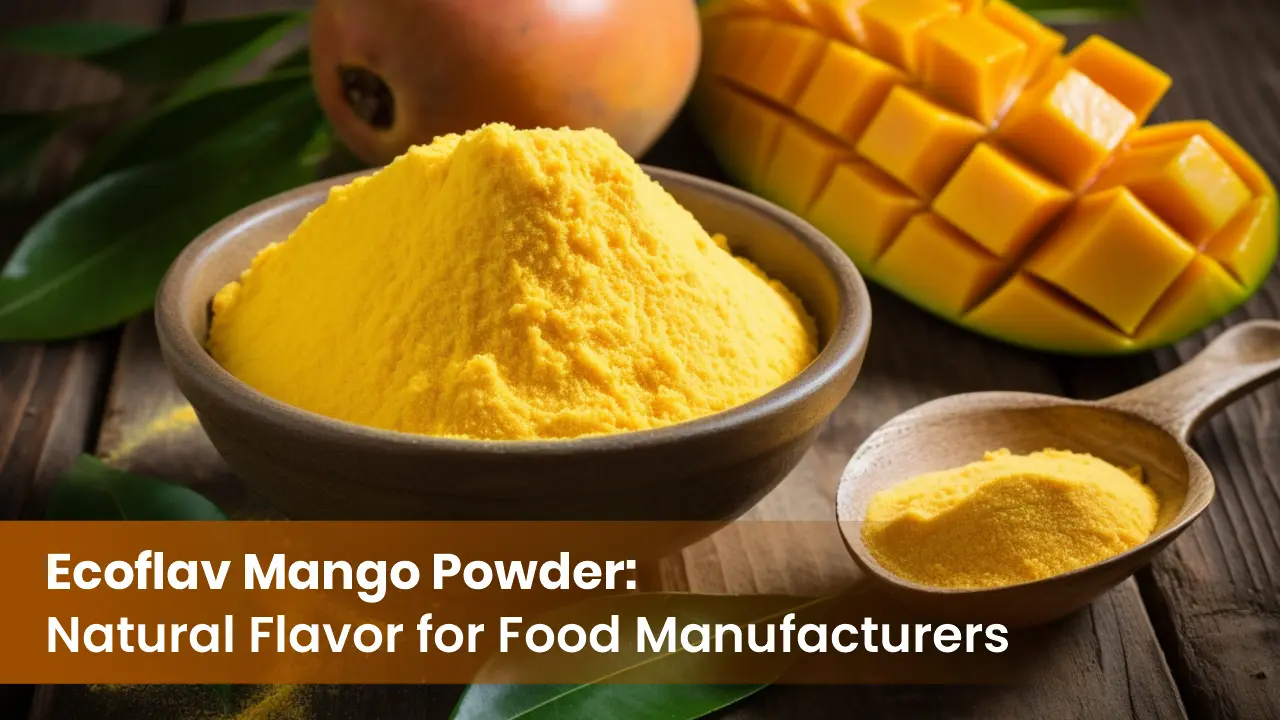
Ecoflav Mango Powder: Natural Flavor for Food Manufacturers

Ecoflav Mango Powder: Natural Flavor for Food Manufacturers

Mango is one of the most popular flavors in the global food and beverage landscape. It’s a familiar one that instantly clicks with shoppers, no matter which they choose, revitalizing beverages, rich desserts, or innovative forms of nutrition. However, with fresh mango comes operational challenges such as limited shelf life, storage sensitivity, and variable crop conditions. Ecoflav Mango Powder was formulated to leapfrog these issues, enabling food manufacturers to offer true mango flavor with consistency and control.

The Demand for Natural Fruit Ingredients in Food Processing

As consumers demand authentic fruit taste, product formulators must find ways to keep that flavor intact during manufacturing and longer supply chains. Spray-dried fruit powders have emerged as an effective answer because they capture sensory impact while allowing for longer storage and cost-effective handling. With Ecoflav Mango Powder, manufacturers can maintain flavour integrity in applications where fresh fruit forms raise challenges.

What Makes Ecoflav Mango Powder Unique

Ecoflav Mango Powder starts with ripe, great-tasting, high-quality mangoes that undergo a controlled spray-drying process to preserve their unique aroma, sweetness, and deep color. Each production batch is tested to ensure performance does not change in different applications and processing conditions. Formulators get a consistent ingredient that performs predictably at scaling up from pilot production to commercial manufacturing.

Key Functional Benefits for Manufacturers

Manufacturers need ingredients that support efficient processing. Ecoflav Mango Powder dissolves reliably, minimizes wastage, and eliminates the need for cold chain logistics. It ensures flavor delivery uniform batch to batch, making production planning easier and allowing teams to reduce variables. Over time, these plant operations benefits translate into substantial quality and time-to-market improvements.

Versatile Applications Across Food Categories

Ecoflav Mango Powder performs in a wide range of food and beverage systems, from instant mixes and flavored waters to ice creams, yogurts, confectionery fillings, and fortified snacks. It enables brands to launch regionally pertinent flavors and premium tropical experiences. Its stability opens opportunities to extend to warm geographies and longer channels to market.

Enhancing Flavor, Color, and Shelf Life Naturally

Ecoflav enhances taste and visual appeal even at low usage levels, supporting both sensory consistency and formulation cost control. The dry format protects against spoilage, oxidation, and transport damage. This stability safeguards product quality for brands selling across diverse retail environments until it reaches the consumer.

Let’s Create Better Mango Experiences Together

Explore how Ecoflav Mango Powder can support your next beverage, dairy, confectionery, or nutrition innovation. Share your application challenges, and the Vinayak team will guide you with practical solutions and technical insights tailored to your goals.

How Fruit Powders Elevate Modern Beverages

How Fruit Powders Elevate Modern Beverages

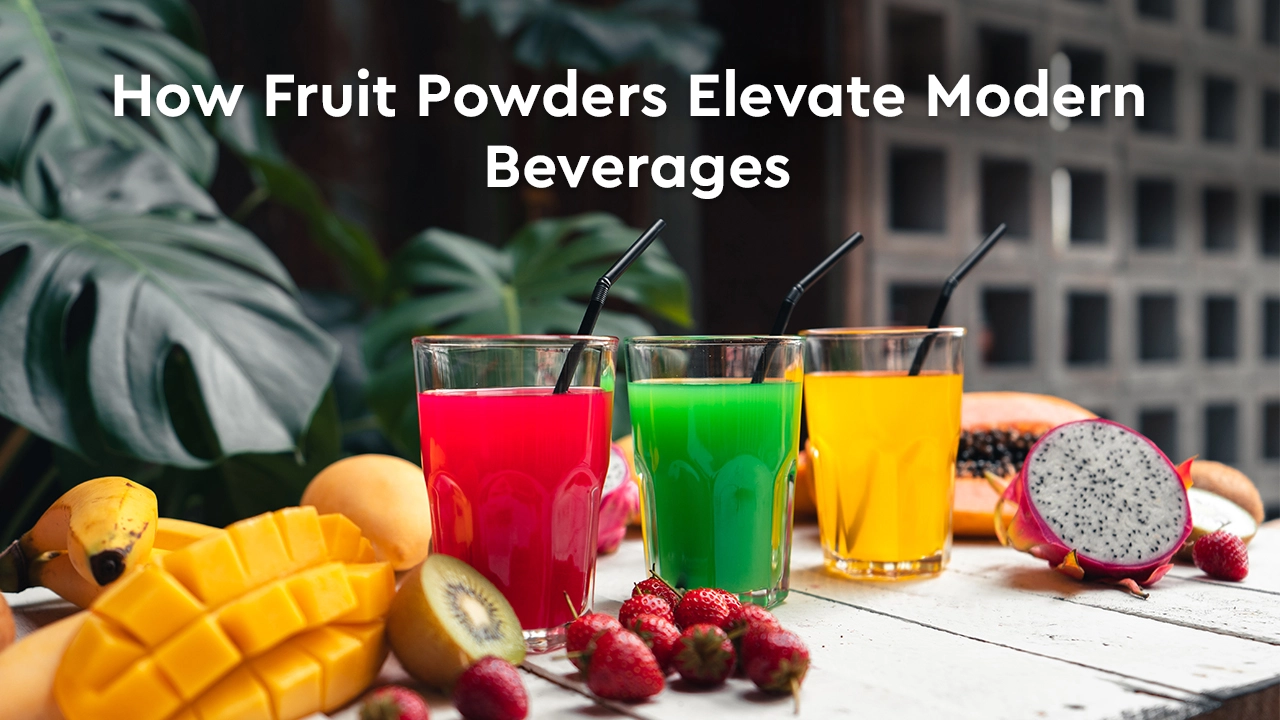
Image of Natural fruit powders for beverages adding real fruit flavor and color

Introduction to Fruit Powders for Beverages in the Industry

Fruit powders have emerged as the go-to option for beverage producers who desire consistency of formulations, processing effectiveness, and a longer shelf life. Created with advanced spray-drying processes, the fruit powders maintain essential sensory and nutritional features of fresh fruit. It offers excellent handling and storage advantages. In contrast to fruit purees or concentrates, fruit powders remove cold chain requirements and lower transportation expenses. Their flowability, uniform particle size, and flavor profile stability suit them for dry and liquid beverage applications such as instant premixes, energy drinks, RTD beverages, and flavored dairy or plant-based systems.

Enhancing Tropical Flavor Profiles in Beverages

Tropical flavors remain one of the most popular options of beverage innovation, as users worldwide increasingly seek natural, exotic taste profiles. Fruit powders enable manufacturers to deliver these profiles reproducibly over scale production. They contain controlled flavor strength and natural acidity, ensuring batch-to-batch consistency that is difficult to attain through fresh fruit derivatives. Furthermore, fruit powders allow formulators to create region-specific formulations to address local palates without changing the base-beverage matrix. This flexibility allows for faster product development, simplified flavor standardization, and improved operating efficiency among different production locations.

Orange Powder: A Zesty Contribution to Beverage Development

Orange powder provides a harmonious blend of citrus taste, fragrance, and acidity, and is thus a popular ingredient in functional and thirst-quenching beverage forms. From a production perspective, spray-dried orange powder offers very good solubility, low sedimentation, and even dispersion. It also aids in nutritional positioning with naturally derived vitamin C, enabling beverage companies to uphold natural ingredients without the need for artificial flavor boosters or acidulants.

Mango Powder: The Sweet and Exotic Aroma

Mango powder provides intense, sweet tropical flavor and silky mouthfeel that are popular in flavored milks, smoothies, and reconstituted fruit drinks. It provides consistent flavor intensity and coloring stability, with sensory integrity preserved even under extreme heat processing or long-term storage. Its year-round supply obviates seasonality dependence, a general pitfall of fresh mango pulp. Mango powder streamlines blending, minimizes variability, and provides reproducibility from batch to batch for beverage formulators. The result is that it is a strategic ingredient for large-scale beverage companies seeking to pursue tropical appeal with efficient process control.

Berry Powders: Flexible and Taste-Oriented Customization Options

Berries like strawberry, blueberry, and raspberry have a number of functional benefits over flavor enhancement. They provide natural color, nice aroma, and a perfect sweet-acidic taste to dairy and dairy free beverages. With their standardized structure, they provide consistent sensory performance and harmony with other flavor systems. Berry powders are commonly added to nutraceutical and functional beverages because of their antioxidant activity and established link with health and well-being. Their high solubility and fine particle size make them simple to blend in powdered premixes and ready-to-drink lines without any texture or clarity concerns.

Pineapple Powder: The Secret to Revitalizing and Tropical Drinks

Pineapple powder adds a characteristic tangy-sweet tropical character that is commensurate with the sensory expectations of energy and hydration beverages. It offers controlled acidity, allowing for enhanced flavor crispness while promoting balance in multi-fruit combinations. The powder form provides process stability, allowing consistent taste and color over different pH levels and thermal treatments. Its solubility and reconstitution character establish it as a great option for powdered beverage blends and liquid concentrates where uniform flavor dispersion is paramount. For producers, pineapple powder streamlines logistics and minimizes formulation complexity related to fresh fruit inputs.

Guava Powder: Exotic Flavor for Specialty Beverage Markets

Guava powder provides a distinctive sweet-tart taste with aroma intensity that separates it from other tropical fruit flavor choices. It is picking up momentum in niche beverage channels dedicated to exotic and regionally themed flavor varieties. The compatibility of the powder with acidic and neutral beverage systems enables it to be utilized in carbonated beverages, flavored waters, and RTD fruit blends. Its stable sensory properties and uniform flavor load allow for consistent duplication across batches of manufacture, facilitating brand differentiation and innovation in competitive beverage markets.

Balancing and Blending Fruit Powders to Achieve Complex Flavor Profiles

Achieving multi flavored involves strict control over sweetness, acidity, and aroma. Fruit powders facilitate such control through standardized strength of flavor and moisture level, allowing predictable performance during blending. Producers can blend powders to create layered, sophisticated profiles with efficient processability. Fruit powders are less likely to cause instability of flavors and microbial contamination compared to purees or concentrates. Their suitability for blending with many carriers and stabilizers enables easy blending with other functional ingredients like proteins, vitamins, and botanicals. This degree of formulation control facilitates consistent product performance between markets and batches.

Consumer Trends Dictating Demand for Tropical and Custom Flavors

Global drink trends are increasingly moving towards natural, fruit-dominated flavor profiles with lower levels of artificial additive presence. Fruit powders enable producers to respond to these trends successfully by offering scaleable, shelf-stable ingredients that reduce formulation and supply chain complexity. Enhanced interest in customization and geographic flavor trends has also increased the necessity for flexible ingredient systems. Fruit powders allow for brands to react quickly to new market opportunities, introduce seasonal flavors, or produce limited runs without affecting operations Their cost-effectiveness, consistency, and technical flexibility are key benefits to meet today’s requirements of beverage manufacturers in competitive, fast-moving markets.

Conclusion

Fruit powders have evolved as a prime addition in beverage development, providing formulators with the versatility to obtain true flavor, color, and nutritional performance without sacrificing production efficiency. Their compositional stability, solubility, and easy standardization make them suitable for use in beverages in a range of broad categories from functional hydration drinks to dairy and plant-based drinks. Vinayak Corporation has a range of spray-dried fruit powders including Mango, Pineapple, Orange, Guava, and Mixed Berry, which are optimized for beverage use where flavor and process stability delivery is critical. These powders offer producers consistent choices to meet market demand for natural, tropical, and customizable beverage profiles.

How State-Level Bans Are Accelerating Synthetic Dye Removal

How State-Level Bans Are Accelerating Synthetic Dye Removal

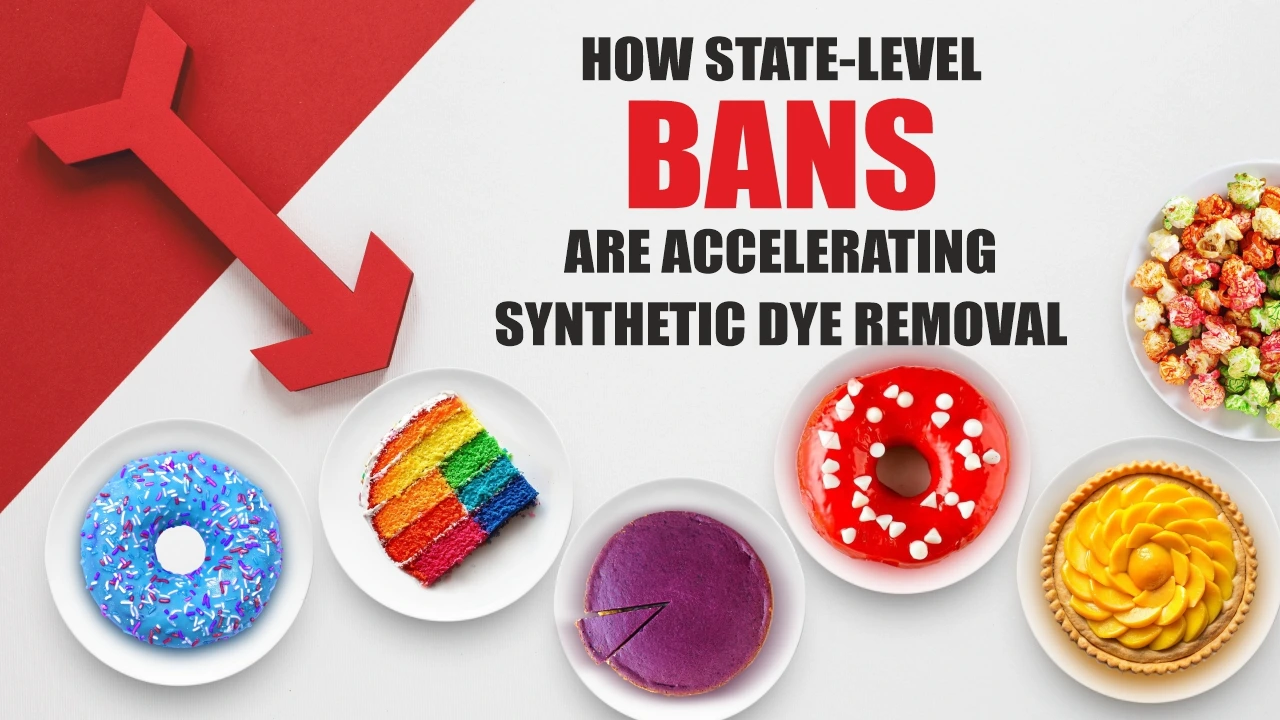
Natural food color additives replacing synthetic dyes in food industry

Synthetic food coloring has been a hallmark of processed food for decades in America and around the world, but increasing health concerns regarding their possible effects are reshaping the food industry landscape. Drawing together scientific data has determined some petroleum-derived colors to be linked to hyperactivity, allergies, and unfavorable long-term effects on children.

States are taking a leadership role in reconsidering color additive safety. California, West Virginia, and Virginia have already passed bans or restrictions, a national trend. As legislative momentum gains strength, natural food colors will be the standard.

West Virginia’s Sweeping Ban on Synthetic Food Dyes

West Virginia ranks low on many health measures and it hit the headlines when West Virginia became the first state in the U.S. to pass a sweeping legislation banning food dyes, including Red 3, Red 40, Yellow 5, Yellow 6, Blue 1, Blue 2, and Green 3, in the early part of 2025. The bill begins with school lunches and progresses to a full ban across the state by 2028.

This is due to rising public outcry against the use of artificial color among children and pressure from lobby groups calling for safer options. To manufacturers, it means that any product put in the market in West Virginia must be reformulated to fit new natural colors, calling for reformulation timelines.

California’s Ban on Artificial Dyes in School Foods

California has historically been a trendsetter on food regulation, and the state’s recent prohibition on six artificial food dyes that are added to foods that go into public school cafeterias is no exception. By targeting high-profile foods served in public schools, the bill attempts to directly affect the health of children but inadvertently compels manufacturers to reformulate for the larger market.

Considering the size and market power of California, this action is going to have a ripple effect throughout the whole US food supply chain. The nationally branded companies should brace themselves for the presumption that what occurs in California is going to become the standard elsewhere.

Virginia and West Virginia Legislation Targeting Removal of Synthetic Colors in Schools

Besides West Virginia’s general prohibition, Virginia and Utah also passed new legislation limiting  utilization of artificial food colorings in the school lunch program. Virginia was a follow-up to West Virginia’s challenge to coloring in school lunches, while Utah’s HB 402 prohibits the use of certain synthetic dyes and additives in foods served in public schools, classifying them as not permitted in the school meal context..

Together, these state efforts reveal a growing regional domino effect, especially in school systems whose primary objective is the nutrition of children. They suggest the way state law and local activism are propelling food reform faster than the federal agencies alone.

FDA’s National Plan to Phase Out Petroleum-Based Synthetic Food Dyes

The U.S. Food and Drug Administration (FDA) and the U.S. Department of Health and Human Services (HHS) recently released a phased plan to move away from petroleum-based synthetic dyes in the federal food supply. This federal initiative parallels state momentum, providing a uniform course of action for food manufacturers.

FDA is also approving and making available natural color additives like butterfly pea flower extract, spirulina, and paprika oleoresin at the same time. That this is happening both through eliminating artificial dyes and through increasing natural approvals makes reformulation in industry more easily done. Market Impact: Increasing Demand for Natural Colors

With regulatory wave and consumer pull in its favor, U.S. demand for natural colors is increasing at historic pace. Consumers grow more cautious about packaging that carries “synthetic” or “artificial” dyes and move towards brands that are committed to botany-derived, classical ingredients.

Natural colors follow health and safety trends and also bring marketing benefits to a company. They are a better for you kind of ingredient compared to synthetic and petroleum derived food dyes.

How Vinayak Facilitates the Transition

When prohibitions come into effect and reformulation deadlines loom, manufacturers need partners who can offer reliable, scalable, and regulation-friendly solutions. Vinayak Corporation joins U.S. brands at this time of transformation with:

Ecocol Natural Colors: Vinayak’s ECOCOL range has a robust range of stable, plant-based colorants like spirulina, turmeric, paprika oleoresin, butterfly pea flower, anthocyanin, beetroot, vegetable charcoal, natural TiO2 substitute, annatto and specially formulated

Technical Capability: Recommendations for pH compatibility, thermal stability, and application-specific concerns in beverage, confectionery, bakery, dairy, and nutraceutical use.

Custom Formulations: Natural color solutions to replace synthetics without reducing product attractiveness.

Scalable Sourcing: Reliable global supply chain and sustainable agronomy programs to provide repeat quality and access.

With Vinayak, food and beverage companies can reformulate with certainty, well ahead of changing regulation and meeting consumer demand for safer, natural products.

Conclusion: A Nationwide Shift is Underway

West Virginia, California, and Virginia state bans are not unique instances, they are at the forefront of a national movement away from artificial food dyes. With the FDA’s industry-wide phase-down program fueling this trend, the U.S. food industry is on the verge of entering an era in which natural colors will reign supreme.

Firms that move early in adopting natural solutions will be rewarded with consumer confidence, stay ahead of regulatory barriers, and be at a competitive advantage. Vinayak Corporation is poised to lead this shift with experience, innovation, and regular natural color solutions.

Butterfly Pea Flower Extract: A Versatile Natural Color for Foods and Beverages

Butterfly Pea Flower Extract: A Versatile Natural Color for Foods and Beverages

Unlock Natural Blue Color for Products with Butterfly Pea Extract

Introduction: The Rise of Natural Blue in the U.S.

Natural color from the petals of Clitoria ternatea or Butterfly pea flower is becoming widely popular as a plant-based solution for one of F&B formulation’s most challenging tasks: getting a stable natural blue color. Although red and yellow pigments from natural sources are prevalent, vibrant blues have been far more elusive. With its vibrant color, pH sensitivity, and just-in-time regulatory approval in the United States, butterfly pea natural color will become a favorite among companies looking to meet the demand for natural, plant-based, label-friendly color.

Chemistry of Pigments: The function of Delphinidin

The deep color of butterfly pea flowers is primarily due to anthocyanins, especially delphinidin derivatives. Anthocyanins yield a deep blue at near-neutral pH and shift towards purple or red under elevated acidity. This interactive tendency makes the extract a valuable natural color and functional interactive ingredient. Delphinidin-derived pigments exhibit varying functionality as a function of formulation parameters such as pH, temperature, and light exposure.

Scenario in the U.S. after Regulatory Approval of Butterfly Pea.

The successful approval of Natural blue color from Butterfly Pea by the U.S. FDA has opened multiple opportunities for Food and Beverage manufacturers. This action provides food and beverage manufacturers with the assurance of safety and compliance, opening the door to widespread application across product categories like beverages, dairy, and confectionery. For brands in America, FDA approval simplifies product development and accelerates time to market.

Applications of Butterfly Blue Pea Across Categories

Butterfly blue peas’ natural color is unique in its colour-changing properties, and thus, they find application across a broad spectrum of sectors. Already applied in herbal teas, lemonades, cocktails, ice cream, frozen desserts, confectionery, nutraceuticals, and even the culinary industry, their variability presents challenges to formulation, as anthocyanins are prone to degradation in high-acid, high-temperature, or light-exposed conditions. 

This adaptability is accompanied by formulation difficulties, since anthocyanins can degrade in high-acid, high-heat, or light-exposed situations. Successful uses reconcile art and science to maintain color vibrancy.

Foodservice market: Sauces, dressings, and plated dishes that feature plant art.

Formulation challenges arise because anthocyanins, which balance this adaptability, break down under high-acid, high-heat, or light-exposed conditions. Successful applications balance creativity with scientific restraint to preserve color brilliance.

Stability and Processing Considerations

Stability is of utmost concern for consumer acceptability. As per Vinayak’s ecocol range, the best pH for butterfly pea extract is 3.0 to 5.0, which is most color stable and aesthetically vibrant. It is moderately heat-stable and suitable for low to moderate heat application. Some general practices that can be used to boost stability include:

1. pH control: Formulations are ideal in ranges where the pigment naturally exhibits the most vivid and stable color.

2. Encapsulation: Encapsulation techniques protect pigments from oxidation, heat, and light.

3. Process optimization: Controlling thermal processes and packaging to optimize shelf life.

Supply Chain and Scalable Sourcing

As demand grows in the U.S., guaranteed sourcing is critical. Clitoria ternatea production is optimum in the tropics, and systematic agronomy programs are being launched to ensure a consistent supply. Ideal practice consists of selective planting for high delphinidin content, controlled drying, and strict traceability programs. 

Market Potential and Competitive Positioning

The U.S. natural colors market is growing strongly as consumers look to move away from synthetics. Butterfly pea extract provides a distinctive deep blue that is difficult to find naturally and interactive storytelling opportunities through its color-changing qualities that generate social-media-friendly experiences. Its adaptability also enables crossover application among beverages, bakery, dairy, nutraceuticals, and culinary uses, positioning it as a utility brand of choice for differentiation.

Innovations in Extraction and Processing

R&D advancements are increasing the yield, purity, and stability. Some of these advances are:

1. Environmentally friendly extractions: Low-solvent, eco-friendly processes.

2. Enzyme-assisted approaches: Better pigment recovery with minimized energy usage.

3. Microencapsulation systems: Increasing stability in acid or heat-treated products.

4. Joint formulation assistance: Specialized expertise among suppliers and manufacturers.

Conclusion: Unleashing the Potential of Butterfly Pea 

Butterfly pea flower extract is a novel natural food color innovation breakthrough. Delphinidin contains anthocyanins and provides dark, pH-dependent colors, and FDA clearance attests to its safety. With a pH window of optimum 3.0–5.0 and moderate thermal stability, the extract presents technical and marketing advantages. Scalable sourcing initiatives, strong consumer demand, and ongoing R&D are the secret ingredients for innovative U.S. food and beverage companies.

Recent Approvals of New Natural Food Color Additives

Recent Approvals of New Natural Food Color Additives

FDA approved natural blue food color from Butterfly Pea Flower, Spirulina, and Gardenia Blue in 2025.

The FDA approved a number of natural-origin color additives in 2025, driving away from synthetic dyes. Recently, the USFDA has given the green signal to three natural colors, most notable for their blue color, functionality, and consumer value. These include Natural blue color extracted from Butterfly Pea Flower, Spirulina blue, and Gardenia Blue containing the active genipin. This regulatory milestone provides ingredient developers such as Vinayak an exciting chance to provide innovative, safe, and market-relevant color solutions.

Newly Approved Natural Food Colors and Their Applications 

Butterfly Pea Flower Blue is a pH-sensitive blue colorant that produces deep blues and purples due to its coloring pigment, Anthocyanin. Approved for use in food and beverages, dairy drinks, ready-to-drink teas, chewing gums, candies, ice cream, yogurt, and reaching as far as snack foods like breakfast cereals, crackers, chips, and pretzels. Used extensively in uses such as herbal teas, lemonades, cocktails, frozen desserts, candies, Alcoholic Beverages, Confectionery, nutraceuticals, and the Culinary Industry.

Spirulina Blue: although not recently licensed for use in 2025, this blue-green algae-based color is still a staple on the natural color range. Traditionally used in confectionery, chewing gum, dairy, and desserts, it continues to be a foundation point for natural blue colorations, allowing easy assimilation.

Gardenia Blue: In July 2025, the FDA approved Gardenia jasminoides, a natural blue color produced by the pigment genepin from gardenia fruit, for applications in sports drinks, flavored waters, fruit drinks, ready-to-drink teas, and hard and soft candies. It is yet another addition to the natural weapons for beverages and confectionery as synthetic blues are phased out.

These approvals and uses expand the natural color palette, enabling more formulation flexibility and supporting the regulatory push to phase out synthetic dyes.

Natural vs. Synthetic Dyes: Safety, Taste, Stability, and Regulation

Safety: Both gardenia blue and butterfly pea extract withstood the FDA’s rigorous testing, toxicological, and exposure evaluations prior to approval. Similarly, Spirulina has been used for several decades. On the contrary, synthetic dyes such as Red No. 3 were questioned due to possible health concerns, inviting regulatory imperatives for phase-outs.

Taste: Natural extracts may impart subtle flavors. Formulators often compensate through blending or masking, while synthetic dyes remain flavor-neutral. However, consumer preference for authenticity outweighs this limitation.

Stability: Vinayak’s natural color solutions offer pH and heat stability. While synthetic dyes prove more resilient to processing, they lack the consumer and regulatory approval that natural colors currently have.

Regulation: The FDA has called for a voluntary phase-out of petroleum dyes such as Red No. 3 before the 2027 deadline. Natural alternatives will facilitate this transition; the food market is already on board with reformulation.

Role for Ingredient Manufacturers Such as Vinayak

Vinayak is poised to spearhead this transition by taking advantage of its competitive advantage in:

  • Industry-leading extraction and formulation delivering intense, high-quality colors, and addressing stability issues across applications.
  • Technical collaboration and regulatory assistance helping brands manage compliance, testing, and scale-up.
  • Customized blends and storytelling assistance: integrating butterfly pea, spirulina, and gardenia blue to showcase transparency and consumer trust.
  • Consistent, sustainable supply chains ensure consistency and scalability.

This targeted strategy provides Vinayak with a competitive edge in defining the future of natural food color.

Final Thoughts

Natural colors offer an intense color without the harmful effects of synthetic dyes. The approval of these colors indicates a profound market shift from artificial to natural colorants. As synthetic dyes are under speculation and undergoing a ban, F&B manufacturers need to shift to their natural counterparts. The aptation of manufacturers to natural blue colors like Spirulina, Gardenia Blue, and Butterfly Pea color pigments provides them a competitive edge in this ever-growing market. Choosing manufacturers like Vinayak who make R&D investments, ensure supply security, and engage in collaborative innovation will define the destiny of naturally colored vivid food and beverage products.

Impact of Removing Red No. 3 Color Additive on Product Reformulation

Impact of Removing Red No. 3 Color Additive on Product Reformulation

Red No. 3, or Erythrosine, has been used for years to add a bright cherry-red color to baked goods, beverages, confectionery products, and specific pharmaceutical uses. Its affordability and stability in the long term in some uses led to its being a favorite synthetic coloring substance for decades. But changing regulatory policies and increasing safety concerns have altered the scenario. The FDA has banned the use of Red No. 3 in foods, dietary supplements, and internally consumed drugs. Firms now have to act under the compulsion of reformulating impacted products.

Regulatory Environment

The FDA is banning Red No. 3 on grounds of carcinogenicity. By January 2025, this led to a final ruling officially prohibiting its use in foods eaten in the United States, with 2027 food and 2028 medicine compliance dates. This places the U.S. on the path toward catching up with the European Union, where it has traditionally placed stricter requirements on using Erythrosine in foods. Other countries, such as Japan’s MHLW, restrict or limit its use.

To global manufacturers, the reformulation hurdle is not exclusive to US markets. Compliance across jurisdictions requires recipe modification that maintains product quality while meeting international standards.

Uses of Red No. 3 in Foods and Beverages

Before its ban, Red No. 3 played several vital roles:

It produces deep, rich red color for gels, frostings, and candies, and has shown consistent performance across pH and light conditions. Compared to many of its natural alternatives, it is an affordable coloring agent. Despite these advantages, its link with safety issues and consumer demand to know the origin of ingredients made it impossible for it to be used in the long run.

Challenges of Reformulation

Producing products without Red No. 3 presents some technical and commercial challenges:

1. Color Matching: Identification of an alternative with the same cherry-red depth without color shift or bleaching during processing.

2. pH Sensitivity: Natural reds can be heat—and pH-sensitive, presenting formulation challenges in beverages and baked foods.

3. Cost and Supply: Botanical substitutes are more costly and derived from agricultural supply fluctuation, affecting price and supply.

Natural and Alternative Options

Red No. 3 substitutes are under consideration by manufacturers in the form of natural and synthetic substitutes. Among the most prevalent ones are:

1. Rubra Red – Natural pink-red color from a beta-carotene material. It is suitable for processing at high heat and extensively used in fatty-based and dry mix products, particularly where warm red shades are desirable.

2. Paprika’s natural color — Paprika oil or Paprika oleoresin from red pepper (Capsicum annuum) gives it a rich red color. It is soluble in fat-based formulations and can be employed in numerous savory and fatty food items.

3. Carmine (Cochineal Extract)—This natural color, derived from the cochineal insect, is used for deep red to crimson tones. It is highly stable over a broad pH, heat, and light range and finds applications in beverages, milk products, confectionery, and bakery.

The choice relies on the product matrix, process conditions, and positioning of the target consumer.

Strategic Implications for Manufacturers

Phasing out Red No. 3 comes with its own challenges like:

1. Longer R&D Time Frames: Comparative testing of alternative color sources under different processing and storage conditions.

2. Consumer Acceptance: The end product must satisfy appearance, taste, and shelf life requirements.

3. Transparent Labeling: Label natural alternatives or altered lists of ingredients clearly to prevent confusion.

4. Global Alignment: Regulatory-synced formulation development to address multiple regulatory requirements and reduce geographical variability.

Conclusion: 

Removing Red No. 3 represents a notable milestone in further moving toward non-petroleum-derived synthetic coloring agents. Short-term reformulation difficulties are traded for the opportunity for manufacturers to become innovative with artful natural alternatives that meet changing consumer attitudes and regulatory necessity. Natural colors provide a competitive edge to companies in an increasingly transparent, safe, and sustainable marketplace.

Why Brands Are Making The Switch To Natural Food Colors Introduction

Why Brands Are Making The Switch To Natural Food Colors
Introduction

Natural food colors in food and beverage industry innovations

Consumer preference is shifting away from petroleum-derived artificial food color to
natural food coloring, on the basis of reasons including safety, transparency, and
sustainability. It has been witnessed in consumers, regulators, and food and beverage
manufacturers. Natural food dyes are trending as consumers become more sensitive to
sensitivities and potential health impacts created by artificial colorings, such as
hyperactivity among children and allergic responses among sensitive parties. Food and
beverage regulatory bodies across the globe have responded with tighter labeling
regimes or new prohibitions, pushing the food and beverage industry towards plant
food. This is driven by shifting customer values and health issues.

The Market Trend towards Natural Colors

The global natural food colors market is set to grow sizably, fueled by regulatory limits
on artificial dyes and increasing consumer affinity for natural and healthier products.
High growth will be witnessed in the Asia-Pacific region, with market revenue from
USD 346.4 million in 2022 growing to USD 717.3 million in 2030, corresponding to a
CAGR of 9.5%. It is also fueled by widespread high-volume uptake across numerous
industries.

The Undisclosed Challenge: Reformulation of Products using Natural Colors

Formulation change to accommodate natural colors is with technical challenges. They
are mostly less stable than synthetic colorants, are sensitive to heat, light and pH.
Technical innovation is overcoming these issues. Techniques like microencapsulation,
nanoemulsions, and refined extraction processes have enhanced heat, light, and pH
stability. These innovations preserve color, improve shelf life, and provide new
possibilities for natural color in demanding applications. Breakthroughs in encapsulation
and ingredient delivery systems allow natural colorants to preserve strength under
different process conditions. Regulatory Pressure on Synthetic Colors
Certain artificial colors are banned or stric labeled in most areas.

EFSA, the European Food Safety Authority, has outlawed food dyes linked to
hyperactivity in children.

In the U.S., the Food and Drug Administration prohibited a sequence of petroleum-
based dye products, such as FD&C Red No. 3, in cosmetics and certain foods, on grounds
of safety. California has also passed a bill prohibiting the use of a number of artificial
food colorings in children's food for hyperactivity and other health causes by 2027. The
regulatory environment forces the industry to use plant-based colors such as
anthocyanins, carotenoids, and betalains. Sustainability and Consumer Perception
Natural dyes are usually derived from renewable crops, vegetable and fruit processing
waste or by-products, such as skin, seeds, and pulp.
Use of co-products in this way minimizes food waste and improves circular economy
operations. A case in point is grape skin, to be used for anthocyanin pigments, which
often comes from wine waste production, and carrot pomace can be processed to
produce beta-carotene. The method, apart from reducing the environmental footprint,
also reinforces agricultural value chains as it improves farmers' and processors'
revenues.

Conclusion

The movement towards natural colors in foods is the intersection of regulatory,
technological, and consumer forces. Formulation hurdles remain, but ongoing progress
in pigment stabilization is making natural options increasingly viable to large-scale
production.

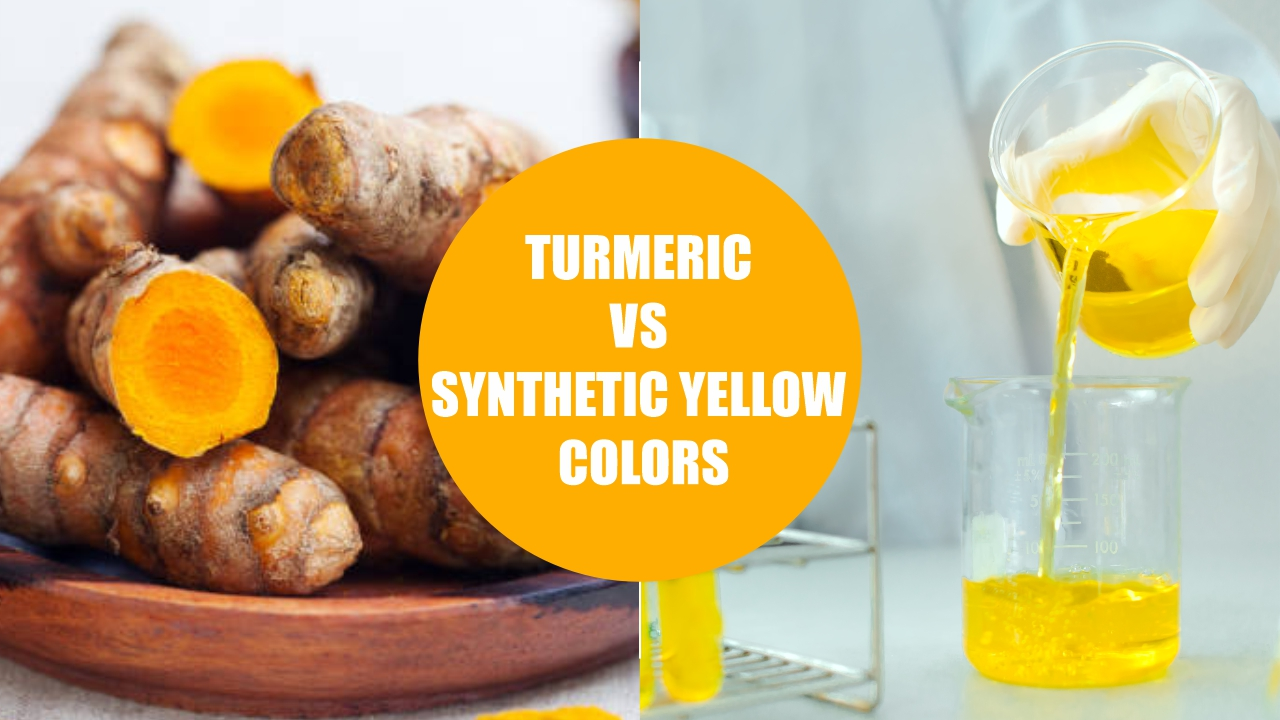
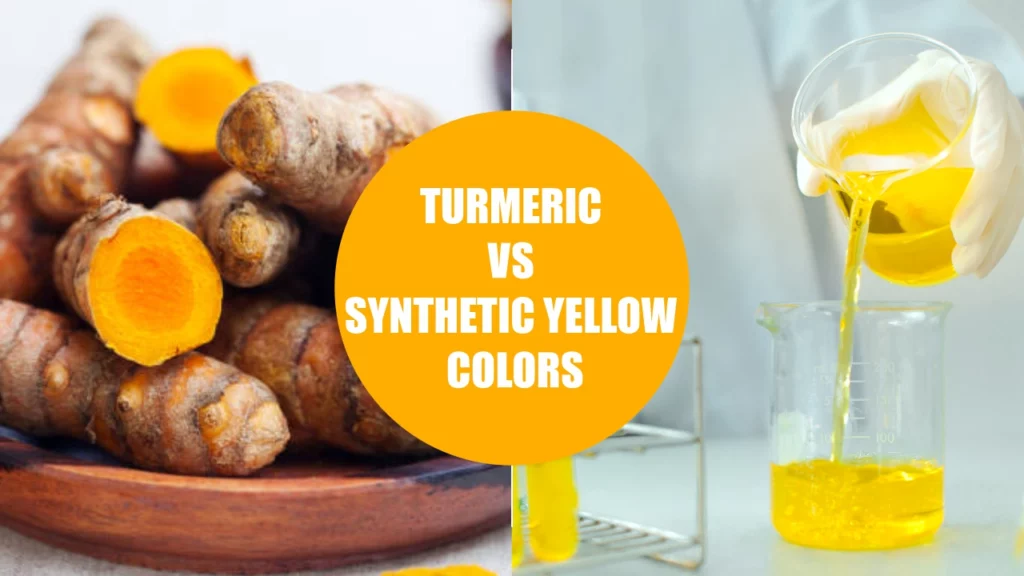
Turmeric vs Artificial Yellow Colors

Turmeric vs Artificial Yellow Colors​

What is Turmeric Color or Curcumin, and Why is it used in Food?

Turmeric color is obtained from the Curcuma longa rhizome, whose main active ingredient, curcumin, is responsible for the characteristic bright yellow color. Traditionally applied in food and medicine, it is increasingly becoming relevant in food processing on account of its bright color and natural origin. Turmeric color in processed food has the virtue of warm shade, ease of use, and compatibility with oil and water-based applications. It finds wide application in blends, snacks, sauces, pickles, rice foods, and dairy foods. Its usability in dry mix applications and heat-treated foods allows it to be the most sought-after yellow (PMC) by manufacturers as a stable natural alternative.

Health Concerns Associated with Synthetic Yellow Pigments

Dyes like Tartrazine (Yellow 5) and Sunset Yellow (Yellow 6) are petroleum-based and still used as additives in most packaged food. Various studies have linked them to health issues. For instance, studies suggest that tartrazine is likely to induce hyperactivity in children (CSPI). In certain groups, such dyes have also been reported to trigger allergic reactions and immunologic responses. Regulatory agencies such as EFSA and FDA have examined these dyes and, in a few instances, mandated warning labels. Their chemical structure, especially their azo moieties, has been the focus of toxicological research for decades.

Natural Turmeric Color: Health Benefits Beyond Coloring

Curcumin, the pigment in turmeric, has been studied at length for its biological activity. It has antioxidant and anti-inflammatory activities. Research indicates that it can reduce oxidative stress (Healthline) and maintain joint function. There is also emerging evidence that it plays a role in improving metabolic and cardiovascular health. Curcumin acts on cellular signaling and maintains the body’s own detoxification processes. These qualities make it a compound of interest for both the food and nutraceutical industries.

Comparison of Performance: Color Strength, Stability & Shelf Life

  • Color Strength

Turmeric color provides a rich, golden-yellow hue. Although it might need greater inclusion levels than artificial dyes, formulation developments such as microencapsulation have improved its pigment retention and consistency (MDPI). It is consistently reliable in both transparent and opaque formulations and is available for a broad range of food uses.

  • Stability

ECOCOL’s Curcumin is pH and heat-sensitive. It shows excellent heat stability across various applications. It works best in the pH range of 3.0-6.0. It offers high color payoff with small dosages.

  • Shelf Life

Synthetic dyes usually have a longer shelf life, but new formulations of turmeric color have significantly bridged the gap. Turmeric colors can last for up to 12  months if stored in low-humidity and light-proof packaging. Spray drying and emulsification are among the methods that have made them easier to use in many food matrices without affecting performance.

Why Choose Vinayak: Reliable Manufacturer & Exporter of Turmeric Color to the USA

At Vinayak, we are expert manufacturers of natural turmeric color in various forms, custom-made for food and beverage manufacturers worldwide.

Our Ecocol range provides 

  1. Powdered and Liquid Form
  2. Oil Soluble (OSL) and Water Soluble (WSL) Grades
  3. Stable Color Pay-Off Across Applications
  4. Heat and pH Stable Formulations

We provide turmeric color solutions for food and beverage producers in regulated markets such as the USA with high-performance, quality, safety, and formulation meeting solutions, perfect for replacing synthetic yellow dyes in large volumes.

Contact Us

If you’re looking to replace synthetic yellow colors with turmeric-based alternatives or want customized formulation support, reach out to us:

✉️ inquiry@vinayakcorporation.com 🌐 vinayakcorp.aufy.net/