icon-globe
Search Connect with us

Importance of Mineral Chelation in Animal Feed

Vinayak Ingredients’ chelated mineral premix for global B2B

In modern animal nutrition, the focus has shifted from meeting basic dietary requirements to enhancing overall health, performance, and sustainability. Minerals play a crucial role in various biological processes, including growth, immunity, reproduction, and metabolic function. However, the form in which these minerals are incorporated into feed significantly affects their absorption and utilization.

Traditional inorganic minerals like sulfates and oxides are often poorly absorbed due to interactions with other dietary components, which leads to low bioavailability, increased excretion, and environmental waste. To overcome these challenges, the use of chelated minerals, where minerals are bound to organic carriers like amino acids, has gained widespread attention in livestock and poultry nutrition. Chelated minerals offer effective absorption, enhanced animal performance, and greater cost efficiency over time. They not only reduce the environmental impact of mineral supplementation but also support better feed conversion and improved product quality.

What is chelation?

Chelation is a chemical process in which a mineral (such as zinc, copper, iron, or manganese) is bound to an organic molecule, which is called a chelating agent. A chelating agent can bind tightly to metal at two or more points, forming a stable ring-like structure. The resulting compound is called a chelated mineral or mineral chelate. This bond protects the mineral from unwanted interactions in the digestive tract that can reduce its absorption.

Chelated mineral compound used in livestock nutrition

Why Chelated Minerals Are Preferred:

Diagram of a chelated mineral bound to organic molecule

  • Enhanced Bioavailability– Chelated minerals have higher bioavailability compared to their inorganic counterparts. The chelation process protects minerals from interactions with other compounds in the digestive system, allowing for better absorption.
  • Improved Absorption– Chelated minerals are more easily absorbed in the digestive tract. The organic molecules surrounding the mineral help facilitate transport across the intestinal membrane, leading to increased absorption into the bloodstream.
  • Reduced Antagonistic Interactions– Inorganic minerals may compete with each other for absorption in the digestive system, which leads to reduced overall bioavailability. Chelated minerals are less likely to interact negatively with each other, allowing for a more efficient absorption of individual minerals.
  • Targeted Nutrient Delivery– Chelated minerals can be designed for specific functions within the animal’s body. For example, zinc and copper chelates are commonly used to support skin and hoof health in livestock. This targeted delivery allows for a more precise and effective supplementation strategy.
  • Improved Animal Performance– The animals may experience better growth rates, reproductive performance, and overall health due to the increased bioavailability and improved absorption of chelated minerals. It leads to improved efficiency in production systems.

Benefits of Chelated Minerals:

  • Enhances absorption across the intestinal membrane.
  • Improves metabolic utilization.
  • Stabilizes more in the gut
  • Reduces antagonism, interference, and competition among the minerals.
  • Improves animal health and immunity.
  • Reduces mineral excretion and environmental pollution.
  • Enhances the growth, production, and reproduction of an animal.

Oganovin and other mineral premixes are available on the Vinayak Ingredients India Pvt. Ltd. visit there to learn more about the significance of chelation.

*References on request*

Natural Yellow Alternatives to Banned Synthetic Food Colors

Natural Yellow Alternatives to Banned Synthetic Food Colors

As health-conscious consumers increasingly look to safer and more natural ingredients in their foods, synthetic yellow food dyes like Yellow 5 and Yellow 6, along with others, are facing growing scrutiny. These artificial colorings have been connected to allergic responses and behavioral challenges, prompting regulatory limitations and heavy pressure for improved alternatives. Now, food and beverage companies are looking to natural yellow food color solutions to satisfy both safety requirements and consumer demand.

Natural yellow food colorants are plant-based and not only provide vibrant colors but also an origin story and sense of trust. Plant-based yellow colorants are perfect for manufacturers seeking to substitute synthetic dyes with cleaner, safer alternatives in line with contemporary food trends. Some of the most trusted and commonly used synthetic yellow substitutes include Beta-Carotene, Turmeric, and Annatto.

Natural yellow food color from Vinayak Ingredients under the ECOCOL brand, plant-based alternative to synthetic yellow dyes

Beta-Carotene: A Trusted Natural Yellow

Beta-Carotene provides a bright yellow to orange hue and is famous for its reliable performance in a vast array of food uses, including dairy foods and beverages, through to baked foods and snacks. Stable and simple to blend, it is a default natural yellow food color choice for companies that want both quality and consumer confidence.

Turmeric: Strong, Brilliant, and Natural

Turmeric contributes a rich lemon-yellow color and is well known for its natural origins and heritage. It’s mostly applied in sauces, soups, savory snacks, and seasonings. Apart from its coloring, turmeric provides an authentic and familiar addition, particularly in traditional and ethnic food applications. It’s a vibrant and stable plant-based yellow colorant that speaks volumes to consumers looking for recognizable ingredients.

Annatto: Natural Flexibility in Two Forms

Annatto is a multipurpose plant-based yellow colorant extracted from the seeds of achiote. It is available in two forms:

● Bixin (oil-soluble) – suitable for use in cheese, margarine, and butter.

● Norbixin (water-soluble) – applied in cereals, snacks, and baked foods.

Annatto provides a warm yellow to orange color and is stable in a variety of food systems. Due to its adaptability and extensive usage, it ranks as one of the leading synthetic yellow substitutes in processed and prepared foods.

Choosing the Right Natural Yellow Color

When selecting a natural yellow food colorant, keep in mind the product type, shade of color desired, and formulation requirements. Whether you require a deep orange hue for milk or a lemon yellow for soups, there is a vegetable-based plant-based yellow colorant that can meet your expectations. Brands can produce stunning products without compromising safety or consumer acceptability.

Why Go Natural

Natural yellow food coloring is more than a synthetic yellow substitute, it’s part of a larger movement toward transparency, safety, and plant-based innovation. Consumers are becoming label-readers and reach for products containing ingredients they recognize. Employing natural yellow food color alternatives such as beta-carotene, turmeric, and annatto enables food companies to remain competitive while building brand confidence.

Conclusion

 As the food industry shifts away from artificial additives, natural yellow food colors provide a strong mix of safety, functionality, and consumer acceptance. Choices such as beta-carotene, turmeric, and annatto enable manufacturers to provide bright, consistent color with assurance.

At Vinayak Ingredients, we provide an extensive palette of vegetable-based plant-based yellow colorant solutions under our ECOCOL brand, expertly engineered for snacks, drinks, dairy, sauces, bakery, and more. Join forces with us and introduce natural radiance to your products.

PROLIFISOW: Improving Milk Production in Hyper Prolific Sows

PROLIFISOW natural feed additive for hyperprolific sow milk production.

A primary objective of pig farming is to market the maximum weight of pork in the shortest possible time. Achieving this requires high pre- and post-weaning growth rates and minimal mortality, which depends on the nutrients provided to the piglets.

Piglets are born with low body fat reserves and immature immune systems, which makes them completely dependent on milk for survival and growth. Sow milk is a main source of energy and nutrients for piglets, which, along with macronutrients, contains bioactive substances such as immune compounds, enzymes, hormones, and growth factors. Sow milk has been shown to enhance piglet performance and stimulate visceral organ and skeletal muscle protein synthesis in neonatal piglets. It helps in the growth and fattening, eventually improving economic productivity.

Factors Impacting Milk Production in Sows

Key biological and environmental factors impacting milk production in hyperprolific sows

Different Biological and environmental factors affect milk yield and composition, such as

  • Weaning weight
  • Parity (number of previous litters)
  • Body condition
  • Mammary glands
  • Litter size
  • Piglet size
  • Nursing frequency
  • Environment

The Challenge of Genetic Selection and Hyperprolific Sows

In past decades, genetic selection in pig production has focused on improving lean meat and increasing litter size. Hyperprolific sows can produce 18–20 or more piglets per cycle, but the number of functional teats remains the same. This might lead to competition among piglets for milk, resulting in low birth weights, higher piglet mortality, and increased stress on sows.

The increased need for milk due to higher litter production impacts the health of the sow. They use body reserves to complete the high milk demand for feeding a large litter. This may negatively affect performance in the next farrowing and cause weight loss in the sow. Lactating sows need energy and nutrients to maintain health and support milk production. Increased negative nutrient balance during lactation can be reduced by improving feed intake or nutrient concentrations of the sows’ diet.

Nutritional Strategies to Support Lactation

Targeted nutritional strategies are essential to improve lactation in sows. Increasing the sow’s energy intake through a high-energy diet with amino acids such as lysine, threonine, and methionine, and micronutrients like vitamins and selenium, is important for milk protein synthesis. Plant-based compounds in the diet of sows positively affect milk production.

              PROLIFISOW is a swine feed additive containing bioactive compounds that help to improve and maintain milk production in hyperprolific sows. It contains bioactive compounds with galactagogue properties, helping to improve the milk production in sows. PROLIFISOW also contains gluconeogenic compounds that help to stabilize the metabolic state of sows, prevent negative energy balance, and support productivity.

PROLIFISOW supports better sow health, enhances piglet growth, and increases production efficiency.

  Benefits of Prolifisow

 showing how PROLIFISOW improves milk production in hyperprolific sows and supports piglet growth

Improve the litter productivity and subsequent profitability with PROLIFISOW!
*References on request*

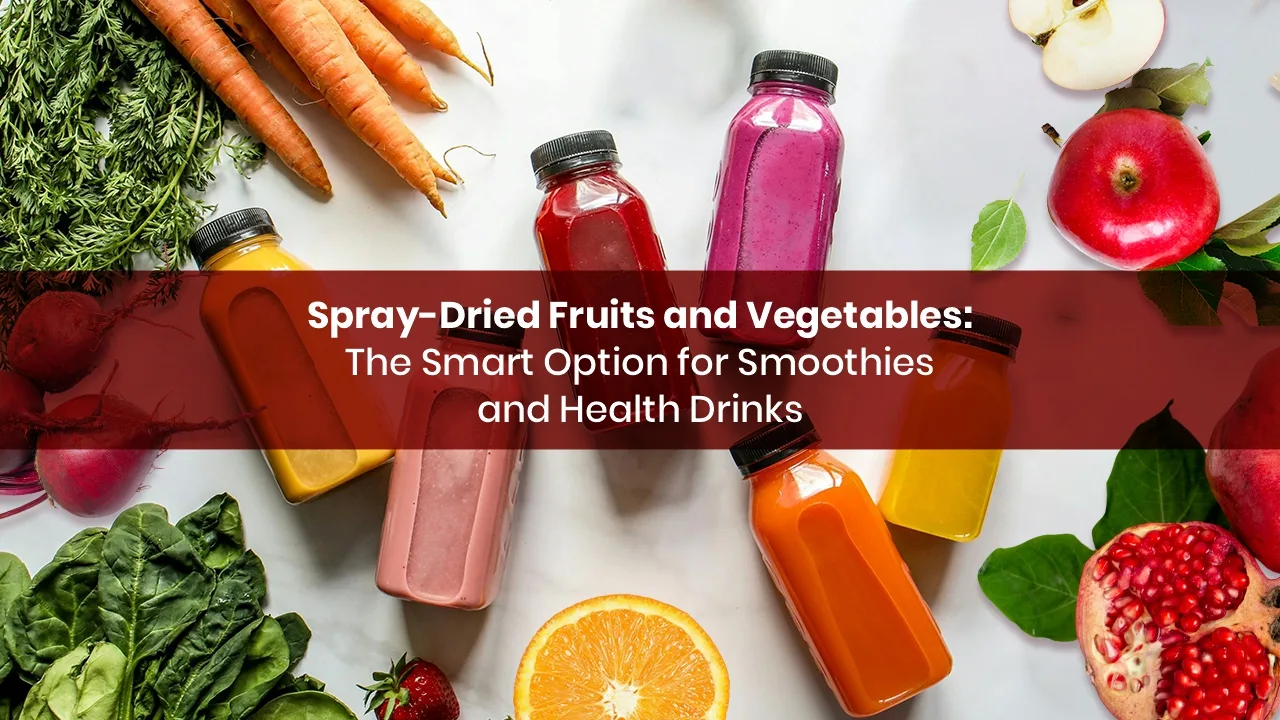
Spray-Dried Fruits and Vegetables: The Smart Option for Smoothies and Health Drinks

Boost Nutrition with Spray-Dried Fruit and Vegetable Powders

With health and convenience reigning supreme today, spray-dried fruits and vegetables have proven to be the game-changer for health enthusiasts and hectic lifestyles. These cutting-edge spray dried powders enable individuals to add the goodness of fresh fruits and vegetables to their daily lives with ease, without having to deal with storage, spoilage, or preparation time. Whether you’re blending a vibrant smoothie, mixing a refreshing health beverage, or creating nutrient-packed snacks, spray-dried powders offer a practical, shelf-stable, and nutrient-rich option that bridges the gap between convenience and wellness. With increasing consumer demand for natural and functional foods, spray-dried fruit and vegetable powders are becoming staples in kitchens, cafes, and health food production worldwide. Their capacity for maintaining nutrition, taste, and color makes them suitable for clean-label products and everyday health routines.

Spray-dried fruit and vegetable powders by Vinayak Ingredients – Manufacturer and Exporter

What Are Spray-Dried Fruits and Vegetables?

Spray drying is an advanced method employed to transform liquid fruit and vegetable juices, puree, or extracts into delicate, dry powders by dewatering them quickly using hot air. These spray dried powders thoroughly retain the natural flavors, colors, and essential nutrients of the fresh fruits and vegetables, including vitamins, antioxidants, and minerals. Spray drying, unlike other conventional drying technologies that can compromise quality, retains a high degree of nutritional integrity and yields powders with good lightness, convenience in storage, and a long shelf life. Since they are extremely dry, these spray-dried fruits and vegetables need no refrigeration, which minimizes wastage and makes them extremely convenient for consumers and food manufacturers alike.

Advantages of Utilizing Spray-Dried Powders in Smoothies

Increased Nutritional Content:
Spray dried powders maintain and concentrate the nutrients present in fresh fruits and vegetables, providing a very strong source of vitamins, minerals, and antioxidants per scoop.

Long Shelf Life:
Lack of moisture significantly prolongs the shelf life of such powders, rendering them a convenient pantry item that minimizes waste and spoilage.

Convenience:
With no need to wash, peel, or chop fresh fruits and vegetables, time is saved, and any individual can easily prepare nutrient-rich smoothies and beverages instantly.

Consistency:
Powders offer consistent color, flavor, and texture, guaranteeing a predictable taste experience in each batch.

Versatility:
Spray-dried fruit and vegetable powders can be easily incorporated into smoothies, juices, health shots, protein shakes, and even baked items or sauces.

Popular Spray-Dried Ingredients for Smoothies

Spray-dried fruit and veggie powders are renowned for their power to condense robust nutrition and flavor into a handy package. These are some of the most admired ones that not only add flavor to your smoothies but also offer a range of health benefits:

● Apple Powder
Apple powder is a versatile ingredient known for its mild sweetness and familiar taste that blends seamlessly with various smoothie flavors. Rich in dietary fiber, it helps promote satiety and supports healthy digestion. Apples are also a good source of antioxidants like quercetin and vitamin C, which contribute to heart health and reduced oxidative stress. The powder form allows for easy incorporation into your daily drinks without the mess of fresh fruit.

● Orange Powder
Orange powder provides a bright citrusy flavor and is a rich source of vitamin C, which enhances immunity, aids collagen formation, and improves iron absorption. Orange powder provides a refreshing zing in smoothies and benefits skin and heart health due to its dense content of flavonoids and antioxidants.

● Pomegranate Powder
Pomegranate powder provides a tart sweetness and a potent dose of polyphenols and anthocyanins, which are rich in potent antioxidant and anti-inflammatory power. It is beneficial for heart health, helps to alleviate oxidative stress, and provides a bright pinkish color to smoothies.

● Spinach Powder
Spinach powder for smoothies is a nutritional giant that provides a concentrated source of iron, vitamins A, C, K, and folate, nutrients vital for energy metabolism, immune function, and bone health. This green powder is ideal for infusing a nutrient kick without dominating the flavor of your smoothie. It’s especially favored by those who wish to boost vegetable consumption and improve overall well-being naturally. Regular use of spinach powder for smoothies allows consumers to benefit from leafy greens even when fresh spinach is not available.

● Carrot Powder
Carrot powder is high in beta-carotene, a potent antioxidant that is converted to vitamin A in the body and helps protect eyes, skin, and the immune system. It provides a subtle sweetness and earthy color that can add visual appeal and nutritional value to your smoothies.

● Beetroot Powder
Beetroot powder is renowned for its rich red hue and significant health benefits. Packed with antioxidants and dietary nitrates, beetroot powder ensures good cardiovascular health by encouraging improved blood flow and reducing blood pressure. Beetroot powder’s natural sweetness contributes an earthy but not unpleasant taste to smoothies. Beetroot also enhances stamina and endurance, which is why athletes and active individuals favor it.

Including Spray-Dried Powders in Your Diet

It’s easy to incorporate spray dried powders into your daily life. Just blend them into smoothies, shakes, or juices for a quick shot of nutrition. Sprinkle them over yogurt or cereal, mix them into oatmeal, or add them to baked goods to enhance flavor and nutrition. Their durability allows you to stock up on several different kinds of spray-dried fruits and vegetables so that you can have a supply of different nutrients available year-round, regardless of what’s in season.

Final Thoughts

Spray-dried fruits and vegetables provide an easy, healthy, and versatile means of adding more wholesome produce to your diet. Whether a health-conscious individual, busy professional, parent, or food manufacturer looking to add value to their product, spray dried powders offer a safe and sure way to maximize the benefits of fresh fruits and veggies without sacrificing any nutritional value. Harness the strength of spray-dried powders like spinach powder for smoothies, and take your smoothies and health drinks to new heights.

Optimizing Fat Utilization in Poultry Feed with VINEMULSI

Chicken feeding on grain with fat emulsifier benefits – VINEMULSI by Vinayak Ingredients

Feed represents 60-70% of the total cost of livestock and poultry production and is critical to a producer’s bottom line. It can be a balancing act to find ways to maximize efficiency or reduce input costs while still meeting the nutritional requirements for optimal animal performance. Hence, from an economic perspective, enhancing the energy efficiency of these raw materials is of great importance. Fats and oils serve as significant energy sources in poultry diets due to their high energy value and energy density. The amount of energy that animals can obtain from dietary fat primarily depends on the digestibility of the fat. Fat digestibility is considerably reduced when emulsifying molecules, such as bile salts, are absent or produced in very small quantities in poultry.

One way to maximize the fat utilization in poultry is to include an emulsifier in their diet.

What is Emulsification?

Emulsification is the process that involves the breakdown of large fat globules into smaller globules that are soluble in water. It is important to emulsify fat so it can be easily broken down by enzymes into fatty acids. It takes place in the small intestine by the action of bile salts.

Diagram showing emulsification process and micelle formation for fat digestion in poultry using VINEMULSI

Role of Emulsifier in Lipid Digestion

Fats are insoluble in water, do not solubilize in the aqueous phase of the gastrointestinal tract, and need to be emulsified before they can be hydrolysed by lipase. As a polar amphipatic molecule, consisting of both hydrophilic and hydrophobic properties, an emulsifier (more accurately termed surfactant) can form a bridge between water- and fat-soluble materials, and improve fat utilisation, especially of animal fats. Emulsifiers may also play a particular role in overcoming the inadequacies of naturally low bile production and recirculation in young birds. Emulsifiers, which are normally used in the feed industry, can be categorised into two groups, namely natural (such as bile and bile salts) and nutritional (such as lecithin and lysolecithin) emulsifiers.

Hydrophilic–Lipophilic Balance (HLB) Value:

HLB (Hydrophilic-Lipophilic Balance) is a numerical scale (typically from 0 to 20) that indicates the balance between the water-loving (hydrophilic) and oil-loving (lipophilic) portions of an emulsifier. Low HLB values (3–6) indicate lipophilic (oil-soluble) emulsifiers — suitable for water-in-oil (W/O) emulsions. High HLB values (8–18) indicate hydrophilic (water-soluble) emulsifiers — suitable for oil-in-water (O/W) emulsions.  Hydrophilic-Lipophilic Balance (HLB) value scale showing emulsifier effectiveness in poultry feed digestion

Without emulsification, lipid digestion would be inefficient, and absorption of essential fatty acids and fat-soluble nutrients would be greatly reduced. An emulsifier added to the feed will help to break down fats and oils easily in poultry birds.

Emulsifier for Poultry Feed by Vinayak Ingredients

VINEMULSI is a unique and carefully controlled combination of Lysophospholipids, phospholipids, and glycolipids, which makes it a natural emulsifier. It optimizes lipid digestion, emulsification, hydrolysis with micelle formation, and nutrient absorption. It increases the available surface for bile salts and lipases to interact. VINEMULSI provides a more consistent fat utilization response and improves poultry’s performance. The HLB value of lysophospholipids contained in VINEMULSI (8-12) not only determines its emulsification properties but also contributes to the stability of the emulsion.

Benefits:

  • Supports fat emulsification and utilization
  • Enhances nutrient absorption
  • Improves feed conversion ratio and overall performance.
  • Reduces feed costs
  • Aids in minimizing oxidative stress.

“Turn fats into fuel, naturally”

*References on request*

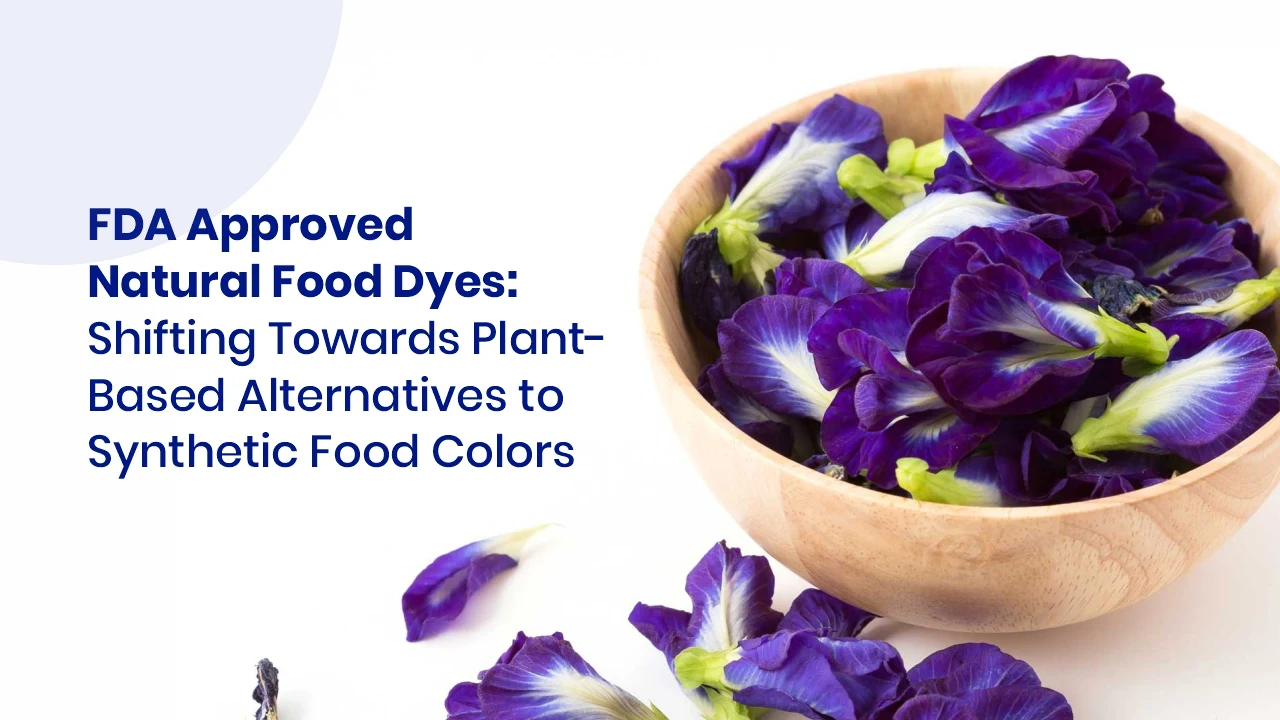
FDA Approved Natural Food Dyes: Shifting Towards Plant-Based Alternatives to Synthetic Food Colors

Plant-Based Alternatives to Synthetic Food Colors

FDA-approved plant-based food dyes replacing synthetic colors in U.S. processed food by Vinayak Ingredients

A Breakthrough in Natural Food Coloring

The recent FDA natural color approvals for the food industry mark a major step toward embracing more nature-derived solutions in food production. The U.S. Food and Drug Administration has approved three natural blue colorants: butterfly pea flower extract, Galdieria extract blue, and calcium phosphate. This move highlights the shift towards clean-label formulations and encourages manufacturers to explore plant-based alternatives to synthetic food dyes.

These developments align with growing consumer demand for familiar, naturally sourced ingredients and signal a larger movement to modernize color regulations.

Rethinking Synthetic Food Dyes

Colors like Red No. 3, Red No. 40, Blue No. 1, Blue No. 2, Yellow No. 5, Yellow No. 6, and Green No. 3 have long been used to enhance visual appeal in food. However, these petroleum-based dyes have come under increasing scrutiny due to concerns over potential health impacts.

As awareness grows and regulations tighten, the industry is turning toward FDA approved natural food colorants and other plant-based alternatives to synthetic food colors to maintain both safety and product appeal.

Which Synthetic Dyes Are Being Phased Out?

The FDA has already banned Red Dye No. 3 (erythrosine) after studies raised concerns about its long-term effects. Other synthetic dyes currently under review for future restrictions include:

●   Red No. 40

●   Blue No. 1

●   Blue No. 2

●   Yellow No. 5

●   Yellow No. 6

●   Green No. 3

●   Citrus Red No. 2

●   Orange B

These dyes are commonly found in confectionery, cereals, snacks, dairy, and beverages. As they are phased out, manufacturers are actively adopting FDA natural color approvals for the food industry as part of the shift toward cleaner, safer ingredients.

Naturally Derived Blue Colors Now Approved by the FDA

Achieving a stable, vibrant blue from natural sources has always been difficult. However, the new FDA approved natural food colorants provide safe and effective options for a wide range of applications. These approvals are helping companies transition away from synthetic dyes.

Butterfly Pea Flower Extract

Extracted from Clitoria ternatea, this pH-sensitive pigment changes hue based on acidity, shifting from blue to purple or green. It is stable under heat and light and ideal for use in beverages, confections, dairy, and snacks. Its vivid appearance supports the move to plant-based alternatives to synthetic food colors.

Galdieria Extract Blue

Derived from Galdieria sulphuraria (a type of red algae), this extract offers a rich, stable blue that is perfect for juices, frozen products, cereals, and gummies. It is water-soluble, sustainable, and fits perfectly within the list of FDA approved natural blue colorants.

Calcium Phosphate

Though not a pigment itself, calcium phosphate is essential in stabilizing natural blue hues, especially in dry mixes or pH-sensitive systems. It supports consistent coloring results in clean-label formulations.

Vinayak’s Coloring Solutions for a Healthier Tomorrow

At Vinayak Ingredients, we offer high-quality FDA approved natural food colorants as part of our clean-label portfolio. Our solutions are developed to meet the evolving needs of modern food manufacturers with benefits such as:

● Stability under heat and light – Ensures reliable performance during processing and on the shelf.

● pH responsiveness – Enables creative color effects in multi-phase products.

● Plant-derived labeling – Appeals to consumers looking for natural and transparent ingredient lists.

By working with trusted partners and providing reliable, plant-based alternatives to synthetic food dyes, we help brands innovate while staying ahead of regulatory trends.

A Gradual but Important Transition

The FDA natural color approvals for the food industry offer manufacturers a pathway to safer and more sustainable coloring strategies. With synthetic dyes being re-evaluated, now is the time to explore FDA approved natural food colorants and meet the demand for clean-label products.

Vinayak Ingredients is proud to support this transition with proven, effective, and naturally derived color solutions.

ESSENTIAL NUTRIENTS TO IMPROVE THE PERFORMANCE OF RACING CAMELS

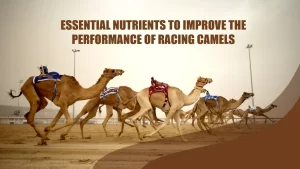
Vinayak Ingredients camel supplement to enhance race performance

Camel racing is a traditional sport of the desert culture in the Arabian Peninsula, North Africa, and the Middle East. It is a highly competitive sport requiring camels to perform at their physical peak. Camel race distances vary from 5km to over 40km. Camels can maintain average speeds of 35- 40 km/hour for considerable distances, and for around 30- 60 minutes. This unique capacity reflects the lower energy requirements for locomotion, the higher glucose supply, the lower oxygen demand, and preferential dependence on slow-twitch muscle fibres, which rely on aerobic metabolic pathways.

Nutrition plays an important role in the success of camel racing by impacting its health and performance.

Energy and protein

High-energy feed ingredients are required during short-distance and high-intensity races to meet the increased energy needs. A diet rich in protein is essential for muscle development, repair, and recovery. Feeds like alfalfa, legumes, and other high-protein sources are important for supporting the intense physical activity racing camels undergo. Additionally, energy-rich feeds, such as oats, barley, and sorghum, provide the fuel needed for speed and stamina, making sure that camels can perform at their best during high-intensity races.

Hydration and Electrolytes –

Even though camels can survive with limited water, racing conditions lead to the requirement of regular and adequate hydration.Electrolyte supplements restore important minerals like sodium, potassium, and magnesium, helping to maintain normal muscle function and reduce injury.

Vitamins and minerals –

For optimum health and performance, adequate vitamins and minerals are required to be provided by the diet. Minerals and vitamins like A, D, and E help to improve the immune system, energy metabolism, and support bone health.

Mineral supplements ensure these nutrients are readily available, mainly in regions where natural forage is deficient in necessary nutrient content.

Before a race, camels should be given light, easily digestible meals that are rich in energy to avoid digestive discomfort. while after a race, more electrolytes and protein should be provided for recovery. However, failing to provide the right nutrients at the right time can significantly hinder a camel’s performance and long-term health.

Nutrient deficiency in racing camels leads to fatigue, muscle weakness, cramps, and reduced performance

Such imbalances reduce the ability of camels to compete and increase the risk of health complications and performance loss.

ALSHOROOD - Natural Performance Booster for Racing Camels by Vinayak Ingredients

ALSHOROOD is a camel supplement for the high-performance needs of racing camels. It is a combination of adaptogenic, anti-inflammatory compounds, essential amino acids, and minerals, along with omega fatty acids. It provides nutritional support for both racing camels and normal camels. It helps to optimize the performance and aid in recovery from strenuous activities.

BENEFITS

ALSHOROOD supplement supports muscle health, speeds recovery, and reduces cramps in racing camels

With ALSHOROOD, camel owners and trainers can support animals’ physical demands while maximizing race performance through safe and effective nutrition.

*References on request*

The Benefits of Natural Food Colors in U.S. Processed Food: Moving Beyond Synthetic Dyes

Why Natural Food Colors Are Reshaping U.S. Processed Food

With increasing regulatory scrutiny and a sharp rise in consumer demand for clean-label products, natural food colors have emerged as the preferred choice for American food manufacturers. The growing concern over synthetic dyes, coupled with changes in FDA regulations, is accelerating this transition. Today, both brands and consumers are actively seeking the benefits of natural food colors in U.S. processed food.

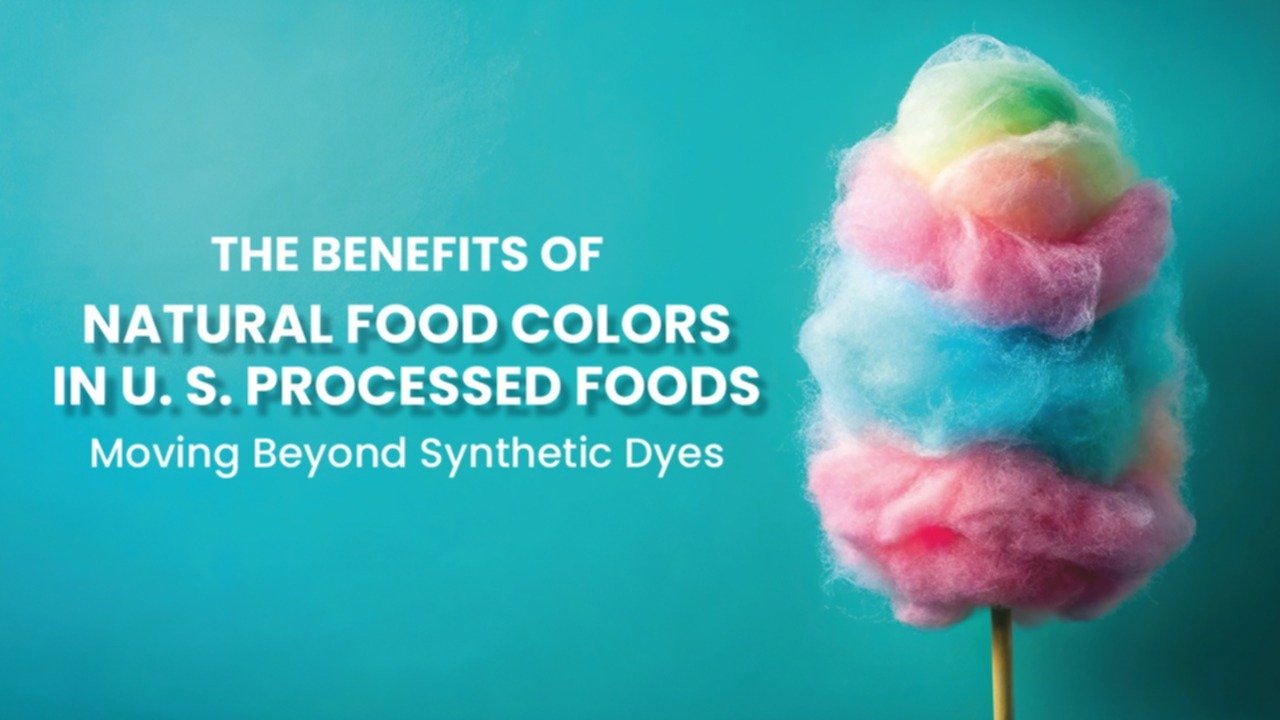
Vinayak Ingredients– Benefits of natural food colors in U.S. processed food

Why the Shift? Understanding FDA Approved Food Colors and Recent Changes

In 2025, the U.S. Food and Drug Administration (FDA) began phasing out certain synthetic food dyes, including Red No. 3, due to health concerns and consumer pressure. These artificial colorants, often petroleum-derived, have long raised red flags for their potential links to behavioral issues in children and allergic reactions.

As a result, food manufacturers are re-evaluating their formulations, seeking out FDA approved food colors that are both safe and effective. Natural food colors, derived from sources like beets, turmeric, spirulina, and paprika, are not only FDA-compliant but also meet the growing clean-label demand in the U.S.

The Benefits of Natural Food Colors in U.S. Processed Food

Food companies across the U.S. are embracing natural food colors not only to comply with regulations but also to meet evolving consumer preferences. Here’s why they matter:

  1. Consumer Trust and Transparency

    In an era where American shoppers read ingredient labels carefully, the use of artificial colorants can erode brand trust. Phrases like “colored with vegetable juice” or “no artificial colors” are now seen as indicators of quality.

    The benefits of natural food colors in U.S. processed food include a stronger perception of safety and transparency, especially in categories like snacks, dairy, and beverages.

  2. Clean Label Appeal

    Natural colors align with broader health-conscious trends. In fact, clean-label claims are now a deciding factor in the U.S. grocery aisle. Products using FDA-approved food colors from natural sources are more likely to appeal to parents, health-conscious consumers, and Gen Z buyers who prioritize authenticity.

  3. Health and Safety

    Unlike synthetic dyes, which may trigger hyperactivity in children or allergic reactions in sensitive individuals, natural food colors are generally recognized as safe (GRAS) by the FDA when used appropriately. This adds another layer of reassurance for both manufacturers and end-users.

    Key Applications: Where U.S. Brands Are Using FDA-Approved Food Colors from Natural Sources

    The versatility and visual appeal of natural food colors make them suitable across a wide range of processed food categories: 

●  Bakery and confectionery: Frostings, gummies, cakes, and cookies

●  Dairy and alternatives: Fruit-flavored yogurts, plant-based milks

●  Beverages: Juices, energy drinks, wellness shots

●  Snacks and cereals: Vibrant hues from vegetables and spices

●  Frozen desserts: Naturally colored popsicles, ice creams, and sorbets

These sectors highlight the benefits of natural food colors in U.S. processed food, where consumer expectations for clean-label and safe formulations are highest.

Challenges in Using Natural Food Colors and How to Overcome Them

While the advantages are clear, there are a few hurdles to adopting FDA-approved food colors from natural sources:

●  Stability Issues: Some natural colors may degrade under heat or light.

●  Limited Color Range: Bright synthetic-like shades can be harder to replicate.

●  Cost and Supply: Natural ingredients can be more expensive or seasonal.

Fortunately, innovations in encapsulation and stabilization technologies are solving many of these issues. New-generation natural food colors can now offer improved heat, light, and pH stability, expanding their usability in everything from baked goods to acidic beverages.

Wrapping up: Natural Food Colors Are the Future of the U.S. Food Industry

As U.S. regulations tighten and consumer expectations evolve, the benefits of natural food colors in U.S. processed food are undeniable. These plant-based pigments offer a compelling mix of safety, transparency, and performance. For food manufacturers, making the switch is no longer optional, it’s a strategic move toward cleaner, more trusted products.

By incorporating FDA approved food colors from natural sources, brands can stay ahead of regulatory changes, win over health-conscious consumers, and lead the shift toward a more sustainable and transparent food system.

Tackle Pet Obesity Naturally with HerboNutra – Adipo

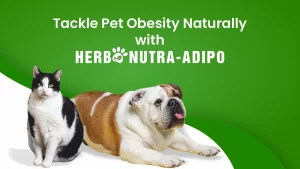
Natural weight management for pets with HerboNutra-Adipo – Vinayak Ingredients’ herbal supplement for dogs and cats.

When it comes to pet care, it’s important to keep in mind that one of the most crucial measures of a pet’s health is their body weight. Obesity in dogs and cats occurs when they have excessive body fat, which negatively impacts their health, welfare, and quality of life. It is primarily caused by overeating or insufficient exercise, although certain diseases can also lead to obesity. A clinical survey from the Association of Pet Obesity Prevention (APOP) indicates that 55.8 percent of dogs and 59.5 percent of cats in the U.S. are currently overweight. This trend is also rising in the UK, Germany, and France.

Health Problems Caused By Pet Obesity

Pet obesity can cause serious health problems and make existing problems worse, which can reduce the length and quality of life of an animal. It puts them at greater risk of conditions such as:

  • Diabetes
  • Arthritis
  • Heart and lung diseases
  • Neoplasia
  • Reduced immune functions
  • Urinary disorders
  • Reproductive disorders

Factors Contributing To Weight Gain in Pets

Diet

  • Giving your pet too much food or too many treats can lead to weight gain.
  • Foods lacking in essential nutrients can cause weight issues. For instance, some commercial dog foods are high in fillers and low in quality nutrients.
  • Feeding pets table scraps or human food can disrupt their nutritional balance.

Lack of Exercise

  • Pets that don’t get enough exercise are more likely to gain weight. Regular walks and play sessions are crucial.
  • Pets living in small apartments or homes without yards may not get enough physical activity.
  • Conditions like arthritis or injuries can limit a pet’s ability to exercise, leading to weight gain.

When Are Pets Considered Obese?

Several different factors contribute to what is considered obese in pets. One of the most important factors is body condition score (BCS). This is a numerical scale that ranges from 1 to 9, with 1 being very thin and 9 being obese. Other factors that contribute to obesity in pets include weight, body fat percentage, and height. Weight is the most obvious factor when it comes to determining if a pet is obese. Generally speaking, any pet that weighs more than 20% above their ideal body weight is considered obese. However, this number can vary depending on the breed of pet.

Synthetic chemical supplements, while sometimes necessary, can carry risks like liver strain, behavioral changes, or allergic reactions. Herbal treatment can provide more than just immediate relief. They can improve pets’ overall vitality, reduce the risk of chronic diseases, and enhance their quality of life.

Vinayak Ingredients, manufacturer of HERB NUTRA-ADIPO a weight management supplement for pets.

We understand that your furry friend’s health is of utmost importance to you, and that’s why we have developed a solution that will help your pet shed those extra pounds and reclaim its vitality. HerboNutra- Adipo is a holistic product designed to tackle obesity in pets. With HerboNutra- Adipo, you can rest assured that you are providing the best care for your pet’s weight management needs.

Mechanism of Action:
  • Helps reduce fat cell formation by blocking key fat-storage genes and boosts fat burning via AMPK activation.
  • Supports reducing fat absorption in the gut and activates fat-burning enzymes, making it a powerful metabolism enhancer.
  • Limits the fat production by inhibiting ATP-citrate lyase, while also curbing appetite.
  • Targets energy regulation by promoting the “browning” of fat tissue and improving mitochondrial function for better energy use.
  • It may support insulin sensitivity and improve lipid profiles. Finally, the herbal mixture offers anti-inflammatory and adaptogenic benefits that support overall metabolic health, making it a perfect choice in holistic weight management for pets.

Benefits of Vinayak Ingredients HerboNutra–Adipo for natural weight management in pets – supports vitality, immunity, joints, and digestion

“Choose HerboNutra-Adipo — because your pet deserves a healthy, happy life, the natural way.”
*References on request*

Side Effects of Synthetic Food Coloring in American Diets: A Growing Health Concern

Health Risks Of Synthetic Food Dyes Spark Shift To Natural Color Alternatives.​

Artificial food colorants, found in sweets, cereals, drinks, and other brightly colored foods, are facing growing scrutiny due to their potential health risks. These synthetic colorants, derived from petroleum, include commonly used dyes such as Red No. 40, Yellow No. 5, and Blue No. 1. Their bright appearance and chemical stability have made them popular with food manufacturers aiming to make their products more visually appealing. However, scientific studies are increasingly drawing attention to the side effects of synthetic food coloring in American diets, especially for children.

These artificial additives have been linked to behavioral issues, allergic reactions, and even cancer in animal studies. In light of these risks, regulatory bodies are beginning to act, urging food brands to consider safer, natural alternatives. This blog dives into the health impacts of these dyes and highlights why shifting toward clean-label ingredients is not just a trend—it’s a necessity.

Synthetic Food Color Powder Manufacturer in India - Vinayak Corporation - Sunthetic Powders for Cosmetics - Dyes - Pharmaceuticals

Health Implications of Synthetic Dyes

  • Behavioral Effects in Children

    Numerous studies have connected synthetic food dyes to behavioral issues in children. A comprehensive review by the California Office of Environmental Health Hazard Assessment (OEHHA) found that certain dyes can worsen symptoms of attention-deficit/hyperactivity disorder (ADHD) in sensitive individuals. Red No. 40 and Yellow No. 5 are particularly noted for their influence on neurobehavioral functions. This raises major concerns for both healthcare professionals and parents about the side effects of synthetic food coloring in American diets targeting children.

  • Carcinogenic Risks

    Some synthetic dyes have been shown to pose cancer risks in animal studies. Red No. 3, for instance, has been associated with thyroid tumors in rats. Despite being banned in cosmetics, it remains approved in candies and baked goods. This contradiction highlights the ongoing risk consumers face and underscores the urgent need for stronger food safety regulations.

  • Allergic Reactions and Hypersensitivity 

Artificial dyes are also known to cause allergic reactions in certain individuals. Yellow No. 5 (Tartrazine) is linked to hives, asthma attacks, and other hypersensitivity responses. Because of these known effects, the FDA requires food manufacturers to clearly label products containing Yellow No. 5, allowing consumers to make informed decisions.

Common Foods Containing Synthetic Dyes

Artificial dyes are especially prevalent in products marketed toward children. Examples include:

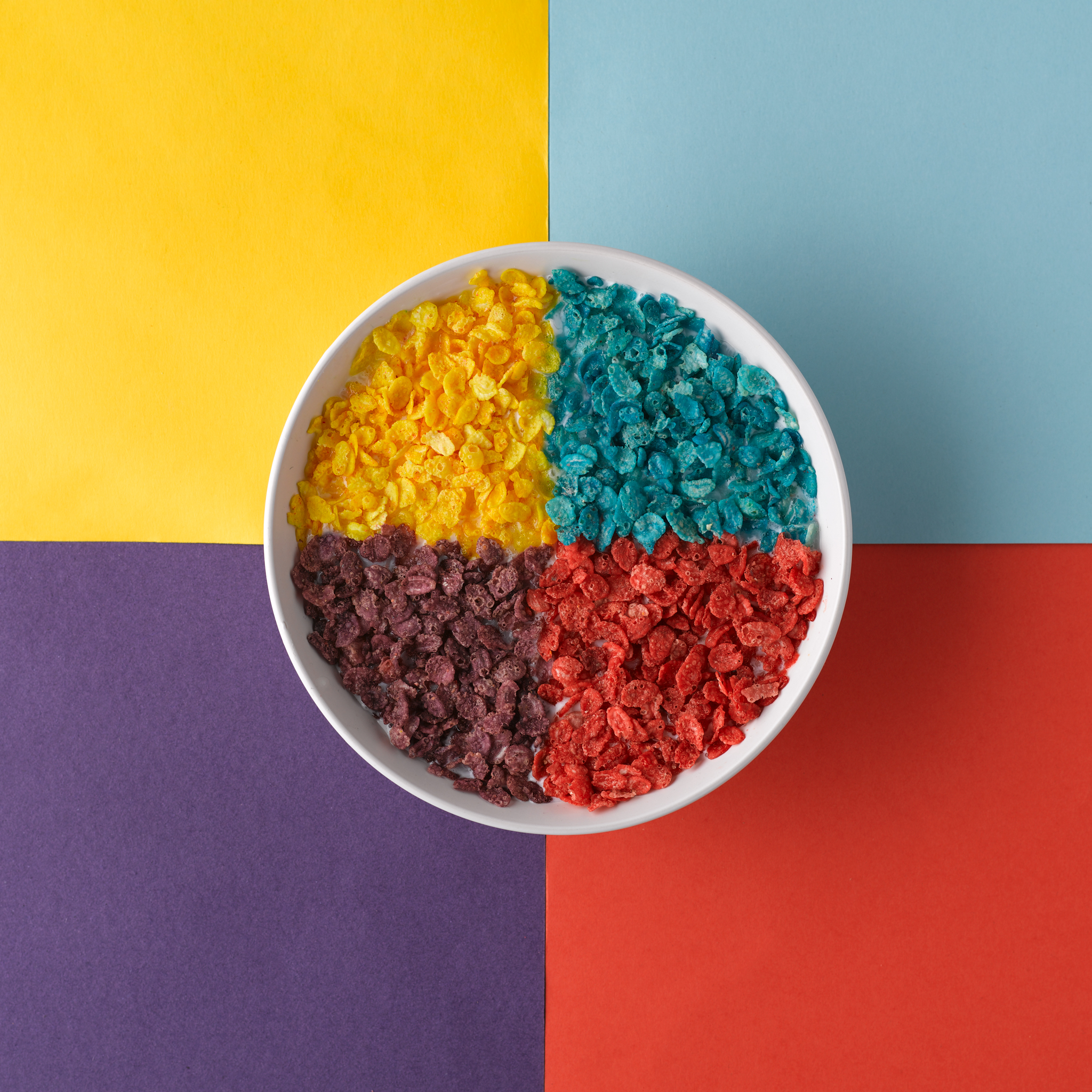
● Breakfast cereals
● Candies
● Snack foods
● Sports drinks and sodas
● Desserts like jellies and popsicles

These foods often contain multiple artificial dyes to achieve their bold, colorful appearance. Unfortunately, this visual appeal may come at the cost of consumer health, as more data points to the side effects of synthetic food coloring in American diets.

Regulatory Shifts and Industry Response

As awareness grows, regulators are beginning to crack down on potentially harmful additives. Several synthetic dyes are now under evaluation for removal from the food supply in the coming years. This growing scrutiny reflects rising consumer concern over the side effects of synthetic food coloring in American diets, prompting food manufacturers to explore safer options.

Natural alternatives like beet juice, turmeric, spirulina, and carrot extract are gaining traction. These ingredients not only reduce health risks but also support the clean-label movement that many health-conscious consumers prefer. Brands that embrace these alternatives are likely to gain trust and market preference.

Wrapping Up

The continued use of petroleum-derived synthetic food dyes is more than a visual choice, it’s a health concern. With evidence mounting around the side effects of synthetic food coloring in American diets, particularly among children, the food industry must act responsibly. Regulatory shifts are already underway, but proactive change from brands can lead the way toward safer, more transparent food practices. Choosing natural food colorants isn’t just a trend it’s a step toward a healthier, more informed future for all.