icon-globe
Search Connect with us

Understanding the Mechanism of Phytogenic Coccidiostat in Poultry

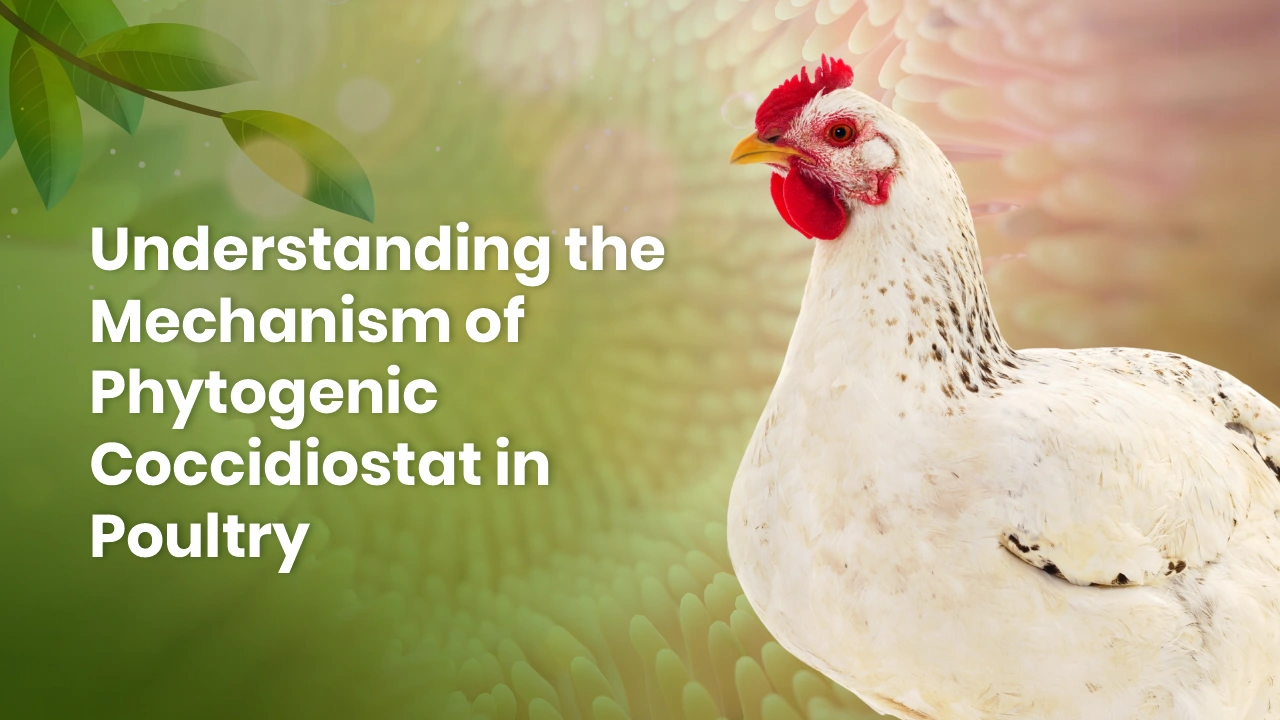
a white chicken with red comb

Coccidiosis is among the most important parasitic diseases in poultry, leading to intestinal damage, reduction of feeding efficiency, and heavy economic loss. This disease is generally characterized by protozoan parasites belonging to the genus Eimeria that infect the intestinal lining of poultry. It results in infections that cause damage to the intestinal epithelium, impairing nutrient uptake and weakening the immune system, while predisposing birds to secondary infections. This infection impairs growth and feed conversion, leading to increased mortality and higher production costs. Besides impairing growth and feed conversion, it results in increased mortality and higher production costs.

The disease has traditionally been controlled using synthetic coccidiostats; however, the development of resistance by Eimeria species and concerns over residues in poultry products have driven the interest toward finding natural, safe alternatives that are also compatible with organic farming. Thus, phytogenic solutions for coccidiosis have been increasingly sought after in antibiotic-free and residue-free poultry production.

Modes of Action of Phytogenic Coccidiostat:

Inhibition of oocyst sporulation

Many phytochemicals (e.g., tannins, flavonoids, and phenolic acids) are responsible for reducing oocyst sporulation or viability. This mechanism disrupts the lifecycle of the parasite and inhibits its multiplication.

Inhibition of sporozoite or merozoite invasion or replication

Some bioactive compounds may interfere with parasite invasion of epithelial cells. They act by binding to sterols in parasite membranes, thereby disrupting membrane integrity. Some phytogenic products have shown reduced oocyst shedding and lower lesion scores, suggesting interference with parasite replication or lifecycle progression in vivo.

Disruption of parasite cell membranes and metabolic pathways

Phytochemicals that bind to cholesterol/sterol molecules in parasite cell membranes cause leakage or lysis of the pathogenic cell. Some phytogenic compounds may also interfere with mitochondrial function and cell proliferation in the parasite, thereby inducing apoptotic-like death of infected cells. Additionally, the generation of reactive oxygen species (ROS) by phytochemicals may damage the parasite via oxidative stress.

Biococcin: Natural coccidiosis control in poultry

BIOCOCCIN

BIOCOCCIN is a phytochemical mixture derived from various ethnoveterinary herbs, which has a diverse mechanism of action against multiple species of Eimeria. It provides a long-term benefit. The active constituents in BIOCOCCIN suppress the developmental stages in the lifecycle of Eimeria and help control coccidiosis. It is a sustainable solution, providing poultry farmers with a safe, efficient, and environmentally conscious alternative.

Mode of Action:

Benefits of Biococcin 

  • Reduces the number of coccidia and keeps the infection in check till immunity is established
  • Reduces oocyst shedding
  • Decreases intestinal inflammation 
  • Enhances immunity and antioxidant status
  • Improves recovery rate in poultry
  • Reduces mortality rate in poultry

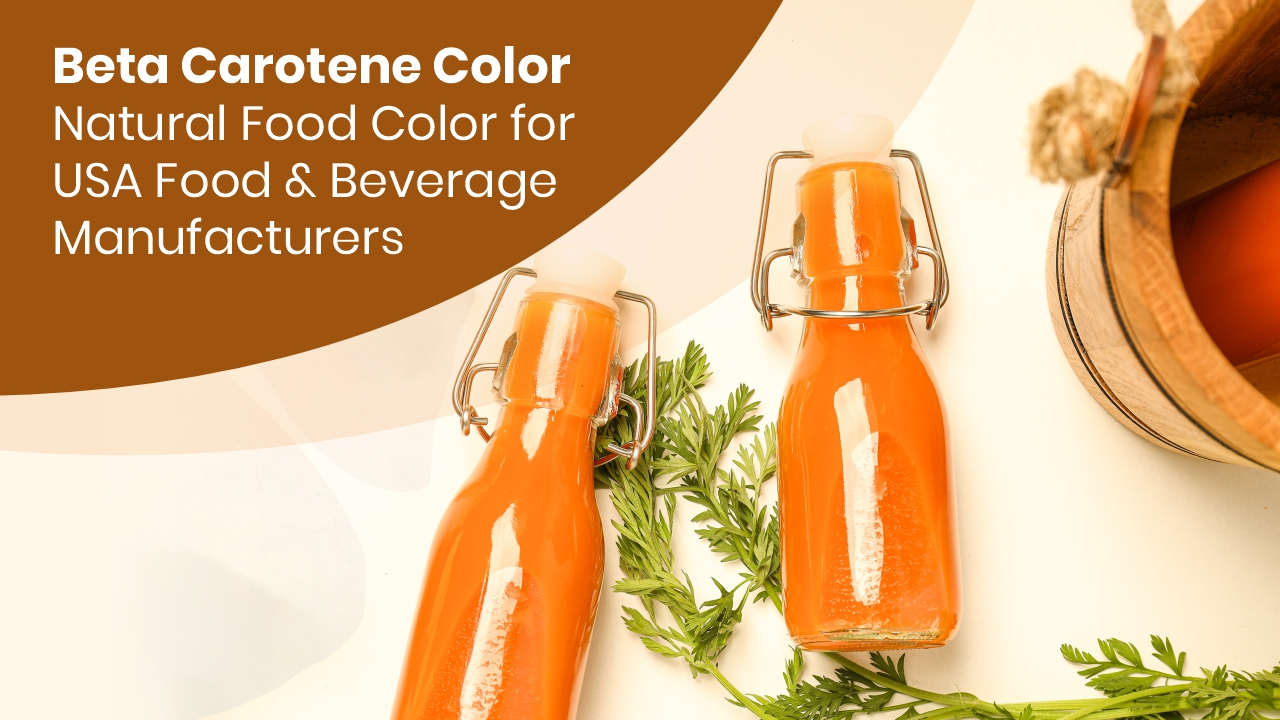
Beta Carotene Color: Natural Food Color for USA Food & Beverage Manufacturers

Beta Carotene Color: Natural Food Color for USA Food & Beverage Manufacturers

Image of Beta Carotene Natural Color in Food & Beverage Products

Introduction: Why Natural Ingredients Are Gaining Preference

The food industry in the United States is transforming rapidly as consumer opinions shift towards foods with natural, recognized ingredients. Growing worries over artificial additives, along with state-level regulations to outlaw petroleum-based dyes, have fueled the momentum towards natural colorants. Here, beta carotene is among the most widely used natural colorants with a balance of good color intensity and nutritional value. Market studies predict steady growth for beta carotene uses along with other food colors/food dyes of natural origin, and the food and beverage industry is the largest market sector.

What is Beta Carotene Color

Beta carotene is a carotenoid pigment naturally occurring in carrots, sweet potatoes, spinach, and other vegetables. Its molecular shape allows it to soak up light at the blue end of the visible spectrum, and for this reason, it imparts deep yellow to orange hues. Apart from its coloring capability, beta carotene is a provitamin A, which functionally distinguishes it from most other food colorings. Commercially, it may be available in a range of delivery forms like water-dispersible powders, oil suspensions, and beadlet encapsulations, in order to enable the manufacturer to formulate its use to fit individual product matrices. This quality has provided it a steady place in product ranges from soft drinks to bakery fillings.

Regulatory Status and Safety in the USA

Beta carotene is a Food and Drug Administration (FDA) approved color additive in the United States. It can be used by manufacturers without FDA permission on a batch-by-batch basis, provided that it meets identity and purity requirements and is applied in compliance with Good Manufacturing Practice (GMP). It is also GRAS (Generally Recognized As Safe), further contributing to its safety profile

Principal Uses in USA Food Production

Beta carotene is valued for its stability to give yellow to orange shades that match consumers’ best perception of natural color. Beta carotene is applied extensively in milk foods, where it gives the characteristic golden color. In liquids, beta carotene imparts an attractive orange color. Bakery and confectionery products also benefit from its warm hues to provide depth to cakes, coatings, and sugar confections. In addition, dietary supplements and nutraceuticals also use beta carotene both for color and vitamin A activity and thereby impart the twin benefits of color and nutrition.

Health Value and Functional Benefit

Unlike artificial colors, beta carotene also imparts physiological functionality in addition to color. It is a precursor to vitamin A. Beta carotene is a free radical quencher as well, neutralizing free radicals that cause oxidative stress and cell damage. The dual value, nutraceutical and functional, has made Beta carotene even more appealing to manufacturers who wish to create their products unique in a health-aware market. Scientific research underscores the fact that food form beta carotene is generally tolerated in most cases, though excessive levels of supplementation regardless of food matrices have been linked to adverse effects in some populations, giving prominence to balanced use.

Case Study: Industry Adaptation

Several leading food manufacturers have reformulated conventional ranges by substituting synthetic colorants with beta carotene to suit customer demand.

For example, beverage companies have introduced fruit drinks and fruit smoothies colored with beta carotene emulsions on color stability grounds as well as a “from nature” positioning. Similarly, bakery companies have turned to beta carotene powders in order to achieve consistent orange shades in icings and fillings, in addition to focusing on the nutritional quality of provitamin A. Industry research confirms that these changes not only improved brand image but also achieved better market acceptance on the part of health-oriented consumers.

Conclusion: The Future of Beta Carotene Color in the USA Food Sector

Beta carotene is well-placed to be a cornerstone in the conversion process to natural food color within the U.S. food and beverage market. Beta carotene is a great alternative for artificial colors by providing an intense vibrant color, granted approval under regulations, and attracting nutritional notice. Further technological advances in encapsulation, and low-cost extraction methods will further improve its stability and open up broader applications. With consistent market demand moving toward functional and natural ingredients, beta carotene stands at the epicenter of product innovation

Why Brands Are Making The Switch To Natural Food Colors Introduction

Why Brands Are Making The Switch To Natural Food Colors
Introduction

Natural food colors in food and beverage industry innovations

Consumer preference is shifting away from petroleum-derived artificial food color to
natural food coloring, on the basis of reasons including safety, transparency, and
sustainability. It has been witnessed in consumers, regulators, and food and beverage
manufacturers. Natural food dyes are trending as consumers become more sensitive to
sensitivities and potential health impacts created by artificial colorings, such as
hyperactivity among children and allergic responses among sensitive parties. Food and
beverage regulatory bodies across the globe have responded with tighter labeling
regimes or new prohibitions, pushing the food and beverage industry towards plant
food. This is driven by shifting customer values and health issues.

The Market Trend towards Natural Colors

The global natural food colors market is set to grow sizably, fueled by regulatory limits
on artificial dyes and increasing consumer affinity for natural and healthier products.
High growth will be witnessed in the Asia-Pacific region, with market revenue from
USD 346.4 million in 2022 growing to USD 717.3 million in 2030, corresponding to a
CAGR of 9.5%. It is also fueled by widespread high-volume uptake across numerous
industries.

The Undisclosed Challenge: Reformulation of Products using Natural Colors

Formulation change to accommodate natural colors is with technical challenges. They
are mostly less stable than synthetic colorants, are sensitive to heat, light and pH.
Technical innovation is overcoming these issues. Techniques like microencapsulation,
nanoemulsions, and refined extraction processes have enhanced heat, light, and pH
stability. These innovations preserve color, improve shelf life, and provide new
possibilities for natural color in demanding applications. Breakthroughs in encapsulation
and ingredient delivery systems allow natural colorants to preserve strength under
different process conditions. Regulatory Pressure on Synthetic Colors
Certain artificial colors are banned or stric labeled in most areas.

EFSA, the European Food Safety Authority, has outlawed food dyes linked to
hyperactivity in children.

In the U.S., the Food and Drug Administration prohibited a sequence of petroleum-
based dye products, such as FD&C Red No. 3, in cosmetics and certain foods, on grounds
of safety. California has also passed a bill prohibiting the use of a number of artificial
food colorings in children's food for hyperactivity and other health causes by 2027. The
regulatory environment forces the industry to use plant-based colors such as
anthocyanins, carotenoids, and betalains. Sustainability and Consumer Perception
Natural dyes are usually derived from renewable crops, vegetable and fruit processing
waste or by-products, such as skin, seeds, and pulp.
Use of co-products in this way minimizes food waste and improves circular economy
operations. A case in point is grape skin, to be used for anthocyanin pigments, which
often comes from wine waste production, and carrot pomace can be processed to
produce beta-carotene. The method, apart from reducing the environmental footprint,
also reinforces agricultural value chains as it improves farmers' and processors'
revenues.

Conclusion

The movement towards natural colors in foods is the intersection of regulatory,
technological, and consumer forces. Formulation hurdles remain, but ongoing progress
in pigment stabilization is making natural options increasingly viable to large-scale
production.

Zearalenone and T2 mycotoxins – Hidden threats in livestock production

Livestock feed safety with natural mycotoxin binders for Zearalenone and T2 toxin control by Vinayak Ingredients

Mycotoxins are secondary metabolites produced by strains of specific fungal species under suitable atmospheric conditions. Mycotoxins can contaminate feed during cultivation, storage, and transport, causing an impact on livestock that consume infected feed. Different mycotoxins are produced by the same fungal species that may have additive, synergistic, or antagonistic effects with other toxins and infectious agents. This reduces the productivity of animals and impacts the farm profits. Furthermore, certain mycotoxins can be transferred through animal-derived food products, posing a risk to human health.

Illustration of mycotoxin impact on livestock health caused by Zearalenone and T2 toxins in animal feed

According to the World Mycotoxin Survey, mycotoxin threats in livestock feed are a global concern. In the edition for January–December 2024, multiple mycotoxins were detected, with more economic impact than in the previous year. Notably, the global prevalence of T2 has increased from approximately 22% to 23%, while that of zearalenone has increased from 52% to 60%, leading to economic losses to farmers. Both ZEN and T-2 are highly stable compounds, capable of resisting heat, storage conditions, and standard feed processing techniques. Their ability to survive harsh environmental and industrial conditions makes them particularly dangerous, as they remain active in feed and continue to exert toxic effects on animals and eventually humans.

Zearalenone

Zearalenone is one of the critical toxins produced by Fusarium fungal species, mainly present in cereal grain-derived products. Zearalenone resembles estrogen and its derivatives and might interfere with estrogen receptors. This leads to decreased fertility, litter size, changes in serum progesterone levels in females, decreased spermatogenesis, libido, testosterone levels, and testicular weight in males. Zearalenone impacts conception, ovulation, implantation, the development of the fetus, and the viability of newborn animals at higher doses.

T-2 toxins

T-2 is from the trichothecene class of mycotoxins, and its toxicity depends on age, dosage, and species. The T-2 toxin produced by Fusarium tricinctum has been linked to a toxicosis in animals fed moldy feed. T-2 toxin inhibits protein and DNA synthesis and weakens immune responses. It mainly targets rapidly dividing cells in the immune system and gastrointestinal tract. Clinical symptoms include feed refusal, weight loss, growth retardation, diarrhea, intestinal hemorrhages, oral lesions, vomiting, and, in severe cases, death.

Management of zearalenone and T2 toxin

Zearalenone and T2 toxin are stable thermally and chemically, making it difficult to eliminate them from feed by using common mycotoxin management techniques, such as heating, fermentation, or irradiation. Other traditional methods, such as chemical degradation or physical separation, might lead to nutrient degradation, palatability issues, and feed safety. To overcome these challenges, mycotoxin binders are widely used in animal nutrition as a practical, safe, and economical solution.

A mycotoxin binder for animal feed is a substance that is used in small quantities to entrap mycotoxins in the gastrointestinal tract. They help to prevent the toxin from entering the animal’s bloodstream via the gut, preventing further damage to animal health. Mycotoxin binders can be inorganic or organic. Inorganic binders, like clays and activated carbon, primarily bind mycotoxins through electrostatic and van der Waals forces, while organic binders, such as yeast cell walls and cellulose, often utilize more specific binding mechanisms, like hydrogen bonding. 

These binders trap harmful toxins without affecting feed nutritive value and animal health. Mycotoxin binders for animal feed are a cost-effective solution to minimize economic damage and improve livestock productivity.


*References on request*

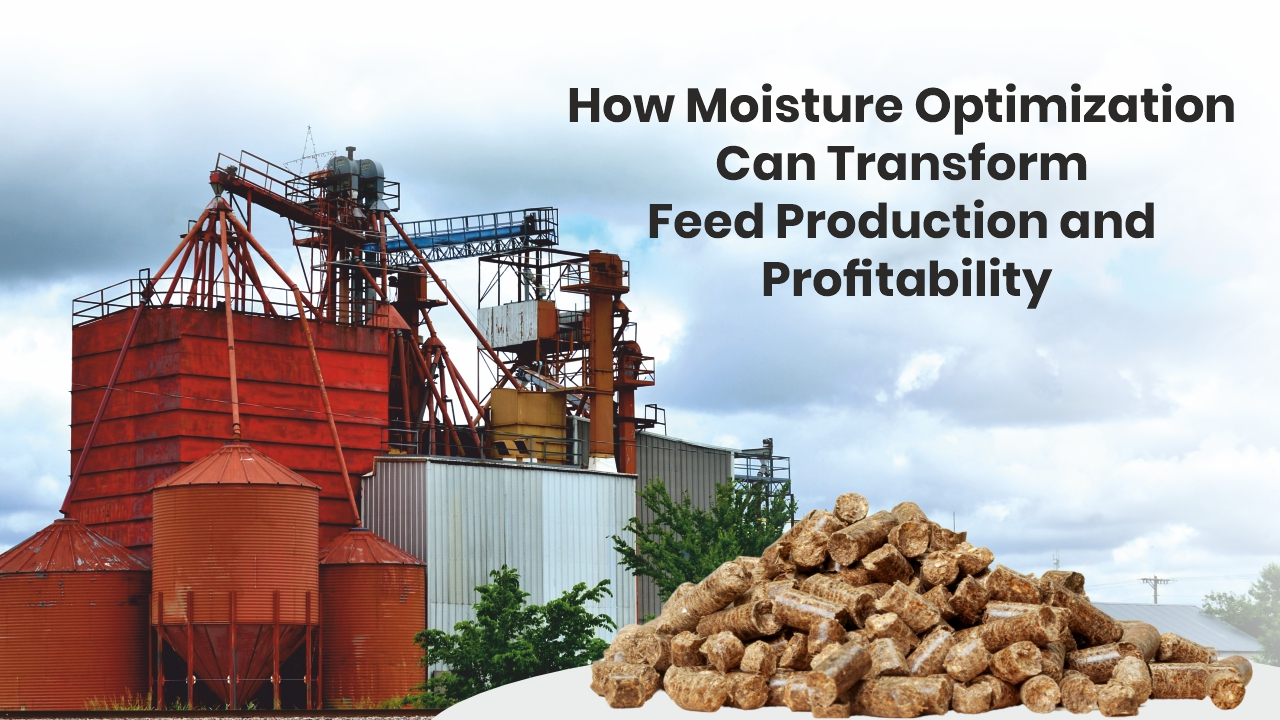
How Moisture Optimization Can Transform Feed Production & Profitability

Retentio ensures efficient moisture retention, improved pellet quality, and sustainable feed manufacturing solutions.

Animal feed producers all over the world try to achieve better nutrient utilization and animal performance by optimal use of resources. Their primary concern is improving the feed mill efficiency and production parameters in order to ensure profitability. The moisture retention in feed is an important indicator associated with feed weight variation which has great economic significance in today’s competitive environment. Although initially, feed raw materials have an average moisture content of 12%, its hammer-mill-crushing, grinding, and ingredient mixing stages let moisture evaporate and thereby decrease the initial moisture content often below 11%. As a result, the moisture content of the finished product is usually between 0.5 – 1% lower than the initial moisture content of the raw materials. This loss needs to be recovered to retain 12% moisture in the finished feed.

Importance of Moisture Retention in Feed

The moisture content of the feed product not only affects the internal and external product quality of the feed but also has a direct impact on the output rate and economic benefits of the product. Optimizing moisture content in the feed is key to ensuring safe, nutritional, high-quality, and consistent animal feed. Sufficient moisture in mash feeds improves particle adhesion, heat transfer, and, ultimately, better pellet quality. Also, selling feed products at moisture content lower than what is necessary leads to unnecessary weight loss of the finished product. Hence, optimization of moisture content in animal feed is of high importance.

Key Aspects of Moisture Optimization in Feed

  • Nutrient stability: Controlling moisture levels helps prevent the degradation of essential components during storage and transportation.
  • Mould and microbial growth: Excess moisture in feed can create a favourable environment for the growth of moulds, bacteria, and other microorganisms.
  • Pellet quality: The moisture content affects the binding and durability of the pellets, influencing their resistance to breakage and dustiness
  • Storage stability: It is important to optimize moisture levels to prevent caking, clumping, and the development of off-odours.
  • Palatability: Optimising moisture levels can enhance palatability, making the feed more appealing to animals and encouraging proper consumption.

Techniques for Moisture Retention in Feed: Benefits and Challenges

Steam Conditioning the feed is one of the methods of feed processing for maintaining appropriate moisture levels. In this method, the feed is exposed to high-pressure steam. This steam improves moisture retention, particle binding, and removal of pathogens in the feed. However, due to the need for specialized equipment, high energy consumption, skilled labour, and maintenance, significantly increases production costs. Additionally, much of the added moisture is lost during the cooling and drying stages, resulting in inefficiencies.

In contrast, powdered moisture retention solutions along with the combination of humectants and moisture retaining additives offer a cost-effective alternative by eliminating the need for expensive infrastructure and energy-intensive processes.

Retentio Logo

RETENTIO is an effective option to improve moisture retention in the finished feed. It reduces the surface tension of water, allowing better penetration and improved distribution. The addition of RETENTIO ensures that the water is evenly distributed throughout the feed material and does not remain only on the surface of the particles. The humectants present in RETENTIO play a vital role in moisture retention in the feed. Also, the activated propionates in RETENTIO, have synergistic mould-inhibiting properties which further assures a long-lasting antifungal effect.

Retentio ensures efficient moisture retention, improved pellet quality, and sustainable feed manufacturing solutions.
“Efficient Feed Moisture Retention with Retentio”

*References on request

REDUCING FEED SCARCITY WITH FRUIT PEEL POWDERS: A SUSTAINABLE SOLUTION FOR LIVESTOCK

Sustainable Animal Feed Peel Powders Vinayak Ingredients

Livestock-producing farmers face the challenge of producing high-quality, healthy products to meet the growing demand for animal protein. They are dependent on animal feed for their animals to perform well and gain weight subsequently leading to increased demand for animal feed. Resource scarcity, environmental factors, and rising feed prices have significantly impacted animal feed production. To meet this high demand for animal feed, efficient use of available feed resources, enlargement of the feed resource base, and a search for novel feed resources, particularly those not competing with human food, are important for sustainable livestock farming.

The increasing processing of fruit and vegetables has led to higher quantities of agricultural by-products. According to a report by Eurostat (2020), around 57 million tonnes of agricultural by-products are produced annually. Around 10% comes from the processing and manufacturing sectors of fresh fruits and vegetables. The by-products like Peels, rinds of fruits, and pomaces contain bioactive components that can be beneficial to improve the quality of animal feed. Unfortunately, a significant portion of these by-products is often discarded, contributing to resource loss and environmental challenges associated with dumping. Therefore, new strategies are needed to utilize these agricultural by-products effectively.

One promising solution to this challenge is the reuse of agricultural by-products, particularly fruit and vegetable peel.  These by-products can replace traditional feed resources in an animal’s diet, due to the presence of nutritive bioactive compounds.  This can help to decrease the scarcity of animal feed resources and reduce environmental impact due to excessive by-product production.


challenges in animal feed production and their solutions vinayak ingredients

The Potential of Peel Powders

Many fruits and vegetables have been increasingly grown mainly for food and other industrial uses. Large quantities of by-products are produced from the processing of these products one of the main components of which is peels. Although a by-product, peels are rich in dietary fiber, vitamins, and minerals, and can be used to enhance the nutritional profile of animal diets.

Citrus peel powder, rich in dietary fiber, vitamins, and minerals, enhances the nutritional value of animal feed. Bioactive compounds like flavonoids and limonoids provide antioxidant and antimicrobial benefits.

Tomato peel powder is an agro-industrial by-product loaded with proteins, fats, minerals, fibers, and antioxidants like lycopene and polyphenols. The higher content of lycopene in tomato peel powder helps to reduce inflammation, acts as an antioxidant, improves fertility, and strengthens the immune system.

With its anti-inflammatory, antioxidant, and antimicrobial properties, pomegranate peel powder is used in medicinal, nutraceutical, and food preservation applications. It acts as a natural meat preservative, extends food shelf life, and is a substrate for industrial enzymes like cellulase and pectinase.


Enhance Animal Health and Performance with Peel Powders

Peel powders offer a cost-effective solution for maintaining balanced animal nutrition while using agricultural by-products. Rich in bioactive compounds like flavonoids, lycopene, and beta carotenoids, peel powders enhance immunological health and overall well-being. Their high fiber, protein, and essential micronutrient content provide the necessary dietary components for animals that,

Benefit of peel powders in animal feed

Benefits of peel powders in animal feed vinayak ingredients

Peel powders derived from agricultural by-products are a sustainable, cost-effective, and nutritionally beneficial solution for animal feed production. By repurposing these by-products, the livestock industry can reduce its dependency on traditional feed resources addressing the challenges of both food waste and feed resource scarcity.


*References on Request*

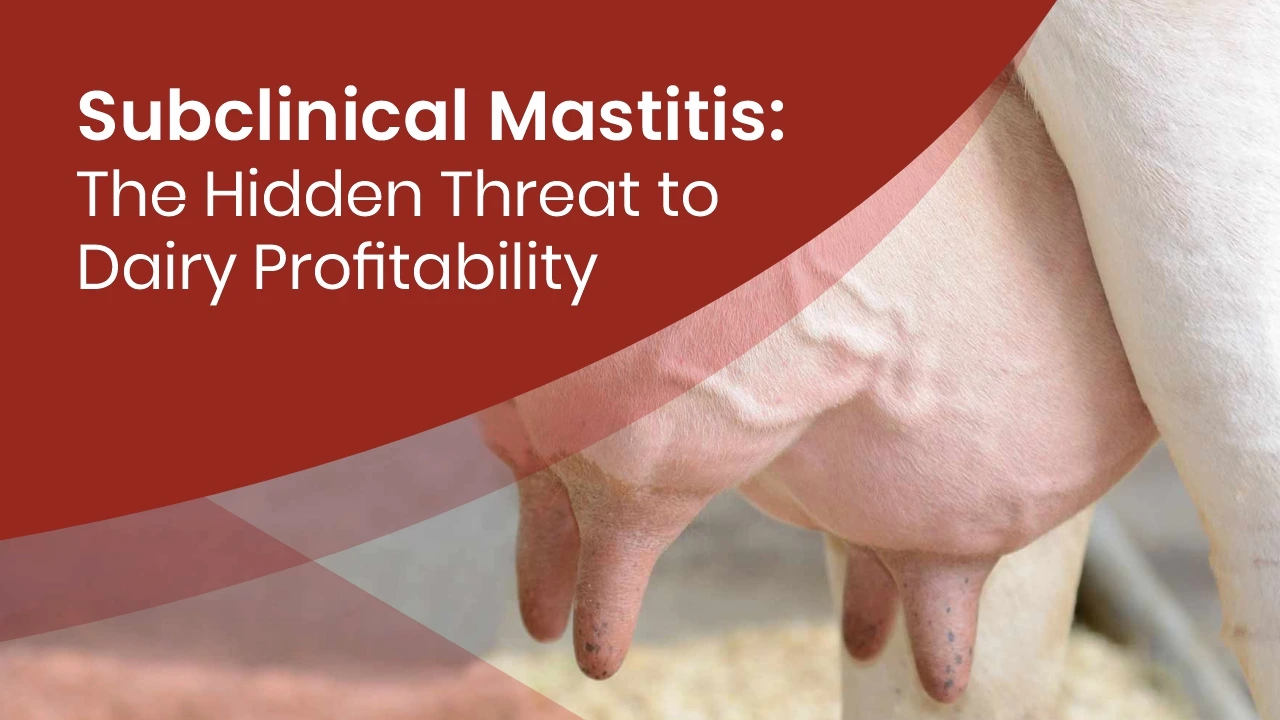
Subclinical Mastitis: The Hidden Threat to Dairy Profitability

mastitis in cows impact on dairy profitability vinayak ingredients.

The increasing demand for milk and milk products has led to an increase in the dairy production industry. The cow’s udder health is important to maintain productivity and profitability. Any factors impacting udder health can affect animal welfare and the safety of the products produced by infected cows eventually leading to economic losses. One of the major threats to udder health and overall dairy productivity is Bovine Mastitis.  Mastitis in cows is a disease with significant financial impact due to decreased milk production and consecutive high culling rates during severe conditions caused by multiple causes. A Journal of Dairy Science study reports that dairy cattle disease may lead to annual global losses of around US$65B with subclinical mastitis causing loss of around US$9B.

What Is Bovine Mastitis?

Bovine mastitis is an inflammation of mammary gland tissues caused by pathogenic infection or physical injury. Mastitis occurs when pathogens enter the sterile environment of the mammary gland, which often happens due to disruptions in the physical barriers of the teat. Decreased immunological responses to these pathogens lead to the development of mastitis.

Non-infectious mastitis is caused by physical injury to the mammary gland and trauma. Infection of the udder with contagious and environmental pathogens can also lead to the development of subclinical mastitis. Staphylococcus aureusEscherichia coli, and Streptococcus species are the crucial infecting agents.

 Factors contributing to Mastitis  –

  • Milking Practices: Improper milking hygiene practices like dirty milking equipment or poor handling practices facilitate pathogen entry.
  • Physical Trauma: Injuries to the teat or udder affect the epithelial barrier.
  • Environmental Factors: Unsanitary housing conditions and exposure to contaminated bedding or water increase the risk of infection.
  • Host Susceptibility: Nutritional deficiencies, immunosuppression, or stress conditions can increase the risk of mastitis.
Comparison of somatic cell count in normal vs. abnormal milk samples – Vinayak Ingredients

Current Strategies Used for Mastitis Control

General measures such as proper disinfection of udder pre and post-milking, balanced feeding practices, dry therapy, grazing management, and sanitation of farms can be implemented for mastitis control in cows. Antibiotics and vaccines are widely used for the treatment of active infections. However, the increasing risk of antimicrobial resistance (AMR) and potential downstream effects on human health have led to the need for the development of alternative methods for the prevention and treatment of Bovine Mastitis.

Natural products can be ideal for mastitis control due to their antimicrobial properties and complex composition. Plant extracts, essential oils, and probiotics can crucially impact the infection-causing pathogens and might help to prevent mastitis in cows.

RECOMAST – For Holistic Mastitis Care

RECOMAST is a Phytogenic anti-mastitis feed supplement having anti-bacterial, anti-inflammatory, analgesic, and immunomodulatory action that helps in mastitis control in cows.

Mode of action of Recomast for improving udder health and milk quality – Vinayak Ingredients

The herbal components in RECOMAST help improve immune response and reduce somatic cell count in the dairy. It also contains minerals that improve the physical barrier of the udder. Probiotics help reduce the impact of pathogens. The nucleotide present in RECOMAST enhances the rate of recovery of mammary glands, eventually helping in the control of subclinical mastitis in cows. RECOMAST is a natural supplement that increases the quality and quantity of milk and reduces the somatic cell count during infections.

RECOMASTHolistic Mastitis Care for Healthier Herds and Higher Profits.”

*References on request*

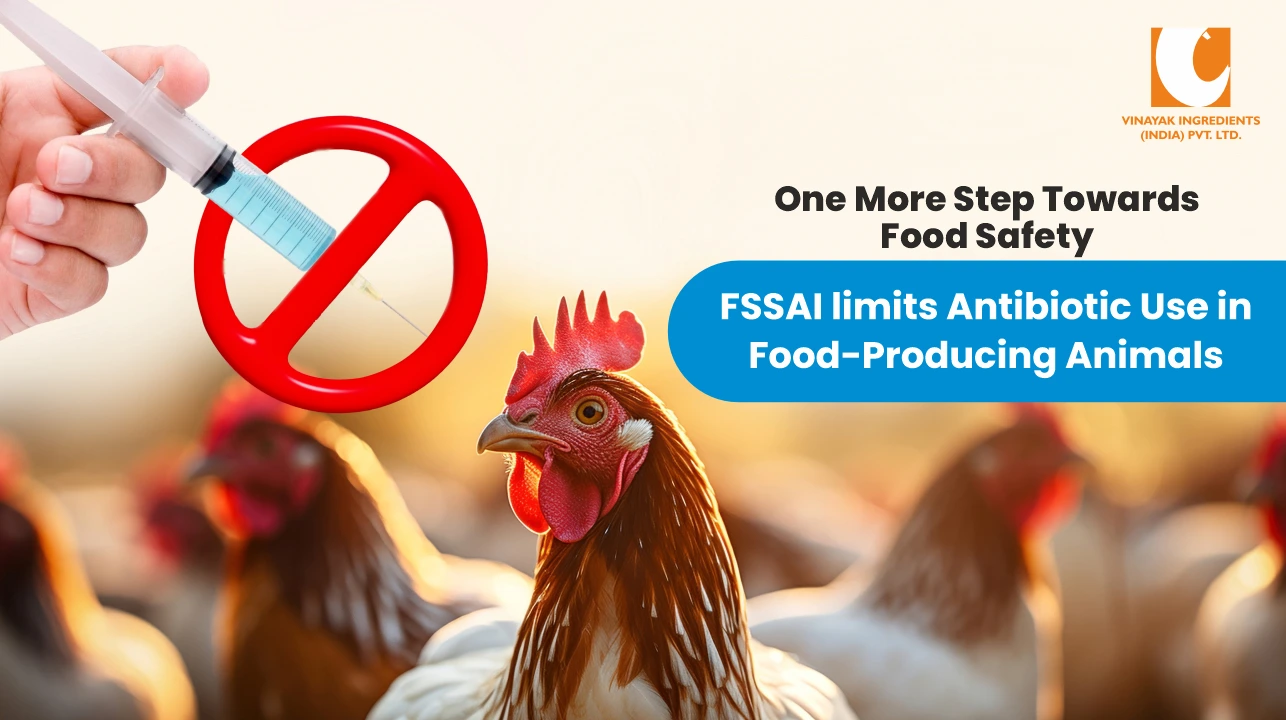
One More Step Towards food safety – FSSAI limits Antibiotic Use in Food-Producing Animals

The recent increased demand for animal-origin protein has led to an intensification of animal production. Different methods are used to improve the production, Antibiotics are one of them. The overall use of antibiotics has increased recently to improve productivity and profitability. Additionally, antimicrobials are used in huge proportions for treating specific diseases or infections in animals, during stress conditions, to improve immunity, or as general growth promoters.

While the use of antibiotics is crucial, its overuse or misuse leads to antimicrobial resistance (AMR). The increased AMR can impact the effectiveness of antimicrobials against pathogens. This might fail treatment, and increase the severity of the disease impacting animal welfare and eventually leading to economic losses. The excess use of antimicrobials in food-producing animals increases the risk of the spread of AMR toward important pathogens in human beings consuming these food products. It can be transmitted via the food chain or environmental factors. According to the WHO report of 2019, it is assessed that AMR was directly responsible for approximately 1.27 million global deaths and was indirectly responsible for around 4.95 million deaths.

India has taken a significant step to reduce the impact of AMR by introducing new regulations. Food Safety and Standards Authority of India (FSSAI) released an amendment on 17 October 2024 stating that the use of some antimicrobials for the production of animal-based food products is not permitted. Also, the authority has changed the Maximum Residual Limits of antimicrobials in food-producing animals. These new regulations will be enforced from 1 April 2025.

According to old regulations, the use of antibiotics was forbidden only during food processing. However, the new rules prohibit the use in the entire production cycle. This supports the efforts of FSSAI to enhance food safety and reduce AMR. Along with meat, poultry, eggs, and aquaculture products, antibiotics are also banned in milk, and milk products to improve food safety.

Antibiotics that have been completely prohibited to use in food animal production:

Classes of antibiotics

  • Glycopeptides,
  • Nitrofurans,
  • Nitroimidazoles

Specific antibiotics

  • Carbadox,
  • Chloramphenicol,
  • Colistin,
  • Streptomycin (and its metabolite dihydrostreptomycin),
  • Sulphamethoxazole,

The amendment also updates the list of tolerance limits of antimicrobials and other veterinary drugs in food from animal sources. Specifically, six new antibiotics, amoxicillin, cephalexin, gentamicin, penicillin G/ benzylpenicillin, sulfamethazine, and sulfadimethoxine have been added to the existing list of antibiotics.

The ban on antimicrobial use and strict testing by the authorities can help to reduce the spread and impact of AMR. By prohibition of antibiotics, India aims to support the global efforts of the World Health Organization (WHO) to reduce the risk of AMR and promote sustainable food production.

Along with prohibitions of antibiotics, there is a need for the development of new alternatives for growth and disease prevention in animals. Natural products can be good alternatives for the same. Natural components like plant-based phytochemicals, essential oils, probiotics, and other bioactive compounds show antimicrobial, anti-inflammatory, and immune-boosting properties supporting overall welfare while maintaining food safety.

Incorporating natural solutions and maintaining regulatory compliance into animal farming practices can help reduce AMR while protecting animal health.

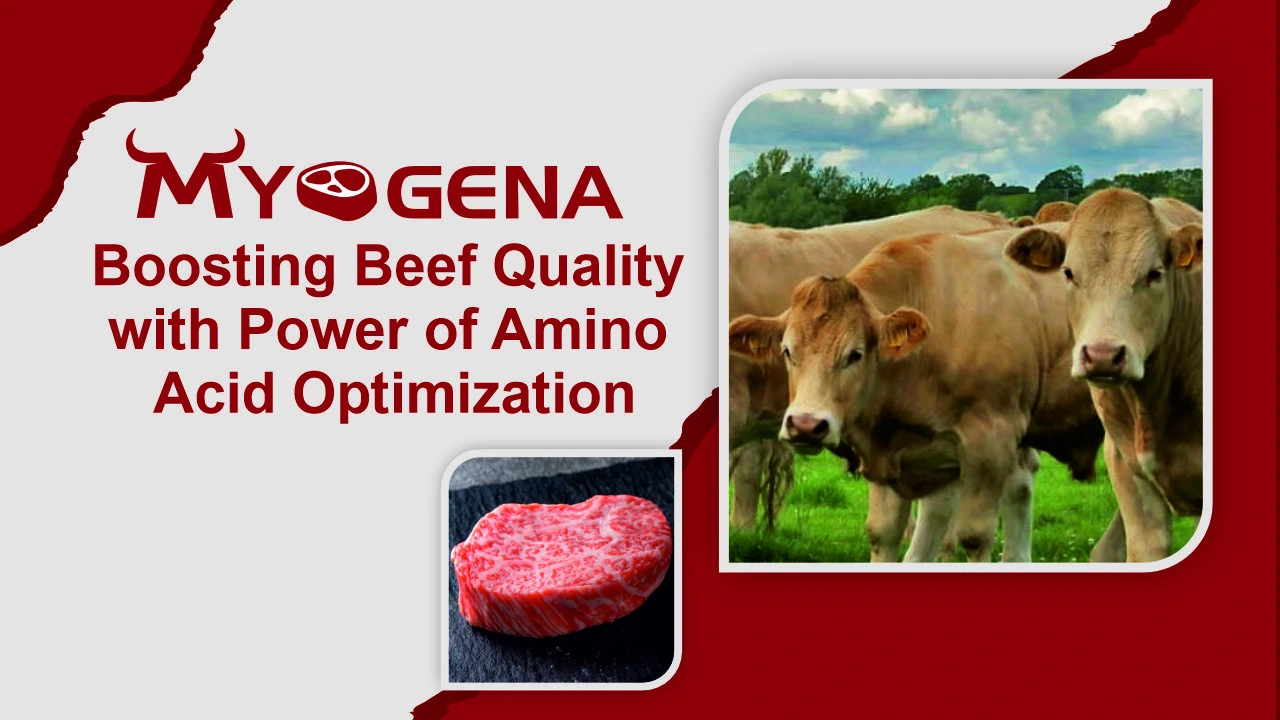
MYOGENA – Boosting Beef Quality with Power of Amino Acid Optimization

MAYOGENA Boosting Beef Quality with Power of Amino Acid Optimization

In countries like the United States, where beef is a staple in the culinary culture, the beef quality is crucial. When included as part of a healthy and varied diet, beef can provide a rich source of high biological value protein and bioavailable essential nutrients. Their principal constituents are proteins (containing amino acids essential to human health) and fats including saturated fatty acid, unsaturated fatty acid, cholesterol, triacylglycerol, and phospholipids with a substantial contribution of vitamins mainly those of the B complex and minerals primarily iron and zinc.

Understanding the Importance of Beef Quality

Nowadays consumers are very much aware of nutrition and health resulting in increased demand for healthier meat products that are low in fat, and cholesterol. This is mainly due to the relationship between the consumption of saturated fats (SFA) and high serum cholesterol with related increase in probability of acquiring diseases such as obesity, high blood pressure, cancer, and heart disease.

Beef quality is predominantly assessed by factors such as colour, tenderness, and flavour, with marbling being the most critical attribute. Balancing lean growth and marbling is essential for price optimization in beef markets. If the producer wants to compete in beef cattle industry for long term, the efficient production of palatable lean beef must be a primary objective. Beef meat is considered lean when 100 grams of beef contain less than 10 grams of fat, less than 4.5 grams of saturated fat, and less than 95 milligrams of cholesterol.  Marbling is defined as the appearance of visible white flecks or streaks of Intramuscular fat that have a positive relation with sensory traits of meat, which include its  juiciness, colour, tenderness and taste.

USDA Standards

Beef Quality

Different grades of beef mainly indicate the amount, regularity, and quality of marbling or fat interlaced within the muscles. The United States Department of Agriculture (USDA) grading system features eight different grades for beef. Across almost every cut of beef carcass, Prime has the highest marbling content  while choice is an easily accessible option.

Industry faces Various challenges to design and develop new technologies that will allow production of lean beef with appropriate marbling. This will require higher lean tissue deposition and extensive redirection of feed energy from fat to protein deposition through all phases of growth.  Growth regulators function by reducing fat deposition. Due to significant relationship between fat deposition and marbling exists, a reduction in marbling and resulting quality grade can be expected when fat is reduced. However, its impact on acceptability, shear force, palatability, and tenderness is less than expected.

FACTORS AFFECTING BEEF COMPOSITION –

FACTORS AFFECTING BEEF COMPOSITION

Among other factors, body composition can be influenced by managing nutrition of animal. The control of feed intake is a particularly exciting and rapidly growing field.  Changes in the diet of ruminants can lead to major differences in composition of edible tissues.  Various phytochemical feed additives, are used to improve marbling and promote lean meat production.


MYOGENA – The Phytogenic Feed Supplement for Lean Beef production

MYOGENA is a phytogenic supplement for lean beef production that helps to maintain healthy body condition score, lean muscle gain, and appealing carcass qualities. It acts as protein optimizer and improves protein turnover along with the upregulation of fat metabolism.

How Does Myogena Work?

mayogena-cattle-Work

MYOGENA stimulates insulin-like growth factor-1 (IGF-1), which enhances skeletal muscle accretion in beef cattle, leading to improved growth rates and increased carcass weight. On the adipose and muscle cell receptors, MYOGENA triggers lipid and protein mobilization and metabolism, that channelizes intra muscular fat deposition and supports lean muscle development. It helps in lean beef production, improves FCR and dressing percentage in beef cattle.

As the beef industry evolves, MYOGENA is essential for staying competitive and delivering exceptional quality to consumers.

MYOGENA – where quality, health, and profitability meet!

*References on request*

Caramel Food Color: Add Depth and Delight to Your Dishes

Caramel Food Color: Add Depth and Delight to Your Dishes

Welcome to the world of caramel colors! Often considered as the secret behind the rich hues of colas, sauces, and baked goods, caramel food color is a fascinating ingredient steeped in history and science. But what exactly is it, and how does it enhance our food and beverages? Let’s explore the magic of Caramel Food Color, its classes, uses, and its role in today’s culinary landscape.

Caramel Food Color Add Depth and Delight to Your Dishes

What is Caramel Food Color?

Caramel food color is a water-soluble food coloring produced by controlled heat treatment of food grade carbohydrates such as sugars or starches.

Did you know? 

Carmel food color is the world’s most commonly used food color, and it is recognised for its spectacular performance-enhancing properties in everything from soft drinks to baked goods.

The four classes of caramel

Four classes of caramel color exist depending on the raw materials used to synthesize them. This information helps manufacturers make proper selections of a given caramel color to meet their exact demands:

Class I (E 150a): Plain Caramel Produced by heating carbohydrates either with or without acids or alkalis.

Class II (E150b): Caustic Sulfite Process Caramel Color-Manufactured from sulfur dioxide compounds, which are the source when it is boiled.

Class III (E150c): Ammonia Process Caramel Color – Made from ammonia process caramelisation.

Class IV (E150d): Sulfite Ammonia Process Caramel color-Contains both sulfites and ammonium compounds.

Since each class has it’s unique character and color strength, food manufacturers can achieve their desired appearance in end-products.

Common uses of Caramel Food Color

Caramel food color is flexible and has been employed in almost every industry:

1. The major application of this color is in soft drinks and alcoholic beverages because of the beautiful coloring that it gives.

2. It imparts a warm and appealing color to confectionery and bakery products like chocolates, cakes, and candies.

3. Dairy Products and Desserts: Envision creamy caramel custards and rich ice creams.

4. Savory Foods: It makes the sauces, gravies, soups as well as meat products look so appetizing.

Fun fact

Many pet foods and cereals use caramel colors to ensure that all your food products have a good appearance

Why Opt for Caramel Food Color?

There are reasons, many of them, why caramel food colors are favorites for the manufacturing foods sector:

1. Cost-effective: Caramel colors are less expensive than most natural colorants.

2. Stability: They are relatively very stable with good resistance towards heat and pH level, hence suitable for diverse food processing conditions.

3. Regulatory Approvals: Caramel food colors have a long history of safe use in the food industry, with approvals from regulatory agencies across the globe. This ensures that they meet safety standards for consumers.

As consumers become aware of healthier options, the natural ingredients trend should push for caramel colors from sugar, representing clean labeling, which the health-conscious buyer wants.

Rising Demand for Caramel Colors

Given the growth in food and beverage consumption rising from population growth and a change in dietary habits, the demand for caramel food colors is on a constant increase. Especially under the current circumstances is the movement toward natural and plant-based ingredients as consumers tend to favor recognizable components in their food.

Key takeaway: Caramel colors become part of the clean label movement, according to which brands can boost their pipelines with products that the consumer wants to have transparent and made from natural ingredients.

The Future of Caramel Food Color:

With growing consumer awareness regarding food ingredients and their origin, the future seems bright for caramel food colors. Caramel colors have long been accepted by regulatory agencies and are highly versatile, making them likely to withstand future challenges in the food and beverage industry. This will enable caramel food colors to ride the trend toward more natural and health-conscious options, giving consumers quality products that answer their expectations for taste and transparency.

Conclusion:

It’s more than a color: it is golden, enhancing both the aesthetic appeal and flavor of thousands of products. With an interesting history, wide range of applications, and course along the modern consumer wave, caramel food color becomes a golden companion in kitchens and food production facilities all over the world.

So the next time you go guzzling down a rich cola or swooning over a delicious chocolate dessert, remember that magic the caramel food color does behind the scenes, upgrading your taste buds in it.