
icon-globe
Search Connect with us

Impact of Mycotoxins in Poultry Feed : Prevention and Control

Understand the harmful effects of mycotoxins in poultry feed and discover how VinSorb, a mycotoxin binder by Vinayak Ingredients, helps in effective prevention and control.

Mycotoxins are secondary metabolites of low molecular weight produced by different varieties of fungi, principally moulds. Mycotoxin contamination usually occurs in the field as well as during the processing and storage of feed products. The presence of mycotoxins in chicken feed results in significant financial losses for the poultry farmer.
Mycotoxins are omnipresent in high moisture feed ingredients and no poultry feed is free of any mycotoxin, under practical conditions. These moulds commonly grow on crops such as cereals, and grains, particularly under conditions of high humidity, temperature, and poor storage conditions. Feed contaminated with mycotoxin harms the production and health of animals. Mycotoxins show additive, synergistic, as well as antagonistic effects with other toxins, infectious agents, and nutritional requirements. They may interact with drugs used as therapeutic agents and also diminish the effects of vaccines administered to poultry.

Major Mycotoxins:

Aflatoxins, Ochratoxins, Fumonisins, Zearalenone, Trichothecene(T-2), Deoxynivalenol(DON)

A baby chick with a microscopic view of mycotoxins, representing the harmful effects of mycotoxin contamination in poultry feed and its impact on poultry health. Vinayak Ingredients provides effective mycotoxin binders for poultry safety.

Major Impacts of Mycotoxins

Aflatoxins:
  • high morbidity and mortality rates are possible
  • lesions in the liver along with reddening due to necrosis and congestion or yellowing due to lipid accumulation
  • haemorrhages in liver and other tissues
Ochratoxins:
  • decreased weight gain as well as poor feed conversion
  • decreased spontaneous activity
  • diarrhea, rapid weight loss, and death
  • decrease in overall carcass yield, egg productionegg quality, fertility, and hatchability
Fumonisins:

Fumonisins block the synthesis of complex sphingolipids that play an important role in protecting nerves, muscles, and membranes. Due to this, the free sphingoid bases sphinganine (Sa) and sphingosine (So), both highly toxic to most cells, accumulate in tissues leading to severe cell damage and cell death.

Zearalenone:

It is produced by Fusarium graminearum. ZEN and its metabolites have a biological structure similar to 17-b estradiol (E2). Hence, they can bind to estrogen receptors and interfere with estrogen function which affects animals’ reproductive ability and cause reproductive disorders.

T-2 (Type A Tricothecene):

• inhibition of protein, DNA, as well as RNA synthesis
• cytotoxicity and immunosuppression
• cell lesions in the digestive tract, organs, as well as skin
• neural disturbances and low overall performance in poultry production

DON:

  • reduction in weight and immune response to infection, particularly bacterial infection.
  • injury to the gastrointestinal tract
  • decrease in the absorption of nutrients (glucose and amino acid) through the intestine

Prevention against mycotoxins is necessary and the use of detoxifying or adsorbing agent (mycotoxin binder) in poultry rations is essential.

What are Mycotoxin binders? And their effects…

Mycotoxin binders or adsorbents are substances that bind to mycotoxins and prevent absorption through the gut of an animal.

The aluminosilicate binders are natural, inorganic mycotoxin binders containing a porous structure made of silica that can adsorb and trap mycotoxins (Jouany, 2007; Di Gregorio et al., 2014).

Widely used Mycotoxin binders- aluminosilicates like clay, bentonite, zeolite, aqueous sodium calcium aluminosilicate (HSCAS), and activated charcoal.

  • They degrade mycotoxins into non-toxic metabolites. In-vitro studies on the binding capacity of many adsorbents, HSCAS, and MOS have shown that these are the most effective choices.
  • Added to animal diets, mycotoxin binders, adsorbents, and mould inhibitors can mitigate the negative effects of mycotoxin

Mechanism Of Action:

Here’s the Solution…

Vinsorb logo – Vinayak Ingredients' advanced toxin binder for animal feed safety

Our product is a unique combination of high-grade mycotoxin adsorbents, mould inhibitors, as well as anti-fungal elements along with lipotropic agents which makes VINSORB-BIO a very effective mycotoxin binder for high levels of toxins, where the nature of toxin is unknown or its presence uncertain.

Composition

  • Hydrated Sodium Calcium Aluminosilicate (HSCAS), Phyllosilicates
  • MOS
  • Activated Charcoal
  • Organic Acids
  • Elemental Copper
  • Lipotropic Agents

Why VinSorb Bio?

Key benefits of Vinsorb Bio, a premium mycotoxin binder by Vinayak Ingredients, designed to protect poultry from harmful mycotoxins and enhance feed safety.

A Natural Revolution – Where Quality Meets Quantity in Milk Production

A visual representation of KiFAY, an amino acid optimizer by Vinayak Ingredients, improving protein absorption in dairy cattle to enhance milk production and quality.

A Natural Revolution – Where Quality Meets Quantity in Milk Production

Production of milk is carried out by about 150 million families worldwide. Smallholders produce most of the milk in developing nations, and Milk Production supports nutrition, food security, and household livelihoods. For cattle to maintain, grow, stay healthy, reproduce, and lactate, protein is an essential food. Protein provides the ammonia and nitrogen sources that rumen gut bacteria require to survive. These microorganisms break down food into Microbial Cell Protein (MCP) and Volatile Fatty Acids (VFAs), which cause digestion. Insufficient protein intake in calves results in a drop in microbial activity, which in turn lowers the pace of digestion. The stimulation of muscle protein synthesis is reliant on the adequate availability of amino acid (AA) precursors.

The increase in circulating AA concentrations in the blood serves as a signal to initiate synthetic processes. A sufficient increase in blood AA is required to overcome a concentration gradient that normally favors the intracellular space. Muscle protein synthesis and a positive anabolic state are directly related to the rate of appearance of AA in the intracellular space. Thus, only feeding amino acids with an optimal amino acid ratio is not the final frontier. Reduced digestive capacity means that the animal can absorb less nutrients. Even though these impacts are internal, you can see how a lack of protein would affect your cattle’s growth.

A milking cow’s diet deficient in calories can lead to low milk protein, low milk production, poor immunity, and poor fertility. The cow will become more prone to illness and metabolic conditions such as mastitis, ketosis, lameness, and loss of body condition as a result. By adopting sustainable and natural approaches, farmers can improve the quality of their dairy products while promoting the well-being of their herds.

KiFAY – An Herbal Supplement for Improving Protein Absorption.

KiFAY is an amino acid optimizer that improves protein turnover. It is a natural feed additive that maintains the anabolic state of the animal in isoenergic diets.

KiFAY, an amino acid optimizer, enhances protein synthesis by reducing protein catabolism and protecting the amino acids from degradation. KiFAY increases the retention of protein in the body which translates into improved production, live weight gain, and immunity.

Benefits of KiFAY

  • Improves milk protein

KiFAY can retain more proteins in the body which eventually results in higher protein levels in Milk

  • Improves milk SNF

SNF (solids-not-FAT) portion consists of protein (primarily casein and lactalbumin), carbohydrates (primarily lactose), and minerals (including calcium and phosphorus). An improvement in SNF indicates improved yield in value-added milk products

  • Enhances immunity

Proteins, an enhanced amino acid accretion results in disease preparedness, and better titers for vaccines drive immunity.

  • Increases palatability of food

KiFAY is also a palatability enhancer, it increases the feed consumption in ruminants and thus increases nutrient intake.

  • Improves Dung texture

Improved dung patty formation results from better ruminating behavior, which results in higher digestibility coefficients of feed

  • Improves Skin Coat Condition

Improved protein utilization improves the body condition score, especially for the coat/skin of the animal.

Why KiFAY? Because…..

Kifay

Action and Benefits

Kifay
“Boosted cattle performance through natural means”

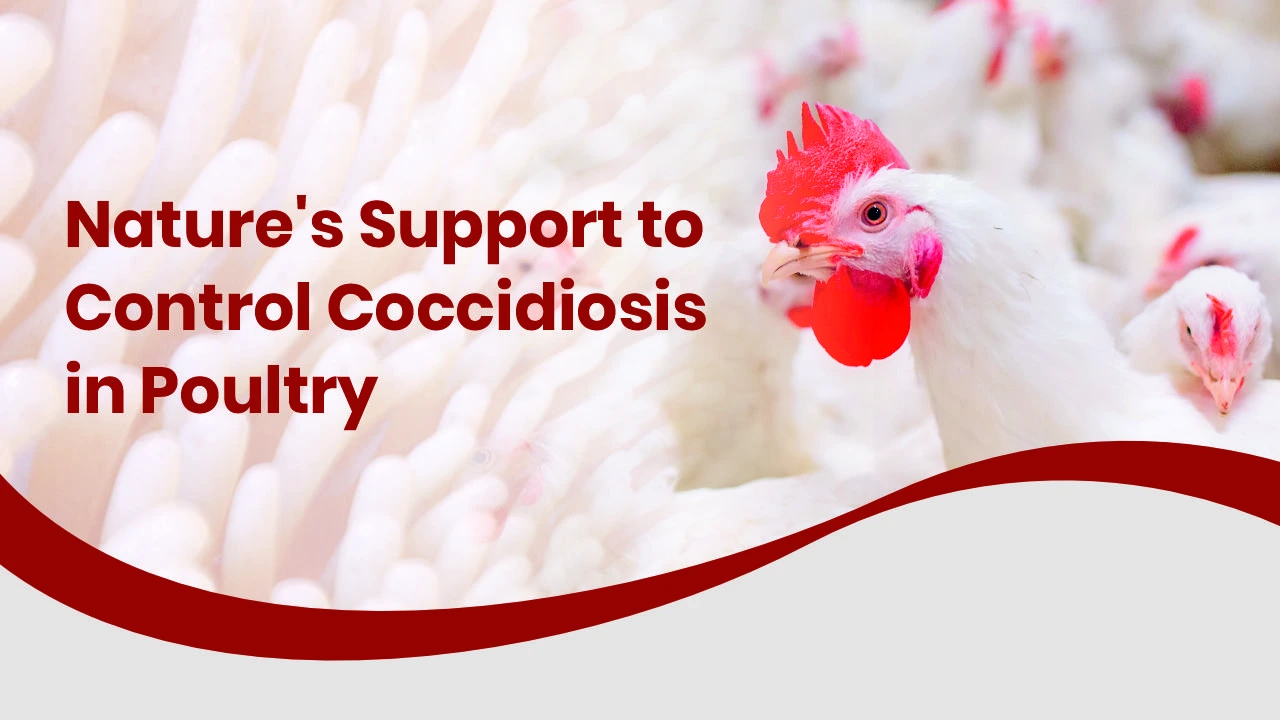
Nature’s support to control coccidiosis in poultry

Nature's support to control coccidiosis in poultry

Coccidiosis is one of the major concerns for poultry worldwide due to its effects on enteric health and overall flock performance. It is mainly caused by a protozoan parasite EimeriaMajor species of Eimeria that are found to be infectious in poultry are E. acervulina, E. brunetti, E. maxima, E. mitis, E. necatrix, E. praecox, and E. tenella. It causes an increased rate of morbidity and mortality in poultry, which results in major economic losses.

Common signs and symptoms of infection include:

Common signs and symptoms of infection in animals for early disease detection – Vinayak Ingredients

Modes of Transmission of Eimeria 

Eimeria is a host-specific infection, where different species of Eimeria infect different portions of the intestine in poultry.

1. Infected birds shed the infective oocysts (small egg-like bodies) in their feces.

2. These oocysts quickly multiply and flourish in favorable conditions.

3. Birds ingest these oocysts from contaminated food, water, litter, and become infected.

4. After being swallowed, the parasites establish themselves on the mucosa, developing and reproducing in large numbers, causing severe damage. Coccidia can complete their life cycle in approximately 4–7 days and multiply rapidly.

5. It damages the intestinal epithelial lining and reduces its ability to absorb nutrients essential for the growth of poultry.

Programs to Control Coccidiosis in Poultry 

Key challenges of using anti-coccidial drugs in poultry

  • Using drugs from the same class and the same mode of action one after another for a long period increases the risk of resistance being developed toward the class.
  • It leads to the accumulation of chemical residues in poultry.
  • It not only reduces the rate of poultry production but also causes major economic losses in poultry farming.

Therefore, anticoccidials are banned as feed additives due to consumers’ concerns about residues in poultry products. The natural plant-based solution is an effective alternative to mitigate the side effects of chemical-based products.

How can the natural solution be an effective alternative for coccidiosis control in poultry?

  • Phytochemicals present in plants reduce mucosal inflammation and lesions and effectively reduce the spread of disease by decreasing oocyst excretion.
  • Naturally improves the beneficial microbial population.
  • It can be used in combination with vaccines, ionophores, and chemicals as part of the shuttle or rotation program.
  • Fulfils public demand for residue-free poultry but also provides sustainable and effective poultry production.

Biococcin: Natural Alternative to Coccidiosis in Poultry

Biococcin logo – Vinayak Ingredients' natural solution for coccidiosis management in poultry.

BIOCOCCIN is a phytochemical mixture derived from various ethnoveterinary herbs, which has diverse mechanisms of action against multiple species of Eimeria. It provides a long-term benefit. The active constituents in BIOCOCCIN suppress the developmental stages in the lifecycle of Eimeria and help control coccidiosis. It is a sustainable solution, providing poultry farmers with a safe, efficient, and environmentally conscious alternative.

 Benefits of Biococcin 

Benefits of BIOCOCCIN for natural coccidiosis control and gut health in poultry – Vinayak Ingredients.

*References on request

Why Broken Eggs Break The Bank: The Hidden Costs For Farmers

Shellvin improve Egg quality

In commercial cage layers, the quality of eggs is crucial for farmers. Egg quality can be inferred greatly from the eggshell. Different factors like genetics, age, nutrition, viral diseases, environmental conditions, and egg handling affect the eggshell quality. The incidence of thin and broken-shelled eggs increases as the laying cycle progresses. The weak-shelled eggs are liable to break before collection at the farm and break during transportation and handling. Poor eggshell quality is a huge hidden cost to the egg producer.

Approximately 3 % of eggs in the hen house are uncollectible or break before use, resulting in significant losses. The 1-2 % are lost due to deformities, and about 2–3% during collection, processing, and transportation.

Eggshell breaking is common in older birds due to impaired kidney functions. Large eggs will usually break more easily than small ones. The main reason for this is that the hen is genetically capable of placing only a finite amount of calcium in the shell. As the hen ages and the eggs get bigger, a similar amount of calcium must be spread over a large surface; this can influence eggshell quality.

Sometimes a thinner eggshell is stronger than a thicker eggshell due to the shape and organization of the organic and inorganic components in the shell.

TO UNDERSTAND EGG SHELL CRACKING BETTER, LET’S FIRST UNDERSTAND HOW EGG SHELLS ARE FORMED…

Formation of Egg and Structure of Egg Shell

COMPOSITION OF EGG SHELL:

Composition of Egg Shell

TO ADDRESS THESE PHYSIOLOGICAL PROBLEMS, WE REPRESENT ‘SHELLVIN- BECAUSE STRONGER SHELL MATTERS!’

‘SHELLVIN’ is a unique blend that comprises organic calcium, shell enzyme co-factors, a vitamin D3 absorption enhancer, and a precursor of the organic matrix of shell. Apart from overcoming deficiencies affecting egg shell quality, SHELLVIN positively influences formation of shell ultrastructure.

CRACK THE CODE TO STRONGER SHELLS WITH SHELLVIN!

*References on request

Yeast & Propionibacteria Mix for Cattle Feed | Feeding Probiotics Significantly Improves Milk Yield & Productivity

Animal feed yeast rumen acidosis rumen fermentation Vinayak Ingredients

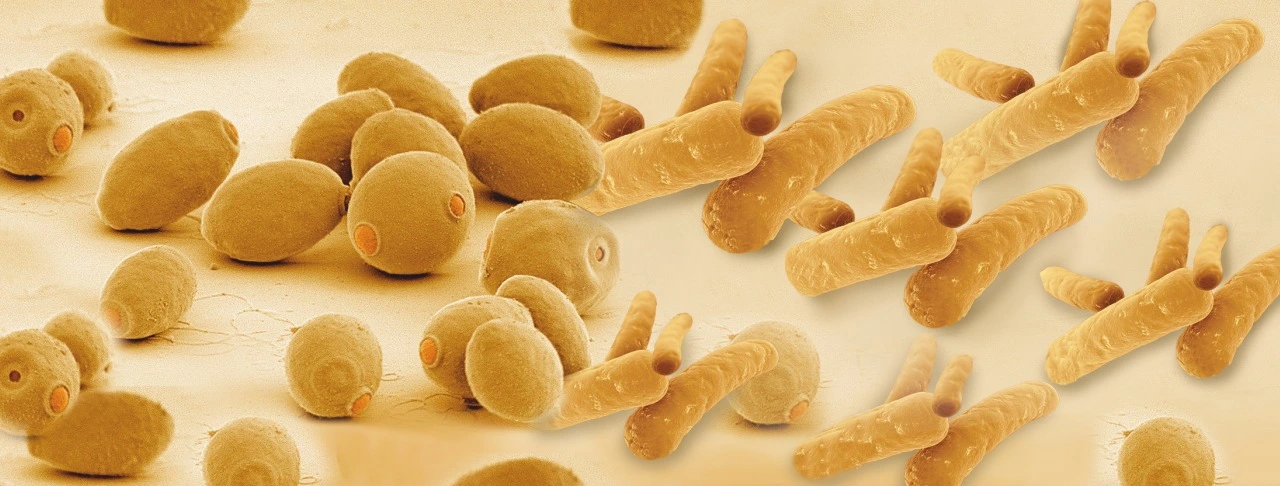
Conventional feed probiotic – Saccharomyces cerevisiae

Supplement for higher microbial protein in cows Probiotic for dairy Natural Cattle feed supplements vinayak Ingredients India Pvt Ltd

Animal feed yeast – is used to alter rumen fermentation to improve nutrient digestion, reduce the rumen acidosis risk, and improve animal performance. The use of yeast in animal feed improves the nutritive value of the feed due to its high energy, protein, and amino acid content.
Direct-fed microbial used in ruminant feed supplements include live microbial cells. (yeasts, moulds, and bacteria) and(or) their metabolites to alter the rumen and lower-gut microflora. Yeast is supplemented in dairy diets to improve animal performance and is considered a ‘natural’ alternative to antibiotics. When fed to lactating dairy cows, improved milk production is the most consistent benefit reported, however, increased dry matter intake (DMI) and milk fat percentage have been shown.

Less conventional feed probiotic – Propionibacterium freudenreichii

Propionibacteria are found naturally in the rumen and makeup 1.4% of the total ruminal microflora. Propionibacteria play a vital role in the production of glucose (gluconeogenesis), spare glucogenic amino acids and inhibition of hepatic lipid oxidation. Therefore, they have been used to improve energy metabolism for dairy animals, especially in the transition period from gestation to lactation.

Dairy propionibacteria have proven to possess many promising properties such as the production of nutraceuticals like vitamin B2, B12, K and conjugated linoleic acid, and their health-promoting effects could be attributed to one or more of the following modes of action: i) influence on gut microbial composition and exclusion of pathogens; ii) modulation of the metabolic activities of the microbiota and host, and iii) immunomodulation

The blend of Saccharomyces cerevisiae and Propionibacterium freudenreichii synergistically changes in the rumen microbial population, rumen fermentation, intestinal nutrient flow, and diet digestibility. It could be concluded that propionibacteria as feed supplements can play a vital role in the enhancement of ruminants’ productive performance.

VINYEAST-P, a novel blend of Saccharomyces cerevisiae and Propionibacterium freudenreichii

Balancing the rumen ecosystem is a balancing act. By maximizing fermentation, dairy cows obtain more volatile fatty acids for energy and microbial protein. Consecutively, more fermentation produces more acid and lowers the rumen pH. The lower rumen pH can depress fibre digestion and lead to metabolic acidosis.

Vinyeast-P enables the stability between enhanced rumen function and rumen ecosystem. Each probiotic has synergistic harmonious mode of action which ensures efficient stimulating effect on rumen metabolism and productive performance.

Vinyeast P

*References on request

Innovative approach towards trending issues in global poultry production – Part 2

  • Restores growth retardation and improves FCR
  • Manages clinical signs like Slipped tendon and Perosis 
  • Improves liver metabolism and prevents fatty liver syndrome
  • Essential metabolite for building and maintaining cell structure regulates integrity and porosity of cartilage matrix and also helps faster recovery from diseases
  • Necessary for formation of acetylcholine (Neurotransmitter)
  • Source of labile methyl groups for the formation of methionine from homocysteine and creatine from guanidoacetic acid Higher choline bioavailability growth retardation Improved FCR Prevent FLS & Perosis.
  • In field conditions, herbal choline demonstrated better performance than choline chloride in utilising the energy value of the feed, preventing fatty liver, and consequently improving feed efficiency and production performance.

KIFAY, an Alternative and Economic Approach Towards Feed Formulation

To meet the increasing demand and keep the livestock and poultry product prices reasonable, KIFAY supported feed millers and poultry integrators in enduring times by increasing their profit margins.

KIFAY, is a blend of synergistic herb extract. The feed additive is used for improving FCR and weight gain. KIFAY plays a unique role in amino acid absorption, protein biosynthesis in liver and improving protein retention in the birds. It upregulates hepatic IGF 1 levels and activates muscle protein synthesis. The other combination of polyphenols and flavonoids increase digestive secretions which helps in nutrient metabolism and absorption.

KIFAY plays a pivotal role in sustaining the ever escalating feed commodity prices, saving human grade food and growing profitable animal produce in the blue times.

There is also a higher interest from the consumer in organic poultry production and a great demand for natural and healthier products. In this context, the use of natural supplements has become a promising alternative to synthetic additives.

*References on request

Innovative products in poultry feed supplements manufacturers in India

In addition, herbal preparations help in the digestion process and being a component of nature, these preparations are considered safe, cost effective and environment friendly with no side effect. Hence, their inclusion in the diet is encouraged to enhance the bird’s performance, improve feed utilization, maintain health and alleviate adverse effect of environmental stress.

Feed additives help improving the efficiency of feed utilization and thus reducing the high cost of feed. Now days, use of herbal feed additives are gaining importance in poultry production due to ban on use of certain antibiotics because of their harmful residual effects.

The Russia-Ukraine conflict and historic inflation rise has impacted worldwide economies is well-known with energy and protein prices soaring every day. Not many are aware how the war has disrupted the availability of raw material for animal nutrition. Therefore, ever than before there is need of sustainable additives to utilize most from the feed and increase the profit margins.


Vincholine, Polyherbal Formulation of Enriched Natural Choline for Poultry

Vincholine is a natural choline supplement produced from Tinospora cordifolia, Andrographis paniculata, and Terminalia chebula, which is recognized in Ayurvedic Medicine. It has high content of choline in its esterified phosphatidylcholine form, free choline and sphingomyelin with high bioavailability. It can be an important alternative to the use of synthetic choline chloride. The results have shown that Vincholine can replace choline chloride in the poultry diets.

Biological significance

  • Restores growth retardation and improves FCR
  • Manages clinical signs like Slipped tendon and Perosis 
  • Improves liver metabolism and prevents fatty liver syndrome
  • Essential metabolite for building and maintaining cell structure regulates integrity and porosity of cartilage matrix and also helps faster recovery from diseases
  • Necessary for formation of acetylcholine (Neurotransmitter)
  • Source of labile methyl groups for the formation of methionine from homocysteine and creatine from guanidoacetic acid Higher choline bioavailability growth retardation Improved FCR Prevent FLS & Perosis.
  • In field conditions, herbal choline demonstrated better performance than choline chloride in utilising the energy value of the feed, preventing fatty liver, and consequently improving feed efficiency and production performance.

KIFAY, an Alternative and Economic Approach Towards Feed Formulation

To meet the increasing demand and keep the livestock and poultry product prices reasonable, KIFAY supported feed millers and poultry integrators in enduring times by increasing their profit margins.

KIFAY, is a blend of synergistic herb extract. The feed additive is used for improving FCR and weight gain. KIFAY plays a unique role in amino acid absorption, protein biosynthesis in liver and improving protein retention in the birds. It upregulates hepatic IGF 1 levels and activates muscle protein synthesis. The other combination of polyphenols and flavonoids increase digestive secretions which helps in nutrient metabolism and absorption.

KIFAY plays a pivotal role in sustaining the ever escalating feed commodity prices, saving human grade food and growing profitable animal produce in the blue times.

There is also a higher interest from the consumer in organic poultry production and a great demand for natural and healthier products. In this context, the use of natural supplements has become a promising alternative to synthetic additives.

*References on request

Innovative approach towards trending issues in global poultry production

Innovative approach towards trending issues in global poultry production

The Russia-Ukraine conflict and historic inflation rise has impacted worldwide economies is well-known with energy and protein prices soaring every day. Not many are aware how the war has disrupted the availability of raw material for animal nutrition. Therefore, ever than before there is need of sustainable additives to utilize most from the feed and increase the profit margins.

Feed additives help improving the efficiency of feed utilization and thus reducing the high cost of feed. Now days, use of herbal feed additives are gaining importance in poultry production due to ban on use of certain antibiotics because of their harmful residual effects.

In addition, herbal preparations help in the digestion process and being a component of nature, these preparations are considered safe, cost effective and environment friendly with no side effect. Hence, their inclusion in the diet is encouraged to enhance the bird’s performance, improve feed utilization, maintain health and alleviate adverse effect of environmental stress.

Weight gain in broilers chicken heat stress in poultry Vinayak Ingredients India Pvt Ltd

A unique micro-emulsified formulation of phytoactive ingredients such as Thymus vulgaris, Eucalyptus, Syzygium, and Citronella. Herbofloxin improves gut immune barrier to resist colonization by pathological microflora.

Thymol, eugenol, and essential oils inhibit enteropathogen like Salmonella and E. coli in the digestive tract. The improved gastrointestinal microclimate favors digestibility and uptake of feed nutrients. Phytomolecules with immunomodulatory effects stimulate growth of immune organs such as spleen, thymus and bursa, upregulating the function of lymphocytes, macrophages and natural killer cells.

The addition of Herbofloxin to drinking water supports digestion and metabolism in the body, stimulates the growth and development of a useful microbiome, limits the multiplication and adhesion of pathogens, and improves the morphology and functioning of enterocytes. Secondly, Herbofloxin reduces harmful intestinal load and ultimately prevents the meat contamination.

Herbofloxin Phytogenic Growth Supplements for Poultry AGP Replacers in Poultry Poultry Feed

Biococcin is a holistic combination of phytochemicals with diverse mechanism of action on multiple species of Eimeria. This active constituent suppresses the developmental stages in the lifecycle of Eimeria by several mechanisms, restricting the damage to intestinal cells and spread of the infection by several mechanisms mentioned below:

Weight gain in broilers chicken heat stress in poultry Vinayak Ingredients India Pvt Ltd
Control coccidiosis in poultry Natural coccidiostat for poultry Coccidiosis in poultry Vinayak
  • Prevention of oocyst development
  • Inhibition of sporulation
  • Inhibition of oocyst wall
  • Destruction of sporozoites in caeca
  • Stabilizing intestinal structure and decreasing inflammation
  • Stimulation of immune response and modulation.

Furthermore, herbal extracts could improve recovery after coccidiosis. Flavonoids and other polyphenols have been reported to be responsible for most of the biological properties of the herbs, including the anticoccidial potential.

Alternative protein strategy for poultry feed, an economic approach towards feed formulation

best-broiler-growth-booster-Poultry-growth-booster-kifay-Natural-growth-promote

Poultry industry is heavily influenced by feed commodity prices, trade negotiations, currency fluctuations and economic growth of the importing markets. Firstly, it was Covid then poultry product prices dropped on fears of linking chicken consumption to the virus transmission. Further Avian influenza outbreak of Jan-Feb 2021 hit it when the sales were just recovering.

After that, the second wave struck, and now when the industry was getting back on its feet the feed prices have spiked up due to the Russia-Ukraine war.

High feed prices have already resulted in an increase in the prices of animal protein such as chicken, milk and milk products, and seafood. Prices of soybean and maize are rising sharply, the two key inputs that are used in feed in the poultry industry as a source of protein and energy.

The main driver of increasing feed costs has been soybean and maize. Feed accounts for 70% of variable costs, wherein maize forms 55-60% of the feed while soyemeal forms 30-35% approximately. In the last six-month maize prices have gone up by more than 50% while soybean prices rose by 60-70% in the past 1 year.

dietary-supplement-for-weight-gain-Poultry-Weight-Gainer-kifay-Natural-growth-promoter

Due to the conflict with Russia, the imports of de-oiled cakes have stopped which is largely used as a protein source in chicken feed. The industry is sensitive to fluctuations in the ingredient prices, mainly feed which accounts for 70% of the variable costs. The industry margins are taking the toll led by spike in soyabean and maize costs in FY2022.

Chicken prices have also gone up by 25-30% since January, the experts expect a further increase of 20-50% in different parts of the world in March due to acute shortage of feed and fresh supply chain issues.tappan et al., 2016)

best-broiler-growth-booster-Poultry-growth-booster-kifay-Natural-growth-promoter

High prices of SBM, Maize, de-oiled cakes and essential amino acids drive the feed prices and so the cost of animal protein. According to the FAO data, global meat production is predicted to be 16% higher by 2025 and global feed processing market growing at a CAGR of 3.92% from 2020 to 2027. The surge in consumption and demand of livestock products such as eggs, meat, dairy & dairy-based products are expected to upswing the demand for feed among the farm animals. With the ever increasing demand of animal protein and consumption of competitive feed ingredients like soya, maize and other cereals; we are challenged to search unconventional alternatives or adopt sustainable strategies.


broiler-growth-booster-best-broiler-growth-booster-growth-booster-for-broilers-kifay-Natural-growth-promoter

ant textural changes like woody breast, white striping and spaghetti meat.

kifay-Natural-growth-promoterdietary-supplement-for-weight-gain-best-broiler-growth-booster

KIFAY, an alternative and economic approach towards feed formulation

Herbal medicine has been revolutionizing in the animal industry for its safe, efficient, and long term benefits. Scientists are scouting for phytoactive compounds which have anabolic and antiseptic properties to improve growth performance and nutrient efficiency. Phytochemicals, also referred as phytobiotics or phytogenics, are natural bioactive compounds that are extracted from plants and incorporated into animal feed to enhance productivity and improve feed efficiency.

To meet the increasing demand and keep the livestock and poultry product prices reasonable, KIFAY supported feed millers and poultry integrators in enduring times by increasing their profit margins

KIFAY, is a blend of synergistic herb extract. The feed additive is used for improving FCR and weight gain. KIFAY plays a unique role in amino acid absorption, protein biosynthesis in liver and improving protein retention in the birds. It upregulates hepatic IGF 1 levels and activates muscle protein synthesis. The other combination of polyphenols and flavonoids increase digestive secretions which helps in nutrient metabolism and absorption.

In feed formulations, to minimize the feed cost KIFAY functions as a protein optimizer. Nutritionists can reduce the total crude protein percent by 0.5 % and save the pricey feed ingredients such as SMB or de-oiled cakes. For instance, by minimizing 0.5 % CP it can save up to 11 kg of SBM and reward additional saving without affecting performance of the birds. For poultry integrators, KIFAY supplementation improves FCR and weight gain which yields handsome value to the investment.

kifay-broiler-growth-booster-Herbal-growth-promoter-for-poultry-Improve-FCR-in-poultry-natural-growth-booster-for-broilers-Vinayak-Ingredients-India-Pvt-650x650

KIFAY plays a pivotal role in sustaining the ever-escalating feed commodity prices, saving human-grade food and growing profitable animal produce in the blue times.


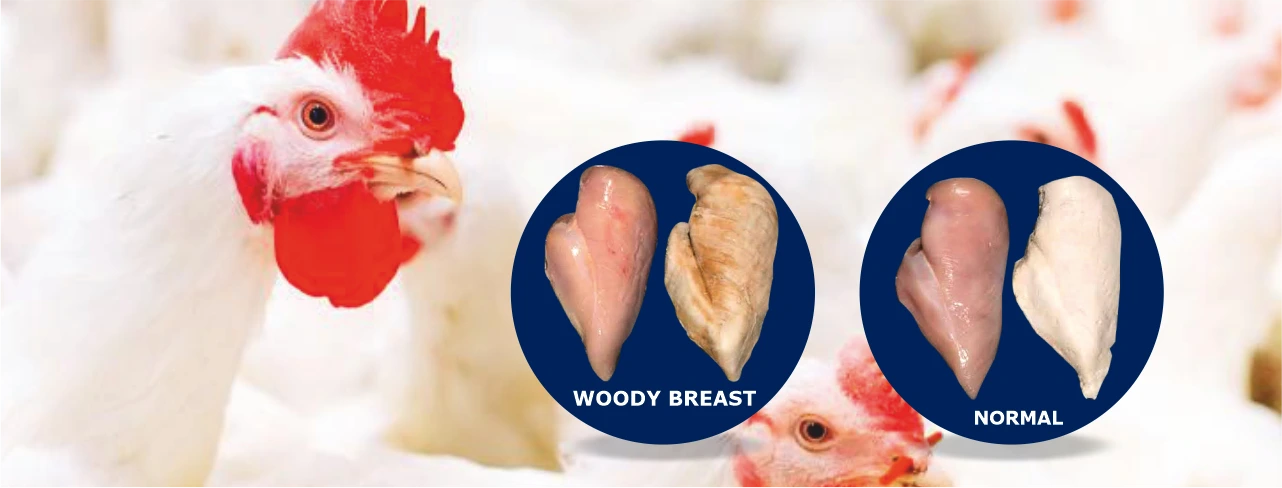
Woody breast myopathy and white striping – undesirable textural changes in chicken in the modern poultry industry

Supplement-for-tender-and-juicy-chicken-Herbal-Poultry-Feed-Supplements-in-India-Tender-chicken-meat

Woody breast (WB), or “Spaghetti meat” affects modern, rapidly growing, high breast yield broilers. Decreased meat quality due to undesirable change in muscle texture and condemnation of affected breast meat cause huge economic losses. WB incidence has increased steeply from 5% in 2012 to 29% in 2015 and has been reported to affect up to 50% of the flocks (Abasht et al., 2016). The majority of cases have been reported in the EU, USA, Canada, Australia, New Zealand, Japan and Brazil.

Woody breast myopathy is significantly impacting modern poultry lines of broilers imposing an economic burden on the poultry industry worldwide due to on-farm culling and mortality, down-grading and condemnation at processing (Chatterjee et al., 2016). People at the processing plants are getting better at identifying the condition and reporting it before it gets to restaurants who would complain about having been disappointed with the quality of their purchase. The affected meat tastes woody and stringy, some experts describe the texture as being “gummy”.

The heavier the bird, and the larger the quantity of meat on it, the more likely it is to develop woody breasts. While the condition can be found in leg meat, it typically affects breast meat, with enough impact to disrupt the supply chain. The occurrence of these unwanted myopathies has been associated with an increased growth rate in modern birds. In the laboratory, the condition can be detected in chicks as young as a week old.

Etiology and microscopic changes in the meat

It was noted that only ten percent of breast meat has woody breast, but it can be detected by looking for pale meat with bulging areas. White stripes on the meat are also indicative of texture and taste defects in the meat. Also, chickens weighing more than nine pounds seem to be more likely to have woody breast syndrome.

Intensive breeding in broilers to strengthen the genetic markers for large breast meat, and this is thought to be a factor in the development of woody breast in recent years. The reported changes are: oxidation of proteins in muscles, muscle-fibre degeneration (Myopathy) and an increased deposition of connective tissue and fat microscopically. In addition, it has been noted that birds with woody breast have a decreased water-holding capacity, and are slightly larger on the growth curve than other birds.

Histological-observations-of-the-broilers-supplemented-with-Tendero

Moreover, feeding birds with high energy and protein diets, age, gender, genetics, and stress had been associated with the woody breast myopathy (Kuttappan et al., 2016)

Various identifying methods to detect woody meat

US has brought Certified Quality Reader (CQR), which is a first-ever, non-invasive, handheld device that instantaneously detects and measures woody breast in broiler fillets based on electrical impedance analysis (BIA) to detect woody breast a muscle myopathy. Also at large processing plants, it might be possible to X-ray the meat or use electrical impedance measurement and different applications of imaging technology.

There have been several approaches to minimize muscle myopathies in chicken to improve meat quality like supplementing amino acids, phytase, vitamins, minerals and other feed additives or changes in the farm management regime, however, we could not find a promising solution to this condition yet.

Our research team have developed a photogenic combination that works on preventing muscle myopathies, improving the nutritive value and carcass quality of chicken.

TENDERO, an amino acid optimizer keeps the muscles tender and free from unpleasant textural changes like woody breast, white striping and spaghetti meat.

Tendero-Herbal-Supplement-manufactures-and-expoter-vinayak-ingredients

The metabolomics and proteomic studies show that hypoxia and activation of its upstream mediators play a key role in muscle myopathies. PiperinesFlavonoids and Polyphenols derived from Allum sp. and Piper nigrum, are potent antioxidants and anti-inflammatory components. They prevent fibrosis, immune cell infiltration and muscle fibre degeneration and assist in its repair which regulates the bio-physiology of the muscles.

Tendero modulates muscle oxygenation and nucleotide pathways, and molecular signalling which alters affected bio-functions in the muscles and prevents myopathies in the modern lines’ fast-growing broilers.

The actives of Tendero prevent oxidative stress within the breast muscles through free radical scavenging, cell signalling and maintaining lipid, carbohydrate, amino acid and nucleic acid metabolism.

Meat quality is an important measure of meat palatability and acceptability to consumers. The in-vivo experiments in broiler chicken improved the chicken quality factors like water holding capacity, juiciness, tenderness, meat texture and margination uptake.

TENDERO is a research-proven herbal supplement for the immerging issue of muscle myopathy and to improve organoleptic characteristics. It is leading in the broiler industry for its benefits like improved carcass traits, higher nutritive value, and improved textural and meat processing features.


It is recommended to use in broiler finisher feeds @ 2 kg per MT of feed to achieve tender and soft chicken, minimize cooking losses, and have higher margination uptake with no withdrawal period.

Herbal and Probiotic Supplements for Addressing Mastitis and Improving Udder Health in Dairy

Recomast for holistic udder health management, offering effective mastitis control in dairy farming. Herbal solution by Vinayak Ingredients India to improve milk quality and udder immunity.

Vitamin D3, Alpha Vitamin for Poultry in its Most Active Formd antibiotics

Effective cattle feed supplements for mastitis control in cows and dairy herds. Solution by Vinayak Ingredients India Pvt.Ltd. to manage mastitis and improve dairy farm productivity.

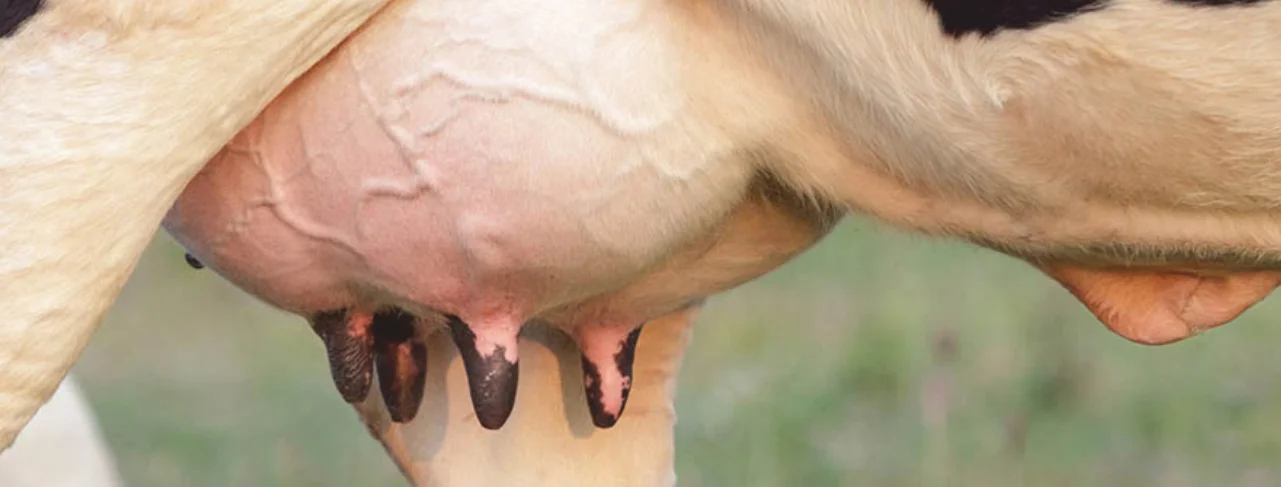
Bovine mastitis is the inflammation of the mammary glands in dairy cows. It usually occurs as an immune response to bacterial invasion of the teat canal by variety of etiological sources present on the farm i.e. pathogenic microorganisms, chemical, mechanical or thermal injuries to the udders.

Types of Mastitis

Prevent subclinical and clinical mastitis in cattle, control bovine inflammatory diseases, and improve dairy herd health. Solution by Vinayak Ingredients India for effective mastitis management.

Clinical Mastitis is an inflammatory response to infection-causing visibly abnormal milk (eg. colour, fibrin clots). As the extent of the inflammation increases, changes in the udder (swelling, heat, pain, redness) may also be apparent.

Subclinical Mastitis is the presence of a mostly asymptomatic infection without apparent signs of local inflammation or systemic involvement (fever, anorexia, shock). If the infection persists for at least two months, the infection is termed chronic.

Mastitis causes financial losses to dairy industries through reduced milk yield, poor milk quality, increased culling and also due to additional expenses on treatment and extra labor. The annual economic losses due to mastitis in India, United States, UK and worldwide have been estimated at $1.1 billion, $2 billion, $371 million and $35 billion (country graph with mastitis expenses), respectively.

The prominent bacteria responsible for causing mastitis include both gram-positive and gram negative bacteria. There is a need to explore alternative approaches for the treatment of mastitis because of their microbial resistance. Moreover, antibiotics in dairy milk have potential downstream effects on human health.

Somatic Cell count

In mastitis, the inflammatory reaction in the udder tissue causes changes in the biochemical composition of milk. Detection of subclinical mastitis is best done by testing milk for somatic cell count (SCC) (predominantly leucocytes) using either California Mastitis Test or automated methods. It is positively correlated with the presence of infection. Inflammatory changes and decreases in milk quality may start with SCCs as low as 100,000 cells/mL. Although variable, an SCC of ≥200,000 cells/mL in a cow indicates a high likelihood of infection.

Herbal therapy is a promising area in treatment of mastitis as no adverse effect is associated with it. Medicinal plants can be used as an alternative therapeutic option or as an adjunct agent in managing bovine mastitis.

Control somatic cell count in milk production with Recomast, improving milk hygiene and quality. Solution by Vinayak Ingredients India Pvt.Ltd. to support dairy health and mastitis management.
 RECOMAST improves ruminal health, maintains osmolarity, and neutralizes acid content in the rumen. Solution by Vinayak Ingredients India for better rumen stabilization and overall cattle health.

How does Recomast cure Mastitis ?

The phytochemicals like Berberine, Tinosporine, Diterpenoid lactones, Glycosides and Curcumin derivatives derived from Tinospora cordifolia and Curcuma longa protect udders against pathogens and its toxins, stopping the progress of infection. Recomast reduces the expression of several pro-inflammatory cytokines and necrosis factors indicating the anti-inflammatory activity. It reduces the pain, swelling and inflammatory discharges which protects udder tissue and assists faster healing. Its analgesic activity of the herbal extract is comparable to that of NSAID’s.

Herbal preparation of Recomast gives analgesic effect along with anti-inflammatory action. It helps in curing inflammation of udder and minimizing oxidative stress systemically.
Recomast contains probiotic Lactobacillus strains which have potent immunomodulatory activity produced by stimulating local and systemic immune response. The direct fed microbial leads to large up-regulation of cytokines, chemokines and neutrophils capable of eliminating mastitis pathogens.

The trace mineral and nucleotides maintain the healthy keratin layer, prevents the entry of pathogen in the udder. Mixture of nucleotides are responsible to build new cells when millions of healthy cells are damaged due to the infection. It accelerates recovery from mastitis and prevents fibrosis formation.

  • It is beneficial because it promotes:
  • 1. Faster regeneration of the lost milk producing tissue in the udder
  • 2. Reduces the somatic cell count of the milk and improves milk quality in 3-5 days
  • 3. It reduces pain, swelling, and clinical signs of the mastitic udder
  • 4. Reduces lactation stress and builds udder immunity after parturition
  • 5. Prevents and cure mastitis without withdrawal period
  • 6. Supportive to antibiotic therapy and rumen compatible
  • 7. Saves extra medicinal costs. Recomast is a holistic preparation for maintaining udder function, improving milk quality and preventing mastitis. It is used at 20 grams per animal per day or 1 kg per MT of feed. Use Recomast and cure mastitis in a scientifically proven and cost effective way.
Organic antimastitis supplement for cattle, a phytogenic natural feed solution to improve udder health and prevent mastitis. Recomast by Vinayak Ingredients India for sustainable dairy farming.