icon-globe
Search Connect with us

The Influence of Natural Color on Consumer Behavior​

The Food Color Psychology

The Influence of Natural Color on Consumer Behavior

There is a lot you can do with colors to make your food products stand out from the rest. Natural colors not only make foods attractive and appetizing but they also impart a certain flavor to them.

Color is the most important sensory property in the food and beverages industry. Food color gives consumers an almost immediate impression about the freshness, flavor and quality of a product. This affects consumers’ decision to purchase the product or select something that looks more appealing.

Another example of how we are influenced by the visual cue of color is that our brain tells us how something will taste looking at its color. Colorful food can influence our brain to create an impression that specific colors will taste a certain way.

The more vibrantly colored a food is, the more intense we expect its flavor to be.

Let us walk you through colors used in food industry and the consumer behavior linked with them to understand how different colors are perceived by the brain.
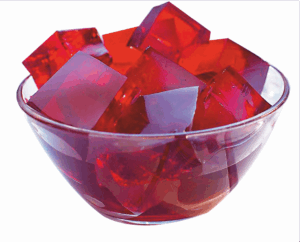
Red colored foods are eye-catchy. They can trigger appetite and stimulate physical response. Vinayak has developed an emulsion color called Ecocol Rubra Red which is bright red and requires relatively low dosage to give out a bold red color. Other shades of red are given by Paprika, Black carrot, Hibiscus, Carmine, Lycopene and Natural Red blends.

Yellow and Orange colored foods are perceived as sweet and sour. Orange colored beverages are often associated with orange flavor. The brighter orange colored juice is expected to taste sweeter. The various shades of Orange and Yellow are provided by Curcumin, Beta carotene, Lutein, Safflower, Annatto, Carminic acid and Paprika. It is also possible to mix two or more colors to create a unique blend.

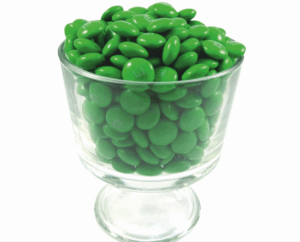
Green color in the food and beverage industry is associated with healthfulness and well-being, such as green smoothies, powders, nutraceutical tablets and capsules. Chlorophyll is a green pigment that is naturally found in the chloroplasts in green plants. This pigment is responsible for the green hues in food and nutraceuticals.

Blue is a rare color in the food industry. Blue is linked with the cold, so it proves to be a great addition to  chilled products. Traditionally, bright blue color in food and drink was associated with the notion of ‘artificial’ food colorings, something that has definitely fallen out of favor in recent decades as the natural blue products enter the marketplace. Popular sources of natural Blue are Spirulina blue, Gardenia blue and Anthocyanin.


Brown and Black in foods are associated with a bitter taste. Furthermore, black and dark brown colored foods are perceived as high-value or premium products and represent feel-good products like desserts. The most popular sources of Brown to Dark Brown colors are Burnt Sugar, Caramel and Black & Brown blends. Vinayak has launched Vegetable Carbon to impart pitch black to gray color shades.

White colored foods bring a sense of cleanliness and simplicity. Because of its association with being harmless, white foods trick us into mindless overeating. Titanium Dioxide has been widely used in the food industry to whiten and brighten food products. However, due to restrictions on the usage of Titanium Dioxide, Vinayak has developed an exclusive all-natural formulation to achieve opaque white color in foods. Natural White gives a smooth, even texture and offers strong whitening or opacifying effects.

Due to this human tendency of associating colors of foods with certain tastes and flavors, unusual and exotic colors can help to stimulate appetite and enjoyment, a key driver for consumers choosing products.

We are pleased to provide consultancy for the right food colors, their functionalities and qualities as well as the correct processing technology for optimal results in the final product.
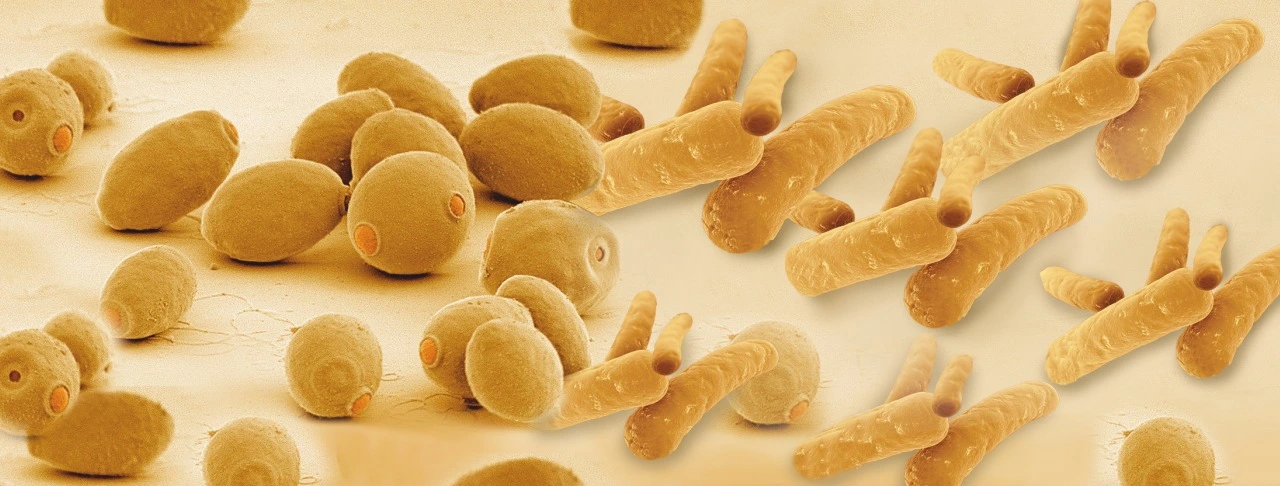
Yeast & Propionibacteria Mix for Cattle Feed | Feeding Probiotics Significantly Improves Milk Yield & Productivity

Animal feed yeast rumen acidosis rumen fermentation Vinayak Ingredients

Conventional feed probiotic – Saccharomyces cerevisiae

Supplement for higher microbial protein in cows Probiotic for dairy Natural Cattle feed supplements vinayak Ingredients India Pvt Ltd

Animal feed yeast – is used to alter rumen fermentation to improve nutrient digestion, reduce the rumen acidosis risk, and improve animal performance. The use of yeast in animal feed improves the nutritive value of the feed due to its high energy, protein, and amino acid content.
Direct-fed microbial used in ruminant feed supplements include live microbial cells. (yeasts, moulds, and bacteria) and(or) their metabolites to alter the rumen and lower-gut microflora. Yeast is supplemented in dairy diets to improve animal performance and is considered a ‘natural’ alternative to antibiotics. When fed to lactating dairy cows, improved milk production is the most consistent benefit reported, however, increased dry matter intake (DMI) and milk fat percentage have been shown.

Less conventional feed probiotic – Propionibacterium freudenreichii

Propionibacteria are found naturally in the rumen and makeup 1.4% of the total ruminal microflora. Propionibacteria play a vital role in the production of glucose (gluconeogenesis), spare glucogenic amino acids and inhibition of hepatic lipid oxidation. Therefore, they have been used to improve energy metabolism for dairy animals, especially in the transition period from gestation to lactation.

Dairy propionibacteria have proven to possess many promising properties such as the production of nutraceuticals like vitamin B2, B12, K and conjugated linoleic acid, and their health-promoting effects could be attributed to one or more of the following modes of action: i) influence on gut microbial composition and exclusion of pathogens; ii) modulation of the metabolic activities of the microbiota and host, and iii) immunomodulation

The blend of Saccharomyces cerevisiae and Propionibacterium freudenreichii synergistically changes in the rumen microbial population, rumen fermentation, intestinal nutrient flow, and diet digestibility. It could be concluded that propionibacteria as feed supplements can play a vital role in the enhancement of ruminants’ productive performance.

VINYEAST-P, a novel blend of Saccharomyces cerevisiae and Propionibacterium freudenreichii

Balancing the rumen ecosystem is a balancing act. By maximizing fermentation, dairy cows obtain more volatile fatty acids for energy and microbial protein. Consecutively, more fermentation produces more acid and lowers the rumen pH. The lower rumen pH can depress fibre digestion and lead to metabolic acidosis.

Vinyeast-P enables the stability between enhanced rumen function and rumen ecosystem. Each probiotic has synergistic harmonious mode of action which ensures efficient stimulating effect on rumen metabolism and productive performance.

Vinyeast P

*References on request

Innovative approach towards trending issues in global poultry production – Part 2

  • Restores growth retardation and improves FCR
  • Manages clinical signs like Slipped tendon and Perosis 
  • Improves liver metabolism and prevents fatty liver syndrome
  • Essential metabolite for building and maintaining cell structure regulates integrity and porosity of cartilage matrix and also helps faster recovery from diseases
  • Necessary for formation of acetylcholine (Neurotransmitter)
  • Source of labile methyl groups for the formation of methionine from homocysteine and creatine from guanidoacetic acid Higher choline bioavailability growth retardation Improved FCR Prevent FLS & Perosis.
  • In field conditions, herbal choline demonstrated better performance than choline chloride in utilising the energy value of the feed, preventing fatty liver, and consequently improving feed efficiency and production performance.

KIFAY, an Alternative and Economic Approach Towards Feed Formulation

To meet the increasing demand and keep the livestock and poultry product prices reasonable, KIFAY supported feed millers and poultry integrators in enduring times by increasing their profit margins.

KIFAY, is a blend of synergistic herb extract. The feed additive is used for improving FCR and weight gain. KIFAY plays a unique role in amino acid absorption, protein biosynthesis in liver and improving protein retention in the birds. It upregulates hepatic IGF 1 levels and activates muscle protein synthesis. The other combination of polyphenols and flavonoids increase digestive secretions which helps in nutrient metabolism and absorption.
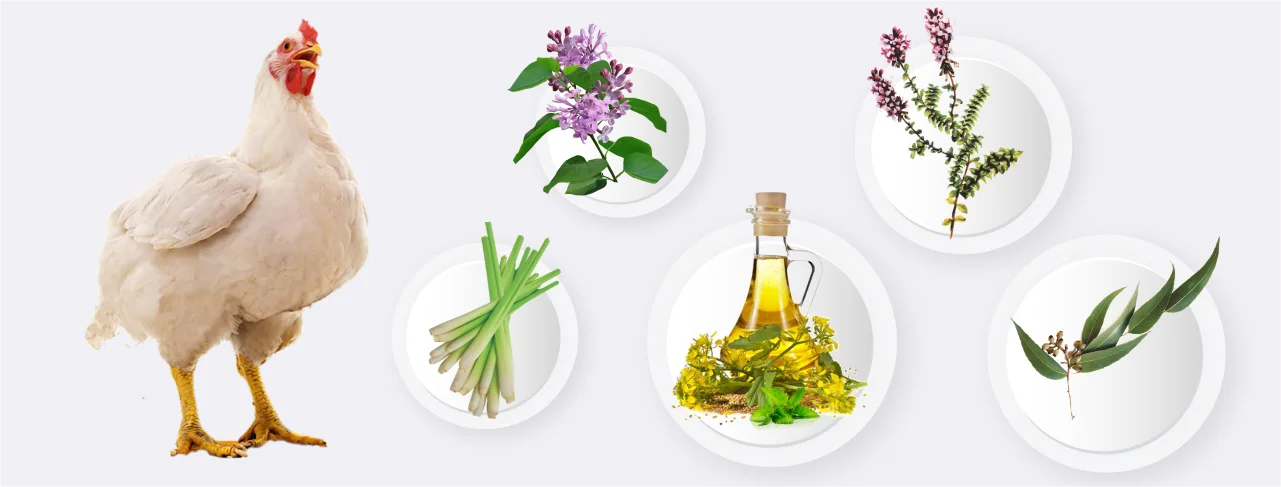
KIFAY plays a pivotal role in sustaining the ever escalating feed commodity prices, saving human grade food and growing profitable animal produce in the blue times.

There is also a higher interest from the consumer in organic poultry production and a great demand for natural and healthier products. In this context, the use of natural supplements has become a promising alternative to synthetic additives.

*References on request

Innovative products in poultry feed supplements manufacturers in India

In addition, herbal preparations help in the digestion process and being a component of nature, these preparations are considered safe, cost effective and environment friendly with no side effect. Hence, their inclusion in the diet is encouraged to enhance the bird’s performance, improve feed utilization, maintain health and alleviate adverse effect of environmental stress.

Feed additives help improving the efficiency of feed utilization and thus reducing the high cost of feed. Now days, use of herbal feed additives are gaining importance in poultry production due to ban on use of certain antibiotics because of their harmful residual effects.

The Russia-Ukraine conflict and historic inflation rise has impacted worldwide economies is well-known with energy and protein prices soaring every day. Not many are aware how the war has disrupted the availability of raw material for animal nutrition. Therefore, ever than before there is need of sustainable additives to utilize most from the feed and increase the profit margins.


Vincholine, Polyherbal Formulation of Enriched Natural Choline for Poultry

Vincholine is a natural choline supplement produced from Tinospora cordifolia, Andrographis paniculata, and Terminalia chebula, which is recognized in Ayurvedic Medicine. It has high content of choline in its esterified phosphatidylcholine form, free choline and sphingomyelin with high bioavailability. It can be an important alternative to the use of synthetic choline chloride. The results have shown that Vincholine can replace choline chloride in the poultry diets.

Biological significance

  • Restores growth retardation and improves FCR
  • Manages clinical signs like Slipped tendon and Perosis 
  • Improves liver metabolism and prevents fatty liver syndrome
  • Essential metabolite for building and maintaining cell structure regulates integrity and porosity of cartilage matrix and also helps faster recovery from diseases
  • Necessary for formation of acetylcholine (Neurotransmitter)
  • Source of labile methyl groups for the formation of methionine from homocysteine and creatine from guanidoacetic acid Higher choline bioavailability growth retardation Improved FCR Prevent FLS & Perosis.
  • In field conditions, herbal choline demonstrated better performance than choline chloride in utilising the energy value of the feed, preventing fatty liver, and consequently improving feed efficiency and production performance.

KIFAY, an Alternative and Economic Approach Towards Feed Formulation

To meet the increasing demand and keep the livestock and poultry product prices reasonable, KIFAY supported feed millers and poultry integrators in enduring times by increasing their profit margins.

KIFAY, is a blend of synergistic herb extract. The feed additive is used for improving FCR and weight gain. KIFAY plays a unique role in amino acid absorption, protein biosynthesis in liver and improving protein retention in the birds. It upregulates hepatic IGF 1 levels and activates muscle protein synthesis. The other combination of polyphenols and flavonoids increase digestive secretions which helps in nutrient metabolism and absorption.

KIFAY plays a pivotal role in sustaining the ever escalating feed commodity prices, saving human grade food and growing profitable animal produce in the blue times.

There is also a higher interest from the consumer in organic poultry production and a great demand for natural and healthier products. In this context, the use of natural supplements has become a promising alternative to synthetic additives.

*References on request

Innovative approach towards trending issues in global poultry production

Innovative approach towards trending issues in global poultry production

The Russia-Ukraine conflict and historic inflation rise has impacted worldwide economies is well-known with energy and protein prices soaring every day. Not many are aware how the war has disrupted the availability of raw material for animal nutrition. Therefore, ever than before there is need of sustainable additives to utilize most from the feed and increase the profit margins.

Feed additives help improving the efficiency of feed utilization and thus reducing the high cost of feed. Now days, use of herbal feed additives are gaining importance in poultry production due to ban on use of certain antibiotics because of their harmful residual effects.

In addition, herbal preparations help in the digestion process and being a component of nature, these preparations are considered safe, cost effective and environment friendly with no side effect. Hence, their inclusion in the diet is encouraged to enhance the bird’s performance, improve feed utilization, maintain health and alleviate adverse effect of environmental stress.

Weight gain in broilers chicken heat stress in poultry Vinayak Ingredients India Pvt Ltd

A unique micro-emulsified formulation of phytoactive ingredients such as Thymus vulgaris, Eucalyptus, Syzygium, and Citronella. Herbofloxin improves gut immune barrier to resist colonization by pathological microflora.

Thymol, eugenol, and essential oils inhibit enteropathogen like Salmonella and E. coli in the digestive tract. The improved gastrointestinal microclimate favors digestibility and uptake of feed nutrients. Phytomolecules with immunomodulatory effects stimulate growth of immune organs such as spleen, thymus and bursa, upregulating the function of lymphocytes, macrophages and natural killer cells.

The addition of Herbofloxin to drinking water supports digestion and metabolism in the body, stimulates the growth and development of a useful microbiome, limits the multiplication and adhesion of pathogens, and improves the morphology and functioning of enterocytes. Secondly, Herbofloxin reduces harmful intestinal load and ultimately prevents the meat contamination.

Herbofloxin Phytogenic Growth Supplements for Poultry AGP Replacers in Poultry Poultry Feed

Biococcin is a holistic combination of phytochemicals with diverse mechanism of action on multiple species of Eimeria. This active constituent suppresses the developmental stages in the lifecycle of Eimeria by several mechanisms, restricting the damage to intestinal cells and spread of the infection by several mechanisms mentioned below:

Weight gain in broilers chicken heat stress in poultry Vinayak Ingredients India Pvt Ltd
Control coccidiosis in poultry Natural coccidiostat for poultry Coccidiosis in poultry Vinayak
  • Prevention of oocyst development
  • Inhibition of sporulation
  • Inhibition of oocyst wall
  • Destruction of sporozoites in caeca
  • Stabilizing intestinal structure and decreasing inflammation
  • Stimulation of immune response and modulation.

Furthermore, herbal extracts could improve recovery after coccidiosis. Flavonoids and other polyphenols have been reported to be responsible for most of the biological properties of the herbs, including the anticoccidial potential.

Alternative protein strategy for poultry feed, an economic approach towards feed formulation

best-broiler-growth-booster-Poultry-growth-booster-kifay-Natural-growth-promote

Poultry industry is heavily influenced by feed commodity prices, trade negotiations, currency fluctuations and economic growth of the importing markets. Firstly, it was Covid then poultry product prices dropped on fears of linking chicken consumption to the virus transmission. Further Avian influenza outbreak of Jan-Feb 2021 hit it when the sales were just recovering.

After that, the second wave struck, and now when the industry was getting back on its feet the feed prices have spiked up due to the Russia-Ukraine war.

High feed prices have already resulted in an increase in the prices of animal protein such as chicken, milk and milk products, and seafood. Prices of soybean and maize are rising sharply, the two key inputs that are used in feed in the poultry industry as a source of protein and energy.

The main driver of increasing feed costs has been soybean and maize. Feed accounts for 70% of variable costs, wherein maize forms 55-60% of the feed while soyemeal forms 30-35% approximately. In the last six-month maize prices have gone up by more than 50% while soybean prices rose by 60-70% in the past 1 year.

dietary-supplement-for-weight-gain-Poultry-Weight-Gainer-kifay-Natural-growth-promoter

Due to the conflict with Russia, the imports of de-oiled cakes have stopped which is largely used as a protein source in chicken feed. The industry is sensitive to fluctuations in the ingredient prices, mainly feed which accounts for 70% of the variable costs. The industry margins are taking the toll led by spike in soyabean and maize costs in FY2022.

Chicken prices have also gone up by 25-30% since January, the experts expect a further increase of 20-50% in different parts of the world in March due to acute shortage of feed and fresh supply chain issues.tappan et al., 2016)

best-broiler-growth-booster-Poultry-growth-booster-kifay-Natural-growth-promoter

High prices of SBM, Maize, de-oiled cakes and essential amino acids drive the feed prices and so the cost of animal protein. According to the FAO data, global meat production is predicted to be 16% higher by 2025 and global feed processing market growing at a CAGR of 3.92% from 2020 to 2027. The surge in consumption and demand of livestock products such as eggs, meat, dairy & dairy-based products are expected to upswing the demand for feed among the farm animals. With the ever increasing demand of animal protein and consumption of competitive feed ingredients like soya, maize and other cereals; we are challenged to search unconventional alternatives or adopt sustainable strategies.


broiler-growth-booster-best-broiler-growth-booster-growth-booster-for-broilers-kifay-Natural-growth-promoter

ant textural changes like woody breast, white striping and spaghetti meat.

kifay-Natural-growth-promoterdietary-supplement-for-weight-gain-best-broiler-growth-booster

KIFAY, an alternative and economic approach towards feed formulation

Herbal medicine has been revolutionizing in the animal industry for its safe, efficient, and long term benefits. Scientists are scouting for phytoactive compounds which have anabolic and antiseptic properties to improve growth performance and nutrient efficiency. Phytochemicals, also referred as phytobiotics or phytogenics, are natural bioactive compounds that are extracted from plants and incorporated into animal feed to enhance productivity and improve feed efficiency.

To meet the increasing demand and keep the livestock and poultry product prices reasonable, KIFAY supported feed millers and poultry integrators in enduring times by increasing their profit margins

KIFAY, is a blend of synergistic herb extract. The feed additive is used for improving FCR and weight gain. KIFAY plays a unique role in amino acid absorption, protein biosynthesis in liver and improving protein retention in the birds. It upregulates hepatic IGF 1 levels and activates muscle protein synthesis. The other combination of polyphenols and flavonoids increase digestive secretions which helps in nutrient metabolism and absorption.

In feed formulations, to minimize the feed cost KIFAY functions as a protein optimizer. Nutritionists can reduce the total crude protein percent by 0.5 % and save the pricey feed ingredients such as SMB or de-oiled cakes. For instance, by minimizing 0.5 % CP it can save up to 11 kg of SBM and reward additional saving without affecting performance of the birds. For poultry integrators, KIFAY supplementation improves FCR and weight gain which yields handsome value to the investment.

kifay-broiler-growth-booster-Herbal-growth-promoter-for-poultry-Improve-FCR-in-poultry-natural-growth-booster-for-broilers-Vinayak-Ingredients-India-Pvt-650x650

KIFAY plays a pivotal role in sustaining the ever-escalating feed commodity prices, saving human-grade food and growing profitable animal produce in the blue times.


Woody breast myopathy and white striping – undesirable textural changes in chicken in the modern poultry industry

Supplement-for-tender-and-juicy-chicken-Herbal-Poultry-Feed-Supplements-in-India-Tender-chicken-meat

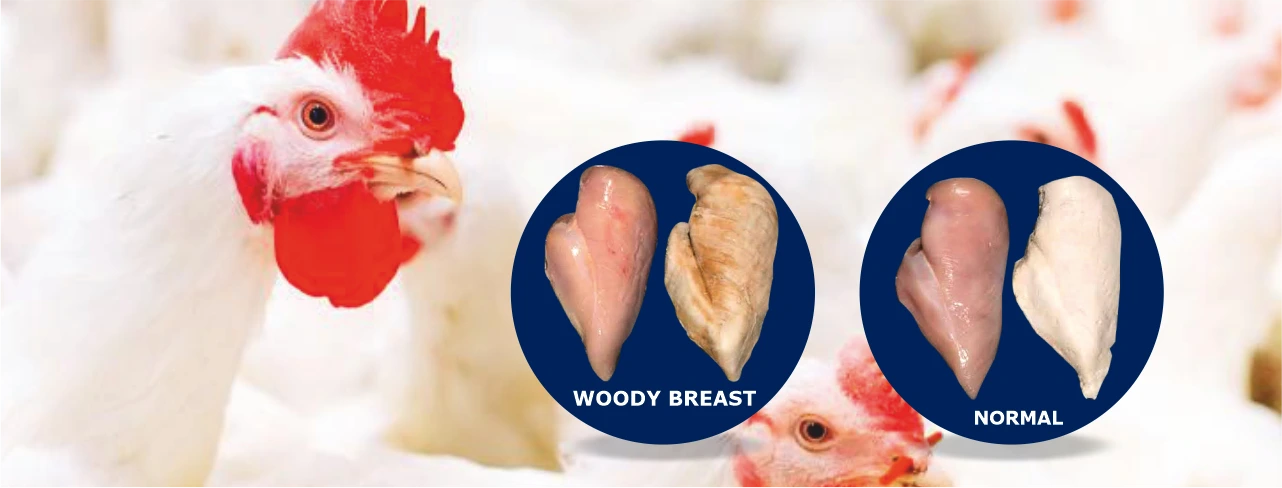
Woody breast (WB), or “Spaghetti meat” affects modern, rapidly growing, high breast yield broilers. Decreased meat quality due to undesirable change in muscle texture and condemnation of affected breast meat cause huge economic losses. WB incidence has increased steeply from 5% in 2012 to 29% in 2015 and has been reported to affect up to 50% of the flocks (Abasht et al., 2016). The majority of cases have been reported in the EU, USA, Canada, Australia, New Zealand, Japan and Brazil.

Woody breast myopathy is significantly impacting modern poultry lines of broilers imposing an economic burden on the poultry industry worldwide due to on-farm culling and mortality, down-grading and condemnation at processing (Chatterjee et al., 2016). People at the processing plants are getting better at identifying the condition and reporting it before it gets to restaurants who would complain about having been disappointed with the quality of their purchase. The affected meat tastes woody and stringy, some experts describe the texture as being “gummy”.

The heavier the bird, and the larger the quantity of meat on it, the more likely it is to develop woody breasts. While the condition can be found in leg meat, it typically affects breast meat, with enough impact to disrupt the supply chain. The occurrence of these unwanted myopathies has been associated with an increased growth rate in modern birds. In the laboratory, the condition can be detected in chicks as young as a week old.

Etiology and microscopic changes in the meat

It was noted that only ten percent of breast meat has woody breast, but it can be detected by looking for pale meat with bulging areas. White stripes on the meat are also indicative of texture and taste defects in the meat. Also, chickens weighing more than nine pounds seem to be more likely to have woody breast syndrome.

Intensive breeding in broilers to strengthen the genetic markers for large breast meat, and this is thought to be a factor in the development of woody breast in recent years. The reported changes are: oxidation of proteins in muscles, muscle-fibre degeneration (Myopathy) and an increased deposition of connective tissue and fat microscopically. In addition, it has been noted that birds with woody breast have a decreased water-holding capacity, and are slightly larger on the growth curve than other birds.

Histological-observations-of-the-broilers-supplemented-with-Tendero

Moreover, feeding birds with high energy and protein diets, age, gender, genetics, and stress had been associated with the woody breast myopathy (Kuttappan et al., 2016)

Various identifying methods to detect woody meat

US has brought Certified Quality Reader (CQR), which is a first-ever, non-invasive, handheld device that instantaneously detects and measures woody breast in broiler fillets based on electrical impedance analysis (BIA) to detect woody breast a muscle myopathy. Also at large processing plants, it might be possible to X-ray the meat or use electrical impedance measurement and different applications of imaging technology.

There have been several approaches to minimize muscle myopathies in chicken to improve meat quality like supplementing amino acids, phytase, vitamins, minerals and other feed additives or changes in the farm management regime, however, we could not find a promising solution to this condition yet.

Our research team have developed a photogenic combination that works on preventing muscle myopathies, improving the nutritive value and carcass quality of chicken.

TENDERO, an amino acid optimizer keeps the muscles tender and free from unpleasant textural changes like woody breast, white striping and spaghetti meat.

Tendero-Herbal-Supplement-manufactures-and-expoter-vinayak-ingredients

The metabolomics and proteomic studies show that hypoxia and activation of its upstream mediators play a key role in muscle myopathies. PiperinesFlavonoids and Polyphenols derived from Allum sp. and Piper nigrum, are potent antioxidants and anti-inflammatory components. They prevent fibrosis, immune cell infiltration and muscle fibre degeneration and assist in its repair which regulates the bio-physiology of the muscles.

Tendero modulates muscle oxygenation and nucleotide pathways, and molecular signalling which alters affected bio-functions in the muscles and prevents myopathies in the modern lines’ fast-growing broilers.

The actives of Tendero prevent oxidative stress within the breast muscles through free radical scavenging, cell signalling and maintaining lipid, carbohydrate, amino acid and nucleic acid metabolism.

Meat quality is an important measure of meat palatability and acceptability to consumers. The in-vivo experiments in broiler chicken improved the chicken quality factors like water holding capacity, juiciness, tenderness, meat texture and margination uptake.

TENDERO is a research-proven herbal supplement for the immerging issue of muscle myopathy and to improve organoleptic characteristics. It is leading in the broiler industry for its benefits like improved carcass traits, higher nutritive value, and improved textural and meat processing features.


It is recommended to use in broiler finisher feeds @ 2 kg per MT of feed to achieve tender and soft chicken, minimize cooking losses, and have higher margination uptake with no withdrawal period.

Herbal and Probiotic Supplements for Addressing Mastitis and Improving Udder Health in Dairy

Recomast for holistic udder health management, offering effective mastitis control in dairy farming. Herbal solution by Vinayak Ingredients India to improve milk quality and udder immunity.

Vitamin D3, Alpha Vitamin for Poultry in its Most Active Formd antibiotics

Effective cattle feed supplements for mastitis control in cows and dairy herds. Solution by Vinayak Ingredients India Pvt.Ltd. to manage mastitis and improve dairy farm productivity.

Bovine mastitis is the inflammation of the mammary glands in dairy cows. It usually occurs as an immune response to bacterial invasion of the teat canal by variety of etiological sources present on the farm i.e. pathogenic microorganisms, chemical, mechanical or thermal injuries to the udders.

Types of Mastitis

Prevent subclinical and clinical mastitis in cattle, control bovine inflammatory diseases, and improve dairy herd health. Solution by Vinayak Ingredients India for effective mastitis management.

Clinical Mastitis is an inflammatory response to infection-causing visibly abnormal milk (eg. colour, fibrin clots). As the extent of the inflammation increases, changes in the udder (swelling, heat, pain, redness) may also be apparent.

Subclinical Mastitis is the presence of a mostly asymptomatic infection without apparent signs of local inflammation or systemic involvement (fever, anorexia, shock). If the infection persists for at least two months, the infection is termed chronic.

Mastitis causes financial losses to dairy industries through reduced milk yield, poor milk quality, increased culling and also due to additional expenses on treatment and extra labor. The annual economic losses due to mastitis in India, United States, UK and worldwide have been estimated at $1.1 billion, $2 billion, $371 million and $35 billion (country graph with mastitis expenses), respectively.

The prominent bacteria responsible for causing mastitis include both gram-positive and gram negative bacteria. There is a need to explore alternative approaches for the treatment of mastitis because of their microbial resistance. Moreover, antibiotics in dairy milk have potential downstream effects on human health.

Somatic Cell count

In mastitis, the inflammatory reaction in the udder tissue causes changes in the biochemical composition of milk. Detection of subclinical mastitis is best done by testing milk for somatic cell count (SCC) (predominantly leucocytes) using either California Mastitis Test or automated methods. It is positively correlated with the presence of infection. Inflammatory changes and decreases in milk quality may start with SCCs as low as 100,000 cells/mL. Although variable, an SCC of ≥200,000 cells/mL in a cow indicates a high likelihood of infection.

Herbal therapy is a promising area in treatment of mastitis as no adverse effect is associated with it. Medicinal plants can be used as an alternative therapeutic option or as an adjunct agent in managing bovine mastitis.

Control somatic cell count in milk production with Recomast, improving milk hygiene and quality. Solution by Vinayak Ingredients India Pvt.Ltd. to support dairy health and mastitis management.
 RECOMAST improves ruminal health, maintains osmolarity, and neutralizes acid content in the rumen. Solution by Vinayak Ingredients India for better rumen stabilization and overall cattle health.

How does Recomast cure Mastitis ?

The phytochemicals like Berberine, Tinosporine, Diterpenoid lactones, Glycosides and Curcumin derivatives derived from Tinospora cordifolia and Curcuma longa protect udders against pathogens and its toxins, stopping the progress of infection. Recomast reduces the expression of several pro-inflammatory cytokines and necrosis factors indicating the anti-inflammatory activity. It reduces the pain, swelling and inflammatory discharges which protects udder tissue and assists faster healing. Its analgesic activity of the herbal extract is comparable to that of NSAID’s.

Herbal preparation of Recomast gives analgesic effect along with anti-inflammatory action. It helps in curing inflammation of udder and minimizing oxidative stress systemically.
Recomast contains probiotic Lactobacillus strains which have potent immunomodulatory activity produced by stimulating local and systemic immune response. The direct fed microbial leads to large up-regulation of cytokines, chemokines and neutrophils capable of eliminating mastitis pathogens.

The trace mineral and nucleotides maintain the healthy keratin layer, prevents the entry of pathogen in the udder. Mixture of nucleotides are responsible to build new cells when millions of healthy cells are damaged due to the infection. It accelerates recovery from mastitis and prevents fibrosis formation.

  • It is beneficial because it promotes:
  • 1. Faster regeneration of the lost milk producing tissue in the udder
  • 2. Reduces the somatic cell count of the milk and improves milk quality in 3-5 days
  • 3. It reduces pain, swelling, and clinical signs of the mastitic udder
  • 4. Reduces lactation stress and builds udder immunity after parturition
  • 5. Prevents and cure mastitis without withdrawal period
  • 6. Supportive to antibiotic therapy and rumen compatible
  • 7. Saves extra medicinal costs. Recomast is a holistic preparation for maintaining udder function, improving milk quality and preventing mastitis. It is used at 20 grams per animal per day or 1 kg per MT of feed. Use Recomast and cure mastitis in a scientifically proven and cost effective way.
Organic antimastitis supplement for cattle, a phytogenic natural feed solution to improve udder health and prevent mastitis. Recomast by Vinayak Ingredients India for sustainable dairy farming.

Vitamin D3, Alpha Vitamin for Poultry in its Most Active Form

Enhance poultry egg quality and production with natural Vitamin D for layer birds. Phytogenic feed supplement by Vinayak Ingredients India for improved poultry health.

Vitamin D3, Alpha Vitamin for Poultry in its Most Active Formd antibiotics

Vitamin D, also known as calciferol, is the inactive form of vitamin D that can be ingested through diet or be generated endogenously in the skin when exposed to UV light. Vitamin D is converted into its active form 1, 25-dihydroxycholecalciferol (1,25-(OH)2 D3), following a two-step hydroxylation process mediated by two key enzymes, 25-hydroxylase and 1α-hydroxylase. The first hydroxylation occurs in the liver, which converts cholecalciferol at the 25-C position to form 25-hydroxycholecalciferol (25(OH)D). The subsequent hydroxylation of 25-hydroxycholecalciferol occurs at the 1-C position and is mediated by 1α-hydroxylase in the kidneys to produce 1,25-(OH)2 D3, the active form of vitamin D (Alexandra and Barbara, 2013).

Vitamin D is a fat-soluble vitamin essential for the proper metabolism of calcium (Ca) and phosphorus (P), and the maintenance of normal skeletal integrity (Bikle, 1994). Vitamin D also plays a role in Ca and P absorption, regulation of parathyroid hormone, bone mineralization and mobilization, and it controls the incidence of bone disorders (Garcia et al., 2013). In fowls, vitamin D is responsible for normal growth, egg production, shell quality, and reproduction.

Boost poultry growth and production while preventing Vitamin D deficiency in layer chickens. Herbal feed supplement by Vinayak Ingredients India for healthier poultry farming.

Layers are usually maintained indoors and do not receive enough sunlight to convert 7-dihydrocholesterol to sufficient levels to supply their vitamin D requirements. This is why vitamin D is routinely added to layer feeds, which is essential for the maintenance of egg production, hatchability, eggshell formation, and calcium homeostasis.

Which are the deficiency diseases of vitamin D in birds?

The two most prominent forms of vitamin D are ergocalciferol (D2) and cholecalciferol (D3). Vitamin D is an important nutrient for chickens, especially for growing chicks and laying hens.

The inadequacy of vitamin D in birds results in rickets, retarded growth, soft and rubbery beak, hypocalcemia, parathyroid hyperplasia, elevated serum alkaline phosphatase, a marked expansion of epiphyseal growth plates including cartilage hypertrophy, failure of calcification of cartilage and osteoid, and fibrous osteodystrophy.

In hens, a vitamin D deficiency adversely affects egg production and causes calcium deficiency. The need for vitamin D depends to a large extent on the ratio of calcium to phosphorus. The vitamin D needs of poultry are increased several folds by inadequate levels of calcium and (or) phosphorus or by improper ratios of these minerals in the diet.

How does vitamin D metabolize in the body?

Cholecalciferol is the most common form of vitamin D added to feeds. After absorption by the intestinal mucosa, it is transported to the liver, where it is hydroxylated in position 25, resulting in 25-hydroxycholecalciferol (25(OH) cholecalciferol). This metabolite is directed to the kidneys and hydroxylated at carbon 1, originating the active metabolite of vitamin D, 1,25-dihydroxycholecalciferol (1,25(OH)2 cholecalciferol). Vitamin D has been shown to stimulate the synthesis of a calcium-binding protein in the intestine.

Organic Vitamin D supplement for poultry, promoting healthy growth in layer chickens. Natural herbal feed supplement by Vinayak Ingredients India for better chicken farming.

Dynamic Alpha, a bio-enhanced natural Dbooster

It is a blend of Phytoconstituents (Natural absorbance enhancers), contains hydroxylated metabolites of vitamin D3 (Calcitriol) and some amount of free and conjugated forms as glycosides from plant origin.

Why is it better than a regular vitamin D?

During the metabolic transformation of the vitamin D from calcitriol in the liver and kidneys, the effectiveness and level of vitamin reduces in the bloodstream. The active form 1,25(OH)2 vitamin D3 (calcitriol) of Dynamic alpha allows these two stages to be bypassed. It improves the vitamin D3 uptake and is delivered faster in the blood serum.

Additionally, Dynamic alpha components improve micelles formation which results in more absorption of liposoluble vitamins. It maintains homeostasis of Ca : P in body, improves bone density, increases egg shell thickness and vitamin D levels of eggs.

Experimental results confirmed that supplementation of poultry diets with Dynamic alpha, natural and safe active form of vitamin D yields healthy, more productive birds, and enriched eggs, supporting higher profit margins to the farmers.

 Natural Vitamin D3 supplement for poultry, essential for layer birds' health and bone strength. Herbal feed supplement by Vinayak Ingredients India for chicken farming.
Organic vitamin D supplement poultry Natural vitamin layer chicken Vinayak Ingredients India

Benefits and features

  • Improves growth and laying performance
  • Maintains homeostasis of Ca:P in the body
  • Increases hatchability and day-old chick weight
  • Increases bone density and maintains its strength
  • Helps in the development and maintenance of body, beak and feathers
  • Helps in preventing egg damage by increasing the shell strength of the eggs
  • Improves vitamin D3 content of the eggs

Feeding recommendation

  • Layers – 250 – 500 g / MT of feed
  • Broiler – 250 – 500 g / MT of feed
  • Breeder – 500 g / MT of feed OR as directed by a Veterinarian / Nutritionist.

Phytogenic growth promoter, a promising alternative to antibiotics in poultry

Prevent E. coli salmonella contamination to chicken supplements to control heat stress in poultry AGP replacers in poultry Natural feed supplements for poultry manufacture in india vinayak ingredients

Antimicrobial additives are commonly included in animal diets for growth promotion and control of diseases. The European Union and the US regulators banned feed antibiotic growth promoters due to not only drug resistance, but also to the risk of possible cross resistance with human pathogenic bacteria.

Decreasing trend of feed antibiotics

Poultry feed devoid of synthetic chemicals or antibiotics is increasingly being popular in the developed nations. Consequently, the feed manufacturers are under regulatory pressure to reduce the use of antibiotic growth promoters as feed additive and find alternatives.

Herbal growth promoters in poultry AGP replacers in poultry Control entropathogens in chicken Weight gain in broilers chicken Vinayak Ingredients India

Thymol, eugenol, and essential oils inhibit enteropathogen like Salmonella and E. coli in the digestive tract. The improved gastrointestinal microclimate favors digestibility and uptake of feed nutrients. Phytomolecules with immunomodulatory effects stimulate growth of immune organs such as spleen, thymus and bursa, upregulating the function of lymphocytes, macrophages and natural killer cells.

The addition of Herbofloxin to drinking water supports digestion and metabolism in the body, stimulates the growth and development of a useful microbiome, limits the multiplication and adhesion of pathogens, and improves the morphology and functioning of enterocytes. Secondly, Herbofloxin reduces harmful intestinal load and ultimately prevents the meat contamination.

Herbofloxin Phytogenic Growth Supplements for Poultry AGP Replacers in Poultry Poultry Feed

Worldwide use of antibiotics

It has been proposed that feed antibiotic usage was an integral part of this revolution in animal industry. It is estimated that 40 % of the antibiotics produced are used for livestock feed additives.

Why are antibiotics given to animals? 

Animals in industrial-scale facilities are routinely fed antibiotics to:

– make animals grow faster and bigger

– control the spread of diseases in animals

– prevent contamination of animal products with zoonotic pathogens

– increase survival of animals, however when antibiotics are overused, it can be hazardous to the human health

Non antibiotic growth promoter in poultry Phytogenic growth supplements for poultry Vinayak Ingredients India Natural poultry feed supplements

The threat of antibiotic resistance

According to the Centers for Disease Control, more than 2 million human illnesses and an estimated 23,000 deaths each year are the result of antibiotic resistance. Therefore, antibiotic growth promoters are discredited by consumer associations as well as by scientists.

Risks associated with drug resistance and superbugs

Antimicrobial resistance is a naturally occurring phenomenon that can be slowed, but not prevented. Over the decades, germs such as bacteria, viruses, parasites and fungi adopt to the medicines that are made to kill them. This makes previously standard drug range for some infections less effective, and sometimes ineffective.

Number of incidences suggests that giving healthy animals regular antibiotics can contribute to the worsening health crisis of the resistance and creation of the deadly superbugs. Superbugs are strains of pathogens that are resistant to common antibiotics and other treatments used to treat the infections they cause.

Post-outbreak medication has had variable effectiveness, but would certainly be less effective due to use of subtherapeutic levels of antibiotics

Phytoactives, sustainable alternatives as non-antibiotic growth promoters for poultry

The feed manufacturers are adopting new forms of natural feed additives that are the products of modern science. This new generation of growth enhancers include botanical additives like appropriate blends of plant extracts. The extracts used as feed additives include many different bio-active ingredients such as alkaloids, bitters, flavonoids, glycosides, saponins, and tannins.

The extracts act on the appetite and intestinal microflora, stimulate the pancreatic secretions to increase endogenous enzyme activity and immune system. Many plant products and their constituents have a broad antimicrobial activity, antioxidant and sedative properties.

Besides this, scientists recently discovered that the appetizing and stimulating activity of plant extracts on animal digestive and immune system could benefit performance and health of farm animals. They postulated that these effects could be due to the increased production of digestive enzymes and the improved utilization of nutrients.

The wise use of antibiotics is not a substitute for, but a complement to good sanitation and husbandry practices. Extensive use of low-level antibiotics in feeds has brought about concern for potential harmful effects due to the development of resistant strains of organisms in host animals that might compromise animal as well as human health.

Prevent E. coli salmonella contamination to chicken supplements to control heat stress in poultry Weight gain in broilers chicken Natural feed supplements for poultry farm

Herbofloxin, a natural growth promoter

HERBOFLOXIN Antibiotic growth promoter replacer Growth promoter in pigs Weight gain in pigs Improve FCR in pigs Swine growth promoter supplements Pig growth supplement

A unique micro-emulsified formulation of phytoactive ingredients such as Thymus vulgaris, Eucalyptus, Syzygium, and Citronella. Herbofloxin improves the gut immune barrier to resist colonization by pathological microflora.

Thymol, eugenol, and essential oils inhibit enteropathogen like Salmonella and E. coli in the digestive tract. Phytoconstituents of antibacterial nature target gut pathogens including important zoonotic bacteria. The improved gastrointestinal microclimate favours digestibility and uptake of nutrients. Phytomolecules with immunomodulatory effects stimulates the growth of immune organs such as the spleen, thymus and bursa, improving the number and function of lymphocytes, macrophages and natural killer cells. Positive effect on hemopoietic system improves efficient muscle oxygenation and feed conversion by promoting the activity of digestive enzymes.

It is important to note that poultry bacteria include a wide variety of human pathogens, such as Escherichia, Salmonella, and many other notable pathogenic genera. This zoonotic organism can be a public health hazard if consumed through contaminated meat. Herbofloxin reduces harmful intestinal load and ultimately prevents meat contamination.

Benefits

  • Antimicrobial activity
  • Stimulation of the immune system
  • Antioxidant and anti-inflammatory activity
  • Stimulation of feed intake and digestive secretions
  • Improves blood and serum parameters such as hepatic and digestive enzymes
  • A tool for antibiotic-free chicken program
Gut health improvements in poultry Control entropathogens in chicken Reducing stress in poultry Herbal feed supplements for poultry

Economic features

  • Higher weight gain
  • Improves nutrient utilization
  • Improves carcass traits

Usage recommendation is 250 – 500 ml per 1000 liter of drinking water in the growing and finishing phase of broilers. Herbofloxin is a natural non-antibiotic growth promoter for environmental friendly and lead to sustainable poultry farming.

Growing Impact of Red Mites (Dermanyssus gallinae) on Birds: A Complete Guide

Effective herbal solutions for controlling red mite infestations in poultry. Learn about the growing impact of Dermanyssus Gallinae on birds and control strategies. Manufactured by Vinayak Ingredients, experts in animal feed additives.

Dermanyssus gallinae, the poultry red mite, chicken mite or roost mite, is a major pest of fowl, pigeons, and other caged birds worldwide. The parasite especially common to poultry breeding and egg production operations, it is directly responsible for hundreds of millions of dollars in egg industry losses every year. The surveys have confirmed the extremely high and increasing prevalence, 60 to 85 percent of flocks are known to have suffered or be suffering from infestations in different regions of the world and this is starting to trickle into backyard flocks.

Economic Impact

According to studies by the layer industry experts the productivity losses are seen up to €0.57 per hen per year and can climb up to €2.50 in high infestations. In Europe alone, the red mite infestation costs approximately €360 million annually.

Transmission of the poultry red mite, as well as the northern fowl mite and the tropical fowl mite, is by mite dispersion or by contact with infested birds, animals, or inanimate objects. In the integrated poultry industry, mites are dispersed most frequently on inanimate objects such as egg flats, crates, or coops or by personnel going from house to house or farm to farm.


Herbal solutions for controlling red mite infestation in poultry. Understand the impact of Dermanyssus Gallinae on birds and learn about effective mite management strategies. Manufactured by Vinayak Ingredients, experts in animal feed additives.


What are Red Mites? How to Identify Them.

Herbal mite control system to prevent poultry mortality due to red mite infestations. Natural poultry feed supplements by Vinayak Ingredients India Pvt. Ltd. for effective red mite management.

Red mites are small, up to 1mm long and 0.7mm wide, slow-moving mites. They range in colour from a very light grey, almost translucent to a light brown, black and blood-red colour after a feed. Their eggs are harder to spot with the naked eye at around 0.4mm and translucent, white in colour. After the eggs are laid, it typically takes up to five days before they take their first feed as protonymphs. When they reach the adult stage, at about 10 days old, this is when they will start to feed most frequently.

They are typically nocturnal feeders and remain hidden during the day in cracks and crevices, nests, cribs and roosts, egg conveyor belts, cardboard boxes and transportation cages. They can occasionally be found in clusters.

Effective herbal red mite management program in poultry farms. Vinayak Ingredients offers herbal poultry supplements for controlling red mites and improving poultry health in India.

Re-infestations

Poultry mite is a very resilient ectoparasite. It can even survive for several months without feeding and can continue to exist even though there is no feeding source. Multi-age mite sites are often tricky to manage, but the mite can crawl from shed to shed and carry disease with them. Reinfection is highly likely either by missing a small colony of red mite or on the body of the pullets that make up the next flock. They can even migrate wild birds into poultry sheds. The reason why many producers are failing to control red mite is because of a lack of understanding of the products they are using.

Dermanyssus gallinae Causes Both Direct and Indirect Damage in Poultry Houses:

The loss of vitality due to parasitism reduces hen production; and the mite can transmit several viral diseases (Newcastle disease paramyxovirus; avian influenza a virus; fowlpox virus) as well as bacterial infections (Escherichia coli, Erysipelothrix rhusiopathiae, Pasteurella multocida, Salmonella gallinarum and S. enteritidis).

Flocks with mite infestations can suffer from: visible skin irritation and lesions on the breast and legs; increased stress; altered sleep patterns; feather plucking; anaemia, which presents as comb and pallor wattle; and death, in extreme cases. Stress is induced by pain and skin irritation associated with repeated mite bites favoured by the very high parasite load typical of red mite infestations, with mite densities ranging from 25,000 to 500,000 mites per hen. In the worst cases, poultry red mite can consume up to 5% of a hen’s blood in one night.

Limiter, A Novel Efficient Herbal Solution for Poultry Red Mite,

LIMITER, an effective natural solution for controlling poultry red mites, designed to improve poultry health and productivity. Vinayak Ingredients specializes in eco-friendly feed additives for poultry.

Despite chemical control of poultry red mites remaining the dominant method at the commercial farms, the acaricidal treatments can only give limited or short-period relief to the birds. Mainly due to difficulties associated with the effective application and emergence of resistance in mites.

Limiter is a stable combination of plant-derived oils designed on a pragmatic approach of reducing mites through a multipronged strategy. No resistance due to effective triple way mode of action i.e. gustatory avoidance, olfactory repellency, and contact toxicity. The key elements of the natural remedy for mite management are derived from Eucalyptus oil, Camphor, and Basil. It makes Limiter easy to register, use,  and one of the safest products in the market.

Limiter is a concentrated extract of active phytomolecules and therefore it needs to be diluted at the dose of 150 ml per 1000 litre of drinking water.

Limiter is recommended to use for 1 week – 1st application then 2nd application for 1 week after an interval of 7 days. It can be re-used in case of re-infestation as per the recommended protocol.

Salient Features

  • Protects birds from blood-feeding stages of the red mites i.e. Protonymphs, Deutonymphs, and some adult stages.
  • No prescription required for use at the farms
  • Readily soluble in water
  • Birds do not need to be removed.
  • No harmful effects and can be used recurrently for a long duration without developing resistance.
  • No residues in the eggs and meat.
  • No withdrawal period
Herbal mite control system for poultry. Vinayak Ingredients offers natural red mite management supplements to prevent infestations and improve bird health in poultry farming.

Advantages

  • Reduces stress, irritation, mortality, and body lesions.
  • Reduces spread of poultry pathogens
  • Improves egg production and FCR
  • Controls mite population and saves economic losses
  • Improves bird health and welfare