
icon-globe
Search Connect with us

MODIFIED STARCHES: Enhancing Quality and Performance

MODIFIED STARCHES: Enhancing Quality and PerformanceJust imagine how one ingredient alone could transform food products. Modified starch is changing the face of the food industry; here’s how: These specially altered starches, through chemical, physical, or enzymatic tweaks, are engineered to thrive under extreme conditions like high heat, acidity, and freezing. They’re more than ingredients-they’re problem solvers.

Modification of starches can make each loaf and pastry in bakeries perfectly soft and fresh, providing a longer shelf life. In snacks, they achieve the perfect crunch that keep people reaching for more. Ensures that every single bite of sponge cake is moist and tender. But that is not all; they provide richer mouthfeel and textures in beverages without altering the taste.

Think that cheese and meat products couldn’t get any better? Modified starch is very useful in enhancing texture and improving moisture retention in those products. And those crispy coatings on fried foods? Modified starch helps attain the exact crunch while keeping oil absorption to a minimum.

How would the magic of modified starches help your products? Find it all in this blog, how such versatile ingredients meet the challenges head-on, giving a boost to your food creations.

Modified Starch Solutions for Baking Needs


In the quest for baking perfection, many businesses encounter challenges such as texture and moisture retention issues, which can lead to staleness, a dry mouthfeel and the list just goes on. Gluten-free products in terms of consistency and structure are challenging to formulate . Additionally, achieving a good shelf life while maintaining freshness and quality is also a major challenge. Starch modifications offer solutions to all these challenges at bakeries. These are best known for their improved thickening features, hence enhancing viscosity in both batters and doughs to form strong structures for different baked goods. This excellent thickening is essentially important to achieve the desired consistency and to ensure that baked products retain a good shape.

Another great advantage of modified starch is the aspect of moisture retention. It acts as a moisture barrier to prevent baked goods from getting dry and crumbly while retaining an appealing level of moisture in the finished product. This will not only enhance mouthfeel but can also prolong the shelf life of such products. The other main role that modified starch will play in bakery products is the improvement of texture. It contributes to a soft, tender crumb with important structural support. Modified starch is applied to baked goods, such as bread, cake, and pastry, for the improvement of mouthfeel and palatability in appealing textures. It is an excellent replacement for people with gluten intolerance or vegans. It can imitate the wanted texture and structure that usually come with the traditional ingredient and provide varied options for diet.

Modified Starch Solutions for Beverage Manufacturing

Two of the major problems with beverage formulations are viscosity control and stability. These beverages can look unappealing when sedimentation or phase separation occurs , which makes them seem of a lower quality. This can be quite a challenge when trying to reach an ideal viscosity since one would not want to lose flavor or clarity. Modified starches might provide a very good solution for that kind of problem. They act by preventing sedimentation and phase separation over the shelf life of a product, giving good texture and appearance. The modified starches will also provide accurate viscosity control: modify mouthfeel without compromising flavor or clarity. They link together water and fat molecules into a homogeneous mixture which is stable to provide emulsification and stabilization at the molecular level. This further prevents undesirable phase separation and sedimentation. Modified starches are a real treasure for the manufacturers, who seek solutions to a host of problems relating to stability and the improvement of texture; these become invaluable in ensuring maximum performance in drinkable yogurts, protein shakes, and premixes.

Modified Starch solutions for Snacks industry

Snack production presents unique challenges, particularly in achieving the desired crispiness and expansion in extruded snacks. The problem of excessive oil absorption during the frying process is one that producers frequently deal with; this could result in a subpar finished product that consumers might not find appealing. By precisely altering the starch’s behavior during processing, modified starches will provide the appropriate response.

These modified starches improve the extrusion cooking process’s gelatinisation, which encourages expansion and results in a crispier-textured product. The mechanism works by making starch more capable of binding water; as a result, more steam is efficiently captured during cooking, making the snack lighter and more airy.

Modified starches create a critical barrier on a snack’s surface during frying especially in applications like coated crispy peanuts. Because of the structural alterations in the starch, the barrier increases its impermeability to oil and decreases oil penetration. This results in a snack that absorbs less oil, maintains its ideal texture, and gives consumers a lower-fat, healthier option.

According to science, modified starches prevent starch from retrograding and gelatinising. This crucial procedure controls how fried foods absorb oil and how their texture is formed. By refining these methods, modified starches guarantee that snacks are light and have a balanced crunchiness, making them an essential component in the creation of high-quality fried meals that satisfy the demands of health-conscious consumers.

Modified Starch Solutions for Cheese and Meat products

One of the biggest challenges in the production of low-fat types of cheese and meat is maintaining proper texture and moisture. While consumers increasingly seek healthier options, the absence of fat too often gives way to dry, hard-to-chew products that are not as satisfying to the mouth. Modified starches act very effectively as fat replacers, helping to solve this problem by mimicking a number of the functions of fat, while improving the texture in low-fat cheese and meat products. Even from those positioned as healthier options, the consumer still expects a creamy or tender result.

Other significant roles of modified starches relate to water retention during processing and cooking. The loss of moisture makes many products dry and tough, which is not good for quality. Modified starches are extremely good water binders, maintaining the juiciness of meat and the creaminess of cheese in cooking. Their properties of water binding give more juiciness and help to raise the overall quality and shelf life of the product.

These modified starches, at a technological viewpoint, interact with water molecules to form a stable network and, therefore, lock the moisture inside. Under high temperature, they keep the moisture within. This will ensure that the products are uniform and attractive, without defects such as dryness or poor texture.

Modified starches represent the practical response to emerging demands related to healthy foods. Thus, being fat replacers and water binders, modified starch helps maintain low-fat cheese and meat products, keeping the quality of the products while bringing the perfect texture with moisture retention.

Conclusion: 

In the evolving food industry, modified starches have come to the fore as an indispensable ingredient that drives innovation and overcomes challenges throughout various sectors. Whether chasing perfection in the texture of low-fat cheese and meat products, maintaining fresh moisture in baked goods, or crispiness with oil control in snacks, modified starch offers versatile solutions. These specially engineered starches not only replace functions of fat but also serve as very strong water binders, thus allowing the making of products to respond to demands from health-conscious consumers without losing quality.

From bakeries and beverages to snacks, dairy and meat products, the role of modified starch would be pretty clear: to maximize product performance and texture, to extend shelf life. With continuous innovation, food manufacturers can understand and make use of the potential of modified starch for healthier but also more-pleasurable-to-consume products.

Apart from being an ingredient, modified starches are solvers of two of the most difficult problems that face food production today. Moreover, its bright prospects seem limitless with the growth in demand for healthier, high-value products.
Revolutionizing Poultry Health and Consumer Nutrition With Alphalinomega

Alphalimega Revolutionizing Poultry Health and Consumer Nutrition

Essential fatty acids are gaining important not only for improving the health and productivity of animals and humans but also because our health-conscious society prefers properly balanced diets to minimize adverse health issues.  Among various fatty acids, omega-3 (ω-3) fatty acids are proving indispensable for numerous beneficial health functions.

WHAT ARE OMEGA-3 FATTY ACIDS?

Omega-3 fatty acids are a group of essential polyunsaturated fats that are critical for various biological, physiological, developmental, reproductive, and many other health functions.  The three important omega-3 fatty acids are –

  • Alpha-linolenic acid (ALA),
  • Eicosapentaenoic acid (EPA),
  • Docosahexaenoic acid (DHA).

These fatty acids play crucial roles as components of the phospholipids forming the structures of cell membranes. Retina (eye), brain, and sperm cells contains high DHA levels. Along with this, they act as source of energy and have wide-ranging functions in the cardiovascular, pulmonary, immune, and endocrine systems. Researchers have seen remarkable benefits of omega fatty acids in cardiovascular diseases, rheumatoid arthritis and diabetic conditions in humans.

Health benefits of Omega-3 fatty acids for improved nutrition and well-being – Vinayak Ingredients.

WHY ARE THEY ESSENTIAL?

ALA is considered essential fatty acid, as it must be obtained from the diet. ALA can transform into EPA and then to DHA , but this  conversion is limited—only 1-10% of ALA typically turns into EPA, and just 0.5-5% into DHA. Hence, direct consumption of EPA and DHA from dietary sources is the most practical way to elevate levels in the body.

WHO recommends 0.3 to 0.5 g per day of EPA + DHA and 0.8 to 1.1 g per day of ALA as a dietary inclusion level of omega-3 fatty acids for a healthy person. But due to current food habits there is reduction in the daily intake of omega-3 fatty acids than recommended amounts. Across the world humans are finding ways to incorporate rich omega sources in diet, however due to the seasonal availability, affordability and consumers’ preference, they are inclined in search of an alternative which satisfy their preferences.

Among other sources available, enriching poultry products with omega fatty acids is more beneficial as the global consumption of poultry meat and eggs has continued to accelerate in recent decades, due to their monogastric feature, wide availability, short rearing cycle, and low cost.  Also, poultry is an excellent feed converted channelling nutrients from feed into eggs and meat quickly, efficiently, and with relatively low environmental impact. The omega fatty acid content in poultry can be significantly improved by supplementing their diets with rich sources like flaxseed, safflower oil, fish oil, fish meal, or algae/algal oil.

Natural sources of Omega-3 fatty acids for enhanced nutrition and health – Vinayak Ingredients.
HOW OMEGA FATTY ACID ARE BENEFICIAL FOR POULTRY?

Dietary supplement of Omega fatty acid in poultry –

  • Supports Skeletal Development.
  • Improves Weight and Carcass Quality by enhances Feed Conversion Ratio (FCR).
  • Boosts Antioxidant Properties and prevents inflammation.
  • Enriches Fatty Acid Profile of meat and eggs.
  • Enhances Reproductive Performance:
  1. Reduces embryonic mortality.
  2. Enhances fertility and hatchability.
  3. Improves sperm quality and quantity.
  • Improves Egg Quality:
  1. Improves egg size and shell quality.
  2. Enriches yolk fatty acid composition.
ALPHALINOMEGA –

The enrichment of omega-3 fatty acids in poultry is directly linked to the amount provided via diet.ALPHALINOMEGA is an omega fatty acid supplement for omega fortified chicken and eggs. It is an innovative poultry feed supplement that contains major essential fatty acids and can be easily administered via water. ALPHALINOMEGA also helps in high absorption of omega fatty acids (up to 98%) and improves FCR , leading to better weight gain, and improved overall health of the poultry.

ALPHALINOMEGA—the smart choice for omega-3 enrichment that benefits both your flock and your customers!

*Reference on request

Understanding the Gene Regulation to Control Fatty Liver Syndrome in Poultry

Understanding the Gene Regulation to Control Fatty Liver Syndrome in Poultry

Choline is an essential nutrient in poultry and plays a major role in combating fatty liver syndrome. Please refer previous blog for more details on fatty liver syndrome in poultry

Biochemical functions of Choline:

Biochemical functions of Choline

Let’s Understand the Metabolism of Choline:

Dietary choline is metabolized by two distinct biochemical pathways: the one-carbon metabolism pathway and the CDP-choline pathway. In the one-carbon metabolism pathway, choline is converted into a methyl donor, whereas in the CDP-choline pathway, it is converted into phosphatidylcholine through the action of various enzymes.

Metabolism of Choline
Phosphatidylcholine is one of the phospholipids, which is composed of a glycerol backbone linked to two fatty acid chains, a phosphate group, and a choline molecule. It is packed in lipoproteins (VLDL) in the liver and transported to the body’s various organs. Hence, phosphatidylcholine plays an important role in fat transportation. Maximum phosphatidylcholine formation may alleviate the severity of fatty liver syndrome in poultry. This can be achieved by elevating the CDP-choline pathway and downregulating the genes involved in one-carbon metabolism.

Genes encoding the enzymes in one-carbon metabolism:

  • Chdh encodes Choline dehydrogenase (CHDH)
  • Mat 1a encodes Methionine adenosyl transferase 1A (MAT 1A)
  • Bhmt encodes Betaine-homocysteine methyl transferase (BHMT)
  • Pemt encodes Phosphatidylethanolamine methyltransferase (PEMT)


What if the expression of these genes are downregulated?

It will result in…

  • Reduced influx of choline through a one-carbon metabolism pathway, hence enhancing the access to choline required in other pathways such as CDP-choline.
  • Maximum metabolism of dietary choline through the CDP-choline pathway, hence increasing the formation of phosphatidylcholine.
  • Improved lipoprotein transport, which will lead to reduced fat accumulation in a bird’s liver.

Thus, by downregulating the genes involved in the one-carbon metabolism of choline, maximum free choline will be available to metabolize through the CDP-choline pathway. It will ultimately synthesize phospholipids, primarily phosphatidylcholine, and phosphatidylethanolamine in the liver.

To regulate this gene expression in fatty liver syndrome, choline is been used but it has certain key challenges hence natural plant-based alternative can be a great option

Vincholine logo – Vinayak Ingredients' solution for optimal choline nutrition in animal feed

VinCholine is a “natural source of plant-derived Choline conjugates” that helps to regulate fatty liver syndrome in poultry. It is a natural product with no harmful side effects on poultry health, which can replace synthetic choline in feed. The phytoactive compounds in VinCholine have an action to improve liver physiology and metabolism and ensure maximum bioavailability. The essential fatty acids, phospholipids, and other metabolites play a significant role in the metabolism and biosynthesis of a natural form of choline. It is an excellent product with the action of enzymatic modulation that regulates lipid metabolism and plays a significant role in the mobilization of excess abdominal fat.

It effectively enhances the development; performance, and creativity and improves the zootechnical aspects of the poultry birds.

*References on request

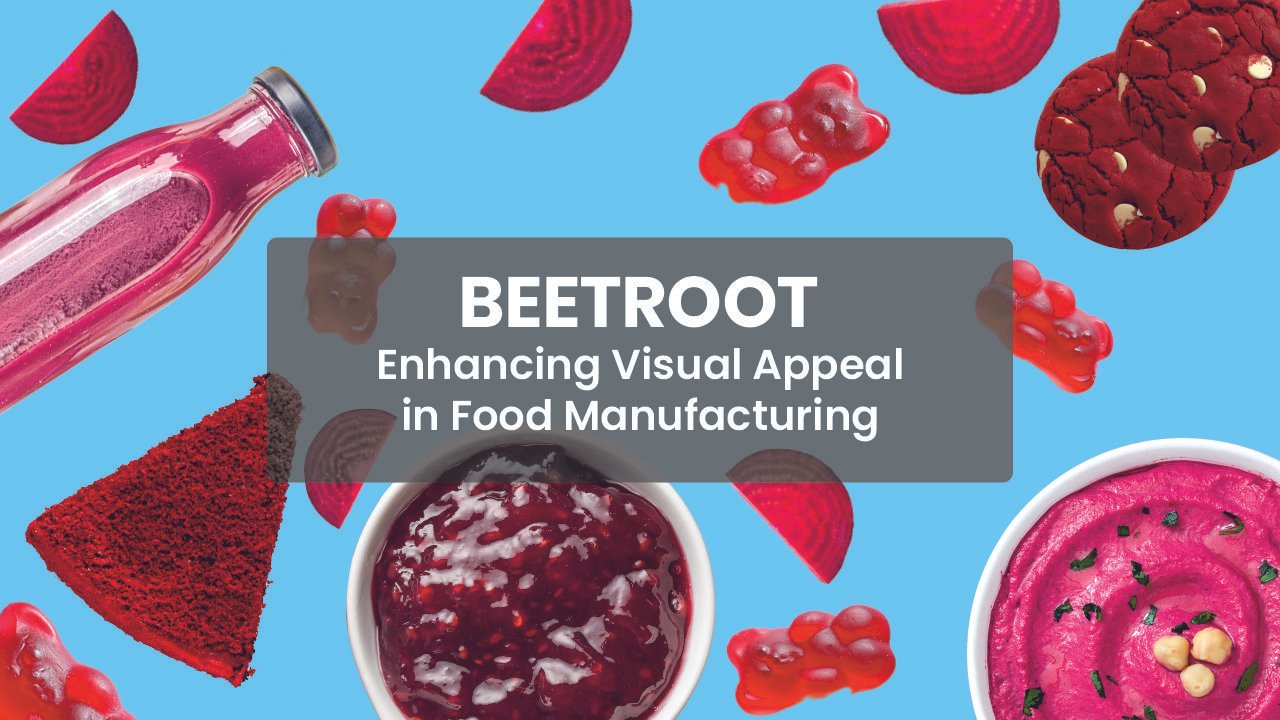
Beetroot: Enhancing Visual Appeal in Food Manufacturing

Beetroot: Enhancing Visual Appeal in Food Manufacturing


Beetroot: Enhancing Visual Appeal in Food Manufacturing

Imagine biting into your favourite dish and being drawn in by the vibrant colours that promise delight before you even taste it. Brands frequently use these appealing hues to capture your attention, but as consumer demands shift towards clean-label products, artificial colours are declining. Enter the little-known beetroot—a nutrient-dense food that provides a natural source of deep reds to fun pink shades. Beetroot’s hidden weapon? Betacyanins. These unique water-soluble pigments give this vegetable its vibrant colour. Unlike synthetic pigments, betalains found in beetroot are non-toxic and offer health benefits like anti-inflammatory and antioxidant properties. Beetroot is more than just its resounding red hue. The numerous betalain pigments in beets exhibit very effective versatility, providing an exponential range of colours, from delicate pink to rich deep purple.

Imagine holding your favourite snack—a chip, puff, or something else—and it’s a vibrant pink. The rich colour comes from using beetroot powder as a natural food colouring. It’s not just about taste; the visual appeal matters, too. An effective culinary presentation creates a visual experience that is as natural and captivating as the flavours themselves. “Beets are essential for any brand that wants to make a difference while maintaining a clean label. Using beets, brands can tap into many possibilities and create more vibrant colours in their products.”

Moreover, they help enrich the dish visually and can be used with herbs and spices, adding new tastes, which almost unexpectedly appear in the dish. Condiments in synthetic red can be turned into flavorful and colourful beetroot puree for added originality to the tomato sauce, salsa, dip, etc. Application possibilities are not only in bakery products, but also beet powder can be applied in colouring cakes and muffins; and all kinds of bread, with pink and red tints, and frostings and icings are naturally tinted with beet natural food colour for desserts. Beetroots are a healthy replacement in Red velvet-flavoured products   In the confectionery industry, the twirling of beetroot powder in the colouring of candies, gummies, and marshmallows is more healthful than chemical options and a blessing for parents looking to find healthier choices for their kids.

In cooking, beets almost have a magical quality in addition to making any plate pretty. Beetroot puree acts as a red beetroot food colour for veggie burgers, sausages, and other meat substitutes. This not only gives a better appearance to the food item, which looks like genuine meat-based food products but also eliminates the original animal protein and replaces it with plant-based protein, which has a niche globally for being healthier and eco-friendly. But indeed the benefits don’t end here. Beetroot powder is inherently sweet; thus, the added sugar content can be reduced in some products. Also, it has a significant role in the intake of Dietary Fiber that makes up part of the food item’s nutritional content.

Natural food colouring stands a bright chance with beetroot natural food colour in the days to come. Being a vegetable with a rather impressive hue and a high number of applications, as well as possible useful properties – beetroot is truly ready to take its place among the natural food colourants. It, therefore, becomes apparent that invariably, the incorporation of beetroot; this clean-label ingredient can be used to develop appealing, wholesome food products, that, when consumed are not just exhilarating but also healthy- in a generation that is increasingly becoming conscious of its health. From confectionery and snacks with bright colours to pastries and other baked products, beetroot is a natural additive that will allow you to achieve not only the set colour effect but also the desired functionality. Thus the next time you notice a vibrant red sauce or a playful pink snack, what you are seeing might just be the magic of the beetroot working its colorful magic.

Vinayak Food Ingredients is a leading supplier and manufacturer of natural beetroot food colour. They offer a range of natural food colours such as caramel, beet, and beta carotene to various food industries. Vinayak’s natural food colours are carefully manufactured to retain natural flavours and nutritional profiles while ensuring shelf stability. These colours are used in making butter, bakery products, snacks, desserts, chocolates, sauces, and more.

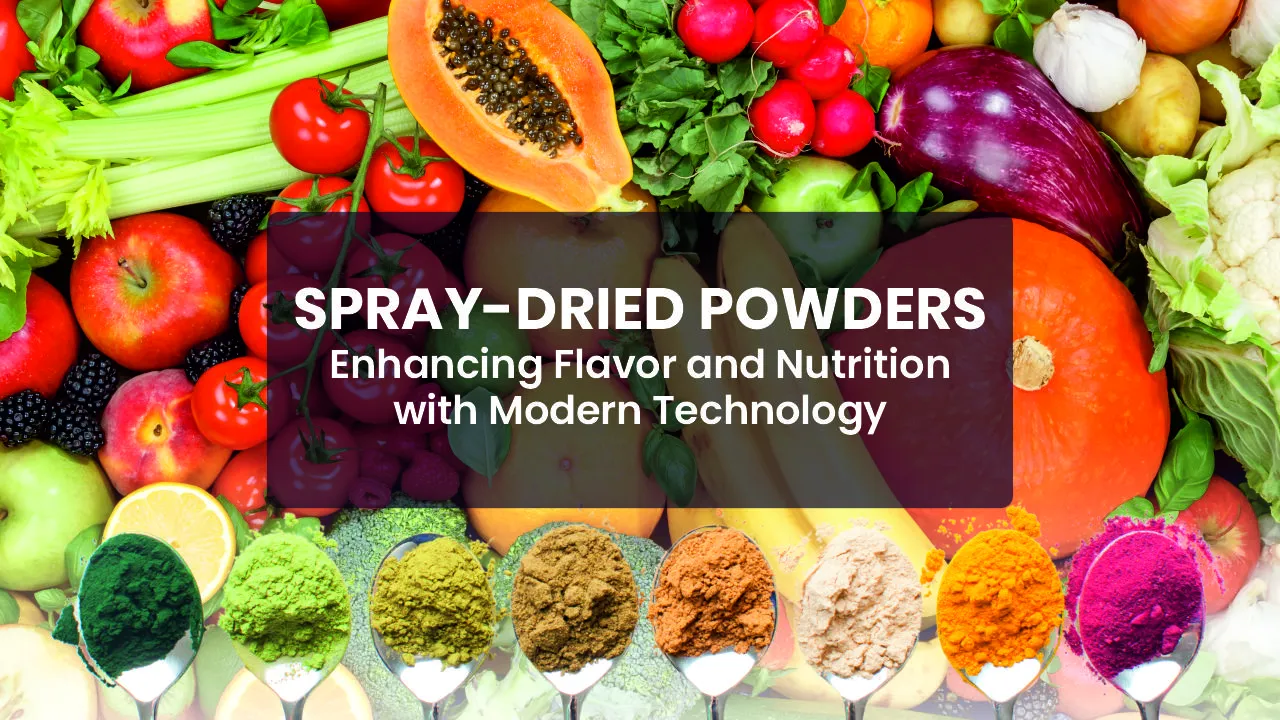
Spray-Dried Powders: Enhancing Flavor and Nutrition with Modern Technology

Spray-Dried : Enhancing Flavor and Nutrition with Modern Technology

Spray-Dried Powders

Have you ever wondered why instant soups are so quick to prepare? Or how about just using hot water to make your morning coffee? The secret is spray-dried powders, a state-of-the-art innovation that is subtly changing the commercial and culinary worlds.

Spray-dried powders are transforming everyday products by using hot gas to quickly turn liquids into fine, shelf-stable powders. Whether it’s the intense flavour of spray-dried coffee, the fresh zest of spray-dried citrus, or the strength of medicinal compounds, this method upholds the taste and nutrition of the ingredients while capturing their essence. The result? Easy-to-use and store powders that are of good quality and convenience.

Commercially, spray-dried powders excel in developing manufacturing efficiency and reducing shipment costs, all while extending shelf life. Imagine the convenience of consistently tasty dishes without seasonal limitations! Think about not having to deal with the trouble of fresh food and being able to quickly create a creamy soup or add a fruity burst to your smoothie.

Market Study and Statistics

Did you know that the Indian Spray-Dried Food Market is expected to grow rapidly? It’s projected to rise from USD 3.79 billion in 2023 to USD 4.80 billion by 2028, at a CAGR of 4.84%. The efficiency and versatility of spray drying technology, which converts liquid solutions into stable powders, maintaining vital tastes, colours, and nutrients while extending shelf life and lowering storage and shipping costs, is driving the industry. The Indian milk industry is highly centered on spray drying technology, for milk and whey powders, and also for the production of nutrient-dense foods and beverages. The sales are projected to grow at a robust $62.8 billion by 2024 and further to $131.8 billion by 2034 at a 7.7% CAGR. The vast agricultural areas of India allow for the production of high-quality spray-dried fruit and vegetable powders. The shifting of customers towards natural ingredients with less processing and increasing public knowledge about health benefits are factors boosting the market for spray-dried foods. This technology is found in the fields of natural colours and sports nutrition further proving its flexibility and diversity in applications.

Features and Advantages of Spray-Dried Powders

Have you experienced the extraordinary convenience and versatility of spray-dried powders? Their smooth integration into a range of products —think beverages, nutrition supplements, and baked goods-guarantees year-round flavour and quality. Whether in a professional kitchen or at home, these powders are easy to use and make recipe integration simpler by minimizing spoilage and removing the stress of handling fresh ingredients.

One notable quality of spray-dried powders is their longevity; their low moisture content allows for an extended shelf life that keeps them effective and fresh throughout the year. They also maintain high concentrations of antioxidants, vitamins, and minerals, which makes them a beneficial addition to any product. What benefits do you think extended shelf life could bring to your food storage and preparation?

Exploring the Versatile Applications of Spray-Dried Powders

What innovative uses for spray-dried powders have you come across? Versatility and comfort, spray-dried powders have been making a name in the gastronomic world. Spray-dried apple powder has been one of the finer ingredients in the preparation of bakery, beverage, and snack products, for it provides concentrated apple flavour with easy solubility. Another ingredient is cheese powder, also among the big staple goods that find broad applications in sauces, snacks, condiments, and ready-to-eat meals by adding a rich creamy cheese flavour without refrigeration.

Such spray-dried fruit and vegetable powders boost nutrition and flavour in soups, sauces, and smoothies. More specifically, mango spray-dried powder is applied to add a touch of the tropics to gourmet specialities like mango curry, confectionery products, and sweets. The spray-dried lemon powder adds flavour to specialized teas, refreshing beverages, and bakery delicacies such as lemon cakes and curds. On the other hand, spray-dried banana powder finds its use in baby foods and health supplements as a flavour and nutrition enhancer.

Ecoflav: Vinayak Ingredients is the Solution for All Your Spray-Dried Ingredient Needs

Looking for top-quality spray-dried powders to enhance your products? Vinayak Ingredients provides high-quality solutions to enhance shelf life, flavour, and nutrient preservation, making it one of India’s leading spray-dried ingredient manufacturers: Ecoflav. Our range is composed of the finest powders, including spray-dried fruit powder, spray-dried vegetable powder, and spray-dried herbs and microgreens powder. These easily dissolving and greatly flavorful nutritious powders enrich your products. How could Ecoflav’s global shipping capabilities benefit your business? Contact Vinayak Ingredients today to scale your products to new heights using our sophisticated spray-drying technology!

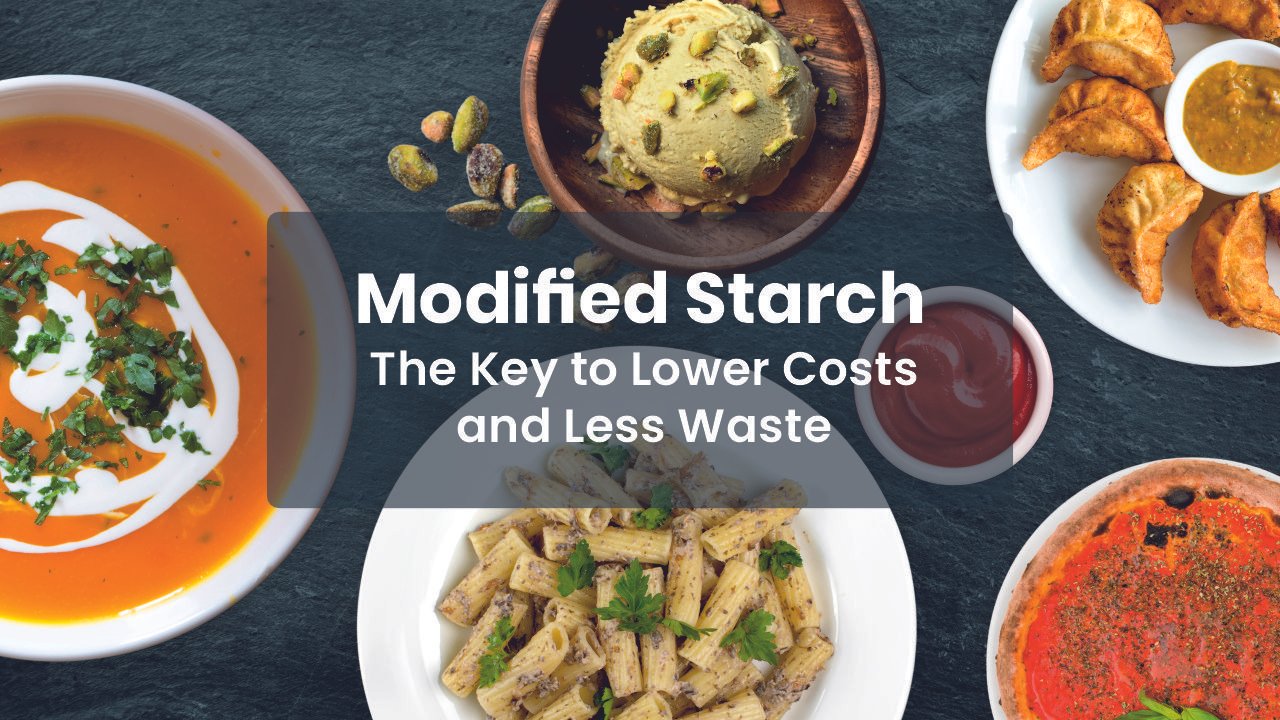
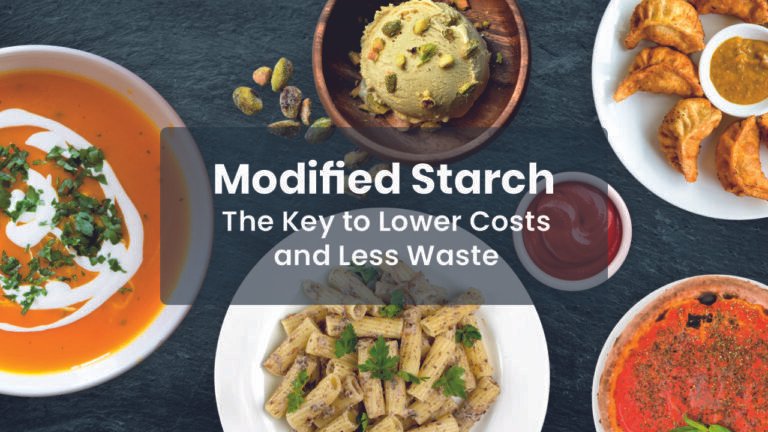
Modified Starch: The Key to Lower Costs and Reducing Waste in Food Processing

Modified Starch: The Key to Lower Costs and Reducing Waste in Food Processing

Modified Starch: The Key to Lower Costs and Reducing Waste in Food Processing

The food manufacturing market always looks for better ways to increase productivity and decrease expenses and losses. Among the amazing solutions being discussed in recent years, modified starch is one of the most promising. This ingredient boosts food products’ textural properties and stability while making the manufacturing processes more sustainable. 

What is Modified Starch? 

Modified starches, being the magician in the culinary field, are turning native starches into food superheroes. Starch is primarily composed of Amylose a linear polysaccharide and Amylopectin a branched polysaccharide. These components play a key role in providing stability to your food products. Amylose, with its linear chains, is responsible for thickening and gelling, creating smooth, creamy textures. Amylopectin, with its branched structure, provides stability and consistency, making it essential for maintaining the desired texture in various foods. Physically, chemically or enzymatically processing these starches gives them the ability to possess better characteristics such as improved viscosity, and more stable and extended shelf life. This process of transformation makes it possible to form starches to meet different needs of food, which in turn brings perfection to all dishes like getting the right texture and consistency of the food. The outcome? A top-notch ingredient that makes up all recipes with an unmatched taste.

The current market for modified starch is growing fast. The global modified starch market was worth $13.7 billion in 2022 and is expected to reach $15.9 billion by 2027. Over the course of the study, the CAGR increased by 3.1%.  Initially, Xanthan gum was used as an additive for its thickening and stabilizing properties. An increase in demand and low inventories caused a surge in prices. The uncertainty of availability has boosted the interest in the Modified starch.

Benefits in Food Manufacturing 

Enhanced Product Quality 

Among all the functionalities, modified starches can enhance the taste, texture, and overall appearance of the food in which they are incorporated. It is used in soups, sauces, and dressings, to name but a few; they can help in the prevention of phase separation, thus resulting in a uniform product from the first mouthful to the last. 

Cost-Effective 

In the domain of commercial fields, the main economic advantage of the usage of modified starches as opposed to native starches is the ingredient’s superior functionality and cost-efficiency.  These specially engineered starches are now made to lend themselves to new ways of operation including thickening, stabilization, and prolonging the shelf life allowing the producer to simplify the formulation and reduce the use of primary ingredients such as fats and protein derivatives. Modified starches can be used as fat reducers. This reduction in costs which is linked to the replacement of fat with modified starches, in addition to the healthier alternatives, are the major advantages. The joint value of their cheaper ingredients and better nutrition profiles makes these special starches more seamless in application. The same or even better results can be achieved by using less than half the quantity of Modified Starch as compared to Native Starch, thereby reducing costs.

Waste Reduction 

Modified starches (MS) help to keep food products fresh as they have more stability than native starches, thus cutting waste and spoilage. It is reported that their unique properties make products more homogenous and better quality by enhancing or smoothening entire processing conditions. In this respect, they are simply the magical ingredient in both stances and guarantee the durability and performance of any kind of food processing.

Versatility 

The food processing industries are major consumers of modified starches, thus, the applications of these particular starches span industries such as bakery, dairy products, sauces, snacks, and practical confectionery. The diverse uses of modified starches by the manufacturer mean to develop a simplified list of ingredients, which leads to the storage and procurement processes’ simplification. Through the use of various interchangeable promoters, modified starches ensure optimization of the formulations required to achieve the desired structures and stability at competitive prices. For instance, E1450 (Starch sodium octenyl succinate) can create the desired consistency at the given temperatures, E1420  ( Acetylated starch)  alters features, E1422 (Acetylated distarch adipate) increases setting and thickening, E1440 (Hydroxypropyl Starch)  keeps the product in set conditions, E1442 (Hydroxypropyl distarch phosphate) retains moisture in food. This alterable quality leads to the production of high-quality products at lower costs, which could replace more costly competitors.

Sustainability and Environmental Impact 

It contributes to the sustainable approach in the industry since it incorporates modified starches. In the process of realizing advanced usability, manufacturers should be able to reduce waste and increase the shelf-life of products to minimize the impacts on the environment. At the same time, modified starches are rather simple in production when compared to other ingredients, and they need less energy to be produced, lowering the cost of the product and the environmental impact of the process. 

Challenges and Considerations 

Overall, modified starches have many advantages; however, the most important part remains the selection of the product. The best type should be chosen to optimise the effects. Native starches frequently give inconsistent results, possibly interrupting inventory planning and hindering application trials. Finding the correct molecular starch for a certain application may necessitate lengthy and costly material experimentation The manufacturer needs to choose between the types of starches depending on the application. Bottleneck issues include regulatory issues, consumers’ demand for clean labels, and the possible allergenicity of the formulated product. 

Conclusion 

In conclusion, Modified starches are transformative solutions in the food manufacturing landscape, providing key benefits over product quality, cost saving, waste reduction, premium mouthfeel and consumer experience. Their capacity to improve texture, stability, and shelf life makes them a powerful ingredient in a variety of applications including soups and sauces, Pasta, Noodles, Ice creams, Snacks, Confectionary
Regardless of their benefits, choosing the right modified starch takes careful study to optimise performance and manage issues such as regulatory compliance and consumer preferences. As the industry evolves, modified starches will play an important role in enhancing sustainability and efficiency in food processing, bringing both economic and environmental benefits. The continued research and implementation of these new components may potentially define the future of food manufacturing.


Reference:

https://www.marketsandmarkets.com/Market-Reports/modified-starch-market-511.html

Empowering Poultry’s Respiratory Defence Mechanism Naturally

MucoFort, a natural poultry respiratory health supplement by Vinayak Ingredients, a top manufacturer of feed additives. Supports respiratory defence against CRD, NCD, and IB with phytomolecules and essential oils for sustainable poultry care.

The intensive rearing practices of commercial poultry operations and the unique anatomical and physiological features of the respiratory tract of poultry species render them highly susceptible to respiratory infections with a broad range of microbial pathogens. The losses incurred by respiratory diseases in particular account for the majority of the economic burden associated with poultry production performance including reduced growth rate, less egg production, poor carcass quality, and low-quality meat, which is a significant threat to global health. Their high prevalence, wide range of mortality, as well as morbidities cause significant economic losses.

Common respiratory diseases in poultry-

  • Chronic Respiratory Disease (CRD)
  • Newcastle Disease (NCD)
  • Infectious Bronchitis (IB)
  • Avian Influenza (AI)
  • Infectious laryngotracheitis (ILT)

Causative agents-

  • Predisposing agents (dust, ammonia, etc) of an environment.
  • Poor ventilation
  • Heat stress
  • Overcrowding
  • Viral, bacterial, fungal, or mycoplasma infections.
Symptoms –
  • Sneezing.
  • Difficulty in breathing.
  • Nasal exudate.
  • Discharge from the eyes and nostrils.

Poultry’s Defence Mechanism

Identifying symptoms of respiratory diseases in poultry and natural solutions by Vinayak Ingredients for improved respiratory health.
A natural approach to improving poultry respiratory health and defense mechanisms with Vinayak Ingredients' feed additives.

The trachea of avian lungs is covered with a mucous membrane that has a lining of ciliated pseudostratified columnar epithelium with mucus-secreting “goblet cells”. Poultry’s natural defence mechanism provides a protective role by trapping dust particles and other debris with the help of cilia before they reach the lungs and is further moved in the direction of the larynx from where it is expectorated, called a mucociliary escalator or swallowed.

During Upper and lower respiratory tract inflammations, inflammatory exudates contain mucin, inflammatory cells, cellular debris, and the deposition of fibrinous exudates. Fibrinous and mucoid debris become solid and dry on the discharge from the respiratory system. After it dries, birds experience a severe lack of oxygen in the blood; oxygen deprivation because of problems associated with expulsion of the substance through normal respiratory and coughing mechanisms.

  • Sometimes natural defence system of poultry cannot effectively function, if it is saturated with too much dust, paralyzed by excess ammonia concentration, or destroyed by a viral infection, which causes excessive mucus secretion and blocks the airway in the trachea. It may cause the death of birds.
  • Common solutions for such diseases are antiviral, anti-inflammatory, and antibiotic drugs that can lead to antibiotic resistance, which has become a major cause of concern. In place of antimicrobials and antibiotics, plant extracts or essential oils are being examined for their ability to enhance poultry production, particularly for their ability to enhance the avian immune system, enabling them to naturally control infection. Plant photoactive compounds can be used as natural non-antibiotic growth promoters in chickens where resistance problems are inevitable.

How do Phytomolecules boost poultry’s respiratory system naturally?

The phytoactive compounds derived from essential oil are rich in phenolic compounds, which smooth tightened muscles, hence act as decongestants, and also stimulate the response of the respiratory system naturally. They not only thin out the mucus but also facilitate its removal from the airways. As a result, the airways are cleared, and breathing during inflammation becomes easier. Essential oils can also protect the integrity of respiratory cilia in the presence of pathogens such as Mycoplasma gallisepticum and respiratory viruses.

Exhibit following properties –
  • Anti-microbial
  • Anti-inflammatory
  • Antioxidant
  • Immunostimulant
  • Mucolytic and Expectorant

MucoFort

Discover the benefits of MucoFort, a natural poultry respiratory tonic by Vinayak Ingredients, designed to support respiratory health and improve bird immunity.

A natural preparation of MucoFort helps respiratory cells by releasing mucolytic and fibrinolytic substances; it also enhances the secretion of more mucous from goblet cells to liquefy the thick mucoid material from the respiratory tract. Its decongesting properties provide instant relief. It is a natural tonic that replaces synthetic drugs and ensures the rapid recovery of poultry.

Phytoconstituents derived from Eucalyptus globulus, Mentha arvensis, Ocimum basilicum, etc of MucoFort® stimulate natural protective mechanisms of the respiratory system.

“Respiratory Relief for Poultry through Natural Care”

*References on request

Beyond Aesthetics: Beta Carotene’s Advantages in Food Manufacturing

Beyond Aesthetics: Beta Carotene’s Advantages in Food Manufacturing

Beta carotene

Beta carotene, a carotenoid converted into vitamin A by the body, is widely used in the food industry as a beta carotene food coloring, offering an orange-yellow hue. But its benefits go far beyond aesthetics. Beta carotene boasts several nutritional and functional advantages, making it valuable in producing functional foods and nutraceuticals.

One key benefit is its role as an antioxidant, eliminating free radicals that cause cell degeneration. This makes it a great choice for preserving foods, particularly those rich in fat or oil, and potentially extending their shelf life. Additionally, using beta carotene food color (especially natural options) in food products can help retain nutritional value by preventing the oxidation of vitamins and other nutrients.

Another function of beta carotene is its contribution to proper vision. The body converts it into vitamin A, crucial for the retina and cornea. Vitamin A deficiency can lead to night blindness and age-related macular degeneration. By incorporating beta carotene as a food ingredient, manufacturers can potentially address some of these vision problems.

Beyond these reported health benefits, beta carotene also possesses anti-inflammatory properties, potentially aiding in reducing diseases involving inflammation, such as heart disease and cancer. This makes it a preferred ingredient for formulating functional foods and drinks aimed at enhancing and maintaining overall health.

The advantages of beta carotene extend beyond health. Beta carotene in its pure form, acts as an antioxidant to prevent oxidation and extend shelf life or as a color to enhance the visual appeal of foods. It can even create complexes with other compounds like proteins and lipids, leading to the development of new products with unique textures and flavors. Beta carotene is also a potential candidate for fortified foods, further enriching their nutritional profile.

Beta carotene is a versatile ingredient with applications that go beyond just good looks. Its antioxidant, anti-inflammatory, and technological properties make it a valuable addition to products that not only taste good but also support overall health and well-being. As consumers become more health-conscious and prioritize quality products, the functional value of beta carotene will likely become even more pronounced in the development of innovative food solutions. Beta carotene suppliers and manufacturers, particularly those specializing in natural food colors, are well-positioned to meet this growing demand.

APPLICATIONS OF BETA CAROTENE IN FOOD 

1. Beverages: Used in fruit juices, soft drinks, and smoothies to impart a yellow to orange hue.

2. Dairy Products:  Added to products like cheese and butter to achieve a rich, appetizing color.

3. Confectionery: Utilized in candies, gummies, and other sweets to provide vibrant colors without synthetic additives.

4. Baked Goods: Enhances the appearance of cakes, pastries, and bread.

5. Health Drinks: Incorporated into health and energy drinks for their antioxidant properties.

6. Snacks: Added chips, bars, and other snacks to boost their nutritional profile.

Vinayak Food Ingredients is a leading beta carotene natural food colour supplier and manufacturer in India, offering a range of natural food colorings like caramel, beet, beta carotene, etc., for some of the prominent food industries. Our meticulous manufacturing will make sure that the natural color will be shelf-stable, retaining all the flavours and nutrition profiles of the fresh ones. Using our beta carotene natural food color for butter, bakery products, snacks, desserts, chocolates, sauces, and more in your products will produce.

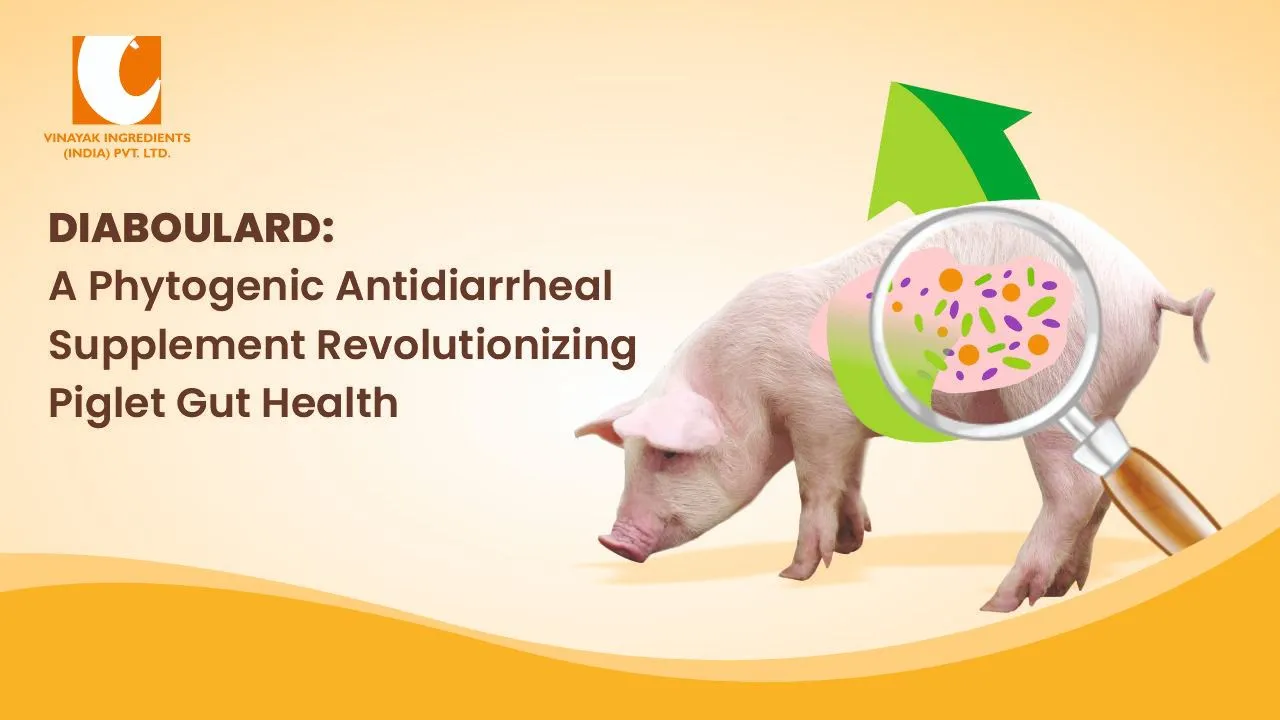
DIABOULARD: A Phytogenic Antidiarrheal Supplement Revolutionizing Piglet Gut Health

DIABOULARD A Phytogenic Antidiarrheal Supplement Revolutionizing Piglet Gut Health

The pig intestine is home to a dynamic microbial community that has a symbiotic interaction with the host and forms a complex ecosystem that is critical to the pig’s nutritional, physiological, and immunological functions. To meet production goals in the swine industry, piglets are weaned early and abruptly, which imposes enormous stress, that causes perturbations in the gut microbiota, host physiology, and immune function which lowers the defences against pathogen entry, leading to an increased risk of enteric diseases like neonatal diarrhoea (ND) and post-weaning diarrhoea (PWD)). Common causes leading to development of enteric diseases includes Escherichia coli (E. coli) , Clostridial enteritis, Coccidia , transmissible gastroenteritis (TGE and Porcine Epidemic Diarrhoea), salmonellosis, other causes include rotavirus, cryptosporidiosis and Brachyspira hyodysenteriae.

Clinical symptoms depend upon the type of diarrhoea involved, age of the piglet and severity diarrhoea that includes yellow- watery diarrhoea, shivering, vomiting, dehydration, sunken eyes, leathery skin, and mortality.

The high level of zinc oxide used to prevent and reduce the development of diarrhoea can lead to toxicity in animals, bioaccumulation and may contribute to the development of antimicrobial resistance. Managing dietary changes, avoiding sudden transitions, and ensuring feed quality can contribute to improve gut health in piglets, reducing chances of digestive issues. Given low drug residual contamination and low environmental pollution, feed-related measures are being highly used. In pigs, supplementation of organic acids, probiotics, and essential oils via feed can improve performance, and reduce infections due to enteric pathogens.

DIABOULARD is phytogenic antidiarrheal supplement for pigs which can help suppress diarrhoea-causing bacteria and their enterotoxins. It  contains chosen medium-chain fatty acids with anti-diarrheal effects and Saccharomyces boulardii which acts as probiotic. These components work together to prevent and treat conditions like ND and PWD caused by bacterial overgrowth or viral infections along with nutritional diarrhoea and improves gut health in piglets.

DIABOULARD is an innovative biotherapeutic option for piglet diarrhoea!

Diaboulard: Effective anti-diarrheal solution for livestock health – Vinayak Ingredients

*References on request

Banana Powder for Food & Beverage Applications

Banana Powder for Food & Beverage Applications

Banana powder

Need banana powder for a food or beverage product?

Request a sample, specification sheet or bulk quote from Vinayak Ingredients.

Request Sample / Bulk Quote

Banana powder is a versatile fruit-based ingredient used in food, beverage, bakery, dairy and nutraceutical formulations. Vinayak Ingredients is a trusted banana powder supplier in India for B2B applications where consistent flavour, colour, solubility and shelf-life performance are important. This guide explains the key applications of banana powder and helps food manufacturers choose the right ingredient for product development and bulk supply requirements.

What Is a Powdered Banana? 

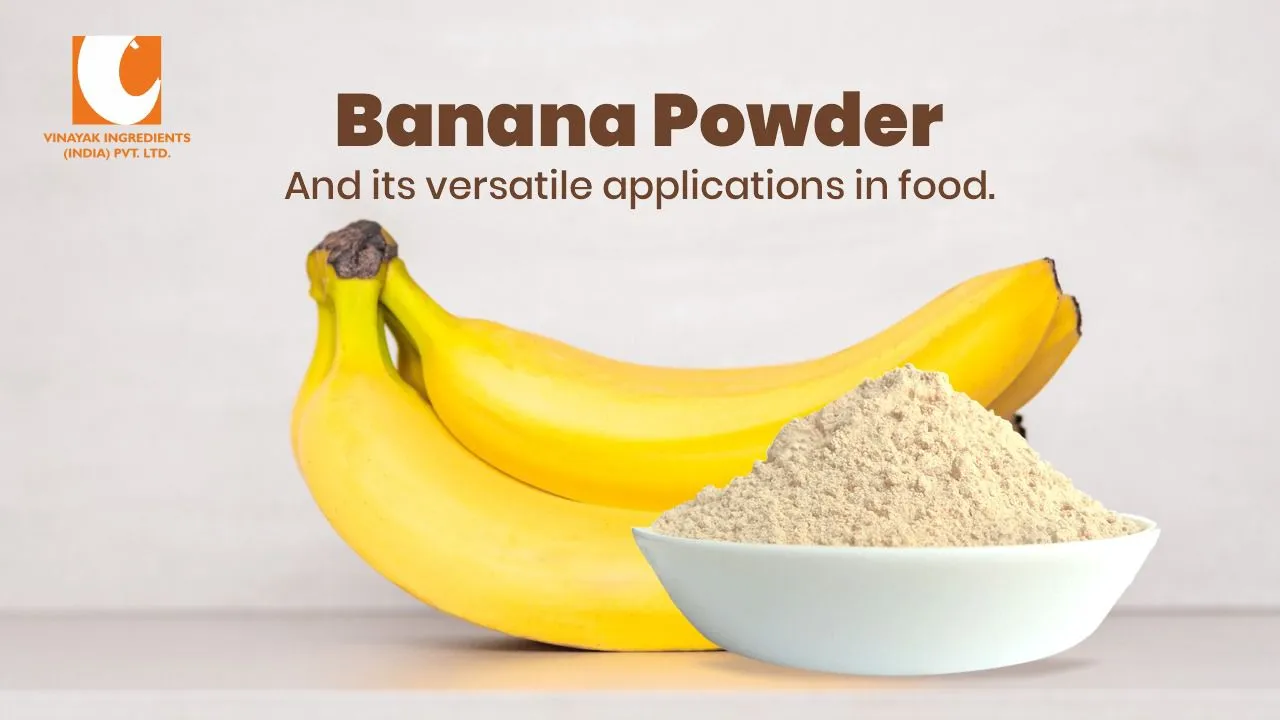
Banana powder is a multipurpose product that is produced by transforming fresh plantain bananas into stable shelf forms. The fresh, ripe banana’s juices are removed by a process called spray drying, which works like magic. To obtain a fine, creamy white dried banana powder, the banana juices are sprayed within a spray drying machine. Nutritious products, which are jam-packed with these strong banana sensations, provide a simple method to add a burst of fruity banana flavors without having to deal with the trouble of extracting and preparing real bananas.

How Is Banana Powder Produced? 

The main component of this banana powder is ripe bananas. These plantains will first be mashed into pulp in order to turn them into dried banana powder. Subsequently, the mashed bananas will go through the spray-drying process and be compressed into small droplets. The moisture is swiftly removed from these droplets by exposing them to heated air. It will leave behind a white, fluffy, cream-colored powdered banana that is still sweet and wonderful. 

Applications of Banana Powder

Protein Bar (Nutritional Bars): 

Although natural banana powder has a fine, powdery texture on its own, it can slightly improve the binding qualities of protein bar formulations and hence the overall texture of the bar.

Banana powder as a health mix:

A natural, shelf-stable approach to improve a variety of health goods, including baby food, porridge powders, health mix drinks, and cereals, is to add ripe banana powder. Customers will consistently have a delicious banana experience throughout batches. With its smooth texture and capacity to contribute the same nutritious advantages as fresh bananas, these pure banana powders can blend in effortlessly with health mixes.

Nutraceuticals:

Banana powder is going to appear as a common component used by producers of these products to make a range of health-related products. Artificial sweeteners and other flavoring ingredients can be substituted or used less frequently when dry banana powder is used.

Without changing the texture or taste of nutraceutical items like food supplements, health supplements, powder drink mixes, or smoothies, banana powder offers a complex source of potassium and other vital elements, boosting their total nutritional value. This makes it unnecessary to add additional fresh fruit, streamlines the procedure, and offers a steady supply of nutrients.

These powdered banana flavors are easily used with ayurvedic syrups and medications to offer a naturally pleasant taste that patients, newborns, and infants will find irresistible.   

Cookies:

When natural banana powder is added, every cookie with a banana taste gets a richer, more intense flavor. The intense flavor of the ripe banana powder will outweigh the nuance of fresh bananas and guarantee a consistent flavor over batches. Dried banana powder also simplifies production by removing browning and spoiling issues associated with utilizing fresh fruit. The actual banana powder mixes in perfectly with the cookie dough, maintaining the same texture in the end.

Instant Mixes:

Banana powder easily incorporates into dry mixes for pancakes, baked goods, beverages, and other applications. Ripe banana powder guarantees shelf-stable products and convenience of use, unlike fresh bananas cultivated on farms, which can cause condensation and inconsistencies. It gives off a deep, authentic banana flavor without requiring a lot of artificial extracts or sweeteners. Customers may make a delightful and effortless instant blend that they will want by adding banana flavor powder to RTE items.

Others:

Dried banana powder is a flexible component that can be used in baking to improve taste and functionality. Beyond uses in baked goods, banana fruit powder excels in halwa, instant kheer mix, ice cream, yogurt, and other flavored milkshakes, among other confections and desserts. 

The powdered banana that has been spray-dried mixes easily, providing a steady taste and a little bit of texture boost without affecting the mouthfeel of the finished dish. Ripe banana powder is a great addition to your baked goods and confections because it naturally sweetens food and helps lessen your need for artificial sweeteners.

What Advantages Does Banana Powder Offer? 

Extended Shelf Life: Compared to fresh bananas, the cream-colored, white-colored dried banana powder has a much longer shelf life of one year, which lowers loss and wastage in your production process. 

Simplified Production: By using this dried banana powder, you can avoid extracting and chopping, which will save you a lot of time and money on labor. Pure banana powder offers fresh fruit flavors to consumers. 

Natural tastes: Health products can be supplemented with natural tastes and sweeteners to improve overall nutrition. Dry banana powder aids in the potential reduction of additional sugars, appealing to health-conscious customers. 

Enhanced Values: Adding banana flavor powder to RTE products might subtly improve bond qualities, potentially leading to more appealing finished products.

We Vinayak Ingredients India Pvt Ltd. are an established manufacturer, supplier, and wholesaler of spray-dried banana powder in India. You can get a free sample or place an order for banana powder in bulk.

FAQs

Q1. What is banana powder used for?

Banana powder is used in bakery mixes, beverages, dairy products, baby food, smoothies, cereals and nutraceutical formulations.

Q2. Is banana powder suitable for beverage applications?

Yes. It can be used in instant drink mixes, smoothie powders and flavoured beverage premixes depending on the formulation.

Q3. Can I buy banana powder in bulk?

Yes. Vinayak Ingredients supports bulk enquiry and B2B supply requirements.

Q4. How should banana powder be stored?

Store it in a cool, dry place away from moisture and direct sunlight.

Q5. Can I request a sample?

Yes. Share your application and quantity requirement to request a sample or specification sheet.