icon-globe
Search Connect with us

MYOGENA – Boosting Beef Quality with Power of Amino Acid Optimization

MAYOGENA Boosting Beef Quality with Power of Amino Acid Optimization

In countries like the United States, where beef is a staple in the culinary culture, the beef quality is crucial. When included as part of a healthy and varied diet, beef can provide a rich source of high biological value protein and bioavailable essential nutrients. Their principal constituents are proteins (containing amino acids essential to human health) and fats including saturated fatty acid, unsaturated fatty acid, cholesterol, triacylglycerol, and phospholipids with a substantial contribution of vitamins mainly those of the B complex and minerals primarily iron and zinc.

Understanding the Importance of Beef Quality

Nowadays consumers are very much aware of nutrition and health resulting in increased demand for healthier meat products that are low in fat, and cholesterol. This is mainly due to the relationship between the consumption of saturated fats (SFA) and high serum cholesterol with related increase in probability of acquiring diseases such as obesity, high blood pressure, cancer, and heart disease.

Beef quality is predominantly assessed by factors such as colour, tenderness, and flavour, with marbling being the most critical attribute. Balancing lean growth and marbling is essential for price optimization in beef markets. If the producer wants to compete in beef cattle industry for long term, the efficient production of palatable lean beef must be a primary objective. Beef meat is considered lean when 100 grams of beef contain less than 10 grams of fat, less than 4.5 grams of saturated fat, and less than 95 milligrams of cholesterol.  Marbling is defined as the appearance of visible white flecks or streaks of Intramuscular fat that have a positive relation with sensory traits of meat, which include its  juiciness, colour, tenderness and taste.

USDA Standards

Beef Quality

Different grades of beef mainly indicate the amount, regularity, and quality of marbling or fat interlaced within the muscles. The United States Department of Agriculture (USDA) grading system features eight different grades for beef. Across almost every cut of beef carcass, Prime has the highest marbling content  while choice is an easily accessible option.

Industry faces Various challenges to design and develop new technologies that will allow production of lean beef with appropriate marbling. This will require higher lean tissue deposition and extensive redirection of feed energy from fat to protein deposition through all phases of growth.  Growth regulators function by reducing fat deposition. Due to significant relationship between fat deposition and marbling exists, a reduction in marbling and resulting quality grade can be expected when fat is reduced. However, its impact on acceptability, shear force, palatability, and tenderness is less than expected.

FACTORS AFFECTING BEEF COMPOSITION –

FACTORS AFFECTING BEEF COMPOSITION

Among other factors, body composition can be influenced by managing nutrition of animal. The control of feed intake is a particularly exciting and rapidly growing field.  Changes in the diet of ruminants can lead to major differences in composition of edible tissues.  Various phytochemical feed additives, are used to improve marbling and promote lean meat production.


MYOGENA – The Phytogenic Feed Supplement for Lean Beef production

MYOGENA is a phytogenic supplement for lean beef production that helps to maintain healthy body condition score, lean muscle gain, and appealing carcass qualities. It acts as protein optimizer and improves protein turnover along with the upregulation of fat metabolism.

How Does Myogena Work?

mayogena-cattle-Work

MYOGENA stimulates insulin-like growth factor-1 (IGF-1), which enhances skeletal muscle accretion in beef cattle, leading to improved growth rates and increased carcass weight. On the adipose and muscle cell receptors, MYOGENA triggers lipid and protein mobilization and metabolism, that channelizes intra muscular fat deposition and supports lean muscle development. It helps in lean beef production, improves FCR and dressing percentage in beef cattle.

As the beef industry evolves, MYOGENA is essential for staying competitive and delivering exceptional quality to consumers.

MYOGENA – where quality, health, and profitability meet!

*References on request*

Caramel Food Color: Add Depth and Delight to Your Dishes

Caramel Food Color: Add Depth and Delight to Your Dishes

Welcome to the world of caramel colors! Often considered as the secret behind the rich hues of colas, sauces, and baked goods, caramel food color is a fascinating ingredient steeped in history and science. But what exactly is it, and how does it enhance our food and beverages? Let’s explore the magic of Caramel Food Color, its classes, uses, and its role in today’s culinary landscape.

Caramel Food Color Add Depth and Delight to Your Dishes

What is Caramel Food Color?

Caramel food color is a water-soluble food coloring produced by controlled heat treatment of food grade carbohydrates such as sugars or starches.

Did you know? 

Carmel food color is the world’s most commonly used food color, and it is recognised for its spectacular performance-enhancing properties in everything from soft drinks to baked goods.

The four classes of caramel

Four classes of caramel color exist depending on the raw materials used to synthesize them. This information helps manufacturers make proper selections of a given caramel color to meet their exact demands:

Class I (E 150a): Plain Caramel Produced by heating carbohydrates either with or without acids or alkalis.

Class II (E150b): Caustic Sulfite Process Caramel Color-Manufactured from sulfur dioxide compounds, which are the source when it is boiled.

Class III (E150c): Ammonia Process Caramel Color – Made from ammonia process caramelisation.

Class IV (E150d): Sulfite Ammonia Process Caramel color-Contains both sulfites and ammonium compounds.

Since each class has it’s unique character and color strength, food manufacturers can achieve their desired appearance in end-products.

Common uses of Caramel Food Color

Caramel food color is flexible and has been employed in almost every industry:

1. The major application of this color is in soft drinks and alcoholic beverages because of the beautiful coloring that it gives.

2. It imparts a warm and appealing color to confectionery and bakery products like chocolates, cakes, and candies.

3. Dairy Products and Desserts: Envision creamy caramel custards and rich ice creams.

4. Savory Foods: It makes the sauces, gravies, soups as well as meat products look so appetizing.

Fun fact

Many pet foods and cereals use caramel colors to ensure that all your food products have a good appearance

Why Opt for Caramel Food Color?

There are reasons, many of them, why caramel food colors are favorites for the manufacturing foods sector:

1. Cost-effective: Caramel colors are less expensive than most natural colorants.

2. Stability: They are relatively very stable with good resistance towards heat and pH level, hence suitable for diverse food processing conditions.

3. Regulatory Approvals: Caramel food colors have a long history of safe use in the food industry, with approvals from regulatory agencies across the globe. This ensures that they meet safety standards for consumers.

As consumers become aware of healthier options, the natural ingredients trend should push for caramel colors from sugar, representing clean labeling, which the health-conscious buyer wants.

Rising Demand for Caramel Colors

Given the growth in food and beverage consumption rising from population growth and a change in dietary habits, the demand for caramel food colors is on a constant increase. Especially under the current circumstances is the movement toward natural and plant-based ingredients as consumers tend to favor recognizable components in their food.

Key takeaway: Caramel colors become part of the clean label movement, according to which brands can boost their pipelines with products that the consumer wants to have transparent and made from natural ingredients.

The Future of Caramel Food Color:

With growing consumer awareness regarding food ingredients and their origin, the future seems bright for caramel food colors. Caramel colors have long been accepted by regulatory agencies and are highly versatile, making them likely to withstand future challenges in the food and beverage industry. This will enable caramel food colors to ride the trend toward more natural and health-conscious options, giving consumers quality products that answer their expectations for taste and transparency.

Conclusion:

It’s more than a color: it is golden, enhancing both the aesthetic appeal and flavor of thousands of products. With an interesting history, wide range of applications, and course along the modern consumer wave, caramel food color becomes a golden companion in kitchens and food production facilities all over the world.

So the next time you go guzzling down a rich cola or swooning over a delicious chocolate dessert, remember that magic the caramel food color does behind the scenes, upgrading your taste buds in it.

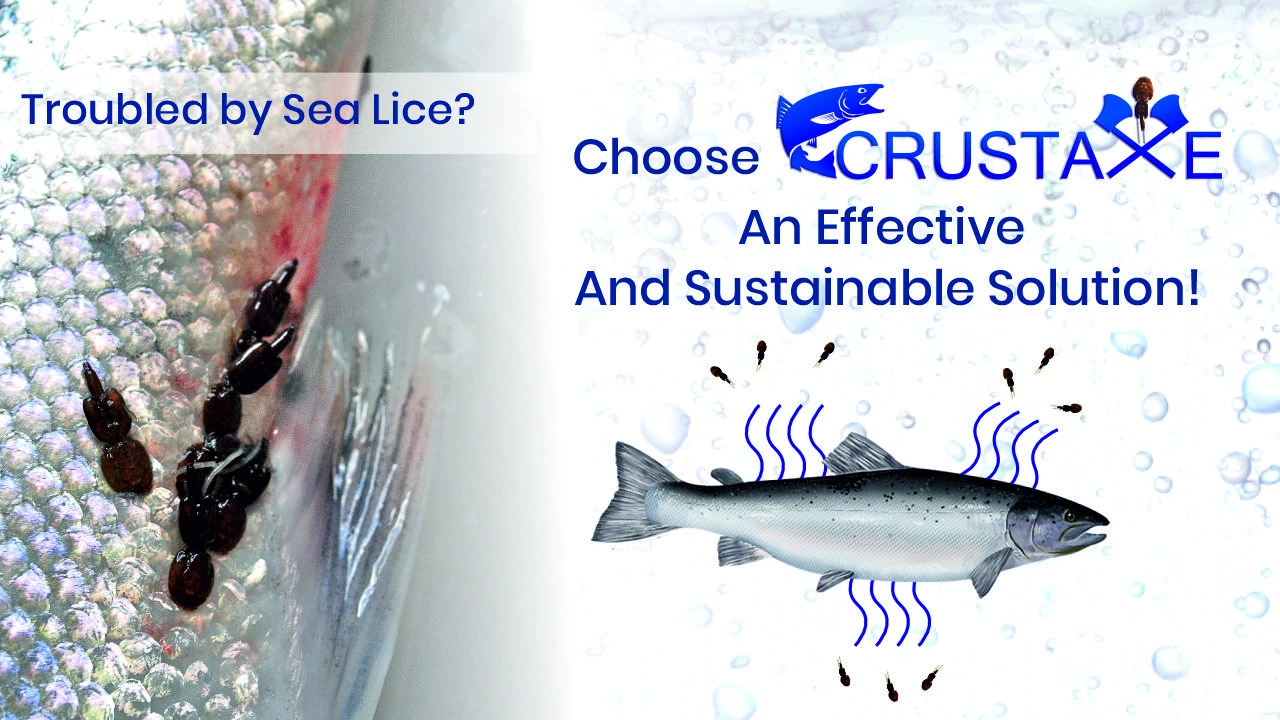
Troubled by Sea Lice? Choose CRUSTAXE – An Effective and Sustainable Solution!

Troubled by Sea Lice Choose CRUSTAXE – An Effective and Sustainable Solution!

Salmon are among the most successful aquaculture species, and the production has grown drastically over the decade. This has been possible due to the ability of innovative aquaculture technologies to increase product diversity and trade while lowering production costs. However, these high-density food production environments are particularly susceptible to the spread of pests and diseases that are likely to generate economic damages. Parasitic sea lice infestation is one of the most important factors affecting salmon-producing countries.

WHAT IS A SEA LICE?

Sea Lice are a group of invertebrate crustacean copepods, of the family Caligidae, found world-wide. Out of many species, the two most highly parasitic species are:

  • Caligus rogercresseyi, which infests over eighty different species of marine fish,
  • Lepeophtheirus salmonis (the salmon louse), which primarily infests salmon species.


CRUSTAXE: Advanced solution for enhancing shrimp health and immunity – Vinayak Ingredients.

HOW IT ATTACHES TO THE FISH?

At the intermediate copepod stage, sea lice use their hooked antennas and frontal filaments to latch onto the fish. While they feed on their host, they remain too small to cause significant harm. However, as they mature into more mobile pre-adult and adult stages, sea lice shift their attachment method to suction, making them more lethal. They mostly feed on host mucus, skin, and underlying tissue.

IMPACT OF SEA LICE INFESTATION ON FISH-

Primary host responses include reduced appetite and growth. The increased stress, external wounds, and reduced vitality due to lice infection are also likely to increase host susceptibility to secondary infections of viral or bacterial disease. Although lice are rarely observed to directly induce host mortality, secondary health impacts resulting from infestation may increase mortality.

ECONOMICAL IMPACT OF SEA LICE

Abolofia, Asche and Wilen (2017) estimated that the cost of sea lice damage to the Norwegian salmon industry alone was USD 436 million annually.

STRATEGIES FOR SEA LICE MANAGEMENT –

Effective strategies for sea lice management in aquaculture – Vinayak Ingredients.

The cost of treating sea lice infestations is generally high, regardless of the time and number of treatments. Among the most popular management strategies used, chemical overuse can lead to resistance, while mechanical treatments often induce stress in the fish, raising mortality rates. Out of the various management options available, using a feed through repellent can be a coordinated approach for prevention and control of sea lice.

‘CRUSTAXE’ is a synergistic combination of plant derived semio-chemicals that precisely targets the planktonic copepod crustaceans by avoiding all the unintended negative effects to the ecosystem. It can be incorporated into the functional feeds as a feed additive to repel the copepods. The bioactives of ‘CRUSTAXE’, even at a very low concentrations, have the ability to interfere with the host location and disrupt copepodid settlement on salmonid fish.

Mechanism of action of Crustaxe for controlling sea lice and improving shrimp health – Vinayak Ingredients

CRUSTAXE is an eco-friendly, natural solution for controlling sea lice in salmon farming, reducing reliance on chemical treatments. It meets food safety requirements of consumers and avoids harmful bioaccumulation, ensuring safe, sustainable aquaculture.


CRUSTAXE – The Ultimate Solution to Sea Lice Infestation!

*References on request

Lemon Powder: A Natural Boost for Flavor & Freshness

Lemon Powder a Natural Boost For Flavor & Freshness

Lemon powder is the highly versatile, shelf-stable form of lemon juice produced by spray-drying freshly squeezed lemon juice. This conversion preserves the essence of the citrus flavor of the lemon with ease to be added to food and beverages of all kinds. With its very concentrated lemon flavor, lemon powder is a natural and inexpensive flavoring agent for use in the food industry, where it imparts sour and citrusy flavors much needed in the products.

How is Lemon Powder Produced?

Lemon powder is prepared with a highly specialized spray-drying procedure that conserves every drop of essence present in the juice of the lemons. Freshly squeezed lemons have to be the source of the juice because freshly squeezed lemons contain much oil, which may be further cultivated through the use of lemon powder. This ensures that the powder retains the fresh, vibrant flavor of the lemon and is easily stored and transported. The result is a free-flowing, water-soluble powder that mixes freely into food and drinks without any sticky residue. Citrus powder, and more so lemon powder, not only contributes to stability over time but also gives that flavorful zip manufacturer expect as a result of incorporating natural citrus flavor into their products.

Applications of Lemon Powder in the Food Industry

Lemon powder gives great vibrancy and lots of citrus flavor to cookies, cakes, and pastries. Stability against spoilage makes lemon powder an ideal ingredient in dry powdered mixes to help manufacturers create consistency in flavors. In addition to that, it better enhances sauces, soups, and marinades and adds well-balanced tartness to the recipes. Add lemon powder to spice blends to enhance the taste and add a good puckering sour note for balancing richness in masalas and ready-to-mix recipes. It is excellent as an addition to spice rubs for meats or vegetables for instant citrus punch. In ready-to-cook products like Instant Lemon Rice or Lemon Poha, the fresh zestiness it creates is widely known and contributes to making the product more distinct. Further, the high consumption of lemon powder among beverage companies in flavored sodas, teas, and herbal infusions makes it a valuable ingredient.

It dissolves with no residue, so it becomes a go-to ingredient in ready-to-drink products in both soft drinks and juice and powdered mixes for beverages, providing a natural, fresh lemon flavor, giving a welcomed vitamin C kick, and helps regulate the amount of sweetness in a drink through its tart flavors. Lemon powder is also used in pickles, sauces, and salad dressings. This does strengthen citrus flavor and increases shelf life. It does well in snack mixes and seasonings, wherein a burst of lemon might add complexity to flavor.

Advantages of Lemon Powder

Lemon powder offers several advantages, thus making it a practically suitable industrial choice.

It also has a shelf life longer than fresh lemon juice, which cannot even get the chance to spoil so there is zero possibility of spoilage, zero wastage, and more efficiency in the production process.

Fresh lemon juice is also different in flavor and acidity so is rarely the best option for mass production which means that consistency in taste is one of its primary emphases. Lemon powder also is used as a natural preservative in spice blends and ready-mix powders because of its intrinsic antioxidant properties. So fresh spices in the spice blend last longer. It’s also an inexpensive option for those companies requiring the addition of natural citrus flavor without the trouble of working with fresh ingredients. Its long shelf life with a high concentration of flavor adds more value to the manufacturers since this offers consistent quality but at a lower price.

Vinayak ingredient’s solution for Lemon Powder  

As a leading spray-dried lemon powder manufacturer, Vinayak Ingredients offers a product in the market that is not equaled. Vinayak Ingredients India Pvt. Ltd. provides additive-free and preservative-free lemon powder, ensuring it meets the highest standards for health-conscious and natural product lines, along with employing advanced spray-drying technology to ensure consistency in taste and quality of every batch of lemon powder. Its versatility grants applications in food and pharmaceuticals to enhance products, including instant soups, beverages, and spice blends, while minimizing spoilage and maximizing profitability. With a market position as the top bulk supplier of spray-dried lemon powder in India, we are able to offer competitive prices and maintain top-grade purity. Our lemon powder is an excellent choice for businesses seeking naturally flavored and shelf-stable ingredients. Vinayak’s lemon powder is indeed the best taste of citrusy flavor and nutrient value for masalas and beverages or other instant mixes. It is growing to meet the demand for high-quality, natural ingredients in today’s market.

Antibiotic- Free Approach for Promoting Growth in Poultry

Antibiotic- Free Approach for Promoting Growth in Poultry

Growth promoters have been used in the poultry industry for decades to enhance production, promote growth performance and body weight gain, and protect birds from pathogenic microbes. This improvement is observed by increased feed conversion efficiency, stimulation of the immune system, increased overall health, and regulation of the intestinal microflora. Antibiotic growth promoters are also used to fight against infectious pathologies such as necrotic enteritis, coccidiosis, etc. There are different types of growth promoters that have been used in poultry birds, some of them are listed below

Types of growth promoters in poultry:

Probiotics:

These are live microbial feed supplements that are used for balancing the population of microbes in the intestines, preventing digestive problems, and improving the overall health of poultry.

Prebiotics:

Prebiotics stimulate the growth of harmless bacteria by providing energy and other limited nutrients to the intestinal mucosa.

Phytogenic Feed Additives:

Also known as PFAs or botanicals, phytogenic feed additives are added to animal diets to improve performance and productivity. Phytogenics include essential oils, spices, and herbs. These are natural growth promoters.

Organic Acids:

These acidifiers help to lower gut pH in the birds, which in turn reduces the presence of pathogenic organisms.

Vitamins and minerals:

These are used to improve growth as well as feed utilisation, which in turn helps in better production. Certain vitamins also have the ability to reduce weight loss in birds caused by heat stress.

Antibiotics:

Antibiotic Growth Promoters (AGP) involve the use of antibiotics in poultry feed to improve overall growth and feed conversion. It promotes growth by reducing growth-suppressing metabolites caused by microbes.

But these chemically synthesized antibiotics have certain harmful side effects on poultry, environment as well as consumer health.

Side effects of using antibiotic growth promoter:

  • Antibiotic Resistance: Overuse of antibiotics in animals leads to the development of antibiotic-resistant bacteria, which can spread to humans and animals, making infections harder to treat.
  • Public Health Concerns: Resistant bacteria from poultry farms can enter the food chain and environment, posing serious risks to public health.

Spread of antibiotic-resistant bacteria:

Spread of antibiotic-resistant bacteria

Ban on Antibiotic Growth Promoters

Due to the above-mentioned reasons, the World Health Organisation (WHO), along with the World Organisation for Animal Health (WOAH), encourages the health, agriculture, and veterinary sectors to reduce the injudicious use of antibiotics as growth promoters and further decrease the spread of resistant bacteria. The rapid spread of drug-resistant pathogens as well as the emergence of antibiotic-related environmental pollutants is of global concern.

Alternatives to Antibiotic Growth Promoters:

To minimize health risks, poultry farmers have great preferences for antibiotic residue-free chicken, resulting in a shift to antibiotic-free broiler meat production around the globe.

The natural antibiotic alternatives, including probiotics, prebiotics, symbiotics, organic acids, and phytogenics (phytobiotics), including herbs, botanicals, essential oils, and oleoresins, are the feed additives that acquired popularity in the poultry industry following the ban of antibiotic growth promoters (AGPs).

An Effective NATURAL GROWTH PROMOTER:

HERBOFLOXIN

It is a promising alternative to antibiotics in poultry. A unique micro-emulsified formulation of phytoactive ingredients such as Thymus vulgaris, Eucalyptus, Syzygium, and Citronella. Our natural formulation not only helps to prevent the antibiotic resistance but also ensures healthy meat production for consumers. Hence, it effectively replaces the antibiotic growth promoters.

How Does Herbofloxin Work? 

Herbofloxin-Work-Natural-Growth-Promoter

Gut immune response:

It improves the gut’s immune barrier and reduces pathogenic bacteria like Salmonella and E. coli in the gut. The improved gastrointestinal microclimate favors digestibility and uptake of nutrients.

Immune stimulant:

Herbofloxin contains phytomolecules with immunomodulatory effects that stimulate immune organs such as the spleen, thymus, and bursa, improving the number and function of lymphocytes, macrophages, and natural killer cells.

Haematopoietic cell production:

Herbofloxin exhibits a positive effect on the haematopoietic system and improves blood parameters and feed conversion by promoting the activity of digestive enzymes.

Reduces microbial load:

The addition of Herbofloxin to drinking water supports digestion and metabolism in the body, stimulates the growth and development of a useful microbiome, limits the multiplication and adhesion of pathogens, and changes the morphology and functioning of enterocytes. It also helps to reduce harmful intestinal loads and ultimately prevents meat contamination.

Natural growth promoter:

Improves the overall health of poultry by enhancing its nutrient utilization capability.

Benefits:

  • Acts as a natural growth promoter in poultry
  • Improves gastrointestinal microflora by reducing pathogenic bacteria
  • Stimulates immune cell production and immune response
  • Improves blood parameters
  • Balances the pH of gut

For Sustainable Antibiotic- Free Production

*References on request*
Kreameko: Redefining creaminess in low-fat products

KREAMEKO: The Ideal Fat Replacer for Creamy Low-Fat Food & Desserts

There is an enormous demand from health-conscious consumers for low-fat alternatives that do not compromise on flavour or texture profile compared to the traditional versions. Food manufacturers face a challenge in producing low-fat products that mirror the creamy mouthfeel people expect in traditional versions. It will be challenging to reduce saturated fats without suitable modified starches to replace them. While healthier, unsaturated fats are detrimental to desirable textures and flavors and can harm shelf life and quality in general. As such, the companies are left with a need to balance healthier choices with consumer demand.

Kreameko: Redefining creaminess in low-fat products

The Dynamic Alternative for Food Manufacturers

KREAMEKO is a starch that has been modified to enhance the mouth-coating properties of high-moisture food systems. Formulated for liquid-based applications and enriches the texture of various food products such as ice creams, kulfis, frozen desserts, thick shakes, non-dairy beverages, and some traditional Indian sweets like basundi, rabdi, and kalakand. It adds creaminess and enhances the viscosity, making it heavier on the mouthfeel. It emulsifies and co-texturizes like fats, so food developers can create low-fat products which preserve the body and the melt-away nature of their full-fat counterparts at an economically effective solution.

KREAMEKO also initiates the formation of viscosity within the aqueous phase of ice cream and inhibits ice crystal growth, resulting in a better texture in low-fat ice creams. Being taste-neutral, it seamlessly blends with other components, hence its applications are well-suited for flavor-sensitive food systems.

Market Trends and Health Challenges

The low-fat and low-carb food market is expected to grow to USD 5.2 billion in 2023 to reach USD 9.7 billion by 2033. Demand is primarily growing due to the increase in chronic diseases, convenient food adoption rates, and Ketogenic diets. North America dominates the market followed by Europe, and Asia Pacific is growing at a very high pace due to health awareness. Innovations in food technology and the introduction of functional foods are further enhancing the market potential. However, issues such as taste and texture changes and governmental restrictions on fat replacers may hinder acceptance and growth.

Demand for Low-Fat Ice Creams

Increasing health awareness among consumers pushed low-fat ice creams into the mainstream. All of the products are for those health-conscious people, who want indulgence without the accompanying guilt, offering fabulous choices in keeping with a host of diet-related goals.

No matter how wonderfully diverse healthy options become, the dessert aisle remains to be shallow. Entrepreneurs have upped their game to fill in the gap by indulging customers with over-the-top and more decadent desserts using healthier ingredients. This is not only in response to market demand but also contributes to a wider trend toward better nutrition and general well-being.

Applications: The Difference Added to Culinary Creations

KREAMEKO alters the texture and mouthfeel of foods, making it a delightfully creamy experience.

Ice Cream and Frozen Desserts

For frozen desserts, it should have a rich and creamy texture in the final form. KREAMEKO is great in ice creams and frozen desserts, with a mouthfeel that will bring customers back again and again. It is used to increase viscosity and retard the growth of ice crystals, allowing reduced-fat ice creams to have an appearance and feel comparable to full-fat versions, but without any icky crunch.

Beverages and Thick Shakes

KREAMEKO Drink Mix and Thick Shake Mix: Drinks and thick shakes are no longer a trade-off between fullness and creaminess. Whether in the guise of a rich chocolate shake or a refreshing fruit smoothie, it makes all the difference in an end that is velvety textured and balances the call in the drinking experience.

Indian Traditional Desserts

KREAMEKO impacts Indian traditional desserts very significantly. For desserts like basundi, rabdi, and kalakand, the starch modification brings just the right amount of creaminess and body to allow manufacturers to make low-fat versions without sacrificing the authentic taste and texture.

Cost Saving for Manufacturers

KREAMEKO is highly economical, producing the same quality but cutting production costs. The replacement of traditional fats with KREAMEKO lowers ingredient costs but increases shelf life, thereby boosting the profit margin.  This cost-saving and waste reduction ability with improved quality makes KREAMEKO a sure-shot winner in the marketplace at the top shelf position as a modified starch manufacturer.

Conclusion

KREAMEKO is revolutionizing the way food innovations happen, allowing food manufacturers to create great-tasting and textured products while still making satisfying lower-fat claims. This specialty starch improves ice creams and frozen desserts with greater viscosity and stability, thereby saving production costs and waste. Transform your products with the transformative potential of KREAMEKO. For further details and samples, contact Vinayak Ingredients today!

NATURAL SOLUTION FOR LEAN PORK PRODUCTION

Natural Solution For Lean Pork Production

Pork is one of the most extensively consumed meat globally. It is a vital source of animal protein for humans because of its nutritional value, distinctive chemical composition, and well-balanced protein content. Fat content and composition, water holding capacity, color, oxidative stability, and uniformity are the main attributes determining pork quality.

Attributes Determining Pork Quality

While it is true that exponential human population growth has occurred over the last few decades resulting in a significant rise in the demand for meat and its products. In the past, when the pork producers were paid strictly on a live-weight basis, it was to their advantage to optimize average daily gain and feed conversion ratio, this often resulted in carcasses with excess fat. But today’s modern consumers are increasingly critical of the food they eat hence for producers who market on a lean value-based system, carcass parameters are equally important along with growth performance.

WHY THERE IS INCREASE IN DEMAND OF LEAN PORK?

High levels of fat in the human diet can lead to excessive weight gain which increases the risk of the occurrence of health problems. Therefore, consumers are concerned about reducing the quantity of fat consumed in their diets and consequently prefer meat that is lean and has less visible fat. A major focus of the pork industry in the past few decades has been to increase lean tissue deposition to produce pig carcasses with a higher lean-to-fat ratio.

Lean pork is a nutrient-dense source of protein and several other nutrients such as thiamine, vitamin B6, phosphorus, niacin, potassium, riboflavin, and zinc.
Lean Pork Is a Nutrient-Dense Source of Protein and Several Other Nutrients

WHY SUPPLEMENTATION IS PREFERRED TO ENHANCE PORK QUALITY?

Nutrition is one of the most influential factors that have an effect on pork quality and the overall profitability of pork production. Numerous feeding strategies can be used in growing-finishing pigs like manipulating the quantity and composition of the feed given, which will be effective in achieving desirable carcass composition and muscle characteristics per consumer demands in cost effective manner.

In an attempt to meet consumer demand for lean meat, synthetic additives like ractopamine (RAC) have been used in swine feed. Ractopamine (RAC)  is known to promotes muscle mass development, limit fat deposition, and reduce feed consumption. However, it has several undesirable behavioral side effects including restlessness, agitation, excessive oral-facial movements, and aggressive behavior. This leads to increases in necessity of alternatives to attend lean pork in swine.

Innovative feed additives and supplements can be used as alternative to synthetic additives like ractopamine. They are designed to enhance nutrient absorption, promote muscle growth, and improve overall meat quality.  ‘METALEAN’ is a leading example.

Enhancing Pork Quality with METALEAN: A Lean Meat Feed supplement

‘METALEAN’, a phytogenic lean growth supplement for pigs. It promotes uniform growth performance, improves feed efficiency and carcass characteristics.

The back-fat thickness in pigs could be considered as a primary index for predicting the yield of lean meat. The higher back fat thickness can impact lean meat quality adversely, ‘Metalean’ helps to lower back fact thickness and improves dressing percentage.

HOW METALEAN WORKS?

‘METALEAN’ can be efficiently used as a lean meat feed additive in pigs. The phytoactives in METALEAN influence insulin-like growth factors, which are one of the potent growth factors associated with a wide range of metabolic processes. The biological actions of IGF I are controlled mainly through the stomach, duodenum, and muscle tissue. METALEAN triggers the IGF-targeted gut-brain axis, which controls the fat and protein metabolism. It also upregulates fatty acid breakdown and limits fatty acid synthesis. Additionally, components from Allium and Piper species enhance diet-induced thermogenesis, further supporting fat reduction and muscle development.

Metalean when used in feed improved the quality of pork.

Supplementation with METALEAN not only promotes a leaner meat profile but also enhances key pork quality parameters such as color, firmness, marbling, and water-holding capacity. These improvements make the pork more attractive to consumers and increase its marketability.

Choose ‘METALEAN’ for an effective, natural solution to meet consumer demand for leaner pork!

*References on request


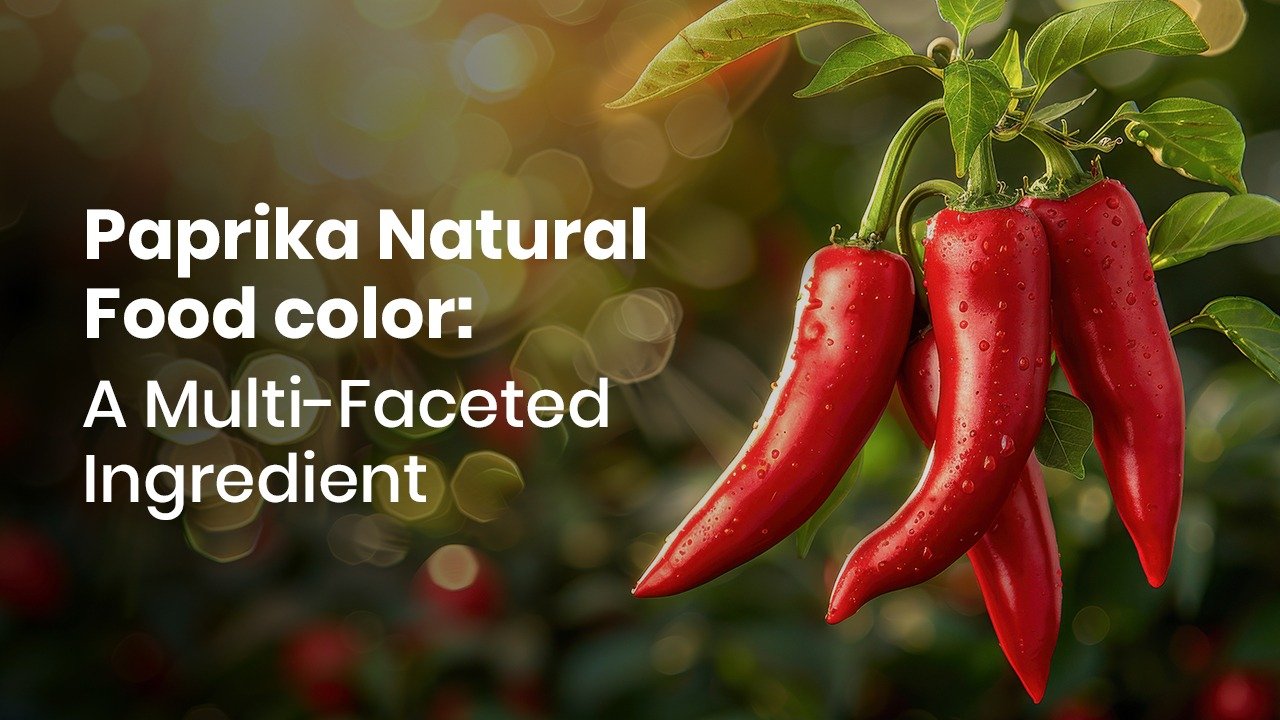
Paprika Natural Food color: A Multi-Faceted Ingredient

Paprika Natural Food color A Multi-Faceted Ingredient

Do you remember the reddish-orange color of that perfectly grilled paprika chicken or the glistening of a classic Hungarian goulash? The mystery lies not in artificial food dyes but in a single, really potent spice: paprika natural food color. This versatile ingredient has much history behind it and a surprising depth to its flavor, so much more than simple aesthetics. Derived from Capsicum annum, paprika lends that warm, inviting touch to your dishes. Depending on the type of paprika used, it may give an aftertaste which is often smoky. This makes it a versatile and natural alternative to synthetic colors.

Be it natural red food color for sausages or orange color for snacks, paprika colors can add that splash of color to your food without reducing the flavor. Vinayak Ingredients offers oil-based as well as water-soluble paprika oleoresin for different applications. 


A Spectrum of Tones: Exploring the Warmth of Paprika

Paprika, with its warm tones ranging from deep orange to rich red, enhances the visual appeal of meat products. As a natural colorant, it lends vibrant hues to sausages, smoked meats, and marinades, elevating product presentation. Its dynamic color enhances both visual and taste appeal, offering a natural alternative to artificial dyes. For meat manufacturers, paprika delivers not just aesthetics but solutions that meet consumer demand for natural ingredients. 


From Garden to Garnish: A Spicy Journey Through History

Paprika, a pepper extract introduced to Europe centuries ago, is now one of the most important ingredients in food production worldwide. Because of its long and proud history, it is widespread among commercial food industries. Such a common coloring agent is created as a natural alternative to other artificial colorants. Paprika is a clean-label solution for the food manufacturer: it enhances the vibrant hues of processed meats, adds depth to sauces, and satisfies consumers’ demands for more natural ingredients without compromising on flavor or appearance. 


Beyond the Rainbow: Possible Health Effects of Paprika

Paprika isn’t just about color and flavor. It also has notable potential for health benefits due to its rich content of vitamins A and C. These vitamins help maintain strong eyesight and a healthy immune system. Some even contain capsaicin, also known for its ability to ease pain as well as being anti-inflammatory. Thus, there is still much to be learned, but certainly, paprika is a very  flavorful, healthy addition to the cuisine. 

 
Paprika Oleoresin: coloring agent and  flavor enhancer

Paprika oleoresin is a natural, stable product that gives a natural boost to color and flavor without impacting the food adversely. The oleoresin, due to its capsanthin and capsorubin, has various bright shades that range from pale yellow to fiery reddish orange. More than aleuropein oleoresin, this has greater stability to acid, light, and heat; it is thus capable of all food applications with consistent look results throughout the range of dishes.

 Paprika fits into multiple lines of meat products ranging from sausages and hot dogs, through burgers, to processed meats. The deep colors enriched the color line of these meat products while a subtle paprika  flavor imbued earthly tones to the general taste. For soups and sauces, paprika adds flavor and color; from tomato soup to chipotle sauce, delicious smoky  flavors create a pleasing appearance in the dish.

Paprika adds color to seasonings and marinades. Vibrant colors add a sensory thrill before the first bite from a marinade, while rich tones are also flaunted in chips, pretzels, crackers, and pastry items in snacks and  savory baked goods. 

 Paprika also has potential applications beyond its usual  savory uses. It would be applied to pre-packaged foods and canning products. The stability of paprika ensures stable coloring in pre-prepared meals as well as in canned items, giving an appetizing appearance that lasts. Because it holds color very well across all applications, its flexibility makes it a suitable choice where color is a great requirement. 

 
Selecting the Right Form of Paprika Oleoresin

The proper form of oleoresin paprika will have to be selected to obtain the right effects. Water-soluble liquids and powders are useful in sauces, soups, and beverages to create a smooth animation of color. Oil-soluble liquids may be used in fat-based products including mayonnaise, processed cheese, and spreads. All forms of oleoresin stabilize in a variety of conditions where the product will finish with vibrant appearance and rich  flavor. 

 
Color Confidence in Food Applications

Paprika oleoresin has excellent stability in food products, showing vibrant color up to high processing temperatures. Highly resistant towards light and pH variation, it delivers consistent coloration applications like meat products, snacks, sauces. However, the depth of flavor is beyond the appeal of color; it comes with the nutritional benefits of vitamins A and C, aiding in immune function and anti-inflammation. We at Vinayak Ingredients specialise to offer you natural solutions like paprika oleoresin for the richness in color and flavor to enhance your products. 

Do you want to find alternatives to artificial colors? Try our paprika extracts for a beautiful, flavorful, and natural enhancement. Contact us today to explore how Vinayak Ingredients can transform your next culinary innovation.

Super Greens Blend the Power of Kale, Spinach and Broccoli

Super Greens Blend the Power of Kale, Spinach and Broccoli

Ever wonder how a handful of greens can supercharge your health? The idea of super greens-kale, spinach, and broccoli is not about the average vegetable nutrient powerhouse but is packed with essential vitamins, minerals, and antioxidants, scientific research confirms. From immunity enhancement to fighting inflammation, they offer much more than just adding colour to meals. Given today’s fast-paced living, super greens are increasingly important in modern diets. During today’s fast-paced life, when almost everyone is trying to live a healthier life, super greens indeed present one with an easy, natural way to round up everyday nutrition. Whether blended into smoothies, added fresh in salads, or even mixed into snack bars, kale, spinach, and broccoli easily fit into many foods. Their versatility makes them accessible for many diets, including vegan, vegetarian, and gluten-free, answering demands for more plant-based nutritious choices.

It addresses the whole modern shift toward preventive health. Super greens are increasingly in the consumer’s psyche to fuel their bodies with wholesome ingredients that keep them healthy for the long term, rather than just bridging deficiencies with processed, synthetic alternatives. There are a variety of benefits super greens bring about: improving heart health, digestion, even skin health, and brain functions. They become an integral part of daily nutrition. How does one use super greens in their products or meals with their increasing popularity?

Nutritional Value of Super Greens 

Ever wondered how super greens can revolutionize the outlook of your health? Kale, spinach, and broccoli are a few of the nutritional foods. Kale houses glucosinolates, which may prevent cancer by detoxifying harmful substances in addition to lutein and zeaxanthin, both antioxidants that protect your eyes from blue light. Spinach is rich in nitrates, which have proved to reduce blood pressure and further advance vascular functions. It is also an excellent source of non-heme iron, which is very helpful in increasing energy and oxygen transportation.  Similarly, broccoli helps keep your eye health, cardiovascular functions, and detoxification processes intact. Adding superfood powders like Kale, Spinach, or Broccoli Powder to your meals will give you an added boost toward wellness with so much more ease. Welcome the super greens for a healthier and stronger life!

Dried and dehydrated super greens are ultimate in terms of convenience and versatility for health-conscious consumers and business into health foods. Advanced dehydration and spray-drying techniques preserve their nutrition and extend shelf life. Unlike fresh, this green dried variant is portable, lightweight, and can be integrated into foods and beverages with ease sans affecting texture or flavor. Scientific studies have shown most vitamins and minerals are retained with these methods for an effortless nutrition boost.

Dried super greens have also boasted several key health benefits. High in fiber, they help digestion and gut health. Anti-inflammatory phytochemicals lower inflammation due to flavonoids and carotenoids, while vitamins A, C, and E maintain and preserve immune and cardiovascular health.

Benefits of incorporating dried Super greens in your creations

Super Greens Blend the Power of Kale, Spinach and Broccoli


Incorporating Dried super greens into your offerings

Looking to raise the bar on nutritional value within your product offerings? In that aspect, incorporating dried super greens is just perfect! Adding Broccoli Powder to beverages enhances antioxidant activity without compromising taste. In snacks, Spinach Powder elevates the nutritional profile while maintaining flavour and shelf life. The use of dried greens increases the micronutrient density in meal kits, making your meal more than just calories. On that note, even in supplements, kale powder and broccoli powder provide concentrated antioxidants and essential nutrients, with research to back up their bioavailability. Understand how dried super greens can elevate your products and provide health-boosting benefits to your consumers.

Conclusion

Super greens – from kale, spinach, and broccoli- are the powerhouse of health benefits, ranging from support for cardiovascular health and immune function increase to good digestion and detoxification. Business-wise, adding dried and dehydrated super greens like Kale Powder, Spinach Powder, and Broccoli Powder into various products will elevate the nutritional value of the product and appeal to the health-conscious consumer. Whether beverages, snacks, meal kits, or supplements, the inclusion of these nutrient-rich super greens presents a great opportunity for value differentiation of your offerings in the competitive market. Vinayak Ingredients’ ECOFLAV brand provides spray-dried, freeze-dried, air-dried, and dehydrated super greens of the highest quality, which can fulfil varied application requirements. Ready to take your products to the next level with premium ingredients? Contact us today and discover how our super green solutions can turbocharge your product line and take your business to the next level!

SHELLVIN: BOOSTING EGGSHELL INTEGRITY FOR OPTIMAL POULTRY PRODUCTION

Shellvin: Boosting Eggshell Integrity for Optimal Poultry Production

The eggshell is an important structure of an egg, as it forms an embryonic chamber for the developing chick, providing mechanical protection, a controlled gas exchange medium and it is a container for the market egg, providing protection of the contents from pathogens and a unique package for a valuable food. Balancing proportion between calcium, phosphorus, vitamin D3, and the hormonal system in calcium metabolism during egg formation is important for Eggshell quality.


COMPOSITION OF THE EGGSHELL

The eggshell contains about

  • 94- 97% calcite (calcium carbonate mineral)
  • 2% organic matrix (proteins)

The complex structure of the eggshell is the end result of the interaction between calcium carbonate crystals and organic matrix molecules.

Key organic matrix proteins like ovocleidin-17, ovotransferrin, and osteopontin play important roles in regulating mineralisation, crystallographic texture and biomechanical properties of eggshell.

Eggshell cracking is one of the major concerns for the farmers as it causes pathogenic contamination and economic loss throughout the world. Estimates for the incidence of broken eggs in commercial production range from 6 to 8% of all eggs produced which have a negative impact on the profitability of any egg producer. However, incomplete hairline-cracked eggs are less obvious upon visual inspection and may inadvertently be used in commercial poultry which can lead to reduced hatchability and increases risk of contamination.

There are also external egg quality issues related to other shell defects like rough shells, misshapen eggs, body-checked eggs, shell-less eggs and stained or dirty floor eggs which do not necessarily result in egg breakage but give rise to increased risks of contamination along with lower hatchability and consumer acceptance.

FACTORS AFFECTING EGG SHELL QUALITY IN POULTRY –

Key factors affecting eggshell quality in poultry for optimal egg production – Vinayak Ingredients.

Inadequate calcium intake and the factors affecting availability of essential organic matrix proteins can lead to degradation in egg shell quality. Approximately 60 to 75% of shell calcium (Ca) is derived directly from the diet. While calcium is important for eggshell formation, the role of organic matrix proteins like ovocleidin-17, ovotransferrin, and osteopontin is also significant. These proteins are crucial for the appropriate mineralization and structure formation of the eggshell, ensuring its strength and quality. The availability and activity of these proteins, along with minerals like phosphorus, zinc, manganese, and vitamin D are key factors that can greatly enhance eggshell quality. Improving these proteins’ effectiveness along with calcium supplement can lead to stronger and more resilient eggshells.

IMPROVE EGG SHELL QUALITY WITH SHELLVIN….

SHELLVIN is an organic egg shell supplement for poultry which helps overcoming calcium deficiencies, positively influences the formation of the shell ultra-structure. It contains organic calcium, shell enzyme co-factors, vitamin D3 absorption enhancer, and a precursor of the organic matrix of shell along with minerals which helps to decrease eggshell cracking. SHELLVIN triggers the organic constituents (proteins) of the egg shell matrix to modify the morphology of calcite crystals which eventually improves the texture and reduces thin egg shells in poultry.                  

BENEFITS –
Shellvin benefits for improving eggshell strength and quality in poultry – Vinayak Ingredients.

Ensure stronger eggshells and healthier hens with SHELLVIN!

*References on request*