icon-globe
Search Connect with us

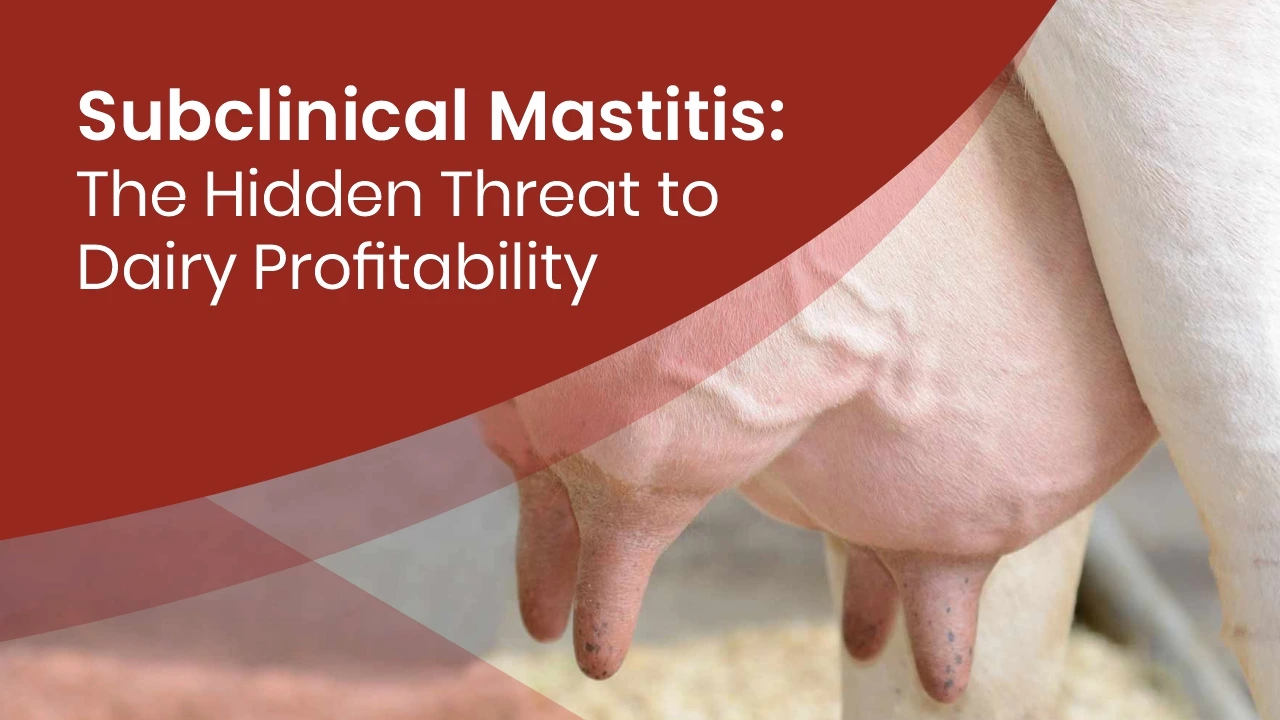
Subclinical Mastitis: The Hidden Threat to Dairy Profitability

mastitis in cows impact on dairy profitability vinayak ingredients.

The increasing demand for milk and milk products has led to an increase in the dairy production industry. The cow’s udder health is important to maintain productivity and profitability. Any factors impacting udder health can affect animal welfare and the safety of the products produced by infected cows eventually leading to economic losses. One of the major threats to udder health and overall dairy productivity is Bovine Mastitis.  Mastitis in cows is a disease with significant financial impact due to decreased milk production and consecutive high culling rates during severe conditions caused by multiple causes. A Journal of Dairy Science study reports that dairy cattle disease may lead to annual global losses of around US$65B with subclinical mastitis causing loss of around US$9B.

What Is Bovine Mastitis?

Bovine mastitis is an inflammation of mammary gland tissues caused by pathogenic infection or physical injury. Mastitis occurs when pathogens enter the sterile environment of the mammary gland, which often happens due to disruptions in the physical barriers of the teat. Decreased immunological responses to these pathogens lead to the development of mastitis.

Non-infectious mastitis is caused by physical injury to the mammary gland and trauma. Infection of the udder with contagious and environmental pathogens can also lead to the development of subclinical mastitis. Staphylococcus aureusEscherichia coli, and Streptococcus species are the crucial infecting agents.

 Factors contributing to Mastitis  –

  • Milking Practices: Improper milking hygiene practices like dirty milking equipment or poor handling practices facilitate pathogen entry.
  • Physical Trauma: Injuries to the teat or udder affect the epithelial barrier.
  • Environmental Factors: Unsanitary housing conditions and exposure to contaminated bedding or water increase the risk of infection.
  • Host Susceptibility: Nutritional deficiencies, immunosuppression, or stress conditions can increase the risk of mastitis.
Comparison of somatic cell count in normal vs. abnormal milk samples – Vinayak Ingredients

Current Strategies Used for Mastitis Control

General measures such as proper disinfection of udder pre and post-milking, balanced feeding practices, dry therapy, grazing management, and sanitation of farms can be implemented for mastitis control in cows. Antibiotics and vaccines are widely used for the treatment of active infections. However, the increasing risk of antimicrobial resistance (AMR) and potential downstream effects on human health have led to the need for the development of alternative methods for the prevention and treatment of Bovine Mastitis.

Natural products can be ideal for mastitis control due to their antimicrobial properties and complex composition. Plant extracts, essential oils, and probiotics can crucially impact the infection-causing pathogens and might help to prevent mastitis in cows.

RECOMAST – For Holistic Mastitis Care

RECOMAST is a Phytogenic anti-mastitis feed supplement having anti-bacterial, anti-inflammatory, analgesic, and immunomodulatory action that helps in mastitis control in cows.

Mode of action of Recomast for improving udder health and milk quality – Vinayak Ingredients

The herbal components in RECOMAST help improve immune response and reduce somatic cell count in the dairy. It also contains minerals that improve the physical barrier of the udder. Probiotics help reduce the impact of pathogens. The nucleotide present in RECOMAST enhances the rate of recovery of mammary glands, eventually helping in the control of subclinical mastitis in cows. RECOMAST is a natural supplement that increases the quality and quantity of milk and reduces the somatic cell count during infections.

RECOMASTHolistic Mastitis Care for Healthier Herds and Higher Profits.”

*References on request*
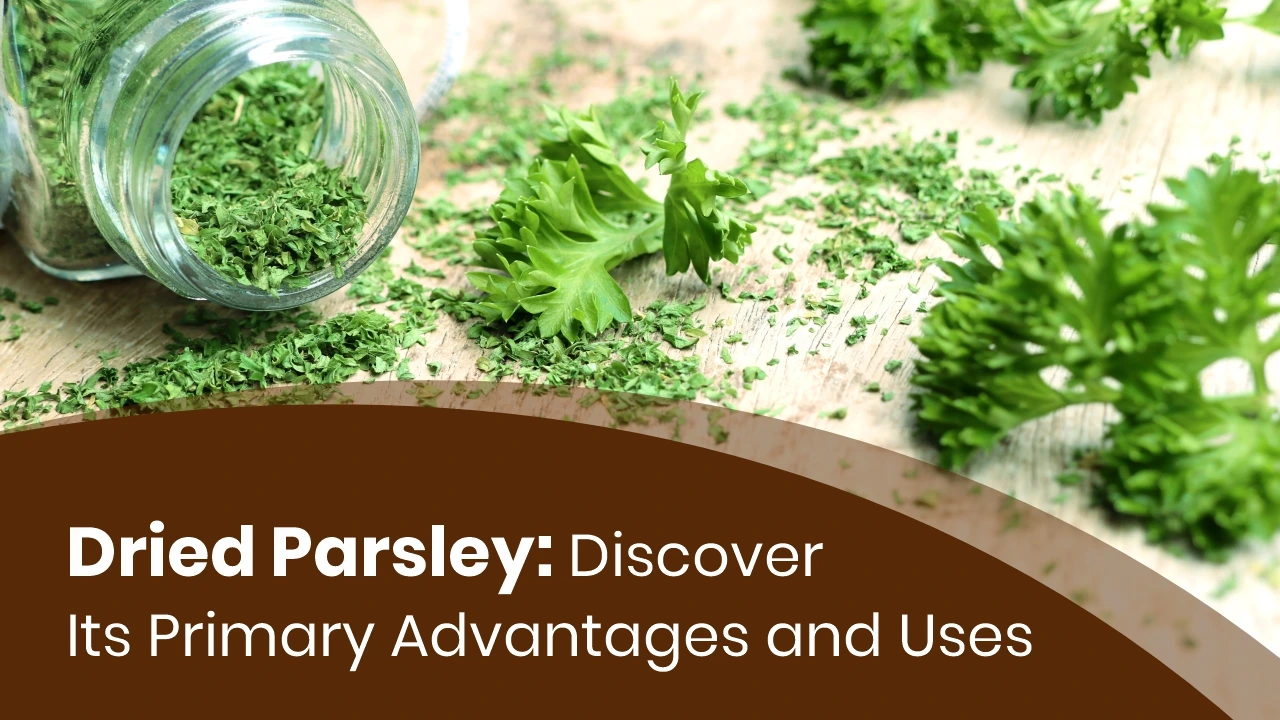
Dried Parsley : Discover Its Primary Advantages and Uses

Versatile Dried Parsley For Snacks, Sauces, Bakery & Instant Food Products.​

Dried parsley by Vinayak Ingredients: Top manufacturer and exporter of natural ingredients

What is dried parsley?

Dried parsley is the dried form of fresh parsley. Fresh parsley is a green herb which has a fresh flavour. To get its essence, fresh parsley dries up in the air; thus, it may last up to one year. It makes parsley very convenient as an ingredient, especially when used in food manufacturing and seasoning products. It retains much of its characteristic flavour and provides a reliable year-round supply for a variety of food applications.

What Is Dried Parsley Made Of ?

It is prepared from fresh green parsley. After Cleaning it of dirt and impurities present in leaves they are dried up using air-drying methods. This is to preserve the bright colour and flavour of the parsley and decrease the moisture content. After processing in this form, different types can further be made according to client requirements such as parsley flakes or parsley powder. Particles from air-dried parsley can either be milled into an excellent powder or passed to a pulverizer for reshaping the flakes. Afterwards, particles are sifted with the vibro sifter, so that they may become uniform in size allowing for a wider use in different processing ways.

What is Dried Parsley Used for ?

Potato Chips:

One of the most common uses of parsley flakes is to make potato chips, which adds aesthetic appeal and flavor. The green flakes add colour to the cream and onion seasonings to make the potato chips appear more appetizing. The crunchy, brittle texture of parsley flakes allows them to mix well with other seasoning ingredients so that the flavour is spread evenly throughout every bite. Parsley flakes make a well-balanced mix of seasoning that enhances the snacking experience.

Snacks:

Parsley powder goes really well with many of the snack foods. It adds an excellent taste to makhana mixes and namkeens. A sprinkle of parsley flakes gives earthy nuttiness in these mixes a touch of sophistication, which makes an ordinary snack stand out.

The mild, earthy flavour enhances the inherent taste of crackers turning a simple snack into something more enjoyable. In popcorn, the parsley is cut through the richness of butter flavour or cheese. It has an interesting depth that makes each of the bites even more appetizing. It works perfectly in seasoned popcorn and it brings this unexpected pleasure of flavour that is going to burst inside your mouth. The earthiness of parsley powder also adds complexity and balance to cheese puffs, onion rings, and savory puff snacks toward the richness of the basic flavours.

Herb mix and retail products:

The main ingredient in pre-measured herb mixes is air-dried parsley, so this product is very suitable for e-commerce retail. Parsley flakes come in a range of types, from whole dried leaves to finely powdered so the consumer can choose the type that suits their needs best. This is a convenient product for cooking enthusiasts and home chefs who like to choose the type of parsley they need for a specific recipe. Leading parsley powder manufacturers in India ensure that these products meet high-quality standards and retain their nutritional and aromatic properties.

Instant Food Products:

Parsley flakes have also been applied to instant food products. When the boiling water is added, this dried parsley rehydrates and releases its subtle citrusy and peppery fragrance, which is revitalized; this gives ready-to-cook meals an aromatic as well as flavorful element as it enhances the taste profiles of soups, gravies, and noodles. The fine notes of parsley provide a fresh contrast to the richness of prepared meals, offering that unexpected yet pleasing burst of flavour.

Sauce:

Air-dried parsley flakes bring their signature citrusy notes alive in sauces, adding them to creamy garlic or tangy tomato bases. Freshness is released from rehydrated parsley and adds complexity and depth as the freshness cuts through creaminess or acidity in the sauce giving a more balanced flavour and nuance. From a classic pasta sauce to a creamy dip, parsley enhances the taste experience overall, refreshing and vibrant.

Bakery Products:

Parsley powder can also be used in bakery products giving a savoury baked item a herbal flavour. It can be added to doughs for bread, crackers or rolls to create an enhanced flavour profile for each product. Its subtle yet quite distinct flavour complements such ingredients as cheese, butter or garlic and can be devoured for a meal or as an appetizer. Whether being used in savoury breadsticks or flavoured crackers with herbs, as a parsley powder supplier in Mumbai, we ensure that the ingredient provides added value in enhancing taste and aroma.

Conclusion:

Dried parsley is the most versatile and essential ingredient for the food industry; it gives a constant flavor, rich color, and availability all year round. Applications include everything from snack foods and instant meals to bakery items and sauces. Thus, dried parsley can play a vital role for a business seeking innovation in addition to adding variety to the products being sold.

We as a parsley powder manufacturer in India, we know what food manufacturers want to achieve and work hard to ensure that we deliver high-quality, customizable solutions, including parsley flakes and parsley powder. We ensure superior consistency, flavor retention and compliance with industry standards through our advanced processing techniques.

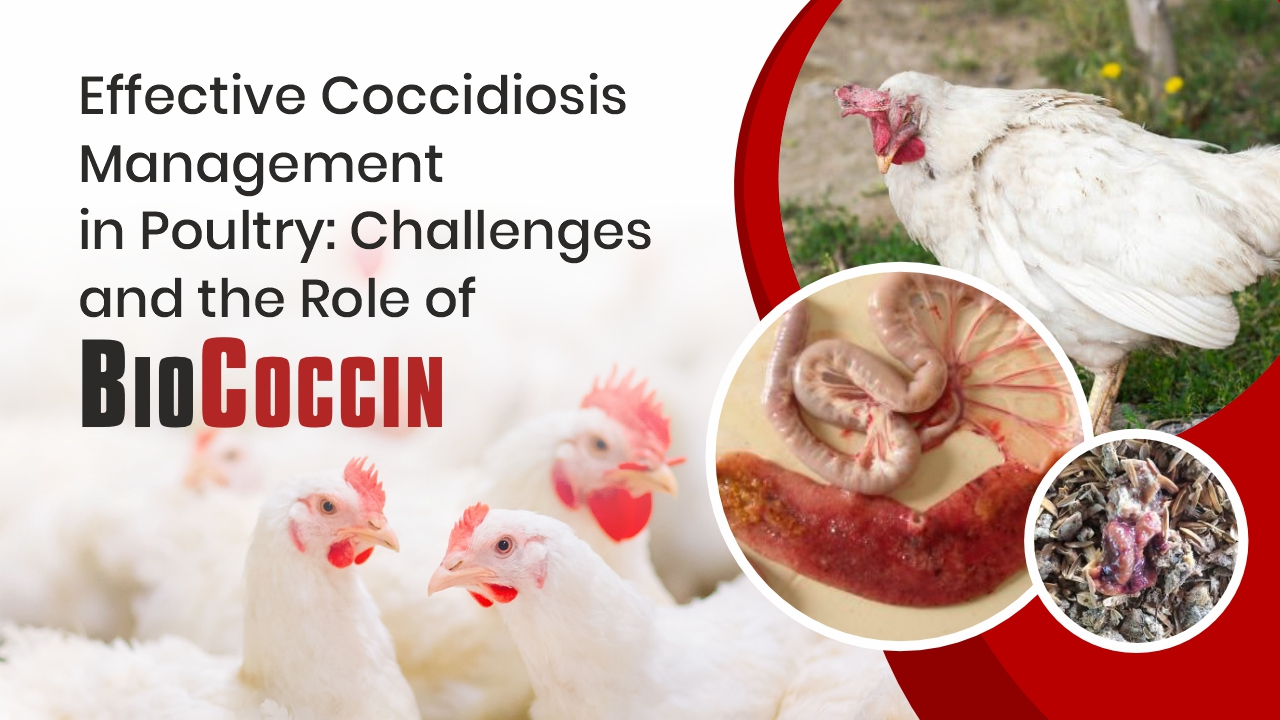
Effective Coccidiosis Management in Poultry: Challenges and the Role of BIOCOCCIN

Effective Coccidiosis Management in Poultry Challenges and the Role of BIOCOCCIN

The poultry industry faces various health challenges, with diseases being a constant threat to flock growth and profitability. Infectious diseases like avian influenza, Newcastle disease, infectious bronchitis, coccidiosis, and salmonellosis as well as non-infectious issues like nutritional deficiencies and managemental disorders impact flock health. Notably, Coccidiosis is one of the most significant parasitic diseases caused by protozoa of the Eimeria species, adversely affecting the productivity and economic growth of poultry farmers.

Eimeria is ubiquitously present in almost all poultry farms but becomes clinically significant after ingestion of a large number of sporulated oocysts by poultry. It can spread easily through feed, dust, water, caging systems, equipment as well as by insects and rodents.

Impact of Coccidiosis on Poultry

Eimeria infection affects the mucosal cells of the host increasing membrane permeability, eventually impacting digestion and absorption of protein and other nutrients. This causes diarrhea and hemorrhage in extreme conditions. Coccidiosis in poultry also reduces weight, and feed conversion rate, and increases mortality, leading to significant losses in productivity and profitability.

Understanding Coccidiosis in Poultry

Coccidiosis in poultry is caused by Eimeria, a eukaryotic, host-specific, unicellular protozoa that infects the intestinal epithelium of poultry. Seven species of Eimeria that are infective in chicken include (E. acervulina, E. brunetti, E. maxima, E. mitis, E. necatrix, E. praecox and E. tenella). Among these, Eimeria tenella (ceca), Eimeria brunetti (lower small intestine, rectum, ceca, and cloaca), and Eimeria necatrix (proximal and mid portions of the small intestine) are considered more infectious in chickens than other species.

Species of Eimeria And Site of Infection


Different species of Eimeria and their site of infection in poultry and livestock – Vinayak Ingredients

Life Cycle of Eimeria

Eimeria is transmitted by oral-faecal route. The life cycle of Eimeria consists of two distinct stages –

The exogenous phase (environmental) –

    • Sporogony happens after the oocyte is excreted by the bird. Sporozoite, surrounded by a resistant oocyst wall is the infective form of It is present in sporulated oocysts formed due to the division of protoplasm.

The endogenous phases (inside chicken) –

    • Sporulated oocysts begin to replicate after being ingested by chicken orally. The digestive enzymes and mechanical disruption help to release sporozoites from oocysts inside the intestine of chicken. The sporozoites released invade intestinal cells beginning schizogony, the asexual developmental stage, and developing first generation merozoites which further infects intestinal cells.

    • Gametes are formed after a few numbers of asexual cycles, beginning the development of the sexual stage known as gametogony. The sexual phase ends with the formation and release of oocysts into the intestinal lumen of the chicken which is then excreted in the environment. Oocysts after sporulation in the environment become infective.

Lifecycle of Coccidiosis in poultry and its impact on gut health – Vinayak Ingredients

Intensified poultry farming creates an environment suitable for the survival and spread of Eimeria oocysts, increasing the risk of infection among the flocks. The losses caused by Eimeria infection in poultry show the importance of effective control strategies. Various standard and innovative approaches have been developed to manage coccidiosis in poultry.

Control Methods Used

Traditional methods like anticoccidial medications and vaccines are used for the prevention and treatment of coccidiosis. However, the risk of drug resistance, consumer demand for residual-free poultry products, and increasing cost impact the significance of these methods.  In response to these challenges, natural and cost-effective alternatives have been used due to their safety and sustainability.  BIOCOCCIN is an herbal coccidiostat specifically designed to control Eimeria infection in poultry.

BIOCOCCIN – A Natural Coccidiosis Control

BIOCOCCIN is a phytogenic coccidiostat that helps to control coccidiosis in poultry. It acts on multiple species of Eimeria.  Phyto-molecules present in BIOCOCCIN prevent the release of the Eimeria sporozoites from the oocyst and its penetration in the intestinal epithelium i.e. mainly the Sporogony and Schizogony stages of the Eimeria cycle. It helps to prevent further damage to the intestine, reduces the oocyst shading, and helps to improve recovery from Eimeria infection in poultry.

Mode of Action of BIOCOCCIN 

Mode of action of BIOCOCCIN for controlling coccidiosis in poultry – Vinayak Ingredients.

The Phyto molecules of BIOCOCCIN show anti-inflammatory and immunomodulatory actions which help to improve recovery from coccidiosis in poultry and reduce mortality rates. With BIOCOCCIN, farmers can safeguard their flocks and profits.

Manage Coccidiosis Naturally! Connect with our experts today. Visit us to learn more about BIOCOCCIN.

FDA May Ban Artificial Red Dyes: Hidden Risks & Natural Alternatives

FDA May Ban Artificial Red Dyes: Hidden Risks & Natural Alternatives

FDA May Ban Artificial Red Dyes: Hidden Risks & Natural Alternatives

Introduction

For decades, artificial food colours have been used in the industry to enhance product appearance. However, The trend is fading as consumers and the industry change its focus to health-conscious food. Clean-label trends find a way to change the food and beverage industry as society becomes increasingly sensitive to its reliance on synthetic dyes. Natural alternatives which promise both safety and vibrancy have emerged to lead towards a sustainable future for food innovation.

FDA Action Against Artificial Reds

These include the red dyes Allura Red or Red 40 and Erythrosine or Red 3 which have long been suspected of harming health. Most processed foods and beverages contain Red 40 which has been proven to trigger hyperactivity in children and allergic reactions. For example, red 3 used in candies and baked goods has been associated with thyroid tumours and is under consideration for a ban by the FDA.

Other Synthetic Colors

Other synthetic dyes include Yellow 5 also known as Tartrazine, Yellow 6 (Sunset Yellow), Blue 1 (Brilliant Blue) and Green 3 (Fast Green). These additives have been associated with allergic reactions, children’s hyperactivity and carcinogenicity among other potential health risks. Although some countries still allow them, others have put a ban or limitation on these dyes and these are some of the increased concerns over synthetic colours.

Negative Impacts on Human Health

Artificial food colours have been associated with a host of health problems from allergic reactions and headaches to gastrointestinal problems. Chronic exposure has raised questions on genotoxicity and carcinogenicity which is often a controversy starter in the debate over strict regulation.

The Trend is shifting to using Natural Colors from both the consumer’s and industry perspective. These colour alternatives made from plants, fruits and minerals address concerns over synthetic dyes complement clean-label and sustainability trends and therefore become part of a modern process of food production that is safer.

Natural Alternatives to Red Colour Substitution

Artificial red is under scrutiny by the FDA because of its adverse effects on health.  Substitutes for artificial red are vibrant and have extensive applications in industries as different as confectionery or beverage applications. A great alternative is Beetroot Extract – a clean-label solution providing a bright, natural colour appearance. One of the best alternatives where there is a need for a stable, deep red tone is from cochineal insects remains Carmine. Other shades that are gaining popularity are Gardenia Red and Rubra Red due to their innovative applications and unique shades created in food products.

These natural red substitutes not only ensure safety but also diversity so that manufacturers can get the required aesthetic without compromising on quality or consumer trust.

A Glimpse of Other Natural Color Alternatives

The substitutes for other artificial colours provide impeccable results and offer a natural twist to your offerings. For yellows and oranges, Annatto, Curcumin, and beta-carotene give a bright, plant-based alternative. Blues can be obtained from Spirulina, Butterfly Pea Flower and Gardenia Blue delivering rich tones perfect for beverages and desserts. Substitutes for artificial greens can be obtained utilizing Chlorophyll and Green Spirulina whereas the purples using extracts from Anthocyanins, Purple Carrot and natural pigments and whites can replace titanium dioxide with TiO2 replacer. All these alternatives allow one to get all shades possible without losing sight of parameters for safety and sustainability.

Conclusion

It is no longer a trend but a necessity, the push for natural food colors. The more evidence of the risks posed by synthetic dyes makes manufacturers accountable to safety, sustainability and transparency.  Embracing natural alternatives can make the food and beverage industry align with consumer expectations, comply with stricter regulations and contribute to a healthier, more sustainable future. The new era in food innovation has been marked by the shift away from synthetic dyes- a shift that prioritizes aesthetics and well-being.

At Vinayak Ingredients, we take pride in being a leading manufacturer of natural food colors in India. Our wide range of sustainable colour solutions cater to the diverse needs of the F&B industry, Cosmetics and healthcare industry. Whether you’re looking for vibrant reds, calming blues, or refreshing greens, we have the perfect solutions for your products.

References
The FDA May Finally Ban Red No. 3 Food Dye

The synthetic food dye, Red 40, causes DNA damage, causes colonic inflammation, and impacts the microbiome in mice – ScienceDirect

One More Step Towards food safety – FSSAI limits Antibiotic Use in Food-Producing Animals

The recent increased demand for animal-origin protein has led to an intensification of animal production. Different methods are used to improve the production, Antibiotics are one of them. The overall use of antibiotics has increased recently to improve productivity and profitability. Additionally, antimicrobials are used in huge proportions for treating specific diseases or infections in animals, during stress conditions, to improve immunity, or as general growth promoters.

While the use of antibiotics is crucial, its overuse or misuse leads to antimicrobial resistance (AMR). The increased AMR can impact the effectiveness of antimicrobials against pathogens. This might fail treatment, and increase the severity of the disease impacting animal welfare and eventually leading to economic losses. The excess use of antimicrobials in food-producing animals increases the risk of the spread of AMR toward important pathogens in human beings consuming these food products. It can be transmitted via the food chain or environmental factors. According to the WHO report of 2019, it is assessed that AMR was directly responsible for approximately 1.27 million global deaths and was indirectly responsible for around 4.95 million deaths.

India has taken a significant step to reduce the impact of AMR by introducing new regulations. Food Safety and Standards Authority of India (FSSAI) released an amendment on 17 October 2024 stating that the use of some antimicrobials for the production of animal-based food products is not permitted. Also, the authority has changed the Maximum Residual Limits of antimicrobials in food-producing animals. These new regulations will be enforced from 1 April 2025.

According to old regulations, the use of antibiotics was forbidden only during food processing. However, the new rules prohibit the use in the entire production cycle. This supports the efforts of FSSAI to enhance food safety and reduce AMR. Along with meat, poultry, eggs, and aquaculture products, antibiotics are also banned in milk, and milk products to improve food safety.

Antibiotics that have been completely prohibited to use in food animal production:

Classes of antibiotics

  • Glycopeptides,
  • Nitrofurans,
  • Nitroimidazoles

Specific antibiotics

  • Carbadox,
  • Chloramphenicol,
  • Colistin,
  • Streptomycin (and its metabolite dihydrostreptomycin),
  • Sulphamethoxazole,

The amendment also updates the list of tolerance limits of antimicrobials and other veterinary drugs in food from animal sources. Specifically, six new antibiotics, amoxicillin, cephalexin, gentamicin, penicillin G/ benzylpenicillin, sulfamethazine, and sulfadimethoxine have been added to the existing list of antibiotics.

The ban on antimicrobial use and strict testing by the authorities can help to reduce the spread and impact of AMR. By prohibition of antibiotics, India aims to support the global efforts of the World Health Organization (WHO) to reduce the risk of AMR and promote sustainable food production.

Along with prohibitions of antibiotics, there is a need for the development of new alternatives for growth and disease prevention in animals. Natural products can be good alternatives for the same. Natural components like plant-based phytochemicals, essential oils, probiotics, and other bioactive compounds show antimicrobial, anti-inflammatory, and immune-boosting properties supporting overall welfare while maintaining food safety.

Incorporating natural solutions and maintaining regulatory compliance into animal farming practices can help reduce AMR while protecting animal health.

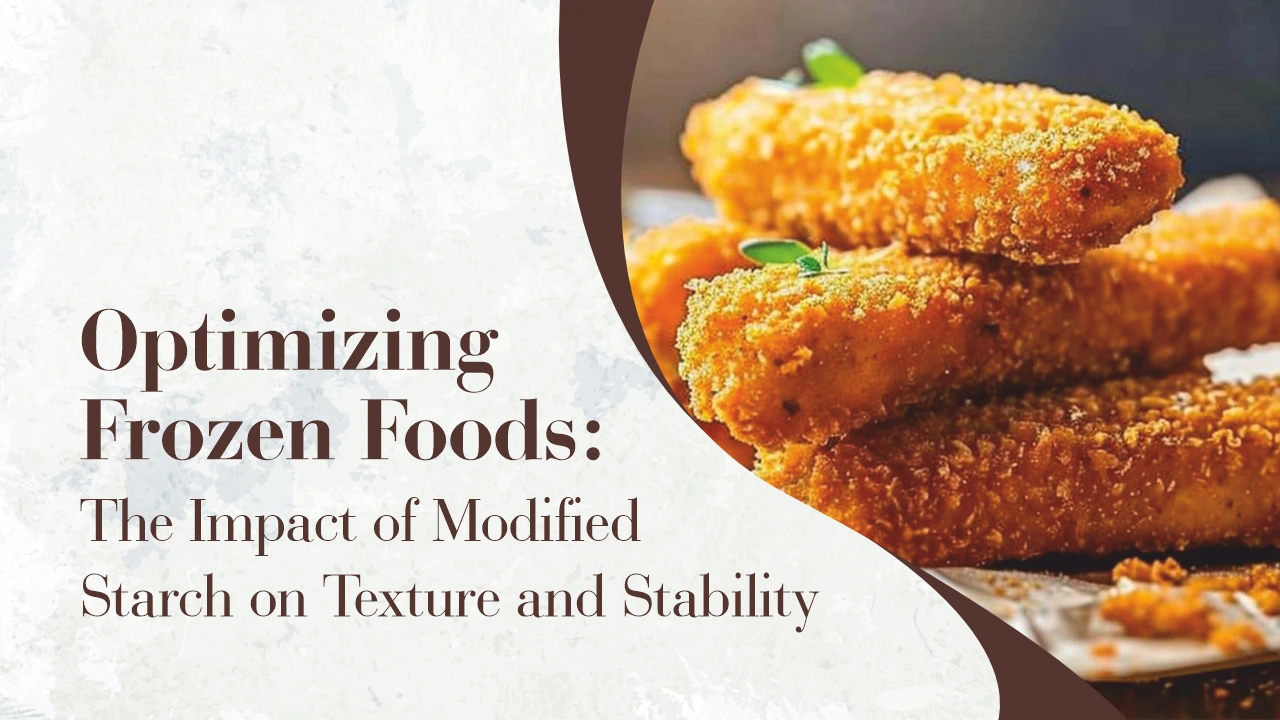
Optimizing Frozen Foods: The Impact of Modified Starch on Texture and Stability

Optimizing Frozen Foods The Impact of Modified Starch on Texture and Stability

Optimizing Frozen Foods: The Impact of Modified Starch on Texture and Stability

Frozen foods have become an indispensable commodity in today’s fast world, offering unmatched convenience, variety, and flavor. Quick-cooking foods save the day on such an occasion. However, the issue involved is very tricky: achieving quality, texture, and stability in frozen foods over multiple cycles of freezing and thawing. Modified starches for frozen food deliver the ideal way to effectively meet these requirements. They not only enhance the functionality and integrity of frozen foods but also present a wide variety of application areas like frozen nuggets, potato nuggets, burger patties, freezer-friendly ready-to-cook mixes, etc. In this blog, we’ll move across the applications and functionality of modified starch for frozen food, especially for frozen foods.

Frozen Food Applications of Modified Starch

Native starches, such as potato starch, tapioca starch, and maize starch, are commonly used but have limitations under extreme conditions; it’s modified to obtain improved functionality, ensuring good performance in food applications. These characteristics make them useful in the production of frozen foodstuffs, hence looking to have consistent quality for the consumer.

Starch Modification Types and Uses

Pregelatinized Starch

This starch is pregelatinized and spray-dried. It gels without cooking, which is beneficial for ready-to-consume frozen foods and can tolerate freeze-thaw stability cycles.

Crosslinked Starch

This starch cannot hydrolyze under acid and heat, thus safe in canned foods as well as in acidic sauce that consists of frozen salad dressing.

Esterified Starches

Esterified starches can improve the brightness and clarity of fruit fillings and confectionery. However, they are anti-retrogradation agents.

Oxidized Starch

While adding improved water absorption and increasing viscosity, oxidized modified starch offers a better texture for frozen bakery goods and fried snacks.

Acetylated Starch

Acetylated starch, known for its resistance to high temperatures and low pH, enhances the mouthfeel and consistency of salad dressings and dairy-based products.

Impact on Texture and Stability

Texture is considered to be an important factor in consumer satisfaction for frozen foods. Modified starch is the ingredient that ensures the texture of frozen food remains appealing after the freeze-thaw cycle. For example, in deep freeze dough, noodles, and dumplings, these starches prevent surface dryness and quality deterioration.

Freeze-Thaw Stability

The freezing and thawing process can lead to ageing and retrogradation of starches in food, resulting in increased hardness and moisture loss. Modified starch comes to the rescue by enhancing elasticity and reducing the degree of retrogradation, resulting in improved freeze-thaw stability. This is essential for maintaining the quality of freezer-friendly foods over time, addressing a common concern among consumers.

Innovations in Starch Modification

The innovation in this sector doesn’t end here. A notable advancement is the rise of modified starch for frozen food, gaining popularity for their clean flavor profile and improved solubility. These types of starches are versatile, finding applications in a wide range of products.

Conclusion

Modified starch for frozen food is revolutionizing the frozen food industry. From improved texture to stability and quality, each type of pregelatinized starch to acetylated starch will have its advantages in matching various frozen food applications.

Consumer expectations for better-quality and more convenient products are constantly on the rise, and therefore, starches that have been modified are essential for frozen foods. It overcomes syneresis, retrogradation, and degradation of texture for frozen foods to deliver an excellent eating experience. Research and development in the modified starch for frozen food sector have shown promising results in improving the properties of the frozen food category. With native starches as main ingredients, tapioca starch, potato starch, and maize starch modification give room for new high-performance product formulation. The manufacturer may continue to rise with such products that make frozen foods the first choice of contemporary fast-moving lifestyles while preserving quality and taste.

Explore possibilities with modified starch for frozen food and elevate your frozen food formulations today!

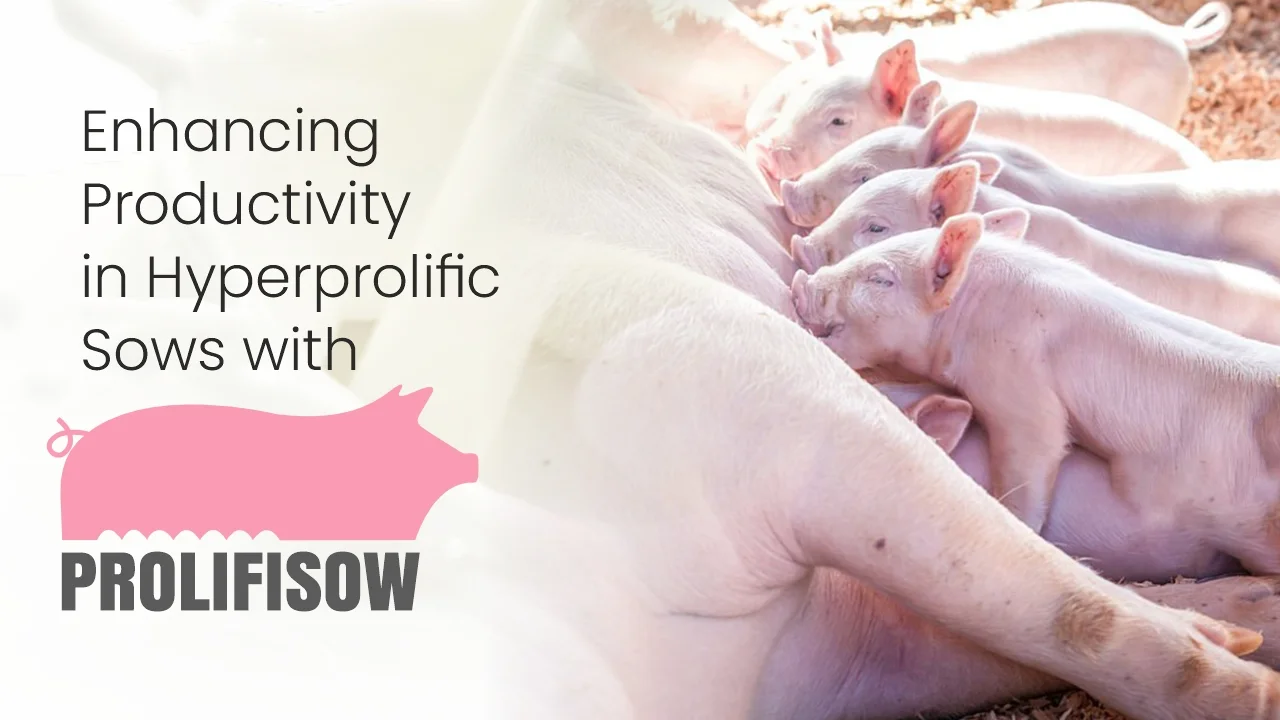
Enhancing Productivity in Hyperprolific Sows with PROLIFISOW

Hyperprolific sows produce more piglets than they have functional teats, with modern sow lines usually having no more than 16. Hence, sows with more than 16 piglets per litter are known as hyperprolific. However, litters of 18–20 or more piglets are increasingly observed in pig production. Though such an increase in sow prolificacy is desirable for breeders, it is worrying because it leads to higher milk production requirements, prolonged parturition, maximum energy requirement during farrowing, and optimum nutrient supply to each foetus. In herds of pigs free from specific diseases, the number of stillborn piglets per litter should not exceed 5–7 % of the total number born. The percentage of stillborn piglets is often much higher among hyperprolific sows, which causes substantial economic losses, premature culling, and deterioration of sow health.

What Hyperprolific Sows Require?

The size and weight of the litter during farrowing and weaning will be influenced by the diet of the sow during lactation and gestation, which will directly affect the health of piglets. Hence, an appropriate nutrient rich diet is important to support nutrient supply to each foetus, farrowing process, and the onset of lactation in sows. Piglets’ growth rate relies considerably on the quantity and quality of the milk production during the pre-weaning period.

It takes many factors such as genetics, nutrition, feeding frequency, environment, body condition, length of lactation, and water intake to maximize milk production in sows. Sows can achieve and maintain high levels of milk production throughout their productive life if given adequate energy and nutrients.

Key benefits of essential nutrients in sows for reproductive health and productivity – Vinayak Ingredients.

PROLIFISOW

PROLIFISOW is a scientifically blended combination of plant-derived bioactive compounds having gluconeogenic precursors, which provides glucose, a source of energy. Galactagogue properties of PROLIFISOW help to induce, maintain, and increase milk production in sows. It has added benefits that improve health, and growth, and increase production efficiency in sows. Dietary supplementation of PROLIFISOW leads to a greater number of weaned piglets per sow.

How does it work?

Gluconeogenic Precursors

  • Gluconeogenic precursors present in PROLIFISOW are important for maintaining blood glucose concentrations, which ensures continuous supply of glucose to energy-dependent tissues. It improves glucose transportation to each foetus of hyperprolific sow through umbilical cord. Also provides energy to the sows during farrowing, which helps reduce the farrowing time.

Galactagogue Properties

  • Plant-derived herbs having galactagogue (lactogenic) activity increases milk production in hyperprolific sows. It also improves protein and fat content in sow colostrum and milk.

Muscle Function and Farrowing Success

  • Maintaining the appropriate levels of nutrients in feed is crucial, as it plays a crucial role in regulating muscle contractility, including the myometrium, for smooth and efficient farrowing. It also reduces the number of stillbirths and shortens farrowing duration, especially in young sows.

Embryo Development and Placental Function

  • It supports embryo implantation and the proper functioning of the placenta, which ensures optimum growth and development of the piglets during gestation.

Benefits

  • Increases milk yield
  • Enhances energy supply
  • Reduces the number of stillbirths
  • Improves milk quality
  • Enhances nutrient digestibility
  • Reduces farrowing time


“With PROLIFISOW, every piglet counts”aculture with Pelletovin’

*References on request*
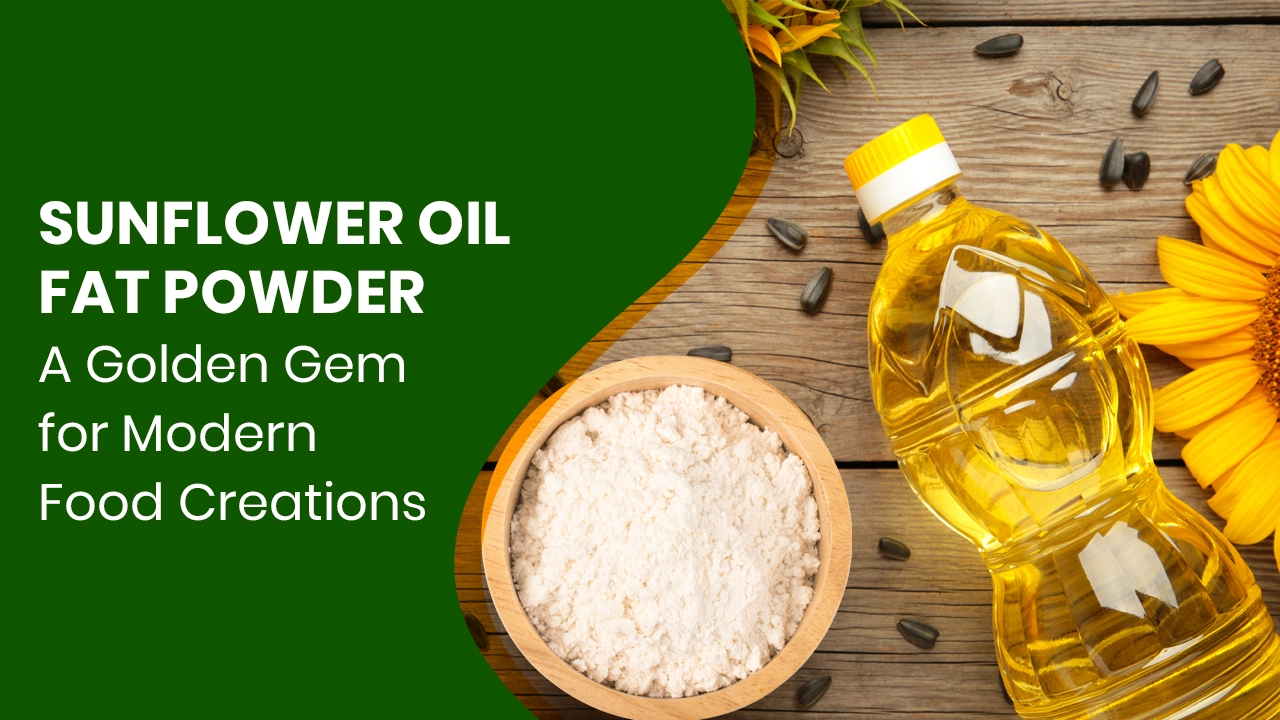
Sunflower Oil Fat Powder: A Golden Gem for Modern Food Creations


Sunflower Oil Fat Powder: A Golden Gem for Modern Food Creations

Innovative fat powders are revolutionising the food and nutraceutical industries, offering stable, versatile, and easy-to-use alternatives to traditional liquid oils. They are known to enhance texture, improve shelf life, and provide consistent flavours; they are the most essential ingredients for creating innovative and functional food products.

Vinayak Ingredients offers a wide range of high-quality fat powders, including Sunflower, Coconut, Soybean and MCT powders, tailored to meet the demands of modern food manufacturing.

In this blog, we’ll explore the exceptional benefits and applications of Sunflower Oil Fat Powder. Are You looking to transform your recipes with creamy textures and healthy fats? Sunflower Fat Powder can just be the secret ingredient that you have been searching for! It’s more than just powder; it’s innovation wrapped in nutrition, designed to improve your food products on to the next level.

What is Sunflower Fat Powder?

Sunflower Fat Powder is a spray-dried product made from pure sunflower oil. It is available in two fat content variants – 50% and 65%, making it a powerhouse of versatility for the food industry. With a neutral flavour, creamy consistency, and exceptional stability, it blends effortlessly into formulations, ensuring your creations are as delightful as they are functional.

Did you know?

Sunflower Fat Powder packs a punch with omega-rich fatty acids. These helps support heart health and boost your body’s vitality!

A Process That Preserves Purity

The magic lies in how this nutritional fat powder is made. Advanced spray-drying technology makes liquid sunflower oil stable in the form of powder, thus locking in its rich nutrients but with high usability. With scientific precision and a natural essence, the process makes the powder flow freely without clumping for proper storage.

Think of it as nature’s treasure, processed with care,
To bring versatility and nutrition to the foods we prepare!

The Science Behind Sunflower Oil Fat Powder

Spray-dried process: Current spray-drying technology transforms liquid sunflower oil into fine powder, encapsulating the oil within a carrier matrix, which preserves natural nutrients, enhances stability, and makes the product shelf-stable with a user-friendly application.

The result? A powdered form of sunflower oil that offers all the nutritional benefits of the liquid version, with added advantages for fat powder manufacturers and for food innovation.

Why Choose Sunflower Fat Powder?

1. Nutritional Brilliance

This Fat Powder is something more than just a filler; it’s a nutritional fat powder that supports and promotes health. Rich in unsaturated fats, such as omega-6 linoleic acid, which helps nourish the heart, regulate energy levels, and support overall well-being, it makes for a mild and adaptable ingredient for the production of shakes to baked goods.

2. Long-Lasting Stability

Say goodbye to worries about spoilage or texture changes. Thanks to its stable nature, Sunflower Fat Powder resists oxidation and maintains quality over time. Whether it’s a long shelf-life snack or a daily-use supplement, this powder keeps your products fresh and reliable.

3. A Touch of Versatility

From chocolates to dairy-free delights, from savoury sauces to smooth beverages, this Fat Powder adapts beautifully. It adds richness and creaminess while ensuring a smooth texture.

Myth: Sunflower Fat Powder is high in unhealthy fats & contributes to weight gain.

Fact: It is rich in healthy unsaturated fats, including omega-6 fatty acids, which support heart health, reduce inflammation & provide a stable source of energy, making it a healthy addition to your diet when used in moderation.

Applications That Inspire Innovation

For Nutritional Boosts
Add Nutritional Fat Powders like Sunflower Fat Powder to meal replacements or protein shakes for a creamy texture and enhanced energy. Its rich fat content ensures a satisfying mouthfeel and a longer-lasting sense of fullness.

In Chocolate and Confectionery
It is that secret that allows them to be melt-in-your-mouth premium chocolates. Sunflower Fat Powder offers the richness needed for indulgent confections.

Dairy Alternatives
Their creamy, plant-based milk, yoghurts, and ice cream are effortlessly crafted with this versatile Fat Powder, mimicking dairy richness without compromising on flavour.

Baked Goods
This Nutritional Fat Powder ensures a soft crumb and moist texture from bread to pastries, making the bite a delight. It also contributes to lowering cholesterol levels, reducing the risk of heart disease, making it a mild and adaptable ingredient for the production of shakes to baked goods.

Whether it’s savoury, sweet, or a little bit in between,
Sunflower Fat Powder is the best you’ve ever seen!

Aligning with Modern Consumer Needs

In a world where health and sustainability are top priorities, Sunflower Fat Powder for Healthier Formulations checks all the boxes:

1. Clean Label: No artificial additives, and so transparent for conscious consumers.
2. Nutrient-Rich: The healthy fats in sunflower oil contribute to cardiovascular health and energy
3. Eco-friendly: Manufactured using environmentally conscious processes, it helps sustain a greener earth.

Today, consumers demand products that taste great and offer functionality, naturalness, and sustainability in their ingredients. Sunflower Fat Powder caters to all these criteria and is the ideal ingredient to food products that will impress their consumers.

Did You Know?

  • Sun Sunflower Fat Powder contains up to 65% fat, thus is rich in omega-6 fatty acids that are essential for brain functions and reducing inflammation.
  • It is the cleaner alternative to synthetic fat powder and blends nature and nutrition so beautifully.
Why It’s Ideal for Food Development

In every industry, innovation leads the way,
And Sunflower Fat Powder is here to stay!

For Bakers and Chefs: It provides the creamy consistency and rich mouthfeel that elevate recipes.

For Health Enthusiasts: Its omega-rich profile supports better nutrition in functional foods.
For Innovators: It’s a versatile canvas for creating dairy-free, plant-based products that align with modern trends.

Closing Thoughts

Sunflower fat powder is much more than just an ingredient. It is a game-changer in food formulation. Whether it’s a protein-rich smoothie, a rich chocolate bar, or dairy-free yoghurt, this ingredient brings unmatched quality, nutrition, and versatility to creations.

When innovation meets nutrition, the results are clear, Sunflower Fat Powder makes your product premiere!

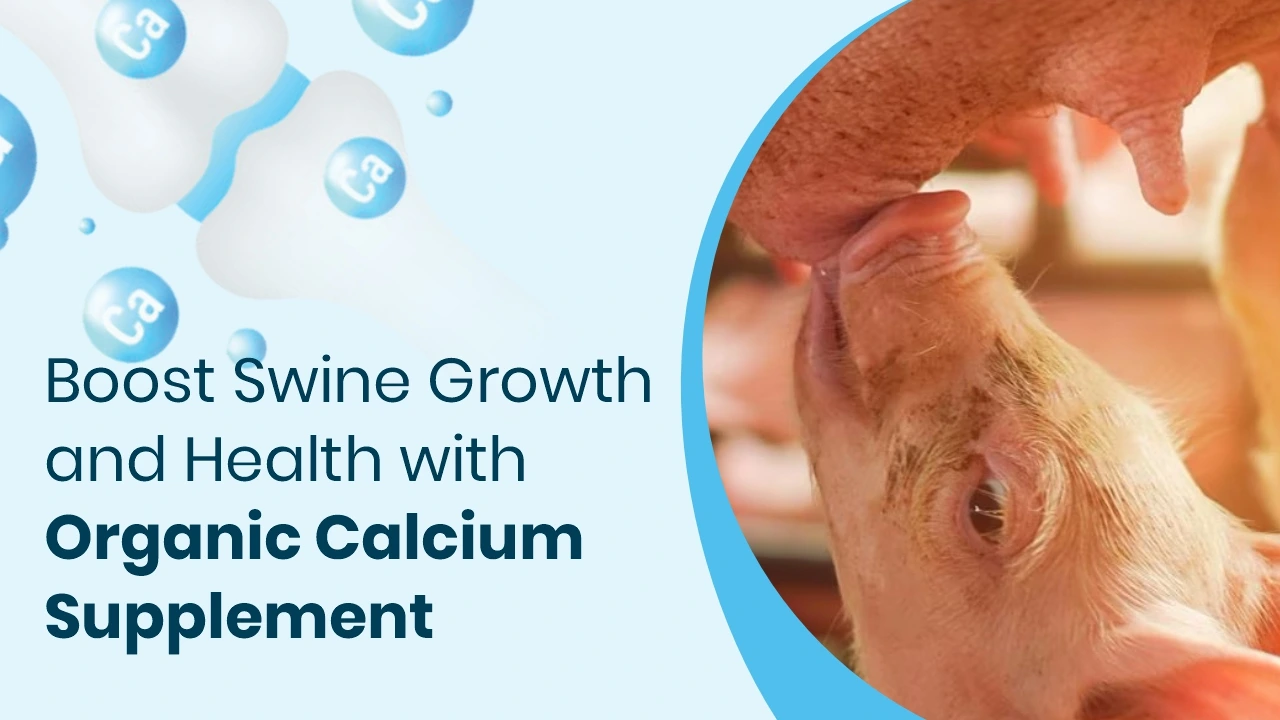
Boost Swine Growth and Health with Organic Calcium Supplement

Minerals and vitamins play a vital role in raising healthy and productive pigs. For pigs, some crucial minerals include calcium, phosphorus, and zinc. Calcium is one of the essential minerals required for growth, bone strength, reproductive health, immune function, and the overall health of pigs. Low calcium intake through diet also affects the pig’s overall health and causes economic loss. Hence, it is crucial to fulfil the demand for calcium requirements at each developmental stage of a pig. Dietary calcium and phosphorus deficiencies affect the thickness of long bones and bone ash content. Growing pigs have a higher mineral requirement than adults, with no difference between the sexes. Calcium plays an important role in sows during gestation and lactation. However, not all calcium sources show maximum bioavailability and absorption in the body. Therefore, supplementation of calcium with maximum bioavailability is important in pigs.

Calcium Requirements In Pig Feed:

The National Research Council (NRC) estimates that 0.6% calcium and 0.5% phosphorus are needed for pigs weighing between 20 and 50 kg. A calcium and phosphorus inclusion of 0.10–0.15% in the meal should be sufficient. Sows require additional calcium during their pregnancies. Every fifteen to twenty days during pregnancy, a litter’s overall mineral content requirements double. Over 50% of the total amount of minerals needed is in the last two weeks of gestation. To reduce the sow’s mineral shortage, highly soluble calcium sources should be provided.

Calcium requirements in pig feed for optimal growth and bone health – Vinayak Ingredients.

Importance Of Calcium At Each Developmental Stages Of Pig

  1. Piglets: calcium supports their fast-growing bodies with the necessary minerals to build strong bones and muscles, setting them up for healthier weight gains and an enhanced immune system.
  2. Growing Pigs: During the growth stage, pigs need large amounts of calcium to support their rapid development. It helps them reach optimal weights faster but also ensures balanced bone density, helping prevent fractures or other skeletal issues. It also supports blood clotting functions in response to any injury.
  3. Breeding Sows: Calcium provides a more efficient source, helping support reproductive health, ensuring sufficient milk calcium content, and reducing the risk of bone depletion. Manipulation of calcium supplementation right before and after farrowing can increase milk yield during the first week of lactation. Calcium ions play a crucial role in regulating muscle contractility, with contractions induced and prolonged by an increased calcium concentration. Sows have a greater demand for calcium due to the requirement of larger litter sizes and increased milk yield. Supplementing calcium in feed significantly reduces the number of stillbirths and reduces the average farrowing duration of young sows.
  4. Older Pigs: As pigs age, calcium ensures that they maintain bone strength and mobility, reducing joint stress and improving quality of life.

Choose Organic Calcium for Maximum Bioavailability

Bioavailability is defined as the proportion of a substance that enters the circulation when introduced into the body and so is able to have an active effect. Traditional inorganic calcium supplements, such as limestone, dicalcium phosphate, tricalcium phosphate, and calcium carbonate, have been used in pig industry, but they often fall short in terms of bioavailability. Due to this, much of the calcium passes directly through the digestive system without being fully absorbed. That’s where organic calcium sources should be considered by the farmer for pig health, providing superior bioavailability and consistent benefits across all age groups. Diets formulated with plant-based ingredients must therefore be supplemented with calcium.

Organic calcium is bound to organic molecules, which makes it easier for the body to recognize and absorb. Studies have shown that calcium from organic sources like algae and marine minerals shows bioavailability up to 90 to 95%, which is significantly higher than inorganic sources like calcium carbonate. Absorbed calcium goes directly into supporting skeletal development, muscle function, and even metabolic processes and leaves less waste behind. As more farmers turn towards sustainable and natural solutions, organic calcium stands out as a smart choice that promotes not only animal welfare but also farm profitability.

Benefits Of Calcium Bioavailability In Pigs:

Benefits of calcium bioavailability in pigs for improved bone strength and growth – Vinayak Ingredients

CALSOW PLUS

CALSOW PLUS is a perfect combination of organic calcium supplements for a quick and long-lasting effect, enhanced with organic sources of calcium, to prevent and treat a decline in milk production in swine. With its high bioavailability, organic calcium meets the needs of pigs across all life stages, supporting growth, skeletal health, and reproductive function more effectively than inorganic options. It also provides the benefits of added glucogenic precursors to prevent energy imbalance during pregnancy and lactation.

BENEFITS:

  • Ensures higher bioavailability
  • Enhances milk production
  • Improves bone development
  • Provides energy to sows during farrowing
  • Helps to reduce the number of stillbirths
  • Reduces the average farrowing duration of young sows
  • Strengthens immune system
  • Maintains better growth


“Embrace the benefits of organic calcium for a healthier, stronger, and more productive swine” aquaculture with Pelletovin’

*References on request*
Baking with Nature: Natural Colors for Vibrant Cakes

Baking with Nature Natural Colors for Vibrant Cakes

Baking with Nature: Natural Colors for Vibrant Cakes

Clean-label and natural products are changing the baking game. A quick shift towards healthier alternatives with natural ingredients can improve the quality of the product without compromising on cost. Natural food colour manufacturers are driving transformation with this shift in interest. Another strategic tactic that can be adopted by bakeries, confectionery producers and food service providers would be choosing natural colours over synthetic ones to create better quality products and to appease health-conscious and environmentally conscious consumers.

In this blog, we’ll explore four key natural colourants: Gardenia blue, anthocyanin, beta carotene, and chlorophyll, and how they are shaping the B2B baking landscape.

Understanding Natural Colors in Baking

Natural colors from fruits, vegetables, and other natural sources, such as those below, deliver bright, lively hues to baked goods. These colors meet the growing demand for naturally sourced and minimally processed ingredients while giving baking businesses a advantage in competitive markets.

These pigments interact with temperature changes when baking to form precise shades that enhance the product’s visual appeal. For example, beta carotene gives a warm yellow colour, which might be perfect for carrot cakes and autumn bakes, or chlorophyll, a fresh green that looks great on pistachio-inspired cupcakes or those with a nature theme.

Beyond aesthetics, natural colors add value as a response to consumer demand for healthier and more sustainable options. They also place businesses in an innovative light that reflects current trends.

Natural Colors in the Bakery Sector

Gardenia Blue

This vibrant blue colour is extracted from the Gardenia fruit and brings stunning visual appeal to celebratory cakes, novelty cupcakes, fondants and sprinkles. Perfect for festive events or themed products, Gardenia Blue keeps baked goods in the spotlight and catches the attention of the customer’s eye, particularly in markets where they target events and specialty products.

Anthocyanin

Extracted from fruit extracts like blueberries and blackberries, anthocyanin offers the richest shades of purple and blue, perfect for seasonal bakes or berry-flavoured bakes. Very ideal for Valentine’s Day cupcakes, Christmas rum cakes, or even royal-inspired designs. Beyond aesthetics, antioxidants associated with anthocyanin make it a good popular choice for health-conscious consumers.

Beta Carotene

Beta carotene imparts a warm, rich yellow colour, especially good for carrot cakes, sweet treats around autumn, and lemon teacake. The nutritional value along with good performance in baking mixes, frostings, and creams make it an excellent choice for as well as gourmet baked goods. 

Chlorophyll

Chlorophyll is the natural pigment that contributes a fresh and bright green hue to baked goods. It’s perfect for nature-inspired desserts such as pistachio cake, mint-flavoured cupcakes, or citrus-accented frosting. Chlorophyll is ideal for niche markets, as it stands well alone or with new innovative flavour profiles that could result in unique offerings.

Benefits for Businesses Having Natural Colors

Responding to Consumer Demands

Natural colors fit perfectly with consumer demand for natural ingredients, catering to health-conscious consumers.

Product Differentiation

Bright and natural shades lend more value to baked goods, as those brightened in that way are considered better, therefore commanding a price in the premium and speciality sectors.

Regulatory Compliance

Natural colours are often easier to comply with international regulatory standards than synthetic dyes, creating a smoother go-through for international trade.

Brand Identity Enhancement

The inclusion of natural ingredients reinforces a brand commitment to sustainability and wellness, a value appreciated globally.

Conclusion

Natural colours have transformed from a fad in the B2B bakery sector to an absolute requirement for a B2B player as market dynamics keep shifting. Gardenia blue for premium celebration cakes, beta carotene for health-conscious appeal in teacakes, or the fresh vibrancy of chlorophyll for unique creations – natural colours give baked goods that much more quality and desirability. In search of a reliable partner for natural colour solutions? Vinayak Ingredients provides a wide range of superior, plant-based colorants specifically designed for use in the bakery industry.