icon-globe
Search Connect with us

Enhance Poultry Meat Texture and Tenderness with TENDERO!

The growing demand for high-quality poultry meat has led to genetic selection for fast-growing broilers. This enhances body weight and FCR, boosting the profitability and productivity of farmers. However, intensive selection can impact muscle structure and metabolism, leading to muscle myopathies that compromise meat tenderness and texture.

Factors like low oxygen, oxidative stress, and disturbed homeostasis, contribute to muscle myopathies. These conditions lead to inflammation, myodegeneration, fibrosis, and lipidosis. Muscle myopathies not only affect the economic aspect of the poultry industry due to the removal of affected parts but also reduce meat quality, making it tougher and less desirable. Kuttappan et al. (2016) reported that the percentage of broilers with WS or WB was as high as 90%, causing an economic loss of about $200 million to $1 billion per year to the U.S. poultry industry.

Muscle Myopathies That Affect Tenderness

These abnormalities lead to tougher, lower-quality meat:
• White Striping (WS) meat – Characterized by white streaks of fat that interfere with the meat’s natural texture.
• Wooden Breast (WB) – Identified by pale, bulging areas with significant hardness, making the meat stiff and chewy.
• Spaghetti Meat (SM) – Causes muscle fibers to separate, resulting in a mushy, fibrous texture.

Effects of muscle myopathies on meat quality, texture, and appearance in poultry and livestock – Vinayak Ingredients.

Impact of Muscle Myopathies on Meat

• Poor meat texture and undesirable visual appearance.
• Lower sensory qualities affecting consumer preference.
• Reduced protein content and increased fat and moisture levels.
• Higher final pH affecting processing efficiency.

With muscle myopathies reducing meat quality and increasing losses, producers need a reliable solution to maintain profitability and consumer trust. TENDERO is a novel poultry feed additive that improves meat texture and tenderness eventually reducing losses.
TENDERO is a combination of phyto-actives that reduces muscle stiffness, enhances protein balance, and improves meat texture. It is an effective dietary supplement for broiler production systems, providing chicken meat free of abnormalities like woody breast, white striping, and spaghetti meat.

How Does TENDERO Work?

Muscular abnormalities show a common mechanism, often leading to tougher meat with higher fat content and lower protein levels. TENDERO acts as an amino acid optimizer, enhancing protein accretion and composition. It reduces muscle protein degradation, leaving less space for fat accumulation. This results in the improved texture of meat, protein-lipid-water interactions enhancing tenderness, and firmer yet tender meat retaining its nutritional value.

Benefits of Tendero for improving meat quality and texture – Vinayak Ingredients

By using TENDERO, farmers can enhance meat tenderness, making it more appealing to consumers while significantly reducing economic losses.

Better texture, better tenderness, better nutrition—experience the TENDERO difference!


*References on Request*

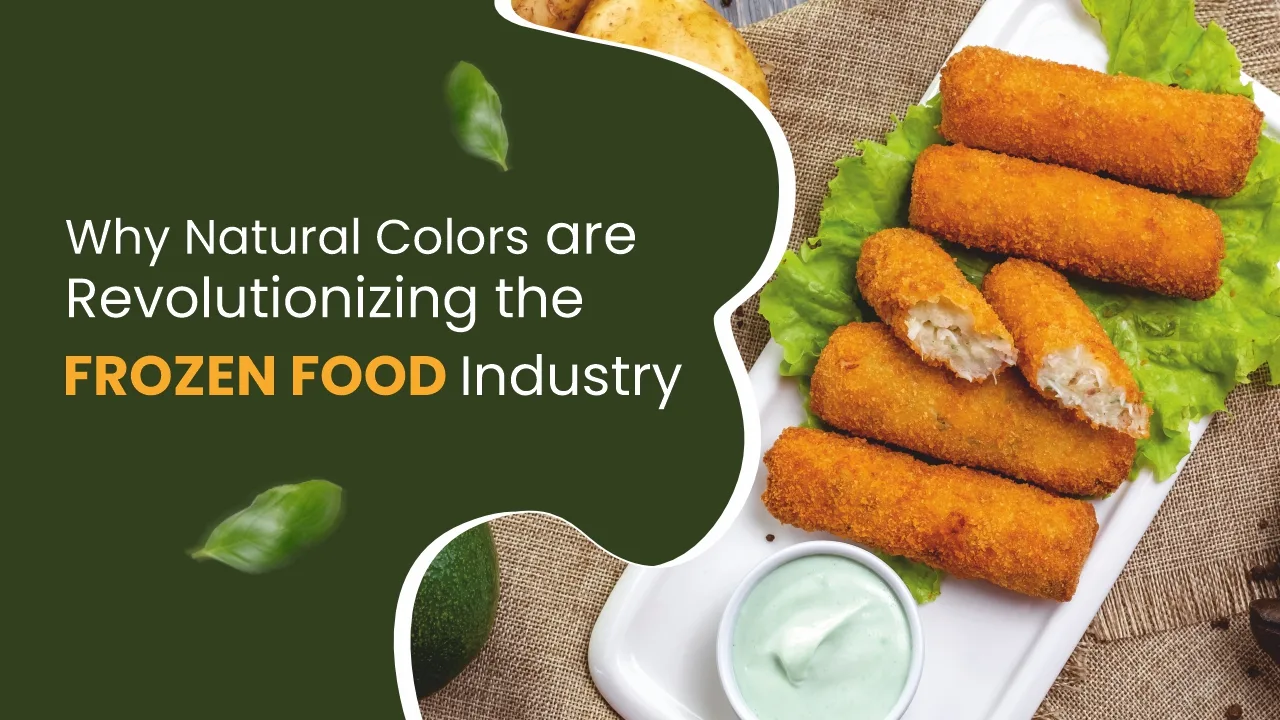
Why Natural Colours Are Revolutionizing the Frozen Food Industry

The frozen food segment is growing significantly as consumers increasingly demand convenient food options. Along with this comes more focus and scrutiny on the ingredients present in these packaged foods. One of the most evident changes in this industry is the transition from synthetic colours to Natural Colour for Frozen Food.

Natural Colour not only enhances the visual appeal of frozen foods but also aligns with the growing trend of healthier and more natural ingredients. Unlike artificial colours, which are chemically produced, Natural Colour is derived from plants, fruits, vegetables, herbs, and algae—making it a healthier and more environmentally friendly alternative.

As health concerns increase and regulations on synthetic dyes become stricter, food producers are using Natural Colour for Frozen Food to address market demand.

What Are Natural Colours?

Definition, Origin, and Natural vs. Artificial Colours Differences

Natural Colour  is extracted from plant sources, with a few animal and mineral origin pigments. They provide a safer and more natural substitute for artificial food dyes, giving frozen foods a realistic appearance. In contrast to Natural Colour ones may provide greater stability, but natural alternatives are preferred for their health benefits, environmental advantages, and growing consumer demand for clean-label products. Consequently, food companies are turning towards Natural Colour for Frozen Food solutions to address these demands.

Why Are Natural Colours Gaining Popularity in Frozen Foods?

Rising Consumer Interest in Clean-Label Foods

Today’s consumers prioritize convenience without compromising on quality. Frozen foods offer an easy and time-saving solution for busy lifestyles while still allowing individuals to enjoy nutritious and flavorful meals. As people become more conscious of their dietary choices, they seek products made with natural, recognizable ingredients, reinforcing the demand for Natural Colour for Frozen Food over synthetic additives.

Safety and Health Issues with Synthetic Colours

Synthetic dyes have been associated with allergies, childhood hyperactivity, and other health issues. Consumers increasingly seek products that do not include synthetic colourings, so Natural Colour appeals to them. For example, erythrosine has been linked with tumors in rats.

Regulatory Restrictions on Artificial Colours

Some nations have outlawed or restricted synthetic food colourings due to health concerns. Food manufacturers are turning to Natural Colour for Frozen Food to meet these regulatory requirements while maintaining product quality. The U.S. Food and Drug Administration (FDA) recently prohibited Red No. 3 food colouring due to its potential health risks, including a cancer link in tests on laboratory animals. This global trend towards cleaner, natural alternatives is why food manufacturers need to switch to Natural Colour.

Which Natural Colours Are Used in Frozen Foods?

Natural Colour for Frozen Food is derived from several sources, each providing a distinctive colour appearance:

• Beetroot Extract – Provides bright pink to pastel colours.
• Annatto & Turmeric – Gives yellow to orange colour.
• Paprika & Carrot Extract – Adds a warm orange colour.
• TiO₂ Replacer (Mystical White) – Enhances the white appearance of meat in chicken nuggets.

These pigments not only improve the visual appeal of frozen foods but also provide health benefits. For instance, turmeric has antioxidants that promote good health.

Do Natural Colours Give Better Colours to Frozen Foods Compared to Artificial Colours?

Natural Colour imparts a natural and timeless appearance. Although artificial colours have traditionally been more stable, advancements in food technology have enabled Natural Colour for Frozen Food to be just as bright and durable. When properly formulated and encapsulated, Natural Colours remain vibrant and consistent even after freezing and thawing.

Challenges of Using Natural Colours in Frozen Food

Despite its many advantages, Natural Colour in Frozen Food comes with certain challenges. It is temperature-sensitive and requires specialized stabilization techniques to maintain its brightness. Additionally, Natural Colour can be costlier than synthetic alternatives, impacting production expenses. However, advancements in food stabilization and encapsulation technology are continuously improving its stability and making it a more viable solution for frozen food applications.

Benefits of Natural Colours in Frozen Foods

• Non-toxic and safe – Free of harmful synthetic chemicals, ensuring product safety.
• Enhances brand reputation – Clean-label products are increasingly preferred by health-conscious consumers.
• Meets regulatory standards – Natural Colour for Frozen Food complies with global food safety regulations.

Where to Bulk Order Natural Colours for Frozen Foods?

When sourcing Natural Colour for Frozen Food in bulk, choosing a reputable supplier is crucial. Look for manufacturers that offer high-quality, stable formulations designed for frozen foods.

For premium Natural Colour for Frozen Food, contact Vinayak Ingredients at sales@vinayakcorporation.com or call +91 9167676662.

Conclusion

The frozen food market is shifting towards Natural Colour for Frozen Food as a healthier and more sustainable alternative to artificial dyes. As consumer awareness grows, food safety regulations tighten, and food technology advances, Natural Colour is becoming the industry norm. These colours improve the appearance of frozen foods while aligning with clean-label and health-conscious trends, making them a valuable investment for food companies.

Cryptosporidiosis: A Hidden Threat to Calves and How to Combat It

Farmers are generally familiar with diarrhea caused by bacteria like E. coli or viruses. In contrast, parasitic illnesses such as Cryptosporidiosis (crypto) are less well-known, even though Cryptosporidium parvum is a common disease in calves. Cryptosporidiosis is likely the most infectious agent causing calf scours on farms due to its incidence, universality, environmental resilience, and low infective dosage. Cryptosporidiosis is now recognized as endemic in cattle worldwide and is one of the most important causes of neonatal enteritis in calves globally. The economic losses associated with bovine cryptosporidiosis include the cost of treating and managing enteritis, reduced feed conversion and production efficiency, and losses due to mortality. A recent study found that dairy calves infected with C. parvum between 3 days and 3 weeks of age incurred an average cost of €40 (~£35/$43) per calf.

What Is Cryptosporidium Parvum?

Cryptosporidium parvum is a protozoan parasite that causes cryptosporidiosis in cattle, primarily affecting young calves. Four species of Cryptosporidium are commonly found in cattle: C. parvumC. bovisC. ryanae, and C. andersoni, but only C. parvum is associated with clinical disease in neonatal calves, with older animals (> 6 weeks) exhibiting asymptomatic shedding of oocysts.

Facts About Bovine Cryptosporidiosis

  • Mainly affects calves (especially those under 4 weeks old)
  • Causes severe watery diarrhea, leading to dehydration and weakness
  • Spreads through feces-contaminated water, feed, or environment
  • No specific treatment is available; management focuses on supportive care and hydration.

Life Cycle of Cryptosporidium Parvum

Life cycle of Cryptosporidium parvum and its impact on animal health – Vinayak Ingredients.

Infected calves shed millions of parasites into the environment, as the parasite’s life cycle allows it to multiply rapidly. This leads to very high levels of oocysts in the environment, which is a source of infection for young animals in that environment.

Current Control Measures for Bovine Cryptosporidiosis

Cryptosporidiosis is a difficult disease to control because of environmentally stable oocysts, low infective doses, high levels of excreted sporulated oocysts, and rapid transmission of infection to a group of susceptible hosts very quickly. The oocysts are resistant to many disinfectants; there are no vaccines available to prevent the disease, and available treatment options are limited and often rely on rehydration therapy. However, crypto-related scour can add thousands in treatment costs, added labor, and reduced feed efficiency and performance.

Among the various solutions available for managing cryptosporidiosis in cattle, natural plant-based phytogenic solutions have emerged as a more effective and sustainable alternative. Unlike conventional treatments, which may have limitations such as drug resistance or environmental concerns, phytogenic solutions may offer a natural and holistic way to improve gut health, enhance immunity, and support faster recovery in infected calves.

Effect of Phytogenic Feed Additives from Studies

Natural compounds such as plant secondary metabolites showed a wide range of beneficial effects on animal health. Polyphenols, a group of plant secondary metabolites, have been postulated for their antibloat qualities, improved nitrogen utilization, reduced methane generation, and anti-helminthic effects. Previous studies reported that polyphenolic compounds or polyphenol-rich plant extracts suppress experimentally induced inflammation processes, especially in the gut. The ability to activate several antioxidant enzymes by polyphenols could also be an explanation for the results found in the various studies.


Cryptorid logo – Vinayak Ingredients' solution for Cryptosporidium control.


Cryptorid is a specially formulated, non-antibiotic animal feed supplement designed to prevent bacterial scours and disrupt the lifecycle of Cryptosporidium, which reduces the risk of cryptosporidiosis in calves. It contains a blend of plant extracts rich in phenolic compounds, including tannins, flavonoids, isoflavones, and phenolic acids, which work synergistically to enhance calf performance, support gut health, and effectively control diarrhea.

BENEFITS
  1. Disrupts the lifecycle of Cryptosporidium
  2. Reduces oocyst shedding
  3. Boosts immunity in juvenile
  4. Strengthens and protects the villous lining of the intestinal epithelium
  5. Antioxidant and Anti-inflammatory properties to strengthen the defense system


“Crypto-Free Calves – Naturally”

*References on request

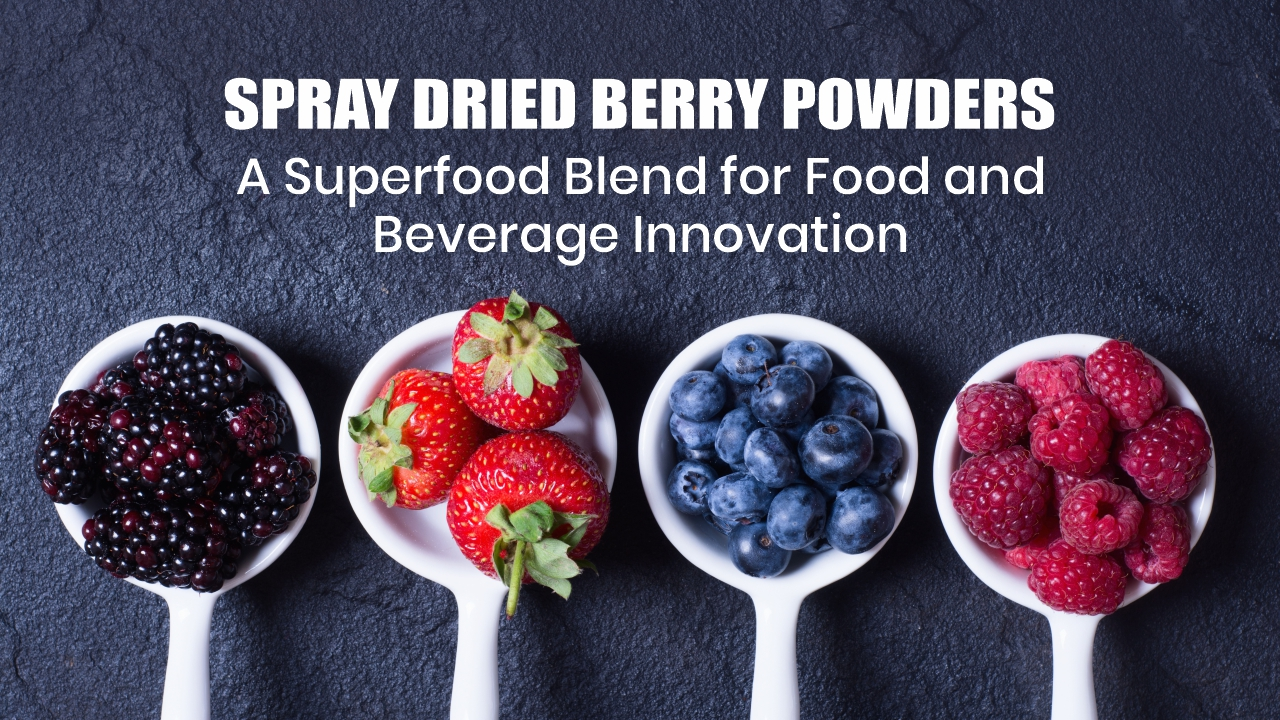
Spray Dried Berry Powders: A Superfood Blend for Food and Beverage Innovation

Berries have long been celebrated for their bold flavors and high nutritional value. Advances in food technology have made Spray Dried Berry Powder a highly convenient and versatile way to incorporate the benefits of berries into a variety of food and beverage products. Our premium blend combines five nutrient-rich berries—strawberry, raspberry, acai berry, blueberry, and blackberry—offering a shelf-stable and nutrient-dense solution for manufacturers.

Why Is Spray Dried Berry Powder an Innovation in the Food Industry?

Produced using an advanced spray drying process, these berry powders retain the vibrant color, intense fruit flavour, and nutritional integrity of fresh berries while significantly extending shelf life without refrigeration. Their versatility makes them an ideal ingredient for dairy-based products, smoothies, baked goods, and functional beverages. As leading Spray Dried Berry Powder Manufacturers, we ensure that each batch meets the highest quality and sustainability standards, providing a reliable solution for food and beverage innovation.

Health Benefits of Our Super Red Berry Blend

Our blend of five powerful berries delivers a unique combination of antioxidants, vitamins, and minerals:

● Strawberry Powder – Rich in vitamin C, it supports immune health, collagen production, and skin vitality.
● Raspberry Powder – High in fiber and antioxidants, it promotes gut health, regulates blood sugar, and supports heart health.
● Acai Berry Powder – Known for its antioxidant power, acai berries contribute to cardiovascular health and circulation.
● Blueberry Powder – Recognized for enhancing cognitive function and eye health, thanks to its rich vitamin content.
● Blackberry Powder – Contains manganese, fiber, and vitamin K, supporting bone strength, metabolism, and digestive health.

Sustainable Spray Drying for High-Quality Berry Powders

At Vinayak Ingredients, we are committed to sustainable food production and ethical sourcing. Our berry powders are derived from high-quality, farm-fresh berries and undergo precision spray drying to preserve their sensory and nutritional properties while reducing food waste. By choosing our Spray Dried Berry Powders, food manufacturers contribute to an eco-friendly supply chain with a reduced carbon footprint.

Versatile Applications of Spray Dried Berry Powders in Food and Beverages

One of the key advantages of Spray Dried Berry Powders is their ability to enhance both the flavour and colour of various products. These powders are widely used in powdered beverages, sports nutrition formulas, and dietary supplements. Their solubility and natural sweetness make them perfect for smoothies, functional drinks, and fruit-based formulations. Beyond Berry Powder for Beverages, they are also ideal for desserts, sauces, yoghurts, ice creams, and snack products such as granola bars, energy bites, and flavoured seasonings. The rich berry essence makes them a unique addition to coffee blends and gourmet rice cakes, expanding their use across diverse product categories.

Why Choose Our Spray Dried Berry Powder Blend?

At Vinayak Ingredients, we prioritize quality, innovation, and sustainability, ensuring our spray-dried berry powder deliver the essence of fresh berries in a convenient, shelf-stable form. Our powders offer excellent solubility, vibrant colour, and a naturally rich taste, making them an ideal replacement for artificial additives. Their clean-label appeal, extended shelf life, and ease of use provide manufacturers with a simple yet effective solution for product development. As trusted Spray Dried Berry Powder Manufacturers, we take pride in offering superior products that enhance food and beverage formulations.

Final Thoughts: A Natural and Versatile Superfood Ingredient

With their ability to deliver natural flavour, colour, and nutrients in a stable and convenient format, Spray Dried Berry Powders are revolutionizing the food and beverage industry. Whether used in Berry Powder for Beverages, baked goods, sports nutrition, or dairy applications, they provide a powerful, natural solution for modern product innovation. Our high-quality spray-dried fruit powders offer a perfect balance of taste, nutrition, and functionality, making them an essential ingredient for brands focused on quality and consumer health.

Overcoming Pellet Durability and Feed Efficiency Challenges in Poultry Farming with ULTRAPELL

In poultry farming, feed quality is important in ensuring the ideal growth, health, and productivity. Proper feed particle size is crucial for optimal digestion and gut development. Whole grain feed causes uneven nutrient intake, lower digestibility, and potential mycotoxin contamination. Mash feed is dusty, leading to high wastage, selective feeding, and poor nutrient absorption. Also, fine particles pass quickly through the gizzard with minimal grinding, resulting in a smaller gizzard, an enlarged proventriculus, and reduced intestinal length eventually reducing their exposure to digestive enzymes. As birds grow consumption of fine particles becomes difficult. This may result in an incomplete nutrient breakdown, negatively affecting FCR. Hence, pelleting is used to obtain the desired feed particle size required for poultry of a specific age.

Pelleting compacts feed particles, ensuring uniformity and reducing nutrient loss. It ensures optimum nutrition intake by minimizing ingredient disintegration and promoting uniform distribution. Pellet binds the fine particles to stimulate gizzard activity, improving feed utilization, growth performance, immunity, and gut health. It reduces wastage, and selective eating behavior, and improves feed efficiency, handling, and storage stability.

Maintaining pellet quality is important for poultry productivity and profitability. Various factors, such as feed formulation, processing conditions, and post-processing practices, can affect the production of high-quality, durable pellets.

Need of Pellet Binder

Coarse particles, Insufficient conditioning, excessive fats and oils, incorrect die configuration, or inadequate pressure significantly affect production and enhance animal productivity. In order to minimize these consequences pellet binders are used.

Key factors affecting pellet quality in animal feed production – Vinayak Ingredients.

Pellet binders ensure the pellet remains intact, durable, and nutritionally effective throughout processing and transportation. It also improves the pellet durability index, ensures effective binding of raw materials, and minimizes fine particles and moisture retention eventually improving digestion, nutrition absorption, and bird performance.

Traditionally, synthetic binders like polymethyl carbamide (PMC) have been widely used to strengthen pellets. However, with growing concerns about sustainability, performance efficiency, and cost-effectiveness, Ultrapell can be considered a viable organic alternative to synthetic binders.

Ultrapell: The Natural Solution for Superior Pelleting

Ultrapell is an organic pellet binder specifically designed for poultry feed processing. It is a thermo-reactive binder that is stable at room temperature and therefore will mix well with other feed ingredients. Once the feed mix is exposed to moisture and heat in the conditioner, this organic feed binder binds other feed ingredients. It enhances pelleting capacity and reduces energy consumption at the feed mills.

Ultrapell significantly reduces dustiness and dry matter loss from feed. It improves pellet durability compared to synthetic binders and the control group.

Benefits of Ultrapell

  • Improves pellet durability and stability.
  • Easily distributed in feed.
  • Improves transportation convince.
  • Prevents particle disintegration.
  • Supports higher production and lower energy consumption.
  • Reduces waste.

For poultry farmers to improve feed stability, nutrient retention, and profitability, Ultrapell is the ultimate natural solution for durable pellet quality.

*References on Request*

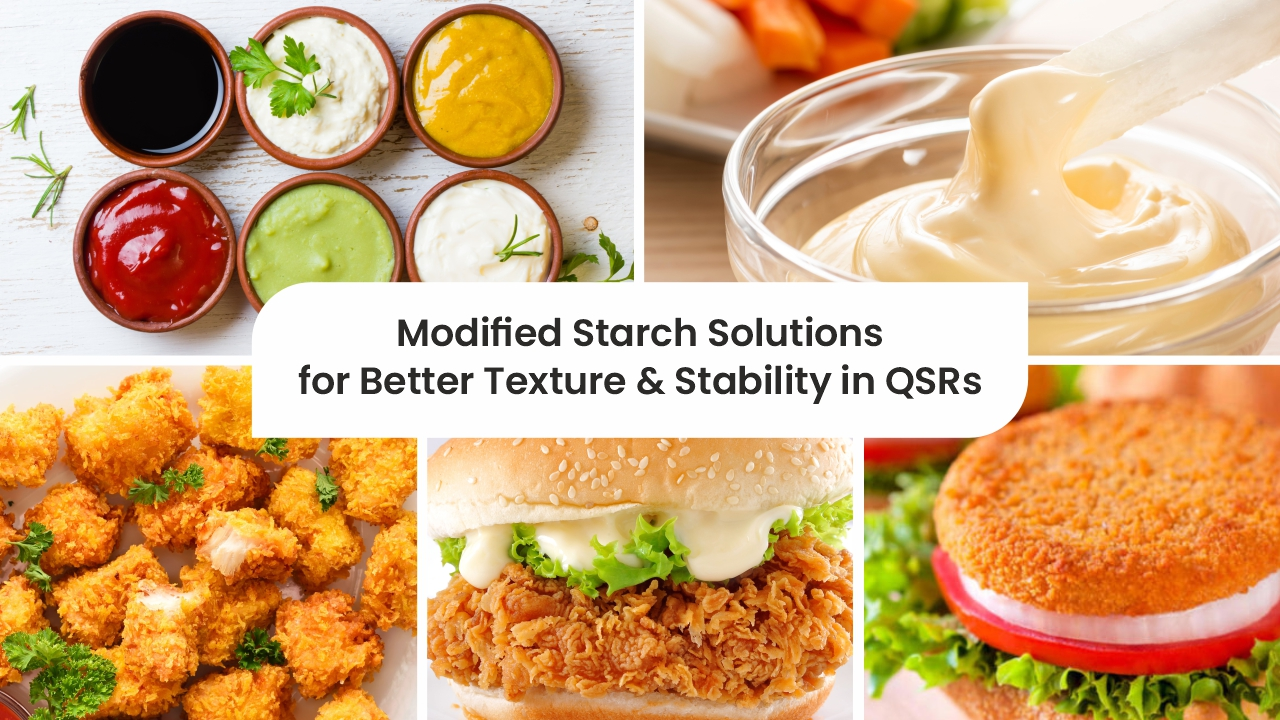
Modified Starch Solutions for Better Texture & Stability in QSRs

Introduction: The Science Behind Perfect QSR Foods

Food quality, consistency, and efficiency are crucial in the fast-paced world of Quick-Service Restaurants (QSRs). Every element, from crispy coatings on fried foods to smooth and stable sauces, delivers the perfect customer experience. Tapioca modified starch is an essential ingredient solution for achieving the right texture and stability in QSR foods. It plays a key role in optimizing formulations by enhancing texture, facilitating easy processing, and increasing shelf life.

The Role of Modified Starch in QSR Applications

Modified Starch for QSR contributes significantly to food formulations by improving texture, stability, and processing efficiency. In sauces and gravies, it enhances viscosity, ensuring a thick, smooth consistency without unwanted separation. In mayonnaise and emulsified sauces, it helps maintain a rich and creamy texture, preventing phase separation and extending product stability.

Modified Starches for frozen food are crucial for batter and coated products like nuggets and other fried snacks, ensuring a crisp and light texture while reducing oil uptake in doughnuts. In burger patties and nuggets, they help retain moisture, preventing dryness when frozen and reheated. For QSR brands, sourcing from leading tapioca starch manufacturers ensures consistent consumer expectations are met in food products.

To cater to these needs, Vinayak Ingredients offers solutions like Hydenso, which improves moisture retention in frozen products, Crispofy for enhancing the crispiness of coatings, and Vin*SOS, which helps maintain the stability of emulsified products.

Practical Applications of Modified Starch in QSR Foods

Achieving Perfect Consistency in Sauces & Gravies

A good sauce must be thixotropic—well-thickened, stable, and resistant to syneresis or separation under different storage conditions and temperatures. High-performance Tapioca modified starch provides excellent stability to heat, ensuring sauces maintain consistency even after extended refrigeration or heat treatment. It also improves texture and enhances mouthfeel, eliminating undesirable graininess or wateriness.

QSRs will benefit significantly from using Modified Starch for QSR to ensure long-lasting stability and increase the overall appeal of the final product.

Improved Stability in Mayonnaise & Emulsified Sauces

Mayonnaise and other emulsified sauces need strong water-binding properties to preserve their rich, creamy texture. The right formulation ensures optimal viscosity while reinforcing the stability of an emulsion to prevent breakdown over time. This is crucial for QSR chains that rely on bulk production and storage of condiments.

By incorporating Modified Starches for frozen food, QSR brands can ensure their sauces retain their desired quality even under fluctuating temperature conditions. Partnering with trusted tapioca starch manufacturers provides starch solutions that enhance emulsion stability and shelf life. Vin*SOS by Vinayak Ingredients is designed to maintain emulsion stability and extend shelf life in QSR sauces and dressings.

Crispiness that Lasts in Batter & Coating Systems

Achieving the perfect crispy texture on battered and coated foods is an ongoing challenge in the QSR industry. Advanced solutions help create a light, crispy exterior while improving batter adhesion and reducing sogginess. Some specialty starches even help manage oil uptake, which is especially beneficial for deep-fried items like doughnuts.

The use of Tapioca modified starch in batter and coating systems guarantees that fried food stays crispy for longer, creating a better-quality eating experience for consumers. Crispofy, a solution from Vinayak Ingredients, is designed to enhance the crispiness of coated and fried foods while reducing oil absorption.

Moisture Retention in Patties: Prevent Dryness

One of the biggest challenges in QSR burger patties and nuggets is moisture evaporation, which causes dry, less appealing products. Modified Starches for frozen food retain water inside the patty structure, ensuring juiciness even after cooking and extended holding times.

This is especially important for frozen and pre-cooked QSR products, as they must maintain their consistency and texture when reheated. Hydenso, a thickening and water-binding solution, enhances the texture and moisture retention of frozen and plant-based patties.

The Future of QSR Food Innovation with Modified Starch

QSR brands are looking for ingredient innovations that improve texture, stability, and overall product appeal while keeping up with consumer preferences. Modern Modified Starch for QSR solutions help brands create premium food products that meet these demands while remaining affordable.

Modified starch enables food manufacturers to produce superior-quality products without compromising on the clean-label trend. Furthermore, Modified Starches for frozen food cater to the increasing demand for convenient, ready-to-cook meal solutions that offer restaurant-quality outcomes at home. Partnering with leading tapioca starch manufacturers gives QSR brands access to smart ingredient solutions that improve efficiency, consistency, and customer satisfaction.

Conclusion: Texture & Stability Enhancement in QSRs with Vinayak

The right Modified Starch for QSR solution is critical in delivering the right texture and stability across various QSR applications. Whether it’s smooth, consistent sauces, stable emulsions in mayonnaise, crispy coatings on fried foods, or moisture retention in patties, Tapioca modified starch is the key to delivering high-quality products.

Partnering with the right starch experts helps ensure streamlined production, better shelf stability, and a superior customer experience. Vinayak Ingredients offers premium starch solutions such as Hydenso, Crispofy, and Vin*SOS to enhance food texture, improve processing efficiency, and maintain product integrity from preparation to consumption.

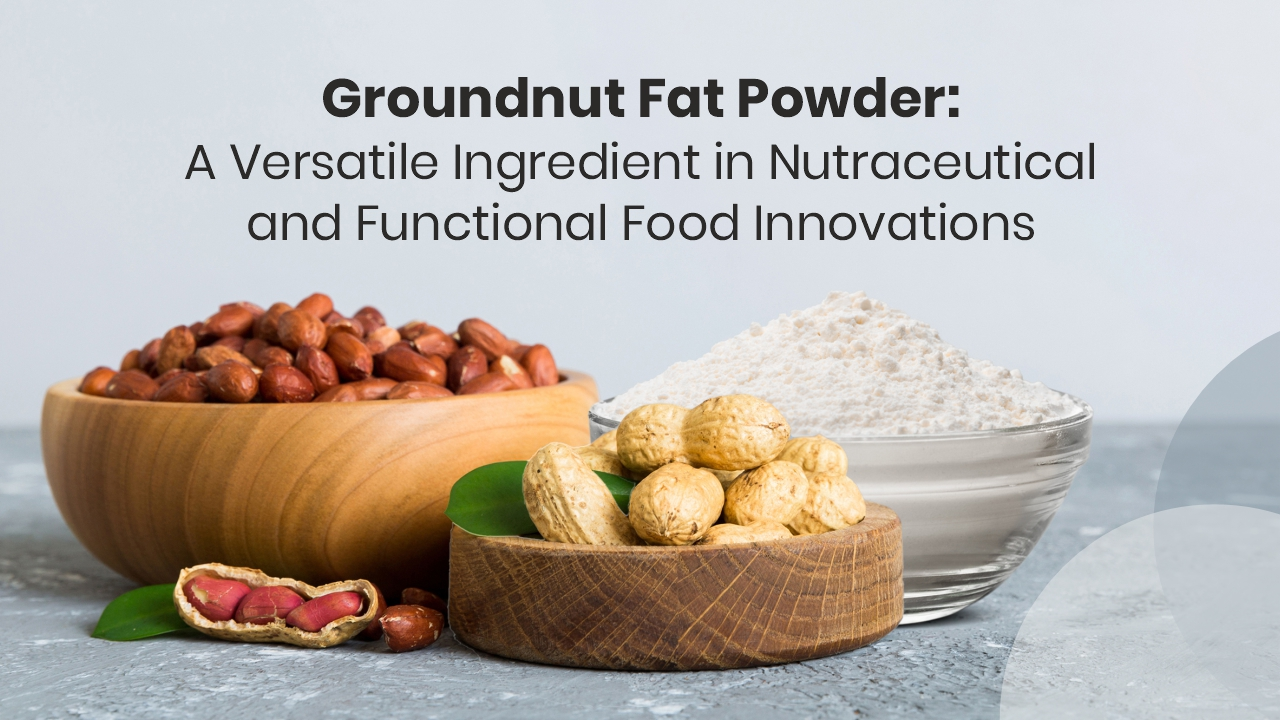
Groundnut Fat Powder: A Versatile Ingredient in Nutraceutical and Functional Food Innovations

Groundnut Fat Powder: A Versatile Ingredient in Nutraceutical and Functional Food Innovations

Since its acceptance as an additional source for healthy fats to form nutraceuticals increases their demand in modern times, groundnut fat powder is the recent versatile addition used in food functionalities and nutritional composition. Nutrients and natural functionality are preserved even after extended stabilization, whereas application in several processes like energy for sports activities through plant-based substitution can now ensure a considerable oxidation resistance together with longer shelf lives compared with conventionally sourced oil. Whether in meal replacements, fortified beverages, or confectionery, it is moulding the future of nutritional fat powders for health-conscious innovation in food and nutraceutical industries.

High-quality groundnut fat powder manufacturer for the nutraceutical and food industry, offering premium plant-based fat solutions for various applications.

What is Groundnut Fat Powder?

Groundnut Fat Powder is also known as Arachus Fat Powder and Peanut Fat Powder.

It is spray-dried fat powder derived from refined groundnut oil, in concentrated form providing the powdered material for healthy fats. High content of fat contributes toward effective formulations for nutritional usage in functional food products and dietary supplements.

Since the product differs significantly from standard oils, such nutritional fat powders are better positioned with enhanced stability, better ease of handling, and much more extended shelf life.

Nutritional Value

Adding Arachus Fat Powder in food and nutraceutical formulation has several advantages as follows:

  1. Healthy Fats Reservoir

Groundnuts contain a rich reserve of monounsaturated & polyunsaturated fatty acids (MUFA & PUFA). Such healthy fats will maintain proper cardiovascular health and lower the inflammation index. In fat powders, nutraceuticals focused on overall wellness must include these healthy fats.

  1. Rich in Vitamin E and Antioxidants

This fundamental ingredient in Arachus Fat Powder, Vitamin E acts like a natural antioxidant, assisting cells with dealing with oxidative stress and thereby supporting skin, immune and neurological health.

  1. Energy and Satiety

These types of nutri-fat powder like Arachus Fat Powder are used to manufacture high-energy meal replacements and nutritional supplements with greater endurance, and hence, to be used for better satiety during intake.

Functional Benefits in Food and Nutraceutical Applications

  1. Enhanced Shelf Stability and Oxidation Resistance

This is one of the main benefits of Arachus Fat Powder, which has less chance of oxidation, thus giving it less chance of rancidity and having longer shelf life in ready-to-eat meals, protein powders, and dry mix formulations.

  1. Smoother Mouthfeel and Texture

This nutri-fat powder can be added in bakery items, confectionary, and milk substitutes with the creamy mouthfeel without loss of stability that has made it an ideal constituent of functional food.

  1. Easy Handling and Water Dispersibility

Unlike liquid oils, the Arachus fat powder is water dispersible. It is used in instant beverage mixes, nutritional supplements, and milk substitutes very easily.

  1. Low Fat Product Application

Food manufacturers today are constantly moving towards lowering levels of trans fats without affecting taste and texture, and this support is brought forward by the development of Peanut Fat Powder towards food product manufacturing not using artificial stabilizers.

Uses

Groundnut Fat Powder is an ingredient with various functions, widely used in a number of formulations in various sectors:

  1. Nutraceuticals and Nutritional Supplements

It increases the absorption rate of fat-soluble vitamins and other bioactive compounds, therefore the health impact.

  1. Sports Nutrition and Energy Formulations

It is a significant component in sports drinks, endurance bars, and recovery shakes that provide sustained energy release.

Improves muscle function and metabolic effectiveness of athletes and active lifestyle individuals.

  1. Infant and Medical Nutrition

Formulation for infant formula and nutritional support for older adults: providing the essential fatty acids necessary for brain development and cognitive function;

Application in various medical nutrition diets of patients having a high calorie, easily absorbed nutritional source.

  1. Ready-to-drink beverage mixtures and functional food

Improvement of richness and stability in ready-to-drink coffee creamer, tea, health beverages etc. Buildup of nutritional intensification in ready-to-drink fortified beverages.

Why Groundnut Fat Powder Preferred by Food and Nutraceutical Companies

Producers typically choose Arachus Fat Powder when they need a low-cost performance-active ingredient that has stability. It has a long shelf life and low rancidity, hence, reduces storage problems and some supply chain issues. Preservation of the fat powder also ensures that necessary fatty acids and vitamins are preserved, giving maximum health effects. Its blending with both dry and semi-liquid formulations increases efficiency in the process overall.

Future Prospects: Increasing Demand for Nutritional Fat Powders

The international market for nutritional fat powders is expected to increase with the trend for healthy and conditionally fortified foods.

Key trends that shape this market are as follows:

  1. Increased Plant-Based Nutrition- Rise in the interest for vegan, lactose-free, and dairy alternative products.
  2. Health and wellness awareness among consumers to embrace heart-healthy fats and nutrient-dense formulations.
  3. Nutraceutical applications expanded to greater use in sports nutrition, clinical diets, and individualized nutrition solutions.


With its unique functional properties, nutritional benefits and application versatility, Peanut Fat Powder is in a prime position to be highly relevant in future health-driven food innovations.

Conclusion

The use of fat powders for nutraceuticals has been on an increasing trend owing to the rising demand for nutritionally balanced, functionally superior ingredients. Market demand for fat powders in nutraceuticals is developing at the fastest rate because of nutritionally balanced, performance-rich ingredients. Among these, groundnut fat powder has proven as an efficient and versatile solution, providing healthy fats, enhanced stability, improved sensory properties, and matches diverse nutritional and food applications.

Not only is it cost-effective, but it also serves as a high-quality alternative to liquid oils, making it an excellent choice for sports nutrition, bakery products, infant formulas, and dietary supplements. Its functional benefits make it an essential ingredient for modern food formulations. Looking ahead, nutritionists, formulators, and food manufacturers will increasingly turn to groundnut fat powder to create the next generation of functional foods and supplements as the demand for nutritional fat powders continues to rise.

Omega-3 Fortified Eggs for Superior Nutrition to Consumer

Production of eggs containing the desired content of omega 3 is expected to continuously increase in the future, reasonably due to increasing consumers’ demand for superior egg quality. As the most affordable protein source, individuals increasingly prefer to consume eggs. Hence, providing eggs with a higher content of Omega-3 polyunsaturated fatty acids (PUFAs) is the most convenient way to fulfill the nutritional demands of consumers. The three main omega-3 fatty acids are Alpha-linolenic acid, C18:3 n-3 (ALA), Eicosapentaenoic Acid, C20:5 n-3 (EPA), and Docosahexaenoic Acids, C22:6 n-3 (DHA). ALA is found mainly in plant oils such as flaxseed, soybean, and canola oils. DHA and EPA are found in fish and other seafood.

ROLE OF OMEGA-3 FATTY ACIDS

Omega-3 fatty acids support the proper functioning of every cell in the body. They’re a vital part of cell membranes, which help to provide structure and supporting interactions between cells. Omega-3s are highly concentrated in cells of the eyes and brain. In addition, they also provide the body with energy (calories) and support the health of many body systems. These include the cardiovascular system, endocrine system, immune system, etc.

Omega-3s are found naturally in some foods and are added to some fortified foods. You can get adequate amounts of omega-3s by eating a variety of foods, including the following:

  • Fish and other seafood (especially cold-water fatty fish, such as salmon, mackerel, tuna, herring, and sardines)
  • Nuts and seeds (such as flaxseed, chia seeds, and walnuts)
  • Plant oils (such as flaxseed oil, soybean oil, and canola oil)
  • Fortified foods (such as certain brands of eggs, yogurt, juices, milk, soy beverages, and infant formulas)

By integrating omega-3 fatty acids into layer bird diets, producers can achieve economic benefits through enhanced product quality, improved animal health, and access to premium market segments. Eggs can be designed through dietary approaches either by supplementation of specific nutrients, or certain herbs or specific drugs that have functional and therapeutic properties.

MANIPULATING THE HEN’S DIET: TO ACHIEVE THE DESIRED COMPOUNDS IN EGG.

The majority of birds and animals including human beings cannot synthesize these n-3 fatty acids, hence they are dietary essential. Enriching diets of layers with omega-3 precursors is the most effective strategy to enhance functional properties in eggs, and the overall performance of layer birds. The total fat content in the egg yolk cannot be altered but its fatty acid composition can be altered, by changing the type of supplements used in the hens’ diet.

BENEFITS OF OMEGA-3 FATTY ACIDS TO POULTRY

  • Increases essential polyunsaturated fatty acids (PUFA)
  • Improves the quality of egg
  • Increases egg mass
  • Decrease in saturated and trans fatty acids
  • Results in more than 3-fold increase in the omega-3 fatty acids content of eggs
  • Strong antioxidants prevent severe inflammation of the tissue
BENEFITS OF OMEGA-3 FATTY ACIDS TO CONSUMER
  • Supports brain and cardiovascular health
  • Reduces cholesterol and increases high-density lipoproteins (HDL)
  • Improves vision, skin, and immune system
  • Helps in Diabetes and Rheumatoid arthritis
  • Lowers triglyceride concentration
  • Stabilizes membrane structure
  • Improves immune strength
ALPHALINOMEGA

ALPHALINOMEGA is an omega fatty acid supplement for omega-fortified chicken and eggs. It is an innovative poultry feed supplement that contains major essential fatty acids and can be easily administered via water. The enrichment of omega-3 fatty acids in poultry is directly linked to the amount provided via diet. ALPHALINOMEGA also helps in the high absorption of omega fatty acids (up to 98%) and improves FCR, leading to better weight gain, and improved overall health of the poultry.

“Omega-3 enriched eggs: Better for hens, best for you!”

*References on request

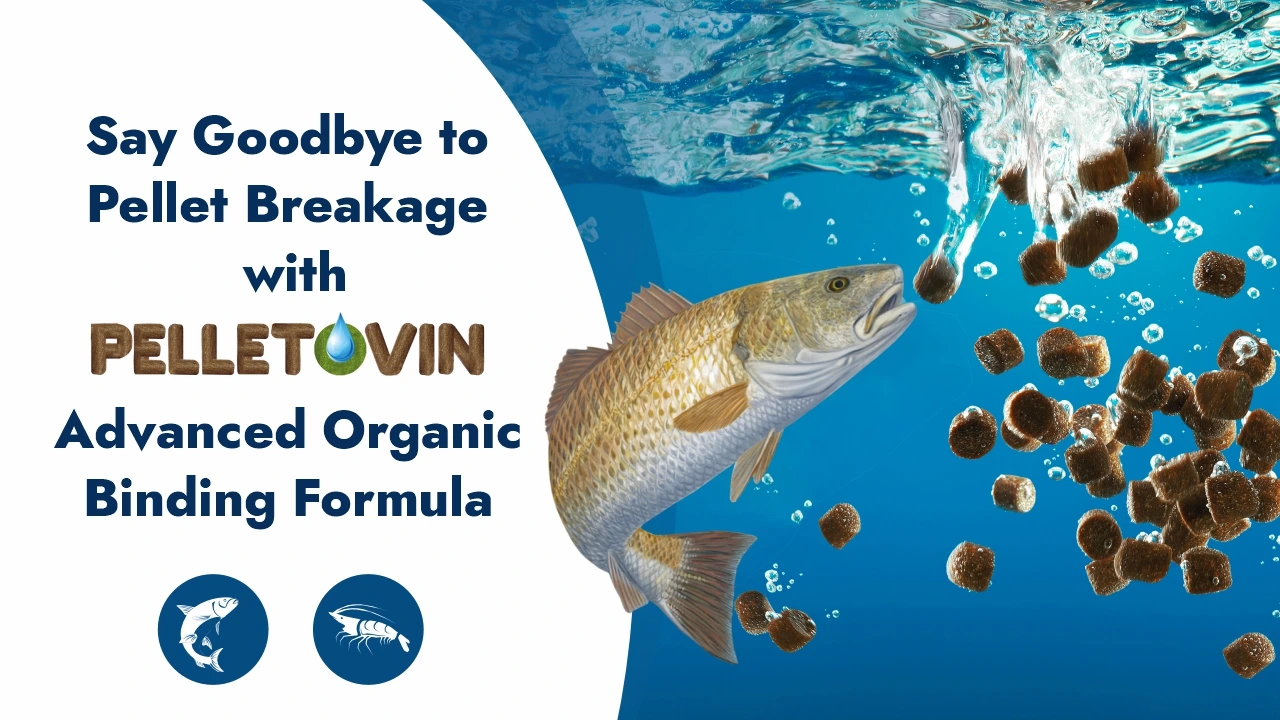
Say Goodbye to Pellet Breakage with Pelletovin’s Advanced Organic Binding Formula

Pelletovin organic binder for aquafeed, enhancing pellet durability, water stability, and overall feed efficiency for manufacturers and exporters.

Feed is the major cost contributor in aquaculture production, costing approximately 60-70% of the total cost.  Feed with high-quality ingredients undergo precise processing techniques to achieve maximum aquaculture yield.  Poor feed quality can lead to feed wastage, higher costs, and decreased animal performance. Therefore, the aqua-feed industry is continuously searching for strategies to improve feed processing techniques to ensure the quality and affordability of feed.

Pelleting is a feed processing technique that maintains feed homogeneity by agglomerating or compaction of feed particles. Pelleting involves compressing feed particles under mechanical and thermal forces to create dense, durable pellets. This compaction process reduces bulk volume, increases shelf life, and improves transportation efficiency.

Various characteristics of aquaculture pellets directly affecting feed quality and performance are

Various characteristics of aquaculture pellets affecting feed quality and performance, including size, durability, water stability, and floatability.

Despite advancements in pelleting technology, maintaining consistent pellet quality remains a challenge.  Water stability measures how well aqua feed pellets maintain their structure when submerged in water. This factor is particularly crucial for species like shrimp, which are slow feeders and rely on pellets remaining intact in water for extended periods. Insufficient water stability in pellets can cause rapid feed disintegration, leading to nutrient loss and reduced efficiency—ultimately impacting profitability.

To address this, aquaculture feed manufacturers often incorporate pellet binders into their formulations to avoid the disintegration of pellets. Pellet binders provide the necessary binding strength to hold feed particles together, reducing fines and dust. Binders strengthen pellets and enhance their integrity, durability, and stability. They also reduce nutrient leaching and prevent fragmentation and abrasion of pellets during handling, transportation, storage, and feeding to aqua-cultural species. Traditionally, synthetic binders like polymethyl carbamide (PMC) have been widely used to strengthen pellets. However, with growing concerns about sustainability, performance efficiency, and cost-effectiveness, Pelletovin can be considered as a viable organic alternative to PMC.

Pelletovin: Organic binder for high-grade pelleting

Pelletovin is an all-purpose, organic, thermo-reactive binder that is stable at room temperatures and therefore will mix well with other feed ingredients. Once the feed mix is exposed to moisture and heat in the conditioner, this organic feed binder binds other feed ingredients. It enhances pelleting capacity and reduces energy consumption at the feed mills.

According to field trials, Pelletovin significantly reduces dustiness and dry matter loss from feed. Pelletovin at an inclusion rate of 0.3% gives approximately 80% water stability and about 90 % pellet durability index (PDI). It shows better efficacy than synthetic binders like polymethyl carbamide (PMC).

Key Benefits of Pelletovin :
  • Enhances water stability of aquatic feed.
  • Strengthens pellets for better durability and integrity.
  • Reduces dusting and run time.
  • Lowers energy consumption and increases production rates.
  • Protects essential nutrients.
  • Minimizes friction in the pellet die.

Pelletovin helps to achieve optimum delivery and utilization of nutrients to the livestock supporting cost-effective and efficient aquaculture feed production.

‘Enhance pellet durability and reduce operational costs of your aquaculture with Pelletovin’

*References on request*

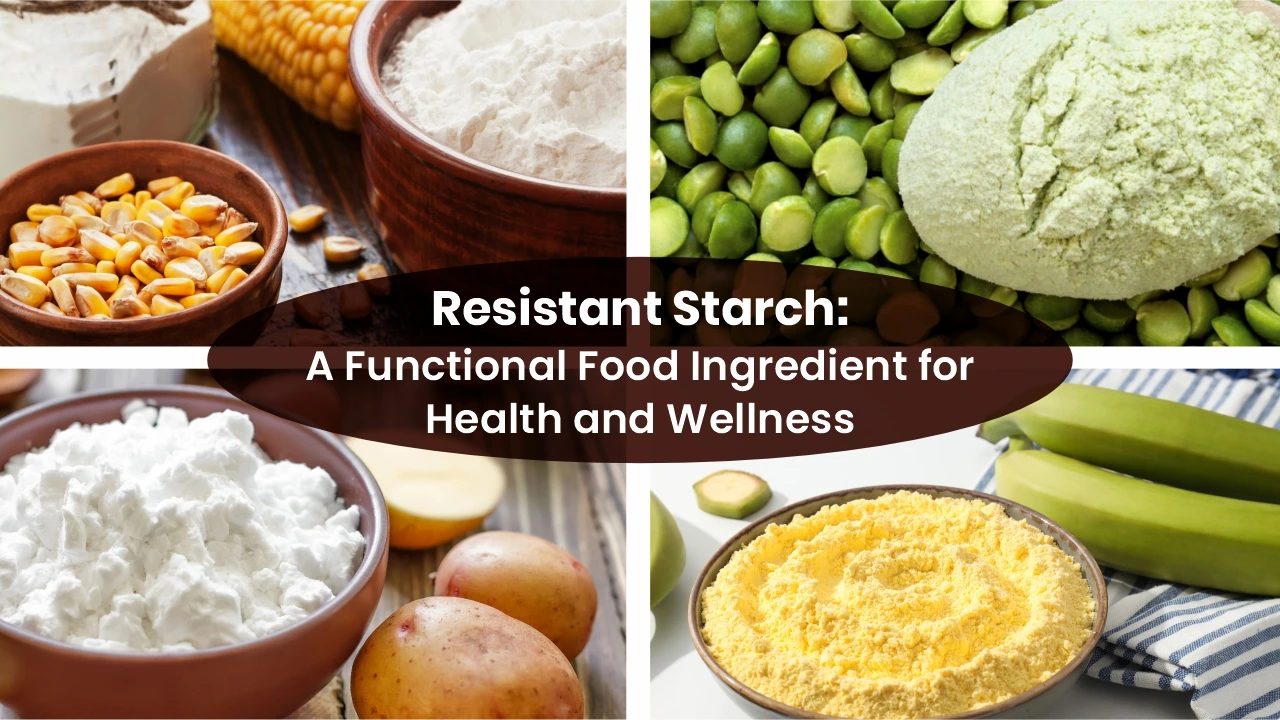
Resistant Starch: A Functional Food Ingredient for Health and Wellness

Growing demand for quality foods is one of the reasons behind incorporating new technologies and ingredients. Health issues and concerns like high cholesterol, cancer, or obesity are inescapable in today’s modern fast-paced life. Population aging, urbanization, and the increased need for convenience foods increase the demand for high-quality nutritious food options. Consumers believe that nutrition has a strong scientific basis for relating to their well-being, which increases interest in functional foods. Functional foods provide health benefits beyond plain nutrition, therefore helping to diminish the risk of chronic diseases. They either consist of beneficial compounds or remove adverse ones. Resistant Starch Supplements are among these beneficial components; they are functional ingredients used in wide applications of fiber-rich foods.

Resistant Starch and Types of Resistant Starch

Resistant Starch is that part of the starch that cannot be digested as it travels through the digestive tract. There are five types, each with unique features:

Resistant Starch 1 (RS1) – This occurs in whole grains, seeds, and legumes.

Resistant Starch 2 (RS2) – Found in raw potatoes, green bananas, and some legumes.

Resistant Starch  3 (RS3) – Occurs when certain starches such as potatoes and rice are cooked and then allowed to cool.

Resistant Starch 4 (RS4) – A chemically modified starch with unique features.

Resistant Starch 5 (RS5) – A relatively more recently identified variety with potential functional benefits.

With a low water-holding capacity, resistant starch enhances food texture, improves crispiness, and reduces oil absorption in deep-fried foods, making it highly valued by the food industry. Resistant starch manufacturers are increasingly incorporating RS into functional food products to meet consumer demand.

Health Benefits of Resistant Starch

1.The Role of RS in Prevention of Colon Cancer

Other findings indicated that butyrate, the short-chain fatty acid produced during the fermentation of resistant starch by the large intestine, plays an important role in reducing the chance of colon cancer. RS elevates fecal bulk, decreases pH, and stimulates the production of butyrate-producing bacteria, which would prevent the malignant transformation of cells. Studies also show that butyrates inhibit the proliferation of tumor cells due to arrest at one of the phases of the cell cycle, the G1 phase. Such results suggest why RS is significant for gut health.

2. Resistant Starch and its Anti-Hypoglycemic Effects and Management of Diabetes

The glycemic index (GI) of starchy foods depends on factors like the amylose/amylopectin ratio, starch granule structure, and processing methods. RS slows digestion, leading to a gradual glucose release, lower insulin response, and extended satiety—key benefits for diabetes management. Unlike rapidly digestible starch, which spikes blood sugar levels, RS digestion occurs over 5–7 hours, stabilizing postprandial glycemia and insulin levels. This has led to growing interest in resistant starch supplements for individuals with diabetes. Chemically modified types of resistant starch, such as RS4, have been shown to lower the glycemic load when incorporated into breads and baked products.

3.Resistant Starch as a Prebiotic

Prebiotics are indigestible food components that encourage the growth of beneficial gut bacteria. As in the case of inulin and oligofructose, resistant starch selectively stimulates probiotic bacteria, especially bifidobacteria, thereby promoting gut health. Experimental studies suggest that RS consumption alters SCFA profiles in the large intestine, improving the gut microbiome. Because RS is not digested in the small intestine, it acts as an effective prebiotic for enhancing microbial balance.

4.Hypocholesterolemic Effects

Research on resistant starch suggests a positive effect on lipid metabolism. It has been found that feeding rats with resistant starch  reduces their total cholesterol, triglycerides, and LDL. Consumption of Resistant Starch increases cecal SCFA production, which is associated with lower plasma cholesterol and triglyceride levels. However, at this point, more human studies need to be conducted, though these findings suggest Resistant Strach can be a promising ingredient for heart health.

5. Inhibition of Fat Accumulation and Weight Management

Resistant Starch has been studied for its involvement in fat metabolism and appetite regulation. Some studies indicate that diets high in types of resistant starch increase fat oxidation and decrease fat deposition through reduced insulin secretion. Resistant Starch intake has also been associated with increased postprandial satiety, as observed in a study where RS-rich bread resulted in longer satiety than white bread. More research is needed, but RS appears to be a promising natural additive for weight management.

Conclusion: Future of Resistant Starch in Functional Foods

Resistant starch manufacturers are playing a vital role in developing innovative solutions for the food industry. RS has emerged as one of the strongest functional ingredients and holds the prospect of numerous beneficial health outcomes. It aids digestive health, controls glycemia, reduces cholesterol, and maintains body weight. Ongoing research will continue to expand its applications due to the increased demand for functional foods by consumers, creating further opportunities for resistant starch supplements in the pursuit of global health and nutrition.