icon-globe
Search Connect with us

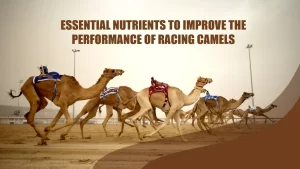
ESSENTIAL NUTRIENTS TO IMPROVE THE PERFORMANCE OF RACING CAMELS

Vinayak Ingredients camel supplement to enhance race performance

Camel racing is a traditional sport of the desert culture in the Arabian Peninsula, North Africa, and the Middle East. It is a highly competitive sport requiring camels to perform at their physical peak. Camel race distances vary from 5km to over 40km. Camels can maintain average speeds of 35- 40 km/hour for considerable distances, and for around 30- 60 minutes. This unique capacity reflects the lower energy requirements for locomotion, the higher glucose supply, the lower oxygen demand, and preferential dependence on slow-twitch muscle fibres, which rely on aerobic metabolic pathways.

Nutrition plays an important role in the success of camel racing by impacting its health and performance.

Energy and protein

High-energy feed ingredients are required during short-distance and high-intensity races to meet the increased energy needs. A diet rich in protein is essential for muscle development, repair, and recovery. Feeds like alfalfa, legumes, and other high-protein sources are important for supporting the intense physical activity racing camels undergo. Additionally, energy-rich feeds, such as oats, barley, and sorghum, provide the fuel needed for speed and stamina, making sure that camels can perform at their best during high-intensity races.

Hydration and Electrolytes –

Even though camels can survive with limited water, racing conditions lead to the requirement of regular and adequate hydration.Electrolyte supplements restore important minerals like sodium, potassium, and magnesium, helping to maintain normal muscle function and reduce injury.

Vitamins and minerals –

For optimum health and performance, adequate vitamins and minerals are required to be provided by the diet. Minerals and vitamins like A, D, and E help to improve the immune system, energy metabolism, and support bone health.

Mineral supplements ensure these nutrients are readily available, mainly in regions where natural forage is deficient in necessary nutrient content.

Before a race, camels should be given light, easily digestible meals that are rich in energy to avoid digestive discomfort. while after a race, more electrolytes and protein should be provided for recovery. However, failing to provide the right nutrients at the right time can significantly hinder a camel’s performance and long-term health.

Nutrient deficiency in racing camels leads to fatigue, muscle weakness, cramps, and reduced performance

Such imbalances reduce the ability of camels to compete and increase the risk of health complications and performance loss.

ALSHOROOD - Natural Performance Booster for Racing Camels by Vinayak Ingredients

ALSHOROOD is a camel supplement for the high-performance needs of racing camels. It is a combination of adaptogenic, anti-inflammatory compounds, essential amino acids, and minerals, along with omega fatty acids. It provides nutritional support for both racing camels and normal camels. It helps to optimize the performance and aid in recovery from strenuous activities.

BENEFITS

ALSHOROOD supplement supports muscle health, speeds recovery, and reduces cramps in racing camels

With ALSHOROOD, camel owners and trainers can support animals’ physical demands while maximizing race performance through safe and effective nutrition.

*References on request*

The Benefits of Natural Food Colors in U.S. Processed Food: Moving Beyond Synthetic Dyes

Why Natural Food Colors Are Reshaping U.S. Processed Food

With increasing regulatory scrutiny and a sharp rise in consumer demand for clean-label products, natural food colors have emerged as the preferred choice for American food manufacturers. The growing concern over synthetic dyes, coupled with changes in FDA regulations, is accelerating this transition. Today, both brands and consumers are actively seeking the benefits of natural food colors in U.S. processed food.

Vinayak Ingredients– Benefits of natural food colors in U.S. processed food

Why the Shift? Understanding FDA Approved Food Colors and Recent Changes

In 2025, the U.S. Food and Drug Administration (FDA) began phasing out certain synthetic food dyes, including Red No. 3, due to health concerns and consumer pressure. These artificial colorants, often petroleum-derived, have long raised red flags for their potential links to behavioral issues in children and allergic reactions.

As a result, food manufacturers are re-evaluating their formulations, seeking out FDA approved food colors that are both safe and effective. Natural food colors, derived from sources like beets, turmeric, spirulina, and paprika, are not only FDA-compliant but also meet the growing clean-label demand in the U.S.

The Benefits of Natural Food Colors in U.S. Processed Food

Food companies across the U.S. are embracing natural food colors not only to comply with regulations but also to meet evolving consumer preferences. Here’s why they matter:

  1. Consumer Trust and Transparency

    In an era where American shoppers read ingredient labels carefully, the use of artificial colorants can erode brand trust. Phrases like “colored with vegetable juice” or “no artificial colors” are now seen as indicators of quality.

    The benefits of natural food colors in U.S. processed food include a stronger perception of safety and transparency, especially in categories like snacks, dairy, and beverages.

  2. Clean Label Appeal

    Natural colors align with broader health-conscious trends. In fact, clean-label claims are now a deciding factor in the U.S. grocery aisle. Products using FDA-approved food colors from natural sources are more likely to appeal to parents, health-conscious consumers, and Gen Z buyers who prioritize authenticity.

  3. Health and Safety

    Unlike synthetic dyes, which may trigger hyperactivity in children or allergic reactions in sensitive individuals, natural food colors are generally recognized as safe (GRAS) by the FDA when used appropriately. This adds another layer of reassurance for both manufacturers and end-users.

    Key Applications: Where U.S. Brands Are Using FDA-Approved Food Colors from Natural Sources

    The versatility and visual appeal of natural food colors make them suitable across a wide range of processed food categories: 

●  Bakery and confectionery: Frostings, gummies, cakes, and cookies

●  Dairy and alternatives: Fruit-flavored yogurts, plant-based milks

●  Beverages: Juices, energy drinks, wellness shots

●  Snacks and cereals: Vibrant hues from vegetables and spices

●  Frozen desserts: Naturally colored popsicles, ice creams, and sorbets

These sectors highlight the benefits of natural food colors in U.S. processed food, where consumer expectations for clean-label and safe formulations are highest.

Challenges in Using Natural Food Colors and How to Overcome Them

While the advantages are clear, there are a few hurdles to adopting FDA-approved food colors from natural sources:

●  Stability Issues: Some natural colors may degrade under heat or light.

●  Limited Color Range: Bright synthetic-like shades can be harder to replicate.

●  Cost and Supply: Natural ingredients can be more expensive or seasonal.

Fortunately, innovations in encapsulation and stabilization technologies are solving many of these issues. New-generation natural food colors can now offer improved heat, light, and pH stability, expanding their usability in everything from baked goods to acidic beverages.

Wrapping up: Natural Food Colors Are the Future of the U.S. Food Industry

As U.S. regulations tighten and consumer expectations evolve, the benefits of natural food colors in U.S. processed food are undeniable. These plant-based pigments offer a compelling mix of safety, transparency, and performance. For food manufacturers, making the switch is no longer optional, it’s a strategic move toward cleaner, more trusted products.

By incorporating FDA approved food colors from natural sources, brands can stay ahead of regulatory changes, win over health-conscious consumers, and lead the shift toward a more sustainable and transparent food system.

Tackle Pet Obesity Naturally with HerboNutra – Adipo

Natural weight management for pets with HerboNutra-Adipo – Vinayak Ingredients’ herbal supplement for dogs and cats.

When it comes to pet care, it’s important to keep in mind that one of the most crucial measures of a pet’s health is their body weight. Obesity in dogs and cats occurs when they have excessive body fat, which negatively impacts their health, welfare, and quality of life. It is primarily caused by overeating or insufficient exercise, although certain diseases can also lead to obesity. A clinical survey from the Association of Pet Obesity Prevention (APOP) indicates that 55.8 percent of dogs and 59.5 percent of cats in the U.S. are currently overweight. This trend is also rising in the UK, Germany, and France.

Health Problems Caused By Pet Obesity

Pet obesity can cause serious health problems and make existing problems worse, which can reduce the length and quality of life of an animal. It puts them at greater risk of conditions such as:

  • Diabetes
  • Arthritis
  • Heart and lung diseases
  • Neoplasia
  • Reduced immune functions
  • Urinary disorders
  • Reproductive disorders

Factors Contributing To Weight Gain in Pets

Diet

  • Giving your pet too much food or too many treats can lead to weight gain.
  • Foods lacking in essential nutrients can cause weight issues. For instance, some commercial dog foods are high in fillers and low in quality nutrients.
  • Feeding pets table scraps or human food can disrupt their nutritional balance.

Lack of Exercise

  • Pets that don’t get enough exercise are more likely to gain weight. Regular walks and play sessions are crucial.
  • Pets living in small apartments or homes without yards may not get enough physical activity.
  • Conditions like arthritis or injuries can limit a pet’s ability to exercise, leading to weight gain.

When Are Pets Considered Obese?

Several different factors contribute to what is considered obese in pets. One of the most important factors is body condition score (BCS). This is a numerical scale that ranges from 1 to 9, with 1 being very thin and 9 being obese. Other factors that contribute to obesity in pets include weight, body fat percentage, and height. Weight is the most obvious factor when it comes to determining if a pet is obese. Generally speaking, any pet that weighs more than 20% above their ideal body weight is considered obese. However, this number can vary depending on the breed of pet.

Synthetic chemical supplements, while sometimes necessary, can carry risks like liver strain, behavioral changes, or allergic reactions. Herbal treatment can provide more than just immediate relief. They can improve pets’ overall vitality, reduce the risk of chronic diseases, and enhance their quality of life.

Vinayak Ingredients, manufacturer of HERB NUTRA-ADIPO a weight management supplement for pets.

We understand that your furry friend’s health is of utmost importance to you, and that’s why we have developed a solution that will help your pet shed those extra pounds and reclaim its vitality. HerboNutra- Adipo is a holistic product designed to tackle obesity in pets. With HerboNutra- Adipo, you can rest assured that you are providing the best care for your pet’s weight management needs.

Mechanism of Action:
  • Helps reduce fat cell formation by blocking key fat-storage genes and boosts fat burning via AMPK activation.
  • Supports reducing fat absorption in the gut and activates fat-burning enzymes, making it a powerful metabolism enhancer.
  • Limits the fat production by inhibiting ATP-citrate lyase, while also curbing appetite.
  • Targets energy regulation by promoting the “browning” of fat tissue and improving mitochondrial function for better energy use.
  • It may support insulin sensitivity and improve lipid profiles. Finally, the herbal mixture offers anti-inflammatory and adaptogenic benefits that support overall metabolic health, making it a perfect choice in holistic weight management for pets.

Benefits of Vinayak Ingredients HerboNutra–Adipo for natural weight management in pets – supports vitality, immunity, joints, and digestion

“Choose HerboNutra-Adipo — because your pet deserves a healthy, happy life, the natural way.”
*References on request*

Side Effects of Synthetic Food Coloring in American Diets: A Growing Health Concern

Health Risks Of Synthetic Food Dyes Spark Shift To Natural Color Alternatives.​

Artificial food colorants, found in sweets, cereals, drinks, and other brightly colored foods, are facing growing scrutiny due to their potential health risks. These synthetic colorants, derived from petroleum, include commonly used dyes such as Red No. 40, Yellow No. 5, and Blue No. 1. Their bright appearance and chemical stability have made them popular with food manufacturers aiming to make their products more visually appealing. However, scientific studies are increasingly drawing attention to the side effects of synthetic food coloring in American diets, especially for children.

These artificial additives have been linked to behavioral issues, allergic reactions, and even cancer in animal studies. In light of these risks, regulatory bodies are beginning to act, urging food brands to consider safer, natural alternatives. This blog dives into the health impacts of these dyes and highlights why shifting toward clean-label ingredients is not just a trend—it’s a necessity.

Synthetic Food Color Powder Manufacturer in India - Vinayak Corporation - Sunthetic Powders for Cosmetics - Dyes - Pharmaceuticals

Health Implications of Synthetic Dyes

  • Behavioral Effects in Children

    Numerous studies have connected synthetic food dyes to behavioral issues in children. A comprehensive review by the California Office of Environmental Health Hazard Assessment (OEHHA) found that certain dyes can worsen symptoms of attention-deficit/hyperactivity disorder (ADHD) in sensitive individuals. Red No. 40 and Yellow No. 5 are particularly noted for their influence on neurobehavioral functions. This raises major concerns for both healthcare professionals and parents about the side effects of synthetic food coloring in American diets targeting children.

  • Carcinogenic Risks

    Some synthetic dyes have been shown to pose cancer risks in animal studies. Red No. 3, for instance, has been associated with thyroid tumors in rats. Despite being banned in cosmetics, it remains approved in candies and baked goods. This contradiction highlights the ongoing risk consumers face and underscores the urgent need for stronger food safety regulations.

  • Allergic Reactions and Hypersensitivity 

Artificial dyes are also known to cause allergic reactions in certain individuals. Yellow No. 5 (Tartrazine) is linked to hives, asthma attacks, and other hypersensitivity responses. Because of these known effects, the FDA requires food manufacturers to clearly label products containing Yellow No. 5, allowing consumers to make informed decisions.

Common Foods Containing Synthetic Dyes

Artificial dyes are especially prevalent in products marketed toward children. Examples include:

● Breakfast cereals
● Candies
● Snack foods
● Sports drinks and sodas
● Desserts like jellies and popsicles

These foods often contain multiple artificial dyes to achieve their bold, colorful appearance. Unfortunately, this visual appeal may come at the cost of consumer health, as more data points to the side effects of synthetic food coloring in American diets.

Regulatory Shifts and Industry Response

As awareness grows, regulators are beginning to crack down on potentially harmful additives. Several synthetic dyes are now under evaluation for removal from the food supply in the coming years. This growing scrutiny reflects rising consumer concern over the side effects of synthetic food coloring in American diets, prompting food manufacturers to explore safer options.

Natural alternatives like beet juice, turmeric, spirulina, and carrot extract are gaining traction. These ingredients not only reduce health risks but also support the clean-label movement that many health-conscious consumers prefer. Brands that embrace these alternatives are likely to gain trust and market preference.

Wrapping Up

The continued use of petroleum-derived synthetic food dyes is more than a visual choice, it’s a health concern. With evidence mounting around the side effects of synthetic food coloring in American diets, particularly among children, the food industry must act responsibly. Regulatory shifts are already underway, but proactive change from brands can lead the way toward safer, more transparent food practices. Choosing natural food colorants isn’t just a trend it’s a step toward a healthier, more informed future for all.

Reducing Economic Losses in Poultry Through Effective Ectoparasite Management

Poultry red mite infestation and its impact - Vinayak Ingredients

Ectoparasites are a persistent challenge in poultry farming, causing significant harm to both bird welfare and farm profitability. The common poultry ectoparasites, includes lice, mites, fleas, and ticks, that feed on feathers or skin or sucking blood. Lice such as Menacanthus stramineus cause irritation, feather damage, and reduced growth. Fleas like sticktight flea attach to the eyes and comb of the chicken, leading to inflammation and irritation. Ticks, particularly Argas persicus, transmit diseases like avian spirochetosis and can cause anaemia and mortality. Among different mite species like northern fowl mites, scaly leg mites, and red mites infesting poultry, the Poultry red mite (Dermanyssus gallinae ) is more prevalent and causes severe economic damage. It is a hematophagous mite that mainly infests poultry but can also parasitize other avian and mammalian hosts, including humans.  

Poultry red mite is ubiquitously present; however, huge economic losses are observed in South America, the Middle East, Asia, and Europe. The severity of poultry red mite depends on different climates and production systems.

Economic Impact of Poultry Red Mite

According to the European Commission, in 2021, European farms contained over 376 million laying hens, with an 80% to 90% infestation percentage of red mite. The economic impact of infestations, as calculated by Van Emous (2017), includes direct costs of around EUR 0.15 per bird per year due to treatments, veterinary services, and labor. Indirect costs, EUR 0.45 per bird per year, of reduced egg production, lower bird performance, and high mortality, also affect the productivity.

Impact of poultry red mite on productivity

Poultry red mites affect the profitability and productivity of poultry farmers. Poultry red mites feed on chicken for about 2–4 days, and an average of 20,000–50,000 mites can be found per bird. Red mite infestation induces stress and irritation, leading to aggressive behaviour, cannibalism, feather pecking, and reduced feed intake, eventually affecting growth. It also suppresses egg production by impacting stress-related hormonal pathways, leading to a 15–20% drop in laying performance and reduced egg quality due to shell thinning. It also carries secondary disease-causing pathogens such as Salmonella, E. coli, and others.

Impact of red mite infestation on Poultry

Impact of Red Mite Infestation on Poultry by Vinayak Ingredients

Traditional treatments of synthetic chemicals such as organophosphates and pyrethroids, cause various issues. Continuous use of these chemicals can induce resistance in mites, residue in animal food, and environmental risks. To deal with these challenges, essential oils are being used as an effective alternative. Essential oils impact the ectoparasites through several complementary mechanisms. One of which is inhibiting the enzyme acetylcholinesterase, which is important for nerve signal transmission in arthropods. This inhibition can cause paralysis in the mite and, eventually, death. LIMITER is a combination of essential oils that primarily work on the same mechanism.

LIMITER: A natural solution for poultry red mite management 

LIMITER is a natural red mite management supplement for poultry. Using a unique combination of plant-derived components, LIMITER targets blood sucking stages of mites with a three-way mode of action including Gustatory Avoidance, Olfactory Repellence and Contact Toxicity.

Benefits of LIMITER 

Benefits of LIMITER poultry red mite supplement - Vinayak Ingredients

“Minimize the cost of ectoparasite management with LIMITER’s environment-friendly and sustainable impact.”
*References on request*

Modified Starch for Ice Cream: A Functional Ingredient Approach

Ice Cream Market Growth & Role of Modified Starches

The global ice cream market is projected to grow from USD 80.03 billion in 2024 to USD 125.62 billion by 2033, at a CAGR of 5.14%. This growth is driven by consumer demand for improved textures, enhanced stability, and innovative product formats. To meet these expectations, manufacturers are increasingly turning to modified starches as a functional and cost-effective solution. These starches play a critical role in both base formulation and structural components, contributing to the overall quality of frozen desserts.

At Vinayak Ingredients, our functional starches are designed to support frozen dessert manufacturers at every stage of development, from improving mouthfeel to enhancing product stability and shelf life.

Modified starch for ice cream used to improve texture, creaminess, and shelf life in frozen desserts by Vinayak Ingredients

Building Texture and Body with Modified Starch for Ice Cream

Modified starches are instrumental in enhancing the texture, mouthfeel, and overall eating experience of frozen desserts. They contribute to the development of viscosity in the aqueous phase, which is crucial for achieving a smooth and creamy texture. This is particularly important in reduced-fat formulations, where traditional fats are replaced to meet health-conscious consumer demands.

The ice cream market is expected to grow from USD 80.03 billion in 2024 to USD 125.62 billion in 2033, with a CAGR of 5.14%. This is attributed to the growing demand for enhanced textures, stability, and innovative product forms among consumers. Manufacturers are responding to these needs by using modified starches more and more as a functional and cost-effective option. Such starches are important components in the constitution of the base as well as structural components, which determine the quality of frozen desserts.

Our functional starches in Vinayak Ingredients are created to support frozen dessert manufacturers at all levels of development—enhancing mouthfeel through to stabilizing and preserving formulations and enhancing shelf life.

Production of Texture and Body using Modified Starch for Ice Cream

Modified starches are of value in improving texture, mouthfeel, and general eating quality in frozen desserts. They help create viscosity in the water phase to deliver a smooth, creamy mouthfeel. This is especially the case in reduced-fat applications, where normal fats are replaced to fulfill needs of health-oriented consumers.

For example, Kreameko, a specialty starch of ours, is formulated for high-moisture and liquid-based systems. It replicates the mouth-coating action of fat, offering a rich, indulgent mouthfeel without additional calories. Kreameko also prevents ice crystal growth, contributing to a smooth texture over time. Its neutral taste makes it suitable for flavor-sensitive systems, and its nutraceutical and non-dairy application compatibility contributes to additional versatility across product types.

Scientific research has established that starches modified can lower the calorie level of ice cream and improve emulsification and viscosity, resulting in better texture and stability.

Crispofy: Giving Structure and Integrity

Structure-wise, Crispofy provides a great solution for baked elements such as waffle cones, edible cups, and spoons. Its starch application for ice cream enhances and retains crispness even in high-humidity conditions and thus is perfect for pre-filled and ready-to-consume dessert products. Crispofy provides long-duration crunch and product integrity during storage and consumption.

The ability of modified starches to improve the texture and stability of frozen desserts extends to structural components, ensuring that all elements of the product meet consumer expectations for quality and performance.

Emulsheen: Stability for Inclusions, Glazes & Toppings

Emulsheen provides consistent stabilization to inclusions, layered components, and fruit preps in frozen desserts. Chocolate swirls, fruit and caramel ribbons, and layered toppings benefit from its ability to preserve gloss, structure, and consistency. This positions it as an asset in constructing multi-layered ice cream formats that maintain their attractiveness for the life of the product.

The function of starches that have been modified in stabilizing toppings and inclusions is justified by scientific studies, which attest to their efficacy in improving the stability and sensory characteristics of frozen desserts.

Trends in the Ice Cream Industry

With the changing landscape of frozen desserts, companies are conforming to consumer-driven trends that are both innovative and quality-focused. Vinayak’s starches enable:

Texture and Format Innovation: Our reformulated starch for ice cream makes innovative pairings possible, smooth, rich bases in combination with crunchy edible packets.

Fat Reduction and Cost-Efficient Recipes: Kreameko facilitates lower-fat content without sacrificing luxurious mouthfeel, assisting manufacturers in fulfilling health-oriented demand at a cost.

Premium & Multi-Layered Product Appeal: Through Emulsheen and Crispofy, multi-layered textures and toppings remain intact, enriching the sensory pattern of frozen treats.

Conclusion

From rich textures to crisp forms and stabilized toppings, Vinayak Ingredients provides functional starch solutions that can make frozen dessert brands unique. With kreameko, Crispofy, and Emulsheen, brands can create differentiated products that suit today’s consumer needs.

Enhancing Consumer Nutrition with Omega-3 Enriched Broiler Meat

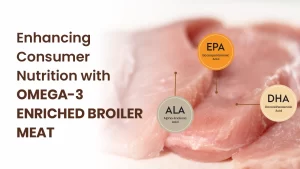
Broiler chicken meat enriched with omega-3 fatty acids for improved consumer health.

Consumer awareness of the health benefits of omega-3 fatty acids is growing and is driving their demand for enriched food products. Also, broiler meat consumption in the world increases annually with the development of modern diet patterns. Fortification of meat with n-3 fatty acids is an opportunity for the broiler production sector to add value to their product. The incorporation of alpha-linolenic acid (ALA) into animal diets has been shown to increase the omega-3 fatty acid content of the foods they produce, thus offering consumers an easy way to boost their intake of omega-3 fatty acids without altering their diet. Food products such as eggs, milk, beef, poultry, and pork with higher omega-3 fatty acid levels could provide health benefits to all social classes due to their generally wide consumption.

Why Omega-3 Fatty Acids Are Essential?

Alpha-linolenic acid (ALA, C18:3n-3) is an essential omega-3 fatty acid (n-3 FA) in mammals and birds because it must be ingested and cannot be synthesized de novo. Through desaturation and elongation, ALA can be converted into long-chain fatty acids (FA), such as docosahexaenoic acid (DHA, C22:6n-3), which is important for health and development. Another critical group of fatty acids is omega-6 fatty acid (n-6 FA), for which the precursor is linoleic acid (LA, C18:2n-6). There is direct competition between omega-3 (n-3) and omega-6 (n-6) fatty acids for the same enzymes required for the biosynthesis into long-chain fatty acids. This competition may cause issues when the consumption of one group of fatty acids far outweighs the other.

Biosynthesis of Omega-3 and Omega-6 Fatty Acids

Diagram showing the conversion and biosynthesis of omega-3 and omega-6 fatty acids in broilers.

Dietary fatty acids could be absorbed and deposited in the body tissue of broiler chickens without any modifications. Thus, the lipid composition of broiler chicken meat could be altered according to the fatty acid profile of the dietary lipid sources.

Incorporating omega-3s into broiler feed has been associated with various benefits:

  • Growth Performance and Nutrient Utilization.
  • Skeletal Development.
  • Immune Function.
  • Meat Quality and Fatty Acid Profile.

How Do Omega-3 Fatty Acids Benefit Consumers?

Omega-3 fatty acids, especially EPA and DHA, are important anti-inflammatory agents. They mitigate the effects associated with proinflammatory cytokines in diseases such as coronary heart disease, major depression, ageing, cancer, and autoimmune diseases such as Crohn’s disease, ulcerative colitis, and lupus erythematosus. They also improve vision, skin, and the immune system.

Therefore, consumers may consider novel products enriched with n-3 PUFA to be a preferable way to achieve recommended intakes of these fatty acids.

Omega-3 Supplement for Poultry by Vinayak Ingredients

ALPHALINOMEGA is an omega fatty acid supplement for omega-fortified chicken. It is an innovative poultry feed supplement that contains major essential fatty acids and can be easily administered via water. The enrichment of omega-3 fatty acids in poultry is directly linked to the amount provided via diet. ALPHALINOMEGA also helps in the high absorption of omega fatty acids (up to 98%) and improves FCR, leading to better weight gain and improved overall health of the poultry. Broilers fed with Alphalinomega enhance omega-3 fatty acid content in their meat.

Benefits:

  • Increases omega-3 fatty acid content in meat.
  • Decreases saturated and trans fatty acid content in meat.
  • Strong antioxidants prevent severe inflammation of the tissue.
  • Reduces myopathies, woody breast, white striping and yields tender chicken.
*References on request

6 Spray-Dried Ingredients for Instant Drink Applications

Top 6 Spray-Dried Ingredients Powering Innovation in Instant Beverages

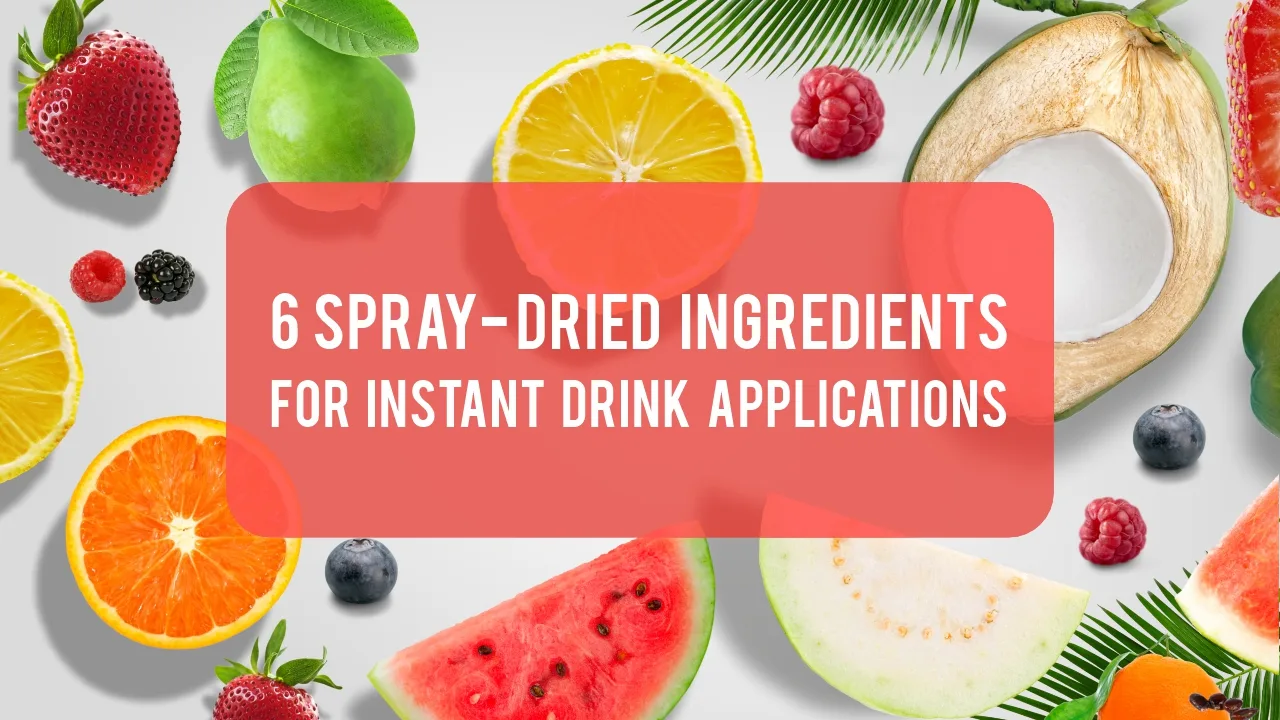
A selection of spray-dried powders like lemon, coconut, guava, and berries used for instant drink formulations.

The beverages market is witnessing a strong demand for spray-dried ingredients for instant drink mixtures, especially among manufacturers and brand owners who seek to deliver ready-to-consume, high-flavour, and nutrient-rich products to today’s consumers. For food and beverage formulators, spray-dried ingredients for instant drink applications offer a convenient and scalable solution.  Vinayak Ingredients is a trusted supplier of spray-dried flavours for instant drinks, providing high-quality powders that enhance taste, nutrition, and solubility in B2B beverage formulations. Learn more about our range in the spray dried powders blog. These powders deliver ease of processing, stable shelf life, and consistent flavour.

In this post, we review 6 spray-dried ingredients to aid instant beverage innovation that is increasing demand in B2B drink formulation.

  1. Tender Coconut Water Powder

    A popular functional hydration ingredient, tender coconut water powder contains potassium and magnesium electrolytes. It is neutral in taste, slightly sweet, and used as a base in energy beverages, isotonic beverages, and tropical flavours. Spray drying ensures that it retains the nutrient value and provides improved shelf stability and transportation efficiency.

  2. Lemon Powder

    Lemon powder provides a citrusy burst of natural vitamin C and antioxidants. Great in lemonades, sports drinks, or immune-enhancing drinks, it has great mixability. Lemon powder is a versatile citrus flavour that is great to pair with and also offers a refreshing flavour.

  3. Orange Powder

    Orange powder is a nostalgic, fresh flavour, widely used in fruit drink blends, cocktails,  mocktails, and nutraceutical beverages. It’s a natural source of flavonoids and vitamin C, and the bright colour and pleasant taste of orange make it a popular choice in powder-formulated beverages.

  4. Watermelon Powder

    Watermelons are very hydrating with their numerous electrolytes, vitamins and antioxidants. Watermelon powder is well-suited to rehydration drinks and hot-weather coolers. Its solubility and natural flavour make it a perfect option for health-oriented beverage lines.

  5. Guava Powder

    Guava powder is a highly nutritious ingredient prized for its dynamic tropical flavour and rich vitamin C levels. It is also rich in potassium and folate, thereby qualifying as an excellent immunity boost and wellness-beverage candidate. Its sweet-tart flavour suits juice blends, drink powders, and nutraceutical formulations. Guava powder is amongst the most functional spray-dried products for instant drinking mixes for the formulator with high solubility, good shelf life stability, and similar performance in massive production batches.

  6. Berry Powder

    Berry powders like strawberry, blueberry, or blended berries impart natural colour, rich flavour, and high antioxidant value. Anthocyanins and vitamin C present in them make them ideal for application in detox drinks, beauty drinks, and health-focused mix blends.

Benefits of Utilising Spray-Dried Powder for Instant Drink

Spray-dried powders offer the following formulation and processing advantages to manufacturers:

Rapid solubility: Soluble rapidly and evenly in water, allowing for ease of processing and uniform end-product texture.

Extended shelf life: Provides better stability, minimising spoilage and packaging issues during distribution and storage.

Consistent quality: Offers flavour and nutrient profile consistency between batches, ensuring consistent performance at large scale.

Operational efficiency: Easy to store and handle in bulk, easy and less costly storage.

How to Use Spray-Dried Powders in B2B Applications

The powders are suitable for application in pre-mixed drink sachets, individual-serving sticks, vending machine formulae, or batch processing. They can be used for:

  • Ready-to-drink blends.
  • Nutraceutical drinks.
  • Functional beverages.
  • Effervescent tablets.
  • Fortified and functional water.
  • Beverages for children.


Wrapping Up

As a beverage or food business looking to produce great-tasting and functional instant beverage drinks, spray-dried ingredients for instant drinks offer a scalable and dependable answer. With top trends like coconut water, citrus, tropical guava, watermelon, and antioxidant-rich berries, you can deliver taste, nutrition, and convenience in every drink.

Find high-quality spray-dried ingredients for instant drink formulations to improve your next beverage recipe.

Probiotics for Ruminants: Supporting Rumen Health, Growth, and Sustainable Productivity

VINYEAST-P probiotic supplement for cattle - enhances digestion, milk yield, and reduces acidosis

The productivity of cattle depends on a healthy and balanced microbial environment within the rumen. Various factors, including changes in diet, stress, and intensive farming practices, can disrupt this balance, causing reduced feed efficiency, poor nutrient absorption, and metabolic disorders such as acidosis. Probiotics are beneficial micro-organism that regulates the microbial balance in cattle, enhancing the profitability of the farmer.

Probiotics for cattle

Probiotics are live microorganisms that, when given in sufficient amounts, provide health benefits to the host. They are non-pathogenic microbes widely used for their health impacts on both dairy and beef cattle at all developmental stages. They are targeted to the rumen, where they enhance fermentation by regulating microbial populations that impact feed digestibility and nutrient absorption. Probiotics positively impact cellulolysis and microbial protein synthesis, stabilizing rumen pH and lactate levels.

How Probiotics Support Ruminant Health Probiotics offer advantages for ruminants by improving gut health, digestion, and productivity while providing environmental sustainability. They help to improve animal performance, immunity, milk quality, and rumen function.

Key benefits of probiotics in ruminants

VINYEAST–P improves fiber digestion, stabilizes rumen pH, and supports milk production in ruminants

  • Improves gastrointestinal health by regulating gut microbes.
  • Improves immunity and help in disease infection.
  • Lower methane emissions, reducing environmental impact
  • Improves yield, quality, and functional components like protein and fat of the milk
  • Improves food conversion ratio by promoting nutrient digestibility
  • Supports growth of ruminal cellulolytic bacteria
  • Helps to stabilize rumen pH and reduce acidosis
  • Reducing ammonia level via decreasing protein degradations

Probiotic Strains Commonly Used in Cattle Feed

  • Lactobacillus spp. helps in lactic acid production and the competitive exclusion of pathogens.
  • Bifidobacterium spp. supports gut barrier integrity.
  • Enterococcus spp. is involved in modulating immune responses.
  • Saccharomyces cerevisiae (yeast species) improves fiber digestion and stimulates cellulolytic bacteria.
  • Propionibacterium spp. helps in glucose synthesis by producing its precursor in ruminants.

The use of multiple-strain probiotics offers broad protection from infections and improves rumen health due to the complementary action of strains.

VINYEAST–P: A Synergistic Probiotic Solution

VINYEAST–P is a unique combination of Live Yeast Culture (Saccharomyces cerevisiae) and Propioni bacteria (Propionibacterium freudenreichii). It influences ruminal metabolism by manipulating fermentation and ruminal productivity. Live Yeast Culture (LYC) supports fiber digestion, stabilizes fermentation, lowers oxygen and lactate levels, and boosts beneficial microbes.

Propionibacterium helps convert lactic acid into propionic acid, reducing acidosis and stabilizing pH. VINYEAST-P improves nutrient utilization, supports glucose and milk production, and reduces mycotoxin absorption without affecting productivity.

VINYEAST-P – a microbial synergy that drives benefits from digestion to production!

*References on request

6 Food and Beverage Trends in 2025 Impacting the Evolving Industry

      6 Food and Beverage Trends in 2025 Impacting the Evolving Industry

During FY 2025-26, the food and beverage sector is experiencing a shift based on new consumer directions and technological change. Today’s consumers are more informed, health-focused, and environmentally aware, making companies reimagine how food gets made, marketed, and eaten. Digital tools, transparency requirements, and greater aspirations for customised food experiences power the trend. Innovations are not just changing products but also rewriting the whole system from farm to fork. Several emerging food and beverage trends in 2025 will define the dining scene in the coming year.

  1. Improved Ingredient Quality

    Consumers are growing more aware of the quality of ingredients in food and beverages. It is increasingly observed that they read and review the ingredients label. Features such as natural colors and flavours, nutritional value, and ethical sourcing are becoming buying decision drivers. Brands that emphasize higher ingredient quality and transparency are most likely to have a competitive edge.

    At Vinayak Ingredients, we offer solutions that help brands improve the overall quality of their products. Our range of natural food colors, functional fat powders, and customized ingredient blends support manufacturers in enhancing product appeal, nutritional value, and clean formulation practices that resonate with today’s quality-conscious consumers.

  2. Personalized Health and Wellness 

    There is greater demand for food and drinks specifically formulated to respond to an individual’s health issue and lifestyle. Functional foods and beverages that promise to tackle a particular health issue, such as weight control or mood and energy management, are becoming popular. Tailor-made diet programs are perceived as more effective, and thus, consumers look for foods and drinks that fit their individual wellness goals more and more.

  3.  Creative Flavor Pairings

    Consumers today, particularly Gen Z, yearn for novelty and drama in food. They don’t merely consume food but wish to experience other cultures, stories, and sensations through new combinations of flavors that encompass fusion cuisine that combines culinary traditions from different parts of the globe, novel pairings.Worldwide, consumers indicate a high willingness to try new and fusion flavors, expressing a new acceptance of experimentation and a need for food to wake up the taste buds.

  4. Alternative Proteins and Sustainable Options

    Sustainability is no longer a trend but a primary purchase decision. Shoppers are seeking substitutes for traditional animal proteins due to issues related to hormone imbalance, health, welfare, and the environment. Thus, the market is seeing fast-paced innovation around plant-based alternatives (like soy, pea, or chickpea protein), fermentation-based proteins like tempeh, or even cultured meat. Not only do these solutions work to reduce environmental impact, but they also provide comparable or better nutritional profiles. Companies that invest in such environmentally friendly sources of protein are not only meeting the demand of customers but also contributing to making the food industry more responsible.

  5. Nutraceuticals 

    Concern over how eating habits affect health is growing, as is the demand for vital nutrients for a healthy way of life. Nutraceuticals are a major trend in the food market as a result of consumers’ increased interest in eating healthily due to the COVID-19 pandemic. At a compound annual growth rate (CAGR) of 5.09%, the market is expected to reach USD 513.27 billion in 2025 and USD 657.89 billion by 2030.

    Nutritional supplements, functional foods, therapeutic foods, and foods that improve the gut microbiota, such as probiotics, postbiotics, and prebiotics, are all considered nutraceuticals. The potential health benefits of nutraceuticals are highlighted by scientific studies. Crucially, they can be used to treat diseases, including allergies, diabetes, and immune-related disorders that are linked to oxidative stress.

    Vinayak Ingredients provides a range of functional ingredients ideal for nutraceutical applications. Our powders and custom blends are used in health-oriented foods and beverages, helping brands meet the increasing consumer demand for immune-boosting and wellness-supportive formulations.

  6. Focus on Food Safety and Transparency

    Growing health awareness and safety concerns have meant that consumers demand more openness concerning food production and sourcing. Food brands that show transparency regarding the supply chain and follow high-level safety standards are gaining consumer confidence and loyalty.

    Vinayak Ingredients ensures strict quality standards and traceability across our manufacturing and sourcing processes. We work closely with our partners to ensure our ingredients meet regulatory and safety benchmarks, helping our clients maintain transparency and build lasting trust with their customers.

    These food and beverage trends in 2025 highlight a dynamic shift towards healthy, adventurous, and technologically aware consumption habits. As the food sector adjusts to these developments, consumers can look forward to a more individualized, sustainable, and innovative eating experience in 2025.

    Final Thoughts
    The food and beverage trends in 2025 outlined above represent anticipated directions in consumer behavior and technological adaptation. While still emerging, these trends signal a move toward more mindful, sustainable, and individualized food experiences. Companies that begin to align with these projections will be better positioned to adapt and lead.

    At Vinayak Ingredients, we are committed to supporting this transition with a wide array of functional and performance-driven ingredient solutions. By collaborating with manufacturers across categories, we help bring these future-ready concepts to life, ensuring they are not only innovative but also commercially viable.