icon-globe
Search Connect with us

Gardenia (Genipin) Blue Color Additive: A Natural Coloring Solution for USA Food & Beverage Brands

Gardenia (Genipin) Blue Color Additive: A Natural Coloring Solution for USA Food & Beverage Brands

Natural and Plant-Based food colors are gaining popularity in the US over the past few years due to consumer education, brand stewardship, and changing regulatory agendas. One of the latest developments is the FDA approval of Gardenia (Genipin) Blue, and other natural options like spirulina blue food color, both of which are plant-based blue color additives. It is the fourth natural color approved by the FDA. For food and beverage producers seeking to substitute synthetic dyes without sacrificing intensity or stability, Gardenia Blue is an excellent FDA-approved natural blue color solution.

What is Gardenia (Genipin) Blue?

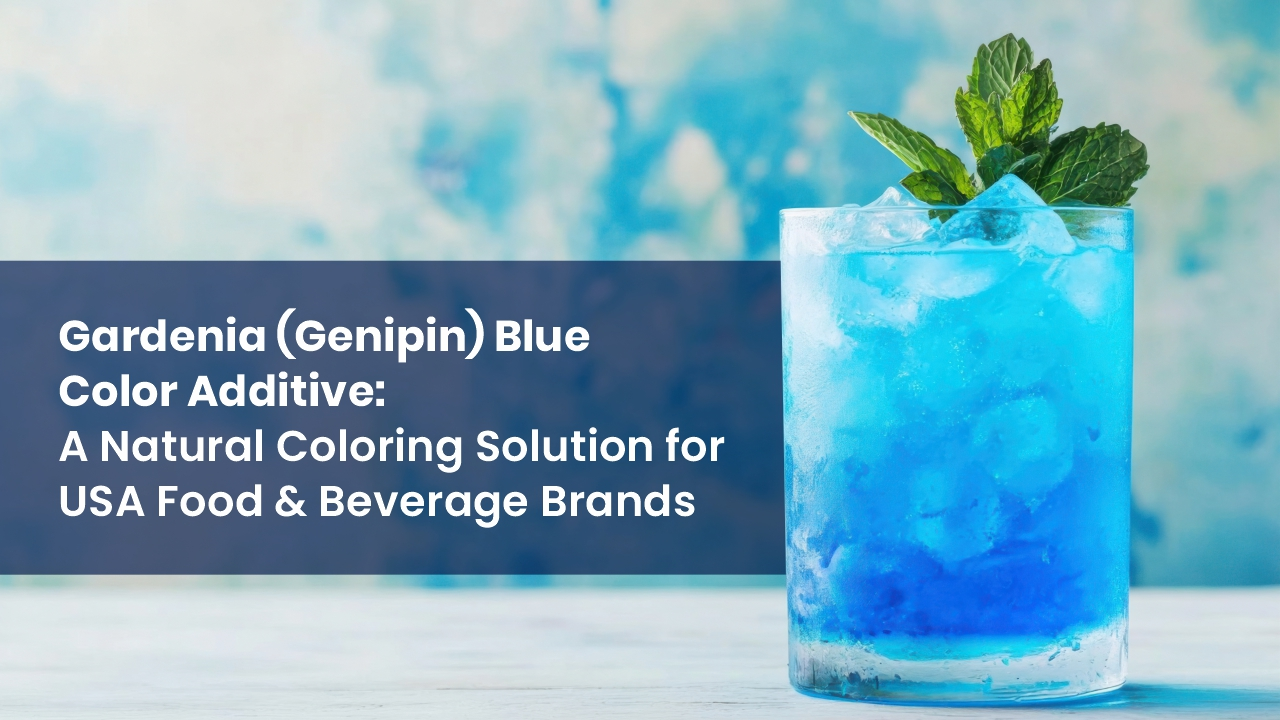
Gardenia or Gardenia jasminoides contains Genepin a natural blue pigment, recently approved as a natural food color by the US FDA. The blue pigment is obtained from an enzymatic reaction between genipin, a chemical constituent of the fruit, and amino acids. This gives a strong blue color ideal for the large majority of food and beverage uses. Gardenia has been used for centuries in traditional Asian foods and herbal preparations, and its introduction into the U.S. market marks a major step forward in expanding the palette of approved natural colors.

Why Food & Beverage Brands in the USA Are Switching to Natural Blue Colors

The consumer purchase curve is moving conclusively towards ingredients of natural origin. A global survey states that nearly 61% of consumers deliberately avoid products containing artificial coloring, and U.S.-based studies reinforce the fact that a majority make it a point to scan ingredient labels regularly before buying(pmc.ncbi.nlm.nih.gov, pmc.ncbi.nlm.nih.gov). This increased vigilance is encouraging brands to reformulate away from artificial additives such as Brilliant Blue FCF, Red 40 and others that have been researched in depth for possible associations with behavioral problems and allergic responses in sensitive individuals (pmc.ncbi.nlm.nih.gov, uab.edu).  The recent FDA approval of Gardenia (Genipin) Blue takes advantage of this opportunity by providing a natural, high-performance substitute appropriate for use in categories such as functional drinks, plant-based milk alternatives, and naturally colored confectionery.

Applications of Gardenia Blue in Food & Beverages

Due to its intense color and stability, Gardenia Blue can be used in a wide variety of applications. It is stable in both water-soluble and oil soluble systems and is recommended for:

  • Flavored and sparkling drinks
  • Frozen and ice cream desserts
  • Confectionery items like jellies and gummies
  • Yogurts and dairy-free products 
  • Cereals and snack coatings 
  • Specialty baked foods and icings

Gardenia Blue vs Brilliant Blue FCF: A Natural and Safer Alternative

Brilliant Blue FCF (FD&C Blue No.1) is commonly used because of its strong color and ability to withstand heat, based on it’s petroleum source, its long-term health effects have raised concern. Some studies have associated it with allergic reactions as well as behavioral adverse effects like hyperactivity among children, particularly when taken together with other artificial colorings.

Gardenia Blue, is plant-based natural food colorant. It contains no documented genotoxic or carcinogenic potential at approved levels, and its historical use in Asian markets contributes to its safety profile. 

USA Regulatory Status & Safety of Gardenia Blue

In July 2025, the FDA formally listed Gardenia (Genipin) Blue as an exempt from certification color additive under 21 CFR Part 73. Under this status, manufacturers can apply the genotype without undertaking the rigorous certification procedure applicable for synthetic colorings. The FDA made the determination following data submitted in a color additive petition, which established the safety of genipin blue when used as a food and beverage coloring.

Toxicological tests upheld the lack of genotoxicity and harmful effects at appropriate exposure levels. The choice is in agreement with global safety assessments, further bolstering the regulatory faith in this natural colorant.

Sustainability & Natural Origin: Why Gardenia (Genipin) Blue Color is a Responsible Choice

Aside from health and regulatory benefits, Gardenia Blue is unique in sustainable sourcing and low processing. The gardenia fruit is grown in a number of regions of Asia under conditions with low environmental pressure and few chemical inputs. Its production process is not affected by severe solvents or synthetic intermediates, and the pigment is biodegradable when in final use. This makes Gardenia Blue an attractive option for companies seeking to reduce their environmental footprint through ingredient disclosure requirements.

Technical Features of Vinayak’s Gardenia (Genipin) Blue Color Additive

Vinayak Ingredients’ Ecocol provides a stable, food-grade Gardenia Blue natural color for use in food and beverage systems offering consistent color payoff in processing conditions.Available in both powder and liquid forms with tailored oil or water solubility. Our can be customized to suit individual application requirements Our range of Gardenia color is customisable in concentration tailored for your specific needs in beverage, dairy, confectionery, and snack formats.

Vinayak’s development is backed by complete regulatory records and technical support, guaranteeing an easy transition for manufacturers who would like to incorporate Gardenia Blue into their production processes.

Why Select Vinayak Ingredients as Your Gardenia (Genipin) Blue Color Supplier in the USA

With decades of natural food ingredient experience, Vinayak Ingredients provides dependable supply, consistent quality, and technical expertise. Our Gardenia Blue is designed to comply with U.S. regulatory standards and is supported by safety information, application assistance, and a focus on innovation. We collaborate with manufacturers to maximize performance in actual formulations, assisting brands in staying in step with evolving consumer demands while driving operational efficiency.

  • Vinayak Ingredients supplies Gardenia Blue color to food manufacturers across the USA. Our natural blue color complies with FDA standards and is ideal for food applications requiring safe, stable coloring alternatives to synthetic dyes.
How to Improve Gut Health in Chickens Using Feed Additives

Natural feed additives for improving gut health in poultry by Vinayak Ingredients

In modern poultry farming, gut health is about productivity, disease resistance, and a bird’s performance. The gastrointestinal tract (GIT) is not only a site of digestion but also contains a diverse ecosystem with trillions of microorganisms called the gut microbiome. These microbes interact with nutrients directly and enhance their absorption through intestinal villi. The interaction also includes the immune system along with pathogens. Interest in nutritional supplements derived from nature is growing in order to increase the microbiome of the gut.

Why Gut Microbiome Matters in Poultry

The gut microbiome plays a key role in the digestion of food as well as nutrient absorption in poultry. Short-chain fatty acids like butyrate are also produced, which can be a key source of energy for the intestinal cells. The gut microbiome prevents colonization via harmful organisms like Salmonella and Clostridium. Hence, it stimulates the immune system and improves the overall gut structure in poultry. When the gut microbiome is disturbed by external factors like stress, antibiotics, or infections, it leads to dysbiosis. This imbalance can lead to negative effects like growth stunting, diarrhea, and weakened immune function.

The gut microbiome plays a key role in the digestion of food as well as nutrient absorption in poultry. Short-chain fatty acids like butyrate are also produced, which can be a key source of energy for the intestinal cells. The gut microbiome prevents colonization via harmful organisms like Salmonella and Clostridium. Hence, it stimulates the immune system and improves the overall gut structure in poultry. When the gut microbiome is disturbed by external factors like stress, antibiotics, or infections, it leads to dysbiosis. This imbalance can lead to negative effects like growth stunting, diarrhea, and weakened immune function.

Probiotics, prebiotics, and organic acids as gut health boosters in poultry feed

A balanced gut microbiome in poultry is necessary for sustainable production and farming that requires no antibiotics. Customer expectations are increasingly prioritizing antibiotic-free poultry along with improved animal welfare. To fulfil this demand, our company, “Vinayak Ingredients Ind. Pvt. Ltd.,” serves various naturally produced feed supplements to enhance the gut health of the poultry.

Solutions offered:

  1. Herbofloxin is a promising alternative to antibiotics in poultry. A unique micro-emulsified formulation of phytoactive ingredients. It not only prevents antibiotic resistance but also ensures healthy meat production for consumers.
  2. Nucleovin  is packed with nucleotides, probiotics, and vitamin C to help poultry combat stress and grow faster.
  3. Vinmos is a prebiotic that supports gut health, boosts immunity, and fights toxins for better poultry growth.
*References on request*

High Oleic Sunflower Oil Powder A Consistent Source of Healthy Fats

High Oleic Sunflower Oil Powder: A Consistent Source of Healthy Fats

A key challenge in the effort to nourish people more healthfully is finding effective ways to deliver healthy fats in a stable, functional form. Saturated or hydrogenated fats, commonly found in processed packaged foods, offer low nutritional value and are linked to various health risks.. In contrast, there is increasing demand for ingredients with better fat quality in day-to-day use products. High Oleic Sunflower Oil Powder addresses this need by providing a dry, convenient source of healthy monounsaturated fats.

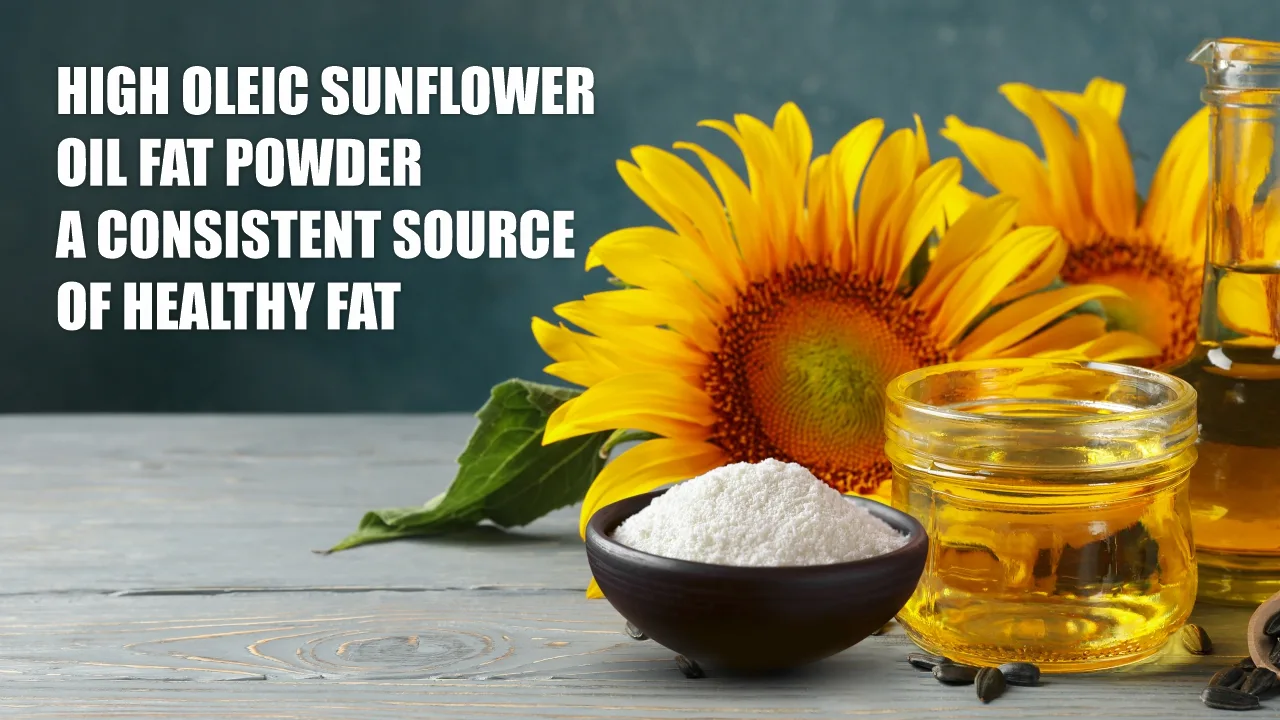
Powdered high oleic sunflower oil in a wooden bowl with healthy food products

Why Healthy Fat Matters

As an essential macronutrient for human nutrition, fats maintain energy function and support essential processes including hormone synthesis, brain function, and the absorption of fat-soluble vitamins. Nevertheless, the composition of the fat you eat plays a significant role in your health. Monounsaturated fats, like oleic acid, are thought to be more cardioprotective, while excessive consumption of saturated fats accelerates cardiovascular illness.

What is High Oleic Sunflower Oil Powder?

High Oleic Sunflower Oil Powder, It is manufactured through a spray-drying process that converts liquid oil into a stable powder form. The final product is a fat-fortified ingredient with nutritional as well as process advantages. The powdered form retains the natural benefits of the parent oil, including its high oleic acid content and natural antioxidants like vitamin E.
It is easy to incorporate in dry applications like nutritional powders, snack mixes, instant drinks, or dietary supplements where liquid oils cannot be readily incorporated because of stability or handling constraints.

For formulators looking to improve the quality of fats in dry and shelf-stable applications, our High Oleic Sunflower Oil Powder offers a reliable source of monounsaturated fats with superior oxidative stability. It is ideal for nutritional powders, snack mixes, supplements, and bakery products, delivering health benefits without compromising formulation functionality.

Nutritional Benefits

The main nutritional component in HOSO fat powder is its oleic acid content, a monounsaturated fatty acid with cholesterol level control ability. Substitution of saturated fats with oleic acid has been associated with improved heart health markers. High oleic oils are naturally resistant to oxidation, and this is the added factor contributing to improved shelf life without other added synthetic preservatives.
High Oleic Sunflower Oil Fat Powder has low carbohydrate or sugar calorie contribution. This positions it as an ideal ingredient to be utilized in energy-dense, fat-containing nutritional formulations.

A Common Formulation Problem Overcome

Most food and nutrition applications face challenges incorporating healthy fats in a dry, shelf-stable form. Liquid oils provide texture, rancidity, separation, and processing challenges. In the meantime, ffat powders may contain ingredients that do not align with nutritional goals, including excess saturated fats or fillers reducing fat levels.

HOSO Fat Powder is easy to formulate with and enables product formulators to enhance the fat quality of their product without sacrificing stability or use.

Industry Uses

Applications for this product include:

Nutritional Foods: Blended into meal replacement shakes, protein products, and sports products to add healthy fat content with improved oxidative stability compared to polyunsaturated oils.

Snacks & Dry Mixes: Adds texture and quality of fat in ready-mix snacks, breakfast cereals, and snack bars.

Baking & Confectionery: Adds fat content that builds up mouthfeel and structure in dry baked products.

Supplements: Can be added to powdered supplement blend or encapsulated for proprietary health formulas, particularly for cardiovascular and metabolic health.

The Advantage for Product Developers

Using High Oleic Sunflower Oil Fat Powder as a food additive or supplement helps enhance the fatty acid profile of formulations. With its elevated monounsaturated fatty acid content, it is a great candidate for saturated fat replacement in dry applications. It also offers logistical benefits, being easier to store, transport, and blend than liquid oils.

Conclusion

High Oleic Sunflower Oil Fat Powder presents a functional and nutritionally appropriate answer to the most intractable formulation problem, how to introduce healthy fats to shelf-stable, dry foods. By providing high concentration of oleic acid as a powder, it bridges the gap between product performance and nutrition technology.

As more information comes on the market regarding the impact of dietary fat on health, foods such as this will play an ever-greater role in assisting manufacturers to bring their formulations into alignment with consumer demands for healthier nutrients.

Modified Tapioca Starch for Ready Meal Gravies and Marinades

Modified Tapioca Starch for Ready Meal Gravies and Marinades

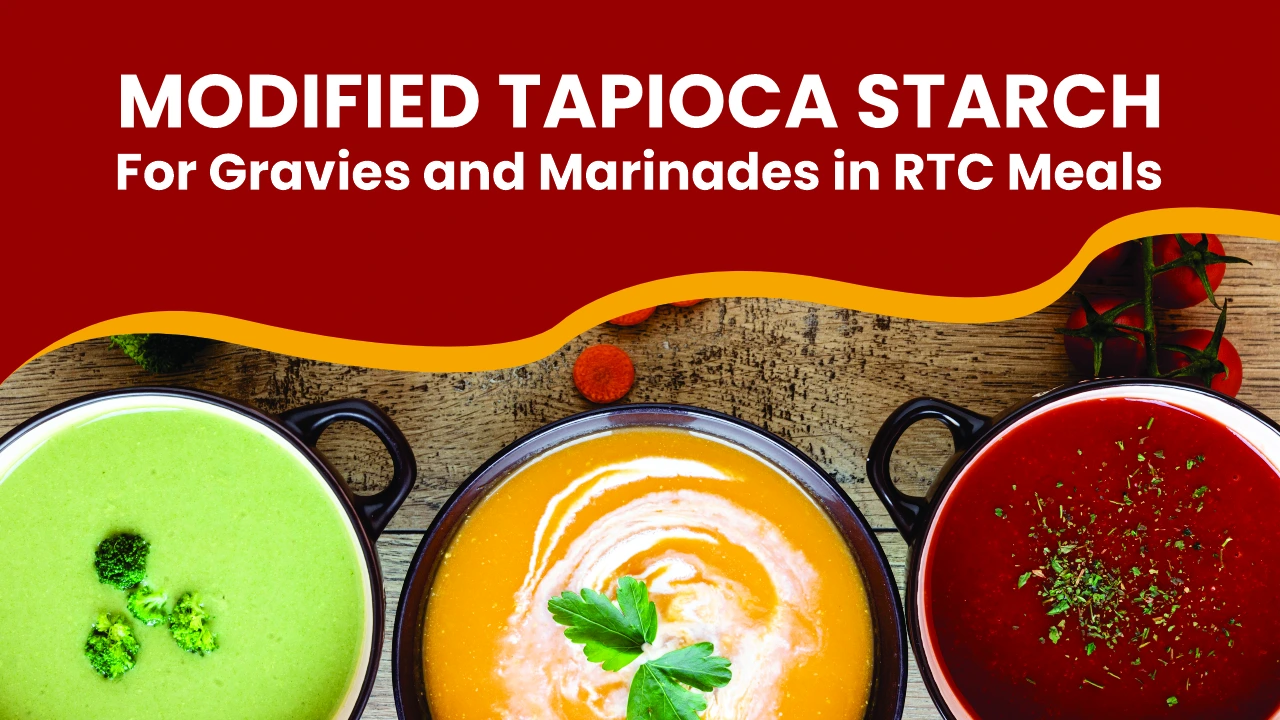
HYDENSO modified tapioca starch for gravies, sauces, and marinades in ready meals for improved texture and stability

Promoting Functionality in Gravies and Marinades for RTC Use

Gravies and marinades are essential components of the ready-to-cook (RTC) meal category. Applicable in products like a rich curry base to seasoned marinades for frozen meats, these products directly affect the sensory experience. Not only do they provide consistent texture and taste, but they must also withstand industrial cooking, freezing, packaging, and reheating conditions. Enter HYDENSO, a modified tapioca starch for gravies and sauces that is specifically designed for today’s food processing.

Being a trusted food starch supplier for ready meals, we assist manufacturers in overcoming the technological issues that tend to undermine product stability and sensory value.

HYDENSO: Modified Starch Designed for Real-World Processing

HYDENSO is a modified tapioca starch for gravies, sauces, and marinades, a cook-up type. It acts as a stabilizer, thickener, and bulking agent with high heat, acidity, and shear resistance. It adds to smoothness, firmness, and sheen, characteristics required for superior gravies, pour-over sauces, and intricate marinades in RTC products.

This modified tapioca starch for gravies is designed to maintain its integrity during aggressive processing conditions, including cooking, high shear mixing to freezing and reheating. It prevents breakdown, lumping, and syneresis, common issues in gravies and sauces that use conventional starches.

Enhancing Gravies for Shelf Stability and Reheating

In gravies, HYDENSO maintains viscosity and mouthfeel integrity both during manufacturing and consumer usage. It offers a clean, shiny finish and dense texture without dominating the taste. Its excellent clarity and high viscosity make it perfect for curry bases, Western brown gravies, or Asian-type sauces. Modified tapioca starch for gravies provides stability even under long-term shelf life and multiple freeze-thaw cycles.

Marinades That Deliver Coating, Retention, and Consistency

Ready meal marinades typically must uniformly coat proteins or vegetables, suspend spices evenly, and maintain moisture during cooking. HYDENSO is particularly good at all these functions. It makes the marinades bind to surfaces, enhances water-binding, and averts spice sedimentation, all of which are crucial to providing consistent flavor and juiciness in RTC meat, tofu, or paneer dishes.

Versatility Beyond the Core: Sauces, Fillings, and More

HYDENSO’s versatility goes far beyond gravies and marinades. It works exceptionally well in soups, ketchups, cream fillings, chutneys, cheese alternatives, and even frozen meat pies. This means it is an essential solution for multi-component ready meal brands creating several sauces and fillings.

As a reliable food starch supplier for ready meals, we offer starch solutions that deliver across product lines and processing conditions and enable you to save reformulation time and ensure consistency in production.

Why HYDENSO RTC Product Development?

  1. High freeze-thaw stability for frozen gravies and sauces.
  2. Rich, smooth texture with gloss and body.
  3. Good resistance to syneresis, acid, heat, and mechanical shear.
  4. Balanced flavor that complements for broad use in many types of cuisine.
  5. Consistent performance with sauces, marinades, soups, and ready meal trays.

HYDENSO provides functional reliability, process stability, and uniform sensory quality, making it the modified tapioca starch for gravies of choice for gravies and marinades used in the ready meals sector. As your food starch supplier for ready meals, we help bring reliability and quality to every tray.

Natural Choline: A Sustainable and Superior Choice

Natural herbal phosphatidylcholine poultry supplement to support liver function, improve feed efficiency, and enhance poultry growth – Vincholine by Vinayak Ingredients

The choline used in commercial broiler feed is an important factor in enhancing growth performance and regulating lipid metabolism. It plays various biological functions in acetylcholine neurotransmitter production in the nervous system, maintenance of cell membranes and organelles, hepatic lipid transport, methyl group donation, and bone cartilage maturation. Its importance in hepatic lipid transport is due to its involvement in phosphatidylcholine synthesis, which forms membranes of cholesterol-carrying lipoproteins (high-density lipoprotein, low-density lipoprotein [LDL], and very low-density lipoprotein). It also inhibits fatty acid synthesis by downregulating fatty acid synthase gene expression and attenuating its activity. Choline is called a “lipotropic” factor due to its role in increasing fat utilization, which reduces fat deposition in the body. Young chicks require more quantity of choline, especially during the first few weeks of life, to prevent conditions like perosis and support optimal growth. Laying hens also require choline for egg production and quality.

Synthetic Choline Chloride and Its Limitations

The absence of choline, or levels below the recommendation, increases deleterious effects on poultry health, such as reduction in growth and perosis, especially in younger birds. Choline supplementation is commonly done by synthetic sources, but high hygroscopicity and oxidation with loss of vitamins, its corrosive nature, as well as the trimethylamine formation in the intestinal tract of broilers. Also, less than half of the choline chloride is absorbed by the poultry, which indicates low bioavailability of choline in poultry.

Several studies have explored alternative sources to address these practical issues, particularly plant-based substitutes rich in phosphatidylcholine. Research has been developed to unveil potential substitutes for synthetic sources, and formulations with herbs have been gaining ground with consistent results in hepatoprotective capacity and improvement of performance parameters.

Natural Plant-Based Choline

Plant-based choline sources exhibit the advantage of meeting broilers’ needs with smaller inclusions. Plant sources of commercial use often recommend the inclusion rate of three to five times less raw material compared with choline chloride. They have shown additional benefits, such as reducing serum LDL levels. Being a component of nature, these preparations are considered safe, cost-effective, and environment-friendly with no side effects. They help in the digestion process. Also, their inclusion in the diet is encouraged to enhance the bird’s performance, improve feed utilization, maintain health, and alleviate the adverse effects of environmental stress.

Vincholine, Plant-based Formulation of Enriched Natural Choline for Poultry

Vincholine is a natural choline supplement produced from the blend of Tinospora cordifolia, Andrographis paniculata, and Terminalia chebula in an appropriate ratio. It is recognized in Ayurvedic medicine. It has a high content of choline in its esterified phosphatidylcholine form, free choline, and sphingomyelin with high bioavailability. It can serve as an important alternative to the use of synthetic choline chloride. Results have shown that Vincholine can replace choline chloride in the poultry diets. In field conditions, herbal choline demonstrated better performance than choline chloride in utilizing the energy value of the feed, preventing fatty liver, and consequently improving feed efficiency and production performance.

Key benefits of Vincholine, a natural herbal phosphatidylcholine poultry supplement, including improved liver health, enhanced feed efficiency, reduced fat deposition, and better growth performance in poultry

*References on request*

Optimizing Infant Nutrition with Spray-Dried Fruit and Vegetable Powders

Optimizing Infant Nutrition with Spray-Dried Fruit & Vegetable Powders

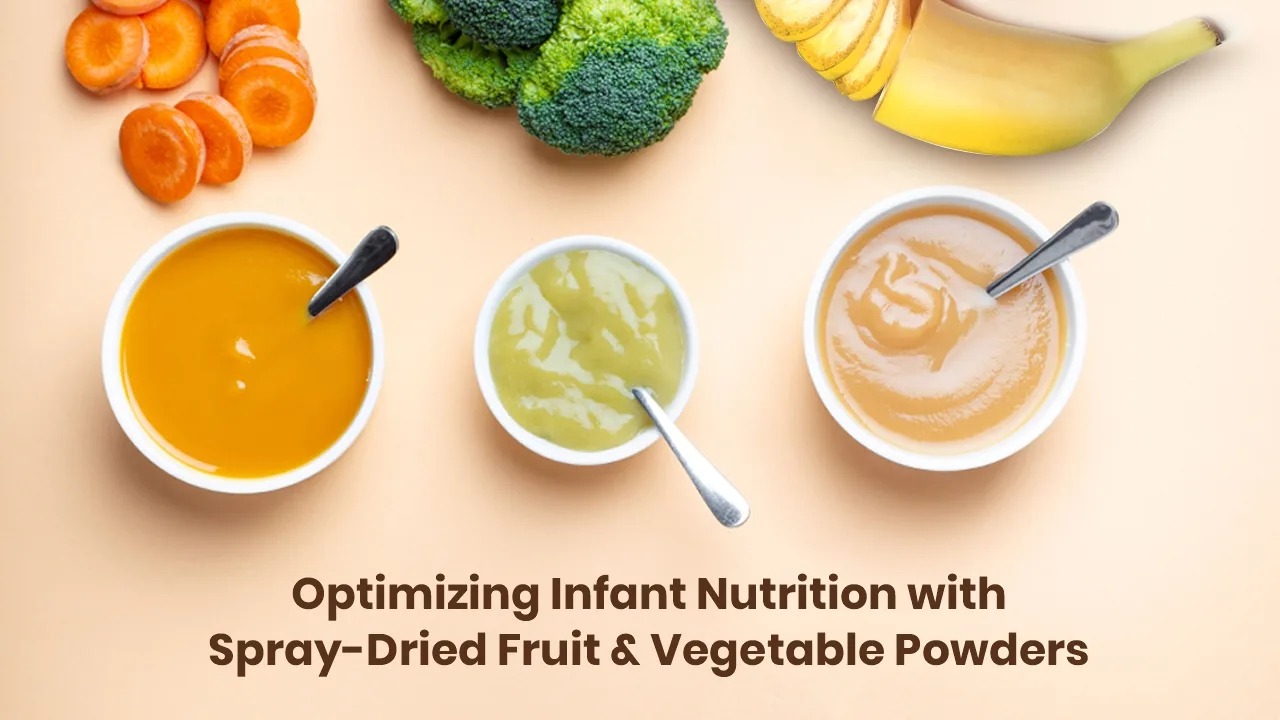
Natural spray-dried powders for infant nutrition made from banana, spinach, carrot, and mango

Introduction to Spray-Dried Fruit and Vegetable Powders for Infant Nutrition

Fruits and Vegetables are a significant component, especially in infant food. Fresh vegetables and fruits are prone to damage by insects, microbial spoilage, physical or chemical contamination, spoilage, etc. Spray-drying of fresh vegetables and fruits is a convenient way of preserving nutrients and making it shelf-stable. Spray-dried fruits and vegetables are increasingly finding their way into infant food, offering a simple way of delivering essential nutrients in stable, flexible forms. Greater emphasis on accuracy in nutrient delivery and product quality, the powders enable effective fortification of infant foods by manufacturers with assurance of process efficacy and formulation efficacy.

Benefits of Spray-Dried Powder Application to Infant Food

Spray-dried powders are highly convenient and improve shelf life, enabling better formulation. They contain little water, hence easy to transport and store compared to fresh or frozen counterparts. They also fit seamlessly into already installed manufacturing equipment, and batch control and dosing are reduced.

Major Ingredients and Their Nutritional Values

Spinach

Spinach is rich in iron, calcium, folate, and vitamins A, C, and K. Spinach also contains lutein, an antioxidant that has been found to aid vision and infant mental development. All these nutrients aid in hemoglobin development, brain growth, and the formation of bone matrix.

Broccoli

A plant-based source of vitamins C and K, broccoli is linked with immune function, anti-inflammatory processes, and cell protection. It also provides fiber, which is important for metabolic and digestive growth.

Carrot

Carrots contain beta-carotene, the pre-vitamin A, which is used to maintain healthy skin and for the development of eyesight, especially night vision. Their dietary fiber is also used to maintain digestion.

Orange

Oranges offer natural acids and vitamin C. Orange powder enhances immune defense, collagen synthesis for repair of tissues, and enhances the bioavailability of iron—critical for growth and energy.

Mango

Natural sugars, vitamin C, and potassium are found in mangoes. Mango powder provides taste and offers digestive enzymes that serve to promote gastrointestinal comfort in infants.

Banana

Bananas contain their high potassium, vitamin B6, and resistant starch. These are for muscle function, digestion, and slow energy release. Banana powder also contains prebiotic fiber that stimulates good gut bacteria necessary for nutrient absorption.

Strawberry

Strawberries contain vitamin C, manganese, and antioxidant polyphenols. These prevent growing cells from oxidative stress and aid in memory and cognitive development.

Application Areas in Infant Nutrition Products

Spray-dried fruit and vegetable powders for infant nutrition are extremely versatile. They find application in a wide variety of products ranging from weaning foods to toddler snacks, purees, breakfast cereals, and nutritional beverages. Their ability to provide essential nutrients such as iron, vitamin A, and fiber without affecting the texture or stability of the end product is an added advantage. Their neutral flavor and natural color also improve visual acceptance and acceptability of the product.

Conclusion: Strategic Ingredient Choice for Infant Foods

Spray-dried fruit and vegetable powders for infant nutrition are a highly effective and shelf-stable way of boosting the nutritional value of infant food. With high nutrient density, efficiency of production, and versatility across product forms, these powders enable manufacturers to make progressive health-oriented formulations meeting caregiver demands and regulatory requirements.

Monsoon Challenges and Disease Management in Poultry

Poultry monsoon disease management banner with chicken in rain – Vinayak Ingredients

In tropical monsoon regions, like India, seasonal changes are a major non-genetic factor influencing poultry production. The rainy season usually causes an increase in humidity and a drop in temperature. Rainfall impacts both the quality and amount of feed, while wind speed can affect disease outbreaks. The chicken industry often faces more difficulties due to disease outbreaks during the monsoon, as it creates ideal conditions for diseases to grow and spread among flocks. As a result, most poultry farmers see high rates of mortality and morbidity during this time.

Common poultry diseases during monsoon including mycotoxicosis, coccidiosis, respiratory issues, and gut diseases – Vinayak Ingredients

Best practices for managing poultry in monsoon: housing, litter, water, light, and feed management – Vinayak Ingredients

Product-Based Solutions for Specific Disease Conditions

  • Mycotoxicoses:

VINSORB-BIO is a unique combination of high-grade mycotoxin adsorbents and mould inhibitors, as well as antifungal elements, along with lipotropic agents, which makes VINSORB-BIO a very effective mycotoxin binder.

  • Coccidiosis:

BIOCOCCIN is a phytogenic coccidiostat that helps to control coccidiosis in poultry.

  • Gut-Related Diseases:

DIARRELIF is the mixture of appropriately selected herbs and their blends, which positively reduces diarrhoea in poultry.

  • Respiratory Diseases:

MUCOFORT is a natural tonic that ensures the rapid recovery of respiratory issues in poultry.

  • Immunosuppression:

NUCLEOVIN is a potential immunomodulator that contains nucleotides, vitamin C, and probiotics that can activate immune system responses.

*References on request*

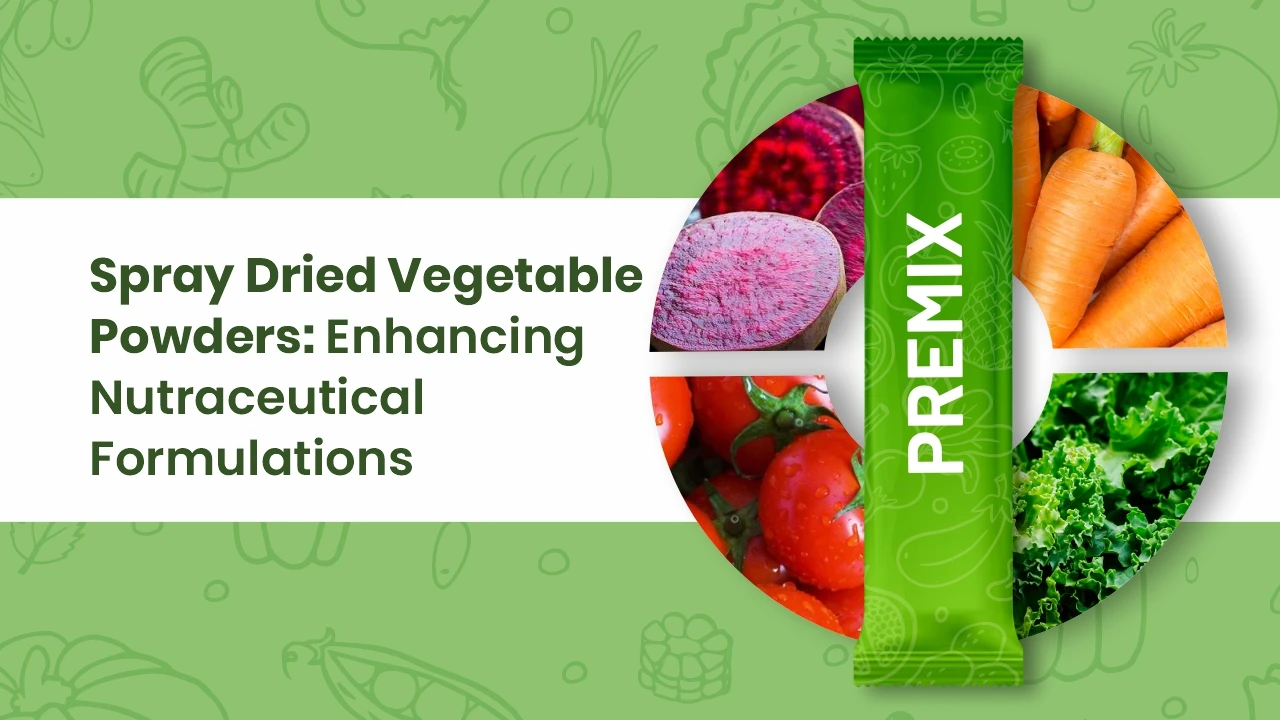
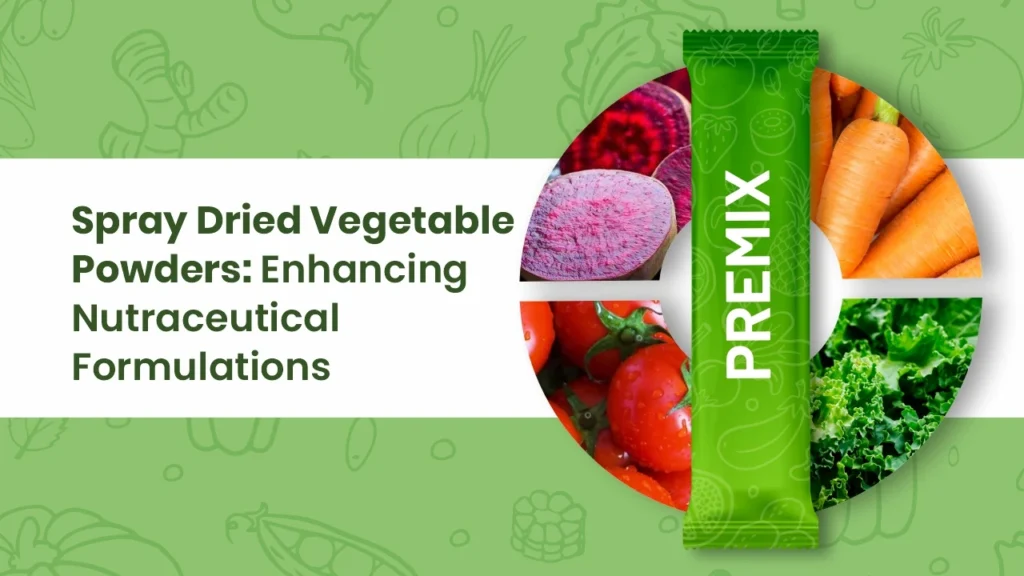
Vegetable Powders for Nutraceuticals: Enhancing Modern Formulations

Vegetable Powders for Nutraceuticals: Enhancing Modern Formulations

The nutraceuticals market is leading the way in a plant revolution. As culture and wellness become mainstream, whole, nutrient-dense ingredients are more and more in demand. vegetable powders for nutraceuticals have emerged as a savvy, science-driven solution that provides concentrated nutrition in convenient formats.

Vegetables such as beetroot, spinach, carrot, kale, and tomato are fruits and vegetables in addition to being functional health enhancers. Upon spray drying, these vegetables become healthy nutritional ingredients for food health formulations. Sprouting from vascular health to immunity and antioxidant defense, every vegetable has a particular health benefit in powdered form.

What Are Spray Dried Vegetable Powders?

Spray drying is a process that transforms liquid vegetable purees or extracts into free-flowing stable powders in an instant low-heat drying process. It contributes to the preservation of the majority of the original nutrients of the vegetable and enhancing shelf life and usability. Spinach, beetroot, carrot, kale, and tomato are typical vegetables to be spray dried for the manufacture of high-performance vegetable powders for nutraceuticals and functional applications.

High-Impact Spray Dried Vegetable Powder for Nutraceutical Applications

Beets

Beetroot powder is rich in nitrates and iron. It is most suitable for pre-workout drink powders, energy effervescents, and circulation support tablets due to its ability to increase blood flow, endurance, and oxygen uptake.

Spinach

Iron, magnesium, and folate are all found plentifully in spinach powder. It fights fatigue, enhances immunity, and aids red blood cell formation. It is commonly used in immunity candies, daily greens blends, and iron supplements.

Carrot

Carrots are rich in Beta-carotene and vitamin A. It is an antioxidant and enhances eye and skin health. Carrot Powder can be blended into numerous applications like effervescent tablets, dietary supplements, and functional beverages.

Kale

Kale is rich enough in calcium, fibre, and vitamins C and K. Kale has anti-inflammatory, bone-building, and detoxing activities. Kale powder is frequently utilized in green smoothie blends, fibre supplements, and powdered detox beverages.

Tomato

Tomatoes have a lot of Vitamin C and lycopene. It is best to use in cardiovascular blends, men’s supplements, and antioxidant fizzes due to its heart-friendly and antioxidant nature. Tomato powder includes antioxidant characteristics that make it an ideal supplement for skin supplements.

How Spray Dried Vegetable Powders Improve Formulations

They dissolve readily and provide natural nutrients with colour and flavour appeal in premix or ready-to-mix beverages. They add some benefits to in the functional segments. Capsules, sachets, gummies, or chewables offer convenient formulation and neat nutrition. Such spray-dried powders for gummies are particularly beneficial for the formulation of plant-based products that appeal to health-conscious consumers.

In growing demand for vegetable powders in nutraceuticals, gummies continue to grow in popularity because of their appealing shape and ease of use. Spray-dried powders for gummy applications offer better masking of flavors, homogenous texture, and shelf life, yet offer required nutrients in an acceptable state.

Wrapping Up: The Benefits of Spray Dried Vegetable Powder

Whole vegetable dietetic benefits are now in convenient, stable, and flexible forms with spray-dried vegetable powders. Vegetable powders for nutraceuticals offer manufacturers and formulators the perfect platform for developing more intelligent, plant-based, and natural ingredients. Flexible in uses for products such as RTM beverages, effervescents, or new-generation gummies, the utilization of vegetable powders for nutraceuticals ensures functional nutrition that can be trusted by consumers.

Do you wish to boost your vegetable strength in nutraceutical products?

Get in touch with us to learn about our extensive line of products of spray-dried powder and functional formulations that are specifically tailored for foods, drinks, and supplements.

Avian Influenza in Poultry: What Every Farmer Needs to Know

Sick poultry showing signs of Avian Influenza infection with health monitoring tools

Avian influenza, or bird flu, is a zoonotic disease caused by influenza A viruses of the Orthomyxoviridae family, classified by two surface proteins: haemagglutinin (H1–H16) and neuraminidase (N1–N9). These viruses vary in severity; low-pathogenic strains cause mild respiratory issues or reduced egg production, while highly pathogenic strains (HPAI) can lead to severe, often fatal, systemic disease. As per the recent FAO report, there have been 297 reported HPAI outbreaks in animals across five regions, mainly due to H5N1 (254 cases), followed by H5Nx (33), H5N5 (9), and H5N9 (1).

Understanding Transmission

Wild aquatic and migratory birds serve as asymptomatic reservoirs of the Avian Influenza virus. These birds transmit the virus to domestic poultry via contaminated environments, where viral shedding occurs through feces, saliva, and respiratory secretions. They can be further spread through direct contact with secretions from infected poultry, contaminated feed, water, and farm equipment. This results in severe economic and production losses for the farmer. The avian influenza virus has a high survival rate even in low temperatures and harsh environments.

Know the signs of Avian Influenza in your flock          

Poultry birds showing early signs of Avian Influenza like ruffled feathers, respiratory distress, and reduced egg production

Diagnosis methods to determine Avian influenza

Avian Influenza cannot be diagnosed on the basis of clinical signs alone; laboratory testing is also important.

  • Molecular techniques like reverse-transcription PCR (RT-PCR), which detect the viral RNA.
  • Serological tests such as AGID or ELISA, used to identify antibodies against the virus.
  • Genetic sequencing  which helps confirm the virus strain and its pathogenicity.

These tests help distinguish Avian Influenza from other poultry diseases such as Newcastle disease, infectious bronchitis, or mycoplasmosis.

Controlling the Spread

Avian Influenza control strategies are designed to prevent, manage, or completely eradicate the infection from the farm. The following key measures may play a vital role in effective disease control of Avian influenza-

Biosecurity (Exclusion and Inclusion):

Implementing strict measures to prevent contact between infected or wild birds and healthy poultry via proper fencing, limiting access to poultry farms, and ensuring hygiene practices for visitors and farm surfaces, equipment, and facilities to eliminate potential virus contamination.

Diagnostics and Surveillance:

Regular monitoring of poultry flocks for signs of illness, including testing for the avian influenza virus through sampling and laboratory analysis.

Elimination of AVIAN INFLUENZA Virus-Infected Poultry:

Humanely eliminating infected poultry and safely disposing of carcasses and contaminated materials to prevent further spread of the virus and environmental contamination.

Decreasing Host Susceptibility to the Virus (Vaccines and Host Genetics):

Developing and administering safe and effective vaccines and improving host resistance to the virus through selective breeding programs to protect poultry flocks from infection.

Education of all Personnel on Infectious Diseases and their Control:

Providing comprehensive training to poultry farmers, veterinarians, and other stakeholders involved in poultry production on proper biosecurity practices, disease recognition, and reporting procedures.

*References on request*

Carmine Natural Color: A Versatile Red for Food and Beverages

Carmine Natural Color: A Versatile Red for Food and Beverages

In today’s continuously changing landscape of food and beauty colorants, Carmine Natural Color is a time-trusted, top-of-the-line formulation for product manufacturers in need of a natural red food colour. Renowned for its good pigmentation, superior formulation stability, and extensive applications across industries, Carmine is still one of the go-to choices of product developers around the world. As the world continues to rise in demand for natural food coloring formulations.A Natural Red from Cochineal Insects.

Carmine is obtained from the cochineal insect (Dactylopius coccus), which is widely distributed in Central and South America. The insects live on cacti and secrete a red-colored pigment known as carminic acid, which is collected and purified for commercial purposes. This pigment is traditionally used in food coloring as well as in coloring textiles for centuries.

After processing, Carmine Natural Color (E120) is present in powder and liquid forms. It is used extensively by regulatory agencies in the food and cosmetic markets and is known as one of the most stable and efficient natural red dyes on the market.

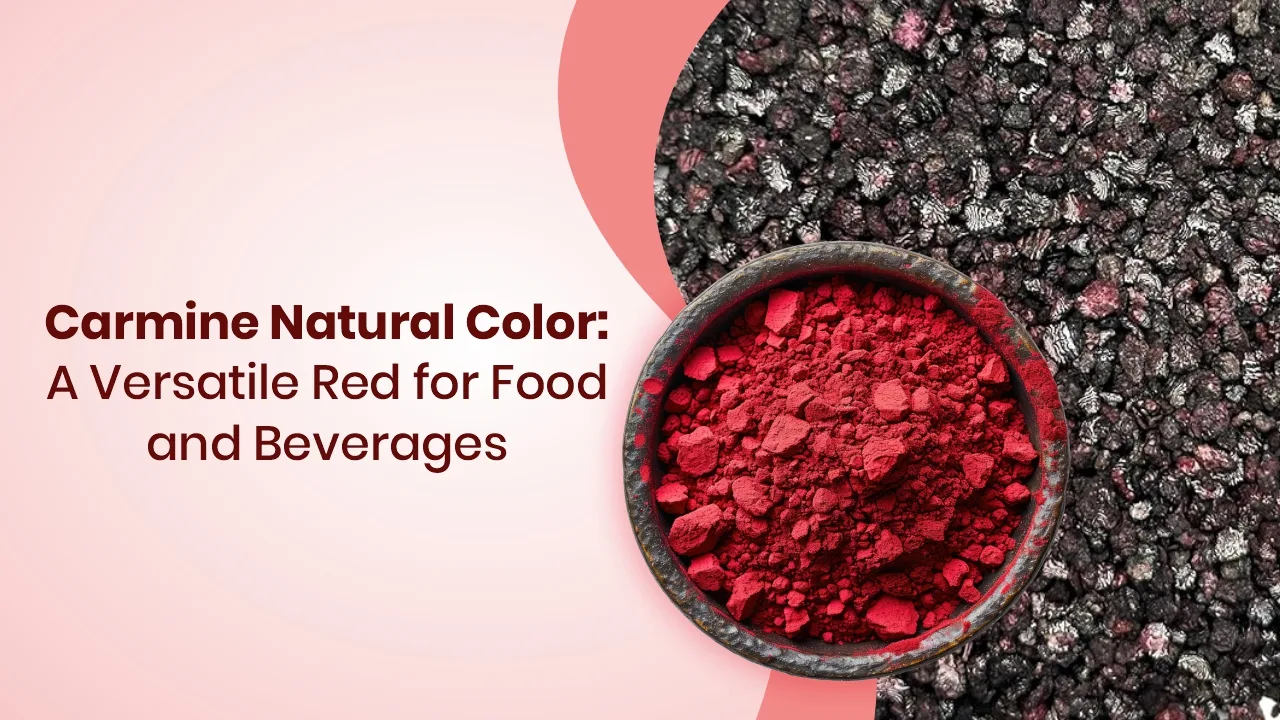
Cochineal-derived Carmine Natural Color powder for U.S. food and beverage industry

A Versatile Shade Scale: From Pink to Deep Red

Carmine has a wide choice of red shades, ranging from pale pinks to strong crimson colors. Final color effect is determined by a number of factors such as product formulation, dosage, and processing conditions. In low pH applications, the pigment is inclined towards lighter pink-red shades, whereas in neutral or higher pH systems, it creates deeper and stronger reds.

This versatility renders Carmine a versatile natural colorant for various sets of visual effects in foods, drinks, and cosmetics.

Stability Across pH and Processing Conditions

One of the key strengths of Carmine Natural Color is its heat stability and pH variability. It can last in a pH of about 3 to 8, which means that it can be used with acidic foods as well as neutral matrices. Carmine is also resistant to frequent heat processes such as baking, boiling, and pasteurization so that the color is retained over product shelf life.

This strong stability renders Carmine suitable for processed foods and drinks that call for long-lasting, consistent coloration.

Applications of Carmine in Food, Beverages & Cosmetics

Carmine is applied in a broad range of applications such as:

  • Dairy products: flavored yogurts, milkshakes, ice creams

  • Bakery products: cakes, icings, fillings

  • Confectionery: hard candies, gummies, marshmallows

  • Beverages: syrups, cordials, juices

  • Nutraceuticals: chewable tablets, protein gummies

  • Cosmetics: lipsticks, blushes, eye makeup

Its high color strength and natural source make it a superior substitute for artificial red dyes like Erythrosine which was recently banned by the USFDA in food and can also  be  used in personal care applications.

Vinayak’s Know-How in Carmine Natural Color

At Vinayak Ingredients, we are experts in offering top-quality, application-specific Carmine Natural Color solutions. Our Carmine is available both in powder and liquid forms and is specially designed to perform well across various product categories. If you’re developing for dairy, bakery, beverages, or nutraceuticals, Vinayak guarantees color performance that’s vibrant, stable, and compliant.

Our R&D assistance and customer-specific tailoring establish us as a reliable business partner for companies wanting to enhance product attractiveness with natural food coloring. Our global regulatory compliance and traceability in the supply chain are also top priorities for all of our natural color products.

Need a Dependable Natural Red Food Colour?

Collaborate with Vinayak Ingredients for high-quality Carmine Natural Color solutions that provide stunning visuals, long-term stability, and consistent performance.